

Planning a trip to Saudi Arabia now means thinking beyond desert heat and quick stopovers. The kingdom is rapidly emerging as a year-round destination, with blockbuster winter festivals, growing coastal escapes, and mountain retreats that offer surprising coolness. Choosing when to go is less about avoiding the sun entirely and more about pairing the right region and season with the experiences you want most.
Understanding Saudi Arabia’s Climate at a Glance
Saudi Arabia spans vast deserts, coastal plains, and mountain ranges, and that variety creates noticeable regional differences in climate. Overall, the country has a predominantly desert climate, with hot days, cooler nights, and very low rainfall almost everywhere except the southwestern highlands. National climate data indicates that typical winter daytime temperatures across the country range from about 20 to 30 degrees Celsius, while summer highs often sit between 35 and 45 degrees, spiking even higher in the interior deserts.
The most pleasant period for the majority of travelers is generally from late October to March. During these months, central and northern cities such as Riyadh and AlUla enjoy mild to warm days and refreshingly cool evenings. Coastal hubs like Jeddah stay warm even in midwinter, but the intense humidity that marks the peak of summer eases enough to make sightseeing and waterfront strolls more comfortable.
Rainfall is limited and irregular, but brief, sometimes heavy showers are more likely between November and May in central and northern regions. In recent years, these downpours have occasionally led to localised flash flooding, so it is wise to stay flexible with outdoor plans. In contrast, the Asir mountains in the southwest receive far more rain, especially between May and October, which keeps the landscape greener and temperatures significantly cooler than the deserts.
For trip planning, this broad pattern matters. If you want to explore ancient sites in AlUla, walk historic districts in Jeddah, or join major winter festivals in Riyadh and Diriyah, aim squarely for the cooler months. If you are drawn to cloud-draped mountain villages and lush terraced hillsides, the summer monsoon in the southwest can be surprisingly inviting.
Cool-Season Comfort: November to March
From roughly November through March, much of Saudi Arabia experiences its most visitor-friendly weather. In Riyadh, average winter temperatures often fall in the mid-teens Celsius at night and the high teens to low twenties during the day, which feels comfortable for walking city streets, visiting museums, and attending open-air events. The sun still feels strong at midday, but heat stress is far less of a concern than in the long summer season.
Along the Red Sea coast, Jeddah and nearby beach destinations remain warm in winter, with daytime temperatures typically in the mid-twenties Celsius and nights that rarely feel cold. Humidity drops compared to late summer, making it easier to enjoy seaside promenades, boat trips, and outdoor dining. Farther north, in AlUla and the surrounding desert canyons, mornings and nights can feel crisp or even cold, but daytime conditions are usually ideal for hiking, site visits, and balloon flights.
December and January offer particularly pleasant conditions across the country, though it is also when many flagship events reach their peak. This combination of mild weather and major festivals makes the winter months extremely popular with both domestic and international travelers. Accommodation, flights, and tickets for headline events can book out early, so planning several months in advance is sensible.
For travelers sensitive to heat, this cool season is the safest bet for extensive outdoor sightseeing. You will still need sun protection and steady hydration, but you can comfortably walk through archaeological sites, outdoor markets, and open-air concert venues for extended periods without the oppressive heat that defines Saudi summers.
Summer Strategies: June to September
From June through September, interior regions of Saudi Arabia can become extremely hot, with daytime temperatures regularly exceeding 40 degrees Celsius and sometimes pushing much higher in exposed desert areas. Under these conditions, extended midday activities outdoors are not advisable, and many residents shift daily routines to early morning and late evening. For most first-time visitors interested in classic sightseeing in Riyadh, AlUla, or the open desert, this is not the ideal time.
However, summer is not completely off-limits if you plan carefully and choose your destinations. The southwestern highlands of Asir and Jazan, including cities like Abha and mountain villages along the Sarawat range, are significantly cooler. The region benefits from a summer monsoon pattern that brings clouds, mist, and regular rainfall, helping keep daytime temperatures milder and the landscapes lush. Travelers looking for hiking, scenic drives, and cooler hill towns will find this part of the country at its greenest in summer.
On the coasts, summer heat combines with humidity, especially around Jeddah and the Eastern Province, which can feel very oppressive. Sea temperatures are warm, but the combination of high air temperature and humidity can make prolonged outdoor exploration uncomfortable. If you visit coastal cities in summer, focus on air-conditioned attractions, evening strolls, and shorter excursions rather than full days in the sun.
If summer is your only option to visit, consider building your itinerary around the southwest highlands, indoor cultural attractions, and evening events. Allow time for rest during the hottest hours, stay in well-cooled accommodation, and be realistic about how much time you can comfortably spend outside each day.
Regional Weather Patterns: Coasts, Deserts, and Mountains
Central Saudi Arabia, including Riyadh and surrounding desert areas, exemplifies the country’s classic continental desert climate. Winters can be surprisingly cool, with occasional frosts in higher or more exposed spots, while summers are intensely hot and very dry. Sand and dust storms, especially in spring and early summer, can temporarily reduce visibility and make outdoor activities unpleasant.
The Red Sea coast around Jeddah has a different personality. Here, temperatures stay warm year-round, with winter days often hovering between the low and high twenties Celsius. Summer brings very high humidity on top of the heat, which can feel more taxing than the dry heat of the interior. Rain is rare and usually falls in short bursts centred on late autumn and early winter, sometimes causing sudden local flooding on the city’s flat, built-up terrain.
In the Eastern Province, cities such as Dammam and Al Khobar share the coastal pattern of hot, often humid summers and mild winters. Breezes from the Arabian Gulf can soften the heat slightly, but humidity is a near-constant feature in the warm months. Here again, winter is the most comfortable time for extended promenades, outdoor cafes, and beach walks.
The southwestern highlands of Asir and Jazan break sharply from this pattern. Elevation and the influence of the Indian Ocean monsoon bring cooler temperatures and significantly more rain, particularly from May to October. Hillsides can remain green for much of the year, and mist often covers the mountain summits, especially in summer. This area is rapidly growing as a domestic summer retreat precisely because it offers respite from the lowland heat.
Festival Season: Riyadh, Diriyah, AlUla and Beyond
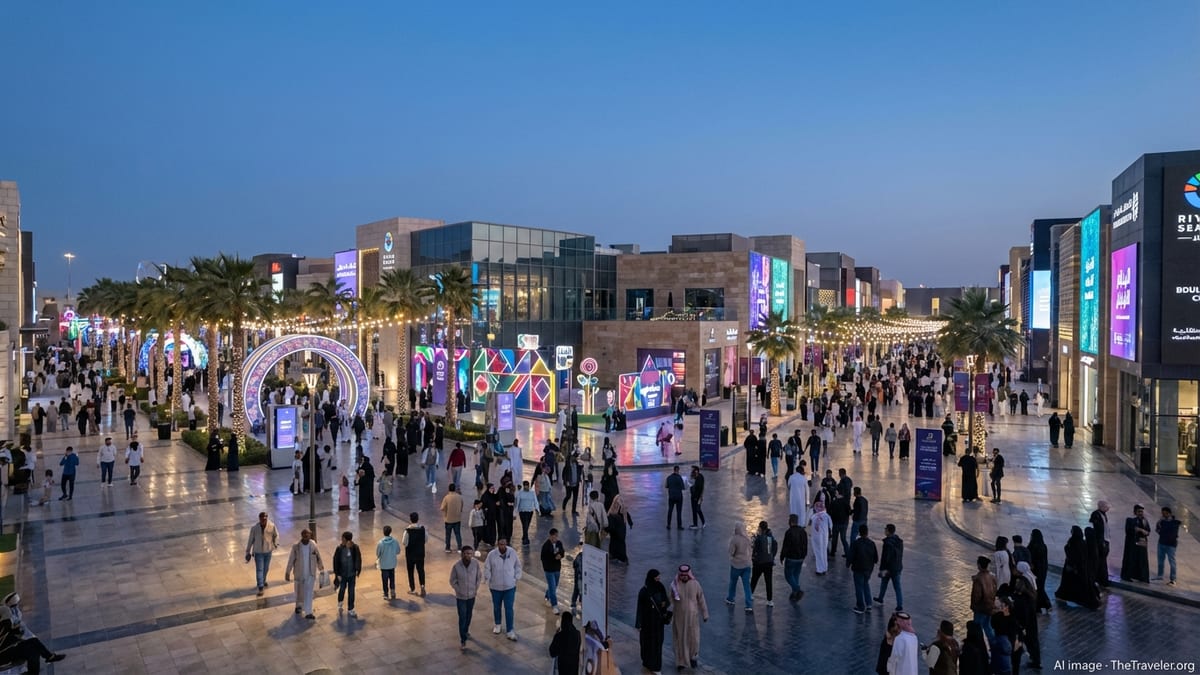
Saudi Arabia has built a dense calendar of cultural seasons and large-scale events, many of them concentrated between October and March when the weather is most forgiving. Riyadh Season, for example, typically runs from October through early spring and has developed into one of the region’s biggest entertainment programmes. Across various themed districts in the capital, visitors find concerts, sports events, immersive art installations, pop-up restaurants, and family attractions that run deep into the evening.
Complementing Riyadh Season are other winter attractions such as Riyadh Winter Wonderland, which transforms parts of the capital into a snow-themed fairground with rides, ice rinks, and live performances, often remaining open through March. Light and art take centre stage during Noor Riyadh, a city-wide festival of large-scale light installations and projections that has, in recent editions, been held over several weeks in late autumn and early winter.
Northwest of the capital, AlUla has emerged as a major winter culture hub. Winter at Tantora, centered on the sandstone canyons and oasis town, extends across the cool season with a mix of concerts, art, gastronomy, and outdoor experiences, often running into early January. Alongside it, the AlUla Arts Festival and contemporary land-art events turn the region’s valleys and rock formations into open-air galleries, usually across January and February when daytime conditions are ideal for exploring.
Other highlights of the cool season include major sporting and entertainment spectacles in and around Riyadh and Jeddah, from international motorsport races in Diriyah to high-profile football, boxing, and music events that anchor the winter calendar. Collectively, these festivals and seasons make late autumn through winter the most event-packed time to be in the country, especially if you like pairing sightseeing with concerts, shows, and late-night promenades.
Matching Your Trip to Weather and Events
If your priority is comfortable daytime weather for sightseeing and desert landscapes, focus on November, December, February, and March. These months typically strike the best balance between mild temperatures and a full festival schedule. January is equally pleasant but can feel busier, especially around school holidays and signature events, so you may want to book earlier or target slightly shoulder periods if you prefer fewer crowds.
Travelers who are primarily interested in festivals and entertainment may want to time their visit for the heart of Riyadh Season and the overlapping winter celebrations across the country. Arriving in late November or early December, for example, often allows you to experience large-scale installations in Riyadh, headline concerts, and parallel events in AlUla in a single itinerary. You can then add side trips to Jeddah or the Eastern Province for milder coastal weather without venturing into the worst of the summer heat.
If you prefer outdoor adventure and hiking rather than city festivals, consider February and early March. Trails in AlUla, desert camping experiences, and excursions into the Empty Quarter or the northern plateau around Tabuk are usually more pleasant when days are warm rather than hot, and nights are cool but not harshly cold. Clear skies are common, and the light at sunrise and sunset can be particularly striking against rock formations and dunes.
For visitors restricted to midyear travel, aligning your schedule with the southwestern highlands is the most comfortable approach. A summer itinerary might include time in Abha and nearby mountain areas, where the combination of altitude, greenery, and monsoon clouds makes outdoor life far more enjoyable than the lowlands. You can then add a short city stop in Jeddah or Riyadh, planning most urban exploration in the cooler mornings and evenings.
Practical Planning Tips for Saudi Seasons
Whatever time of year you choose to visit, planning around Saudi Arabia’s climate means building flexibility into your daily schedule. In winter, conditions are more forgiving, but strong sun and low humidity can still be dehydrating, particularly in inland regions. Carry water, use high-factor sun protection, and plan the most strenuous activities for earlier in the day or the late afternoon, when temperatures begin to drop.
In summer and the hotter shoulder months, think in terms of a split day. Early mornings are ideal for short outdoor excursions, whether that is a walk through historic Al Balad in Jeddah or a visit to a heritage site on the outskirts of Riyadh. From late morning through midafternoon, focus on indoor attractions, shopping malls, museums, and long lunches, returning outside only once the sun loses its intensity.
When visiting during major festivals such as Riyadh Season, Winter at Tantora, or Noor Riyadh, it is important to secure tickets, accommodation, and internal flights as early as possible. Event dates can shift slightly from year to year, and new programmes are regularly added, so checking the most up to date schedules before booking is essential. Because many events take place in the evening, think about where you will stay in relation to the main venues to minimise travel time across busy city streets.
Finally, remember that desert climates can swing quickly between warm afternoons and cool nights, especially in winter and at higher elevations. Even if the forecast looks mild, pack layers, including a light jacket or fleece for evenings in AlUla, the mountains, and the open desert, and comfortable, breathable clothing for daytime. This versatility will help you enjoy both festival nights and morning hikes, regardless of where the thermometer sits.
The Takeaway
Choosing when to visit Saudi Arabia means aligning your expectations with a country of extremes: scorching summers, pleasantly mild winters, and pockets of cool, rainy mountains that defy desert stereotypes. For most travelers, late October through March offer the most comfortable temperatures and the richest festival calendar, from Riyadh’s mega-seasons to AlUla’s cultural programmes and coastal winter promenades.
If you are drawn chiefly to entertainment and large-scale events, plan around the core winter months when the biggest stages are lit and the nights belong to concerts, light shows, and outdoor fairs. For explorers and hikers, February and March often provide the sweet spot between gentle warmth and long, clear days. And if your schedule pushes you into summer, the southwestern highlands ensure that Saudi Arabia can still be an appealing destination, provided you adapt to the climate.
With thoughtful timing, it is possible to turn the kingdom’s challenging weather into an asset rather than a limitation, using cool evenings, festival calendars, and highland microclimates to shape a rewarding journey. Understanding the seasonal rhythms of each region will help you decide not only when to go, but where to focus once you arrive.
FAQ
Q1. What is the most comfortable month to visit Saudi Arabia overall?
The most comfortable months for most travelers are typically November, February, and March, when daytime temperatures are mild and major festivals are in full swing.
Q2. Is December a good time to visit Riyadh and AlUla?
Yes. December usually brings pleasantly cool to mild days and crisp evenings in Riyadh and AlUla, ideal for outdoor sightseeing and attending winter festivals.
Q3. How hot does Saudi Arabia get in summer?
In many inland regions, summer daytime temperatures regularly exceed 40 degrees Celsius, and in exposed desert areas they can climb significantly higher during heatwaves.
Q4. Where can I go in Saudi Arabia to escape the summer heat?
The southwestern highlands around Abha and the Asir mountains are the best escape, offering cooler temperatures, more cloud cover, and greener landscapes in summer.
Q5. When is Riyadh Season usually held?
Riyadh Season generally begins in October and continues through the winter months into early spring, with entertainment, sports, and cultural events spread across the city.
Q6. Is Jeddah comfortable to visit in winter?
Yes. Jeddah’s winters are warm but not extreme, with pleasant daytime temperatures and lower humidity than in late summer, making it suitable for waterfront walks and city touring.
Q7. Does it ever get cold in Saudi Arabia?
Yes. Winter nights in inland areas, especially high plateaus and some desert regions, can feel quite cold, and frost is possible in certain elevated zones.
Q8. Are Saudi festivals only in winter?
Most of the largest festivals and entertainment seasons are clustered in winter, but smaller events and regional programmes, especially in the southwest, also take place in other seasons.
Q9. How far in advance should I book if I am traveling for festivals?
For major events such as Riyadh Season and Winter at Tantora, it is wise to book flights, hotels, and key tickets several months ahead, especially for peak weekends and holidays.
Q10. What should I pack to handle changing temperatures?
Pack light, breathable clothing for daytime, a hat and sun protection, and a few warm layers for evenings, particularly if you plan to visit deserts, AlUla, or the mountains in winter.