

I went to Nanaimo expecting the usual straightforward accommodation choice: find something central, close to the water, and call it a win. Instead, my stay turned into a lesson in how Nanaimo’s geography, hills, and new short term rental rules quietly shape the experience of where you sleep.
I did enjoy my time there, but I would not book in exactly the same way again. Here is what my stay was actually like, where it fell short, and what I would do differently next time.
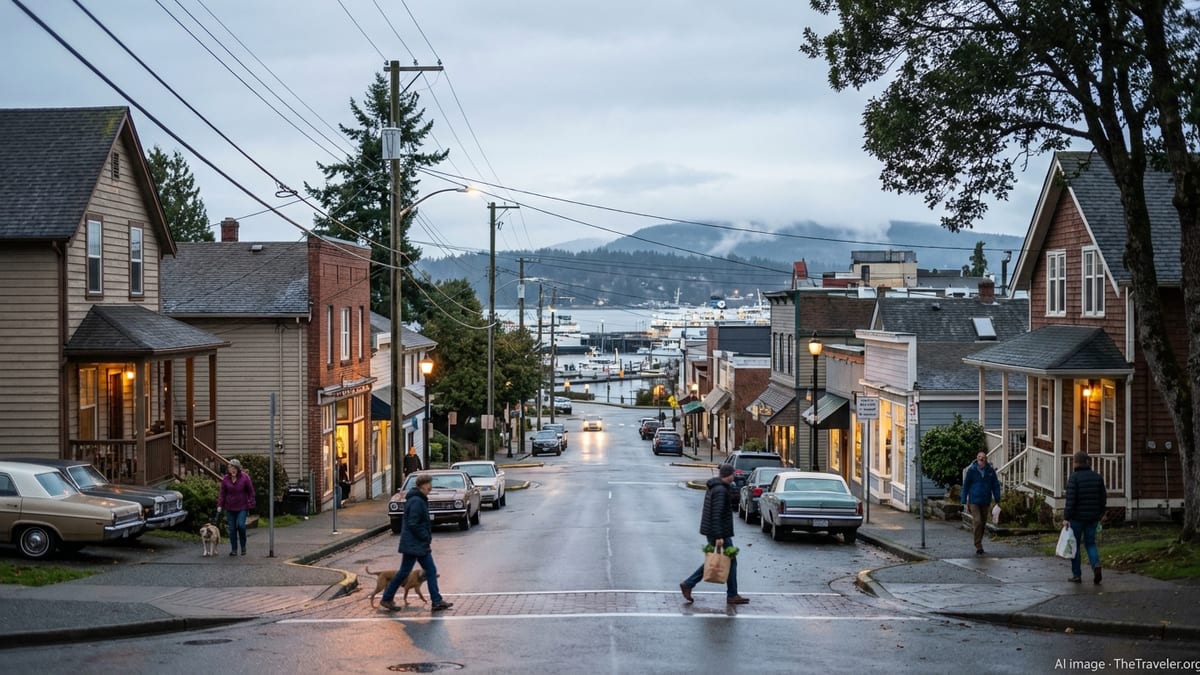
Why I Chose Nanaimo and How I Picked My Stay
Before this trip, Nanaimo was mostly a name on a ferry schedule to me, one of those places you pass through on the way to somewhere else on Vancouver Island. That was part of the reason I decided to stop and actually stay: I wanted to see if there was more beyond the terminal and the famous bar dessert. When I started looking for accommodation, I focused on three things: walkability, access to the waterfront, and not needing a car for every small errand.
I ended up choosing a short term rental suite in the Old City Quarter, just uphill from the downtown waterfront. The area has a reputation for being one of the most characterful parts of the city, with heritage buildings, small independent shops, and cafes. It looked like the kind of neighborhood where I could step outside and feel like I was actually in Nanaimo, not in a generic motel zone off a highway. That promise, plus the practical draw of being within walking distance of the harbour and the downtown bus exchange, ultimately guided my choice.
Another factor in choosing a short term rental was cost. Nanaimo’s main waterfront hotels command a premium, especially during peak dates, and the price difference between them and a self contained suite was noticeable. I was also traveling for more than a quick weekend, so having a kitchen and laundry facilities mattered to me. On paper, the Old City Quarter suite seemed like the sweet spot between local character, convenience, and value.
In hindsight, my research focused more on neighborhood descriptions than on the reality of Nanaimo’s hills, changing short term rental rules, and the subtle trade offs between being close to downtown versus being closer to nature spots like Westwood Lake or Departure Bay. Those blind spots showed up once I arrived.
The Old City Quarter Suite: Cozy, Characterful, and Not Quite Perfect
The place I stayed was a renovated lower level garden suite in a heritage style house in the Old City Quarter. It had two bedrooms, a proper kitchen, a living area with a gas fireplace, and a small private patio area. Inside, the suite was genuinely comfortable. Floors were real wood, the furniture was simple but solid, and small touches like local art and a well stocked coffee and tea setup made it feel cared for rather than thrown together.
The bathroom was a surprisingly high point. Heated tile floors and a deep tub with a separate shower felt more like a boutique hotel than a basement suite. After days of walking up and down Nanaimo’s hills and staircases, soaking in a hot bath with warm floors underfoot did not feel like a minor luxury. The kitchen also worked well. There was enough counter space to cook actual meals, not just reheat takeout, and having a washer and dryer in the suite meant I did not have to hunt down a laundromat mid trip.
However, the “garden suite” label glossed over some realities. Natural light was limited, especially in the main living area, and on grey coastal days the space felt more enclosed than I expected. The ceilings were a normal height, but the combination of small windows and the location partly below street level meant I was often turning on lights in the middle of the day. That is not a dealbreaker, but if you are sensitive to dim spaces or seasonal gloom, it matters more than listing photos suggest.
Noise was also a mixed bag. The street itself was fairly quiet at night, but I could clearly hear footsteps from the main floor above and the occasional muffled conversation. It never crossed into “party next door” territory, yet I was aware I was in someone else’s house, not an acoustically insulated hotel. If you are a light sleeper or someone who values strong sound separation, this is the sort of compromise that is easy to underestimate when you press book.
Location Trade Offs: Walkability, Hills, and After Dark Reality
On the map, the Old City Quarter looked ideal. In practice, the location was both one of the best and one of the trickier parts of the stay. During the day, I loved being able to walk to cafes, restaurants, and small shops within a few minutes. The neighborhood does have personality. The restored buildings, murals, and steep little side streets give it a sense of place that you do not get in a strip of chain hotels.
Getting to the waterfront was straightforward but not entirely effortless. From my suite, it took about 10 to 15 minutes to walk down to the harbour and the main park along the water. The route was mostly pleasant, but it is important to emphasize the downhill and uphill reality. Nanaimo is a hilly city, and every easy glide down to the seawall turns into a climb back up. If you have mobility issues, heavy bags, or are just not fond of hills, that daily ascent can wear thin.
After dark, my feelings about walking shifted slightly. I never felt overtly unsafe, but some stretches between the Old City Quarter and the water were poorly lit and noticeably quieter at night. There is a visible poverty and substance use issue in parts of downtown Nanaimo, as there is in many cities, and while I did not have any negative encounters, I adjusted my routes and sometimes opted for short rides instead of walking back late. If you are used to large city cores, this may not faze you; if you prefer highly polished tourist districts, you will notice the contrast.
On the positive side, being based uphill meant I was closer to everyday services that did not feel touristy: grocery stores, pharmacies, local bakeries, and coffee shops frequented by residents more than visitors. That mix is exactly what I look for in a base. I just underestimated how much the topography would shape my daily rhythm and my energy at the end of the day.
Short Term Rental Rules and the Booking Experience
Something I became more conscious of only after booking was how much British Columbia’s new short term rental rules affect places like Nanaimo. The province has tightened regulations so that short term rentals generally need to be part of a host’s primary residence, and cities like Nanaimo have layered local business license requirements on top. The practical effect for a guest is fewer whole home options and more suites in lived in houses, like the one I chose.
On one level, I appreciated this. Staying in a suite under an owner occupied home created a different dynamic than an anonymous investment property. My host was available, responsive, and clearly invested in both the house and the neighborhood. Communication was smooth, and check in was simple. I did not feel like I was sliding in and out of a place that no one really took responsibility for.
At the same time, the structure of the rules meant I had to accept certain built in compromises. Thin sound separation, limited outdoor space, and the sense that I was sharing a property rather than fully inhabiting it for the week all flowed directly from the fact that this was someone’s primary home. There is a ceiling on how private and detached a basement or garden suite can feel when the family is living above it.
Another practical point is that the new regulations come with enforcement. Listings now need visible license and registration numbers, and non compliant options can disappear. That is good for consistency and safety, but it also reduces spontaneity. I would not recommend arriving in Nanaimo and assuming you can easily find a last minute short term rental during busier periods. Availability feels tighter than in the era when every spare condo was on a platform.
What I Liked About Staying in the Old City Quarter
Despite the caveats, there were several things I genuinely liked about basing myself in the Old City Quarter. The first was the sense of being in a real neighborhood. In the mornings I could walk a couple of blocks for coffee and see the same baristas and regulars each day. There were local shops to browse, from used bookstores to small boutiques, and I could run mundane errands without needing to get in a car or navigate a commercial strip.
The second major plus was access in multiple directions. I could walk downhill to the harbour for ferries, waterfront walks, and restaurants with views, or head a different way toward more residential streets and parks. I never felt boxed into one axis of the city. The central location also made it viable to use Nanaimo’s bus system as a supplement rather than relying entirely on taxis or rideshares.
Inside the suite itself, comfort levels were solid. The bed was supportive, not a sagging afterthought. The heating worked well in the cool evenings, and the fireplace helped take the chill off quickly. Wi fi was stable and fast enough for video calls and streaming, which mattered because I was combining leisure with some remote work. I did not spend much time staring at the television, but when I did, it simply worked without fuss.
Finally, the price relative to a comparable downtown hotel for my dates felt fair. For what I paid, getting a full kitchen, washer and dryer, and separate bedrooms would have been difficult in a traditional hotel. If you value functional space and self catering over lobbies and on site restaurants, the value proposition still leans in favor of this style of stay.
Where It Fell Short and What I Would Change
Even though the stay was broadly positive, several things did not quite match my expectations. The biggest was the lack of natural light. I knew I was booking a lower level suite, and yet I underestimated how much it would affect my mood on cloudy days. Coastal British Columbia can be overcast for long stretches, and being in a dim space for many hours magnifies that. Next time, I would prioritize a main floor or upper level unit, even if that meant a smaller footprint.
I also found the indoor outdoor balance lacking. The patio space was technically private, but it was small and not especially scenic. I could sit outside with a coffee, but there was no real view beyond the surrounding fences and neighboring buildings. In a city with such beautiful natural surroundings, having no line of sight to either the water or the hills felt like a missed opportunity. If I were returning in summer, I would probably look for a place with at least some kind of outlook, even if it was just a partial bay view or a more open yard.
Noise transmission from upstairs was not terrible, but it was persistent enough that I noticed it most evenings. It reminded me that I was in a shared building, not a fully separate cottage. If you are even moderately sensitive to sound, I would recommend bringing earplugs or setting expectations that this is part of the package in many owner occupied short term rentals.
Beyond the suite itself, I would handle transportation differently. Relying on walking and the occasional ride worked, but it limited my spontaneous access to places like Westwood Lake, Departure Bay, and the more rural areas around Nanaimo such as Cedar and Yellowpoint. Next time I would almost certainly rent a car for at least part of the stay, even if I still chose a central neighborhood as my base.
What I Would Choose Next Time in Nanaimo
Having stayed once in an Old City Quarter garden suite, I would approach my next Nanaimo booking with a clearer sense of my own priorities. At the top of the list would be daylight and outlook. I would look for either a small apartment or an upper floor guest suite with larger windows, even if it meant sacrificing a second bedroom or some interior space. Natural light matters more to me than square footage in a climate like this.
In terms of location, I am still drawn to the Old City Quarter and nearby downtown streets for their character and walkability, but I would be more precise about the micro location. Being one or two blocks closer to the actual waterfront would reduce the daily hill climbs and make evening walks easier. Alternatively, I would seriously consider a spot near Departure Bay or Brechin Hill, where residential streets slope down toward the water and you can be near a beach as well as the ferry.
If I was traveling at the height of summer and planned to swim or spend long days outdoors, I might even base myself closer to Westwood Lake or in a more residential area, accepting that I would be driving into downtown rather than walking. That choice would tilt the trip more toward nature and less toward cafes and harbour strolls, but it would align better with a hiking and swimming focused itinerary.
Finally, I would be open to a mid range hotel in the downtown core if I found a reasonable rate outside peak season. A standard hotel room cannot compete with a full kitchen and laundry, yet it does offer better soundproofing, more consistent lighting, and easier late night arrivals or departures. For a shorter stay of two or three nights, those advantages might outweigh the flexibility of a self contained suite.
Who My Kind of Stay Suits and Who Should Avoid It
Looking back, I can see clearly who would be happiest in the kind of place I chose and who would be better off elsewhere. If you are a fairly independent traveler who values living like a local, cooking some of your own meals, and being in a walkable neighborhood that is not built purely around visitors, then an Old City Quarter style suite can work very well. The trade offs with light, noise, and patio space may feel minor compared to the comfort and convenience you gain indoors.
If, however, you are sensitive to noise, prefer lots of natural light, or place a high value on views and outdoor lounging space, then a basement or garden level suite in this area is probably not the best match. You might be happier in a top floor condo, a small hotel with harbour views, or even a quieter spot outside the core where you trade immediate walkability for a better outlook and more open space.
The current regulatory environment also matters. Because British Columbia and Nanaimo now limit many short term rentals to parts of primary residences, you should assume some level of interaction with owners or neighbors and a more residential feel overall. If your ideal is a completely detached holiday home where you barely see anyone, Nanaimo is becoming a trickier place to find that legally and reliably, especially close to the center.
Families with very young children or travelers with mobility challenges should also think carefully about the hills. The Old City Quarter is charming, but it is not flat. Pushing a stroller or dealing with a steep walk back from the waterfront multiple times a day may become tiring faster than you expect.
The Takeaway
My stay in Nanaimo did not unfold like a brochure, and I am glad it did not. The Old City Quarter suite was comfortable, imperfect, and rooted in the everyday fabric of the city. I did not have sweeping ocean views from my window or a balcony overlooking the harbour, but I did have a functional home base where I could cook, work, and step outside into streets that felt lived in rather than curated.
At the same time, the experience highlighted how easily listing photos and neighborhood blurbs can gloss over factors like light, noise, and hills that shape daily life far more than a list of amenities. The new short term rental rules in British Columbia and Nanaimo also mean travelers should be prepared for more owner occupied suites and fewer anonymous whole home rentals, with all the practical and emotional trade offs that implies.
Would I stay in the exact same place again? Probably not. I would prioritize natural light, a bit more outlook, and either closer proximity to the water or a deliberate shift toward a nature based base near lakes and trails. Yet I do not regret the choice I made. It gave me a grounded introduction to Nanaimo as a place people actually live, not just a waypoint on a ferry line.
If you are the kind of traveler who prefers character over polish, does not mind a few stairs, and values a good kitchen and a comfortable bed more than a lobby and turn down service, then a stay in or near the Old City Quarter can still be a very good choice. Go in with realistic expectations about light, noise, and hills, and it can be a rewarding way to get to know this often overlooked coastal city.
FAQ
Q1. Is the Old City Quarter a good area to stay in Nanaimo for first time visitors?
The Old City Quarter works well for first time visitors who value walkability, local cafes, and characterful streets, and who are comfortable with some hills and a more mixed downtown environment.
Q2. How safe did it feel walking between the Old City Quarter and the waterfront at night?
I personally felt generally safe, but some stretches were dimly lit and quiet, and there is visible social hardship downtown, so I stayed aware and sometimes chose short rides late at night.
Q3. Do I need a car if I stay near downtown Nanaimo or the Old City Quarter?
You can manage without a car for downtown and waterfront activities, but having one makes reaching lakes, rural areas, and trailheads around Nanaimo much easier and more flexible.
Q4. Are short term rentals in Nanaimo still easy to find despite the new regulations?
Short term rentals still exist, but there are fewer whole home options and more suites in primary residences, so it is wise to book ahead, especially in busier seasons.
Q5. How noisy are typical garden or basement suites in Nanaimo’s older houses?
In my experience, you should expect to hear normal household sounds like footsteps and muffled voices from above, which are noticeable but usually not overwhelming.
Q6. Would a waterfront hotel be a better choice than a neighborhood suite?
A waterfront hotel is better if you want views, strong soundproofing, and easy flat walks, while a neighborhood suite suits those who prioritize space, kitchens, and everyday local life.
Q7. What surprised you most about staying in Nanaimo compared to expectations?
I was most surprised by how much the hills and limited daylight in a lower level suite influenced my daily energy and how I planned my walks and outings.
Q8. Is Nanaimo a good base for exploring Vancouver Island or just a stopover?
Nanaimo can be more than a stopover; with a car it makes a practical base for day trips to beaches, lakes, and nearby communities while still having city services.
Q9. How far in advance should I book accommodation in Nanaimo?
For summer, weekends, and holidays, I would book several weeks in advance, especially for short term rentals, while off season stays offer a bit more flexibility.
Q10. Who would you recommend your style of stay to, and who should avoid it?
I would recommend it to independent travelers who value kitchens and local neighborhoods, and suggest that light sensitive or mobility challenged visitors look for brighter, more accessible options.