

Lake Huron stretches for hundreds of miles along the Michigan and Ontario coasts, a freshwater inland sea lined with sandy beaches, rocky bluffs, maritime villages, and quiet cottage lanes. Choosing where to stay can shape your entire trip, from the pace of your days to how you experience sunrise on the water or a storm rolling across the horizon. This guide breaks down the character of key regions and towns around Lake Huron so you can find the right base, whether you want a classic beach vacation, a quiet cabin in the pines, or a walkable harbor village with restaurants and marinas at your doorstep.
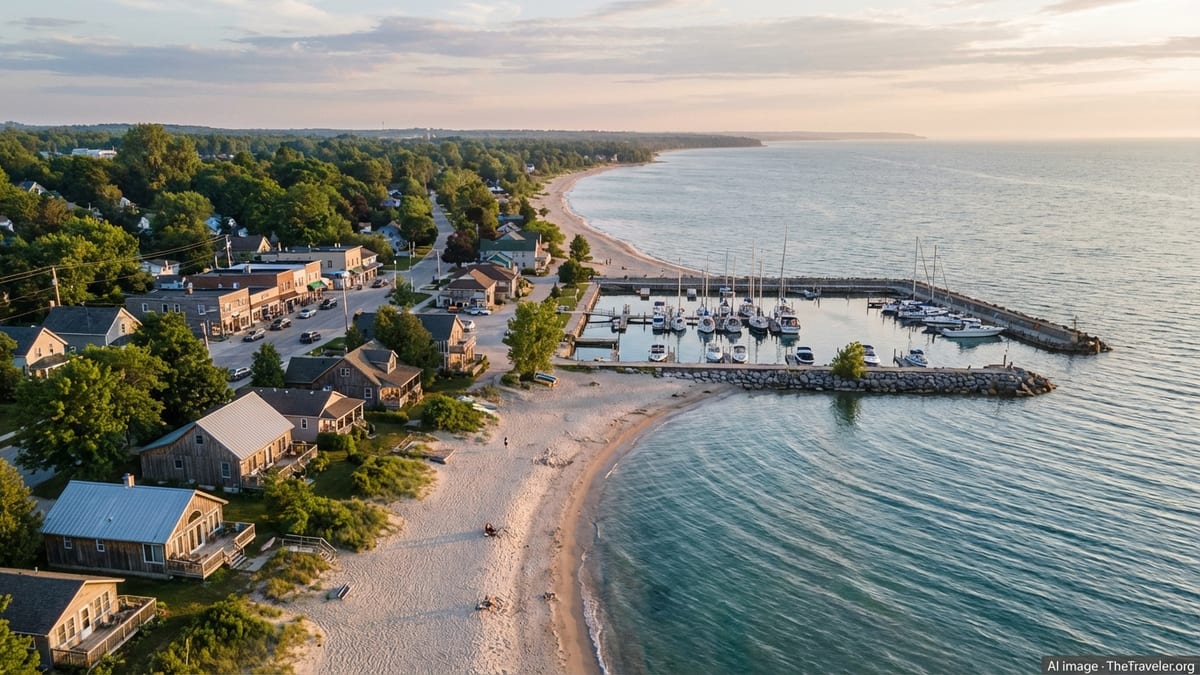
Understanding Lake Huron’s Shorelines
Lake Huron is vast enough that it feels more like an ocean than an inland lake. Its shoreline ranges from long, shallow beaches ideal for families to wave-lashed limestone cliffs and remote islands. Where you choose to stay will affect not just scenery, but also wind patterns, water temperature, and how easy it is to access amenities. The eastern shore of Michigan, often called the Thumb Coast farther south and Sunrise Coast farther north, wakes up to early-morning sun and typically has cooler water and a quieter, small-town feel. On the Ontario side, resort areas mix with long stretches of cottage country where sandy coves face spectacular sunsets.
Driving distances around Huron can be deceptive. A town that looks nearby across the water may be several hours away by road. Most travelers choose a specific shoreline and explore from there rather than trying to circle the entire lake in a few days. Before you book, consider how much time you want to spend on the road versus walking to the beach or marina from your door. For week-long stays, it often makes sense to anchor yourself in one hub and plan day trips along that section of coast.
The lake’s character also shifts with the seasons. In July and August, popular beaches and ferry ports are at their liveliest, with festivals, full campgrounds, and busy marinas. Late spring and early fall see fewer crowds, lower accommodation rates, and surprisingly pleasant weather, though some seasonal motels and cottage resorts may scale back services. Winter transforms certain communities into quiet bases for snowshoeing and lighthouse photography along the frozen shoreline, but many smaller properties close or move to off-season operations.
Because Lake Huron is large and water levels fluctuate, harbor towns regularly invest in marinas, breakwalls, and dredging projects to keep channels open for recreational boaters and charter trips. When you are choosing a harbor-focused stay, especially if you plan to bring your own boat, it is worth checking recent information on marina operations and any navigation advisories so you know what to expect when you arrive.
Michigan’s Thumb Coast: Small-Town Harbors and Quiet Beaches
Michigan’s Thumb region curls into Lake Huron like a mitten, with small coastal communities that feel distinctly local and less commercial than some of the state’s better-known resort areas. Harbor Beach is one of the key hubs, promoted as home to one of the world’s largest man-made freshwater harbors. The protected basin, pier, and municipal marina make it a practical choice if you are arriving by boat or planning to book fishing charters and paddling excursions. The downtown sits close to the waterfront, so it is easy to stay within walking distance of both the harbor and basic services.
Accommodation around Harbor Beach and neighboring Thumb communities tends to be low-rise and modest in scale. You will find a handful of small motels, vacation rentals, and lakefront cottages, along with a city campground near the water. These properties appeal to travelers who value direct access to the lake, trails, and local museums over spa services or nightlife. The Harbor View Trail and other paths link the campground, parks, and harbor area to town streets, so cyclists and walkers can get around without driving once they are settled.
North and south of Harbor Beach, cottage clusters and smaller villages like Port Hope and Port Austin offer their own mix of rentals and seasonal homes. The Thumb Area Bottomland Preserve offshore protects a concentration of shipwrecks, which attracts divers and history-minded paddlers. Staying in this area puts you close to quiet beaches, paddle launches, and scenic drives out to Pointe aux Barques. It is a strong choice for travelers who prefer a low-key atmosphere, spur-of-the-moment beach stops, and evenings spent grilling at a cottage rather than dining out.
Because these towns are relatively compact, booking early is wise for midsummer weekends and holiday periods. If in-town rooms fill up, look slightly inland, where farm-country bed-and-breakfasts and small inns can provide a peaceful counterpoint to days on the water. You will trade immediate beach access for a calmer, more rural setting that still keeps you within a reasonable drive of Lake Huron’s shoreline parks and harbors.
The Sunrise Coast: Alpena, Tawas, and Northeastern Harbors
North of the Thumb, the Lake Huron shoreline sweeps past Tawas Bay, Oscoda, and Alpena, a region marketed as the Sunrise Coast for its east-facing beaches and early morning light. This stretch mixes traditional vacation towns with working harbors, lighthouses, and state parks. If your ideal stay involves watching the sun rise over the water and then heading out to paddle among limestone ledges or explore coastal trails, basing yourself along the Sunrise Coast is a strong option.
Tawas and Oscoda have longstanding reputations as family getaways, with sandy, shallow waterfronts where kids can wade and swim. The lodging inventory runs from vintage motels and simple cabins to newer chain hotels and modern vacation rentals, many within walking distance of the bay. Farther north, Alpena blends small-city services with direct access to Lake Huron and Thunder Bay. Restaurants, a walkable downtown, and access to lighthouses and shipwreck tours make it suitable for travelers who want variety without losing the feel of a harbor town.
The interior of northeastern Michigan holds a network of rivers, inland lakes, and forest campgrounds, so it is easy to pair a Lake Huron stay with day trips to quieter swimming holes or shaded hiking trails. Choosing a base in one of the harbor communities allows you to move between the open lake and these sheltered inland spots depending on wind, waves, and weather. Many travelers find that this flexibility is especially valuable for longer stays, when conditions on the big lake may change from day to day.
Staying on the Sunrise Coast also puts you in reach of several noteworthy lighthouses and coastal nature preserves. Although the communities are not as densely developed as some Great Lakes resort corridors, summer events, small festivals, and harbor concerts add seasonal energy. Accommodations can book up quickly when major fishing tournaments or waterfront celebrations are on the calendar, so it helps to scan town event listings when you are choosing dates and to secure reservations once you know your travel window.
Up North Icons: Mackinac Island and the Straits of Mackinac
At the northern junction of Lake Huron and Lake Michigan, the Straits of Mackinac form one of the most recognizable regions in the Great Lakes. Here, fortifications, ferry docks, and the Mackinac Bridge create a distinct sense of place. If you stay around the Straits, you are technically at the meeting point of the lakes, but much of the shoreline accommodation and views look directly out onto Lake Huron’s blue expanse. Mackinaw City on the Lower Peninsula and St. Ignace on the Upper Peninsula serve as the primary ferry gateways.
Mackinac Island, sitting in the straits, is one of Michigan’s best known destinations. The island bans cars, so guests move by foot, bicycle, or horse-drawn carriage, and many hotels and inns sit an easy walk from the docks. Stays on the island range from historic grand hotels with dining rooms and formal grounds to small Victorian-era inns tucked along quieter streets and simple motels on the outskirts of town. Booking well ahead is important during peak summer, fall color weekends, and special events, when island capacity can be stretched.
On the mainland, Mackinaw City and St. Ignace offer a broader range of lodging styles and price points, from chain hotels near highway exits to independent motels, cabin clusters, and waterfront properties facing the bridge. These towns make practical bases if you want to split your time between day trips to Mackinac Island, lighthouse visits, and drives along the upper reaches of Lake Huron’s shore. They can also be more affordable than staying on the island itself, especially for families or longer visits.
Weather in the Straits area can be brisk even in summer, with cool evenings and occasional fog rolling through the channel. When choosing where to stay, consider whether you value direct water views or prefer slightly more sheltered spots in town. In either case, you will be close to ferry docks and tour operators. This is one of the few parts of Lake Huron where a short walk from your room can lead to big-lake vistas in multiple directions, making it especially rewarding for photographers and travelers who like to explore on foot.
Ontario’s West Coast: Cottage Country and Sunset Beaches
Across the lake, Ontario’s western Lake Huron shoreline is often described locally as the West Coast, thanks to its wide sand beaches and reliable sunsets. Towns like Grand Bend, Goderich, Kincardine, and Southampton have long histories as summer resorts, with boardwalks, bandstands, and main streets that fill with vacationers in July and August. If you are traveling from the United States, reaching this side of the lake involves an international crossing, but in return you gain access to a network of cottage communities and beach towns with a slightly different cultural flavor.
South of Goderich, the cottage community of Point Clark sits beside a sandy beach and a historic Imperial Tower lighthouse. This type of small-scale settlement is typical of the Ontario shore, where seasonal homes and rentals cluster along the water and small harbors serve recreational boaters. Accommodations here tend to be stand-alone cottages, bed-and-breakfasts, or small inns rather than high-rise hotels. Staying in or near one of these cottage communities gives you the feel of a neighborhood where beach paths and quiet roads lead directly to the water.
Larger destinations such as Grand Bend and Goderich offer more structured visitor infrastructure, with waterfront parks, restaurants, and entertainment venues near the beach. Many Canadian families return to the same motels, campgrounds, or cottage courts year after year, which means popular properties can sell out quickly for summer weekends. Travelers seeking more spontaneity often find better availability midweek or in the shoulder seasons of late June and early September, when lake temperatures are still workable for swimming but crowds lessen.
Regardless of which town you choose, Ontario’s Lake Huron coast is well suited to travelers who value long days outside. Stays often center on relaxed routines: morning walks along the beach, afternoons swimming or paddling, and evenings on decks or patios facing the sunset. It is important to note that many cottage rentals on this side of the lake operate on weekly check-in cycles during peak season, so short stays or one-night bookings may be harder to secure than on the Michigan shore.
Bruce Peninsula and Tobermory: Wild Shorelines and Rustic Retreats
Farther north on the Ontario side, the Bruce Peninsula separates Lake Huron from Georgian Bay and offers some of the most dramatic coastal scenery in the region. While Georgian Bay takes center stage in many photographs, the western shore of the peninsula faces open Lake Huron, with rocky fringes, clear water, and sheltered coves that catch the evening light. Communities such as Tobermory and smaller settlements along the peninsula serve as gateways to national parks, marine conservation areas, and islands.
Accommodation on the Bruce Peninsula is more limited and spread out than in the larger resort towns to the south. Expect a patchwork of small motor inns, lakeside lodges, campgrounds, and cottage rentals rather than large hotels. Many properties are independently owned, and some close entirely outside of the main travel season. If you are planning to stay during the height of summer, it is wise to reserve rooms or campsites well in advance, especially if you want easy access to harbor docks or specific hiking trailheads.
Tobermory itself is a compact harbor village where ferries depart for nearby islands and tour boats cruise over shipwrecks in clear, shallow waters. Staying in or near the village allows you to explore on foot between your lodging, the harborfront, and local restaurants. This is particularly convenient if you plan to take early morning boat tours or catch a ferry, as parking can be competitive and schedules are time-sensitive. Even simple motel-style rooms in town can feel like premium real estate during busy weekends because of this proximity.
For travelers who prefer quieter surroundings, cottages and small resorts scattered along the peninsula’s backroads provide more solitude, darker night skies, and immediate access to nature. In these rural areas, you will rely more on your own supplies and transportation. The trade-off is the chance to return from a day of hiking or paddling to a deck overlooking the trees or shoreline, with minimal light and noise. When assessing options, pay close attention to how far properties are from the main highway and to any notes about road conditions or parking, as some access routes can be narrow or unpaved.
Choosing Between Cottages, Motels, Inns, and Campgrounds
Lodging styles around Lake Huron range from grand historic hotels to simple camping loops. The right choice depends on your travel companions, budget, and how you like to spend your time. Cottages and vacation homes, which are common on both the Michigan and Ontario shores, offer privacy, kitchens, and living space. They are ideal for families and groups who plan to cook some meals and want room for gear like kayaks and bikes. Many require minimum stays and may be booked on a weekly basis during peak season, but in return they provide a residential feel and direct access to beaches or wooded lots.
Motels and small inns remain a defining feature of many Lake Huron towns, especially along older highway corridors and in harbor districts. These properties often provide straightforward rooms, parking at your door, and convenient proximity to diners, marinas, and parks. While amenities vary, they are typically more flexible for shorter stays and one-night stops than cottage rentals. In walkable towns, you may be able to park your car once and rely on your feet or a bicycle to reach the beach, restaurants, and waterfront trails.
Campgrounds and RV parks line much of the coastline, from municipal facilities near beaches to private parks with full hookups and seasonal sites. Staying in a tent, camper, or cabin at one of these properties can be one of the most immersive ways to experience Lake Huron, with the sound of waves or rustling trees as your background. Municipal campgrounds near towns, such as those located by harbors or along bike trails, are particularly popular with travelers who want a blend of nature and convenience. Demand is strong in midsummer, so advance reservations are often essential.
Bed-and-breakfasts and small boutique inns round out the options, especially in historic towns and cottage communities. These properties typically offer a more personal experience, with hosts who can suggest local restaurants, beaches, and less-visited viewpoints. Rooms may be individually decorated and set in older homes or converted lodges. If you appreciate character and conversation over standardized amenities, this style of stay can add depth to your time on the lake, but it does require you to be comfortable in more intimate, shared-space environments.
Seasonal Considerations and Practical Booking Tips
Seasons matter a great deal when you are planning where to stay around Lake Huron. July and early August bring the warmest water and peak daylight, along with higher room rates, fuller campgrounds, and busier ferry queues. During this window, popular destinations such as Mackinac Island, Tobermory, and established beach towns often require reservations months ahead, especially on weekends and holidays. If you are tied to school schedules, consider arriving midweek or looking slightly away from the best-known hubs to increase your chances of finding lakefront availability.
Late spring and early fall can be especially rewarding for travelers who are more interested in hiking, photography, and quiet evenings than in swimming. Trees leaf out slowly along the shore in May and early June, and September often brings stable weather and colorful sunsets over still-open beaches. Many motels, inns, and larger hotels remain in full operation during these shoulder seasons, sometimes at reduced rates. However, some cottage rentals, campgrounds, and small seasonal businesses may operate on shortened schedules, so it is wise to confirm opening and closing dates before you finalize your plans.
Winter stays tend to focus on a handful of larger towns that maintain year-round services. If you choose to visit when snow and ice shape the shoreline, you will find a quieter, more introspective version of Lake Huron, where lighthouses sit framed by ice and harbors are mostly still. Lodging options are more limited and often concentrate in inland hubs or towns with hospitals, schools, and permanent populations. Verify road conditions and local weather forecasts during this season, as lake-effect snow and wind can affect travel times along exposed stretches of shoreline.
Regardless of season, a few practical steps can make booking smoother. Check cancellation policies carefully, since forecasts around a large lake can change quickly and you may wish to adjust your dates. Look for properties that clearly describe their distance to the shoreline, beach access, and any elevation changes between lodging and water. Finally, if you plan to bring pets, boats, or specialized gear such as dive equipment, confirm ahead of time that your chosen hotel, cottage, or campground can accommodate your needs and that local regulations allow your planned activities.
The Takeaway
Lake Huron’s shoreline is too diverse to experience fully in a single trip, which is why choosing the right place to stay is so important. Harbor towns in Michigan’s Thumb and along the Sunrise Coast offer modest, close-knit communities where harbors, trails, and historic sites define daily life. The Straits of Mackinac and Mackinac Island provide one-of-a-kind island stays and big-lake vistas framed by a famous bridge. Across the water, Ontario’s cottage country and the Bruce Peninsula deliver sunset beaches, rocky headlands, and small harbor villages surrounded by protected natural areas.
When you match your base to your interests, the lake feels more accessible. Families might gravitate to shallow, sandy beaches and campgrounds with playgrounds, while paddlers choose harbors with sheltered launches and shipwreck routes. Hikers and photographers often seek out less developed stretches of coast where trails meet the water and night skies remain dark. Couples on a short getaway may favor walkable downtowns with a mix of inns, restaurants, and waterfront parks.
Whatever you choose, build some flexibility into your plans. Lake Huron is a dynamic environment where wind, waves, and light change from hour to hour, and part of the magic is responding to those shifts. A day that begins with fog on the water may end in a blazing sunset, and a cool morning at a harbor café can give way to a warm afternoon on a secluded beach. With the right base, you can adapt easily to the lake’s moods while still returning each evening to a place that feels like your own corner of the coast.
FAQ
Q1. What is the best time of year to stay on Lake Huron?
The most popular months are July and August for swimming and full services, while late spring and early fall offer fewer crowds and often lower rates.
Q2. Which side of Lake Huron is better for sunsets or sunrises?
The Michigan shore, especially farther north and in Ontario’s cottage country, is known for sunsets, while Michigan’s Sunrise Coast faces east and is ideal for sunrises.
Q3. Are Lake Huron beach towns suitable for families with young children?
Yes. Many towns feature shallow, sandy beaches, playgrounds, and nearby ice cream shops, and a mix of motels, cottages, and campgrounds that cater to families.
Q4. How far in advance should I book lodging in peak season?
For popular areas and summer weekends, booking several months ahead is prudent, especially for Mackinac Island, Bruce Peninsula stays, and waterfront cottages.
Q5. Do I need a car to get around Lake Huron towns?
A car is helpful for covering distances between towns, but many harbor villages and beach communities are walkable once you arrive and have checked into your lodging.
Q6. Are there pet-friendly accommodations around Lake Huron?
Pet-friendly options exist on both coasts, including some motels, cottages, and campgrounds, but you should always confirm policies in advance when booking.
Q7. Is it possible to stay in one place and still explore multiple Lake Huron regions?
Because driving distances are significant, it is usually more realistic to focus on one section of shoreline per trip instead of trying to circle the entire lake.
Q8. What types of lodging are most common around Lake Huron?
You will find a mix of small motels, independent inns, campgrounds, cottage rentals, and a few larger hotels in key hubs and resort areas along the lake.
Q9. Are Lake Huron harbors friendly to small boat and kayak travelers?
Many harbor towns maintain marinas, launch sites, and sheltered areas for paddlers, but conditions vary, so checking local guidance before you go is recommended.
Q10. Can I visit both the Michigan and Ontario sides of Lake Huron on one trip?
Yes, it is possible if you are prepared for an international border crossing and plan enough time for driving between your chosen bases on each side.