

Bruges looks like it was built to be admired from a postcard: cobbled lanes, still canals, stepped gables and carillons chiming over red rooftops. The good news for visitors is that the city is compact and easy to navigate, so almost anywhere inside or just around the medieval ring works as a base.
Still, the neighborhood you choose will shape how you experience Bruges, from quiet canal mornings to lively evenings near the Markt. This guide breaks down the best areas to stay and the standout hotels in each, so you can match your base to your travel style, season and budget.
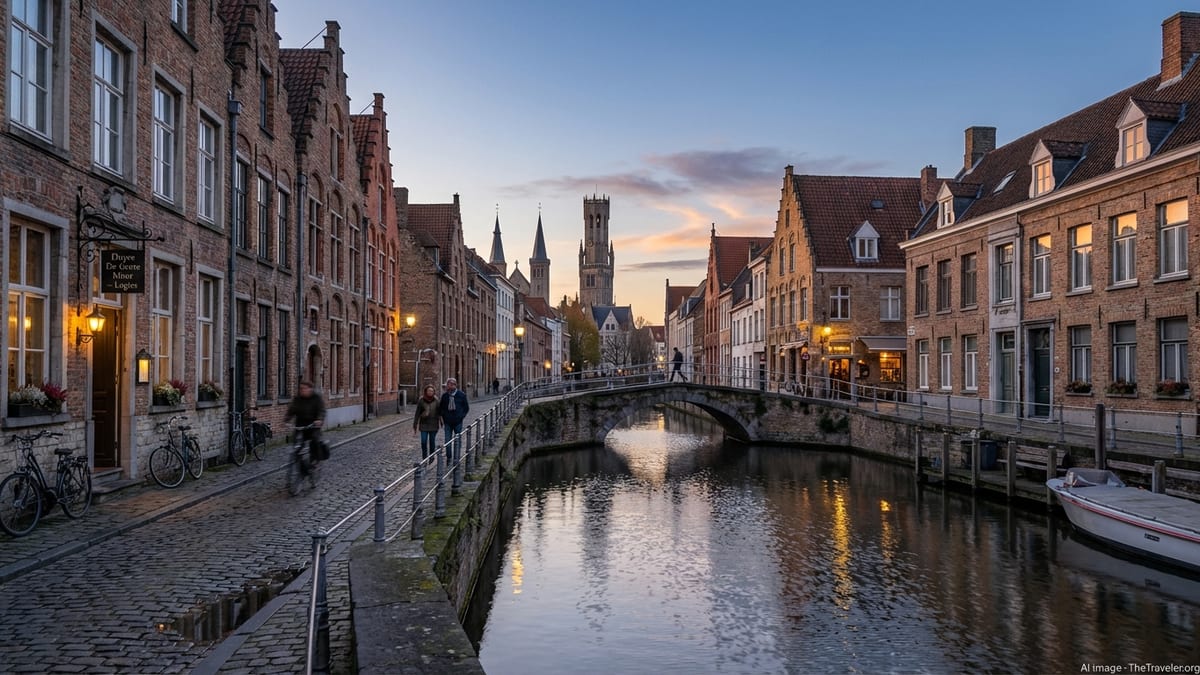
How Bruges Is Laid Out and How Long You Need
The historic core of Bruges is encircled by a ring of canals and a broad boulevard where the medieval walls once stood. Inside this ring lies the UNESCO listed old town, a largely pedestrian area where most visitors spend their time. Neighborhood names such as Historic Center, Sint-Gillis, Sint-Anna, Magdalena Quarter and Ezelstraat Quarter all sit within or right along this ring, while areas like Sint-Michiels spread just beyond but remain connected by frequent buses, bikes and a short train hop from the main station.
Distances are short. Walking from the train station on the southern edge of the old town to Market Square in the heart of Bruges takes roughly 15 to 20 minutes at a relaxed pace, and many hotels cluster along this route. Most neighborhoods mentioned here put you within a 10 to 15 minute walk of the Belfry, Burg Square, the canals around Rozenhoedkaai and the Bruges beer and chocolate shops that draw so many first time visitors.
For a first stay in Bruges, two nights gives you a snapshot of the city, but three or four nights is ideal. That allows a slower rhythm, time to explore quieter quarters away from the day trippers and possibly a half day trip to nearby Damme or the coast at Zeebrugge. Your choice of neighborhood will matter more if you are staying longer, traveling with children or arriving by car, since local atmosphere, noise and parking become bigger factors.
Historic Center: Best for First Time Visitors and Classic Canals
If you close your eyes and imagine Bruges, you are probably picturing the Historic Center. This is the Binnenstad, the medieval core around Market Square and Burg Square, a dense network of lanes lined with gabled townhouses, churches, museums and canal quays. Staying here puts almost every major sight within a few minutes on foot, from the Belfry and the Basilica of the Holy Blood to the Groeninge Museum and the boats that depart along the Dijver canal.
Travelers who value convenience and atmosphere tend to choose the Historic Center for a first trip. Hotels spread around the Markt and Burg, along the canals near Rozenhoedkaai and on streets such as Steenstraat and Wollestraat. You can step out early to walk the canals before day trippers arrive, then return for a rest in the afternoon before heading back out for a late dinner or a quiet evening beer. It is also where you will find some of the city’s most romantic canal front boutique hotels and its small cluster of five star properties.
The tradeoff is that this is the busiest and often the most expensive place to stay. Nights are generally calm by the standards of large cities, but the sound of church bells, early morning deliveries around the Markt and the occasional event in the main square can disturb very light sleepers. If you want the central location but a softer atmosphere, consider hotels a block or two off the most trafficked lanes, or those facing inner courtyards instead of the square.
The Historic Center works well for couples on a short break, solo travelers who want everything on their doorstep, and visitors arriving without a car. Families can also base themselves here, but may prefer quieter streets around Minnewater Park or Burg rather than the busiest corners of the Markt. If parking is essential or if you are especially sensitive to noise, a nearby neighborhood such as Magdalena or Sint-Gillis can be a better choice.
Magdalena Quarter and Minnewater: Green, Peaceful and Family Friendly
South of the city center, loosely around Minnewater Park and the Begijnhof, the Magdalena Quarter offers a calmer take on historic Bruges. Here you still have cobbled streets and canals, but also a series of parks that make this area especially attractive for families, runners and travelers who like to start or end the day with a quiet stroll. Minnewater Park and its so called Lake of Love, along with nearby Queen Astrid Park and King Albert Park, form a green corridor between the station and the old town.
Hotels in this quarter range from traditional family run guesthouses in restored townhouses to small upscale boutique properties facing gardens or canals. Rooms are often a little larger than in the tightest corners of the old center, and some offer on site parking or easier drop off points, a bonus if you are arriving by car. From here it is roughly a 10 to 15 minute walk to the Markt, and most major sights, such as the Church of Our Lady and the Begijnhof, are just a few minutes away.
Because evenings are generally quieter around Magdalena, it has become a favored base for travelers who want central access without late night noise. Streets near the lake and in the blocks between the Begijnhof and the station tend to feel residential and secure, with a mix of locals and visitors. Cafes and restaurants are fewer than in the very heart of the center, but you will still find enough options for breakfast and dinner within a short walk.
This area makes particular sense for visitors combining Bruges with rail travel, since it sits between the historic center and the station. You can roll your suitcase to your hotel without needing a taxi, yet still stay within the old town’s atmospheric streets. Couples seeking a romantic but peaceful base and parents traveling with children often find the balance here close to ideal.
Sint-Gillis: Local Charm and Quiet Canals
North of the Markt, across a narrow canal, Sint-Gillis feels like a village within the city. The quarter centers on the Church of Saint Giles and spreads along canals such as the Langerei. It has become one of the most recommended areas for travelers who want a more local atmosphere without sacrificing proximity to the sights. You can walk from many Sint-Gillis addresses to the Markt in about 10 to 15 minutes, crossing photogenic bridges and passing quiet squares along the way.
Sint-Gillis blends residential calm with small scale hospitality. Streets host a handful of artisan chocolatiers, cafes, bistros and neighborhood bars where locals mix with visitors. Some of Bruges’ better rated bed and breakfasts and small boutique hotels occupy historic houses here, often with just a few rooms and hosts who are generous with neighborhood tips. Compared with the tight lanes near the Belfry, sidewalks are less crowded and evenings feel distinctly more laid back.
This neighborhood suits travelers who prize tranquility and authenticity. Families often appreciate the green pockets and the slower pace, while couples enjoy canal side walks without the Large tour groups that can crowd central viewpoints in peak season. Prices can be slightly lower on average than those for similar quality rooms right on the Markt, although Sint-Gillis has its share of high end guesthouses as well.
If you choose Sint-Gillis, it is worth checking the exact location of your hotel relative to the outer ring road. The core of the quarter feels intimate and quiet, but a few addresses push out toward busier traffic routes, which can bring more road noise and a less historic setting. Staying close to the canals and the church generally ensures the classic Bruges streetscape many visitors are seeking.
Sint-Anna: Residential, Authentic and Good for Longer Stays
On the east side of the old town, just beyond some of the busiest tourist lanes but still inside the ring, the Sint-Anna Quarter offers a relaxed and residential base. Many Bruges locals live here, and the neighborhood has a strong sense of continuity, with 17th century cottages and narrow cobbled lanes that feel genuinely lived in rather than curated. It is a particularly good choice if you are staying several nights and want to see Bruges beyond the visitor circuit.
Sint-Anna is home to cultural stops such as the Jerusalem Chapel and a lace museum, as well as windmills along the ramparts near Park Kruisvest. During the day, you may find the main streets, including Langestraat, active with local traffic, small boutiques and cafes. In the evening, the quarter tends to quiet down, which appeals to travelers seeking rest after a full day of sightseeing. Walking to the Markt from the heart of Sint-Anna usually takes around 10 to 15 minutes, and the route leads past small canals and squares that are easily overlooked on shorter visits.
Accommodation here leans toward mid range guesthouses, classic small hotels and an increasing number of apartments suitable for families or longer stays. Prices often run lower than in the immediate vicinity of Burg and the Markt, while room sizes and amenities can be generous. Many properties are housed in characterful buildings with wooden beams, steep staircases and small courtyard gardens, so it is worth checking accessibility details if mobility is a concern.
Because it sits slightly off the standard tourist flow, Sint-Anna tends to attract visitors who have been to Bruges before or who prioritize a sense of local life over having a view of the Belfry from their window. Families appreciate the calmer evenings and residential parks, while food focused travelers value the neighborhood’s independent restaurants and bars. It is one of the best areas to experience Bruges as a functioning town as well as a heritage destination.
Ezelstraat Quarter and West Bruges: Budget Friendly and Bohemian
Northwest of the center, the Ezelstraat Quarter unspools along one of Bruges’ historic approach roads, an 800 year old street that linked the city to the countryside. Today, this quarter has a slightly bohemian, youthful feel, with indie boutiques, vintage shops, casual eateries and a few venues that host live music. The presence of hostels and budget hotels makes it popular with backpackers and students, and there is a sociable, lived in atmosphere that contrasts with the more polished core around the Markt.
Staying here keeps you within a 5 to 10 minute walk of the main squares while often bringing costs down. Many of the city’s more affordable private rooms and several well regarded hostels cluster around Ezelstraat and the side streets leading toward the ring. This is a strong base if you are traveling on a tighter budget, prefer a trendier neighborhood or enjoy meeting other travelers in common areas, hostel bars and local cafes.
Because of its mix of residents and visitors, parts of Ezelstraat Quarter can stay active later than quieter residential zones such as Sint-Anna. Noise levels at night vary by street, so light sleepers may want to choose properties located a little away from the busiest corners or from any bars with outdoor seating. Another consideration is proximity to the ring road, which runs nearby; hotels right against this thoroughfare may experience more traffic noise and a less picturesque setting.
On the western side of the old town, near the square of ’t Zand and around the main concert hall, West Bruges offers another practical and often cost effective base. This area sits between the Historic Center and the station, with straightforward bus connections and larger modern hotels that can handle group tours and conferences. While it lacks the instant charm of canal front quarters, it is convenient for travelers arriving by car or train, and it allows you to reach both the Markt and the station on foot without navigating tight medieval streets with luggage.
Staying Near Bruges Station and in Sint-Michiels: Best with a Car
Just outside the old town’s southern edge lies the main train station and, beyond it, the residential municipality of Sint-Michiels. This area is less atmospheric than the quarters inside the canals, but it can be a smart choice in specific situations. If you are arriving late at night, catching an early morning train, or driving and seeking straightforward parking with quick access to the historic center, hotels here strike a practical balance.
Properties around the station and in Sint-Michiels range from simple budget chains to mid range modern hotels with family rooms, parking and facilities such as small pools or play areas. For families visiting attractions like Boudewijn Seapark or planning day trips by car along the Belgian coast, staying here simplifies logistics and avoids the narrow one way lanes of the medieval core. Frequent buses and a pleasant walking route over the ring and into Minnewater Park make the journey into the old town manageable, typically in 15 to 20 minutes.
The main compromise is that you will not be stepping straight out into canals and gabled houses. Instead, you start your day in a more contemporary urban landscape and then transition into the historic center for sightseeing and dining. Some travelers appreciate this division between a quiet, practical base and the busier tourist area, while others prefer to be immersed in the old town at all times, even at a slightly higher cost.
If your stay in Bruges is short and focused solely on the city itself, you may find it more rewarding to choose a neighborhood within the ring, even if room rates are a bit higher. If you are combining Bruges with a wider driving itinerary through Belgium and northern France, or if on site parking is a priority, then Sint-Michiels and the streets around the station can be the most sensible option.
Choosing the Right Bruges Hotel for Your Travel Style
Once you have picked a neighborhood, the next step is finding the right style of accommodation. Bruges leans heavily toward small scale properties. Boutique hotels, historic guesthouses and intimate bed and breakfasts dominate the center, many with fewer than 20 rooms and owners who live on site. There are some larger hotels, particularly around ’t Zand, the station and the edges of the Historic Center, but the city does not have the vast tower blocks of bigger European destinations.
If romance and atmosphere are your top priorities, look for canal side boutique hotels in the Historic Center, Magdalena Quarter or Sint-Gillis. Rooms in these properties often feature exposed beams, fireplaces, leaded windows and views over water or tiled roofs. Some of the highest rated options have only a handful of rooms, so booking well ahead is essential during popular months such as April, May, September and the festive season.
Families may prefer guesthouses and small hotels that offer triple or quad rooms and flexible breakfast arrangements. Areas such as Sint-Anna, Sint-Gillis and Magdalena have a good concentration of family friendly addresses, some with small gardens or access to nearby parks. Apartments and aparthotels are becoming more common, particularly north and east of the center, offering kitchen facilities and space for longer stays; as always, it is wise to check local rules for short term rentals at the time you book, since regulations can evolve.
Budget travelers will find hostels and simpler hotels around Ezelstraat and West Bruges, as well as a few no frills options closer to the station. Shared dormitories help keep costs down, and some hostels feature bars and social events that can be a highlight of a solo trip. For a quieter low cost experience, small two star hotels or private rooms in family run B&Bs on the fringe of the center can strike a balance between price and atmosphere.
The Takeaway
Bruges rewards those who stay overnight. Once day trippers leave, the city’s squares fall quiet, canals reflect lantern light, and the medieval streets feel almost timeless. Where you base yourself will shape how often you experience that side of Bruges and how easily you move between your hotel and the main sights. The Historic Center delivers maximum convenience and classic views, Magdalena and Minnewater bring greenery and calm, Sint-Gillis and Sint-Anna reveal the city’s more local face, and Ezelstraat and West Bruges give budget travelers and younger visitors a sociable, accessible hub.
Because distances are short, you do not need to worry about being far from the action as long as you stay in or close to the ring of canals. Instead, focus on the kind of streets you want to wake up on, the level of noise you can tolerate, and how much character you expect from your accommodation. Whether you are looking for a canalside suite with a four poster bed, a family apartment near a park, or a simple hostel bunk after a long day of wandering, Bruges offers options in each of its distinct quarters. With a little planning, your choice of neighborhood will become part of the experience, not just a place to sleep.
FAQ
Q1. What is the best area to stay in Bruges for first time visitors?
The Historic Center around Market Square and Burg Square is usually best for first time visitors, because it puts almost all major attractions, canal tours, museums and restaurants within a short walk of your hotel.
Q2. Is Bruges walkable enough that the neighborhood does not matter?
Bruges is extremely walkable, and most neighborhoods inside the ring are within 10 to 20 minutes of the main squares, but the neighborhood still matters for atmosphere, noise levels, price and access to parks or parking.
Q3. Where should I stay in Bruges if I am traveling with children?
Families often do well in the Magdalena Quarter near Minnewater Park, or in quieter residential areas such as Sint-Anna and Sint-Gillis, which offer calmer evenings, nearby green spaces and a more local feel while remaining close to the center.
Q4. Which area is best for couples on a romantic city break?
Couples seeking romance usually favor canal side hotels in the Historic Center, Magdalena Quarter or Sint-Gillis, where you can book characterful rooms in historic buildings and walk to scenic spots such as Rozenhoedkaai and the Lake of Love.
Q5. What is a good area in Bruges for budget travelers and backpackers?
Budget travelers tend to gravitate toward the Ezelstraat Quarter and West Bruges near ’t Zand, where there are several hostels and budget hotels, as well as simple guesthouses that are still within walking distance of the Markt.
Q6. Is it worth staying near Bruges train station instead of inside the old town?
Staying near the station or in nearby Sint-Michiels is worthwhile if you have a car, very early or late trains, or plan to visit attractions outside the center, but if your focus is seeing Bruges itself, most visitors prefer to stay inside the ring.
Q7. Are there noisy areas in Bruges that light sleepers should avoid?
Light sleepers may want to avoid hotels directly on Market Square or right above busy bars and restaurants, and should consider rooms facing inner courtyards or quieter streets in areas like Sint-Anna, Sint-Gillis or the lanes around Minnewater.
Q8. How far in advance should I book a hotel in Bruges?
For peak periods such as spring weekends, summer and the Christmas season, it is wise to book several months in advance, especially for small boutique hotels and popular bed and breakfasts with limited rooms.
Q9. Is it easy to park if I stay in the Historic Center?
Parking inside the Historic Center is limited and can be expensive, so visitors with cars often choose hotels with dedicated parking on the edges of the center, stay near the station or in Sint-Michiels, or use city car parks and then walk to their accommodation.
Q10. Which neighborhood should I choose if I plan a longer stay in Bruges?
For longer stays of three nights or more, many travelers enjoy residential quarters such as Sint-Anna and Sint-Gillis, which balance access to the main sights with a more local rhythm, quieter evenings and a good selection of mid range guesthouses and apartments.