

Choosing where to stay in Greece is less about finding a single perfect island and more about matching your base to the kind of trip you want. Whether you dream of dancing until sunrise, wandering through ancient lanes after a day on the sand, or waking up steps from a quiet cove, different regions of Greece cater to very different styles of travel. This guide breaks down the best areas to stay for beaches, nightlife, and culture, and shows you how to combine them in one unforgettable itinerary.
Understanding Greece’s Island Regions and Seasons
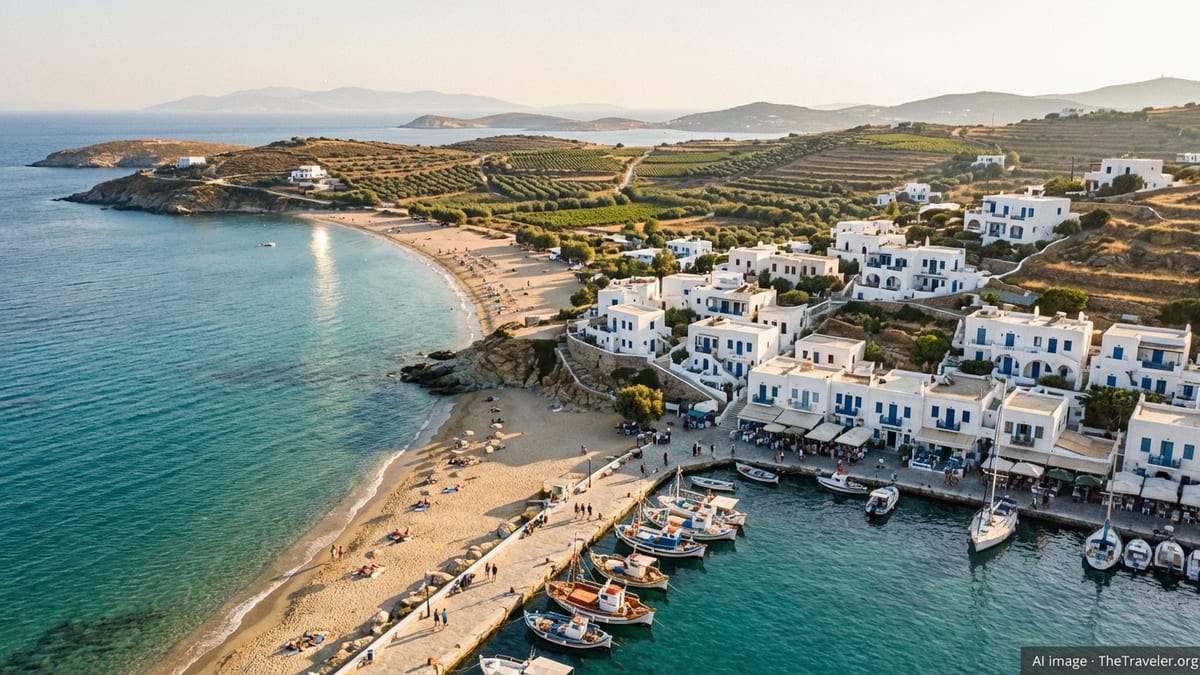
Before you pick a specific town or island, it helps to understand how Greece is laid out and when it shines. Most visitors gravitate toward the Aegean Sea, home to the Cyclades and Dodecanese islands, or the Ionian Sea off the country’s west coast. Each region has its own character. The Cyclades, which include Mykonos, Santorini, Paros, Naxos, and Ios, are famous for whitewashed villages and strong summer winds that help keep temperatures comfortable. Crete, Greece’s largest island, offers a self-contained world of beaches, mountains, and archaeological sites. The Ionian islands such as Zakynthos and Corfu feel greener and lusher, with calmer seas and often more sheltered bays.
Seasonality is crucial when choosing where to stay. The classic high season runs from late June through August, when ferries are frequent, nightlife is in full swing, and prices peak. Shoulder months such as May, early June, September, and early October often strike the best balance of warm seas, manageable crowds, and slightly lower rates. Some islands, especially party-focused spots and smaller destinations, go very quiet or largely close in winter, while big cities like Athens and Thessaloniki remain lively year-round. If nightlife is a priority, arriving in July or August will give you maximum choice; for a culture-and-beach mix, June and September are often more comfortable.
Accessibility is another factor. Athens is the main international gateway, and from here you can connect by domestic flight or ferry to most islands. Islands with airports, such as Mykonos, Santorini, Rhodes, Crete, Corfu, and Zakynthos, are easier for short trips. Smaller islands without airports usually require at least one ferry leg, which can add travel time but often rewards you with fewer crowds and more authentic village life. Thinking about your tolerance for connections and your total holiday length will help you decide how far to roam.
Finally, consider how much you want to move around. It is tempting to hop between many islands, but changing bases always takes longer than it looks on a map. For a one-week break, one or two bases is usually enough. With 10 to 14 days, you can comfortably combine a party island with a quieter cultural base and perhaps a city stay at the beginning or end. Greece rewards both slow, single-island stays and more ambitious island-hopping; the best choice comes down to your travel style.
Best Places to Stay in Greece for Beaches
Greece has thousands of islands and an enormous mainland coastline, so almost anywhere you go you will find water. Yet certain islands consistently stand out for the quality and variety of their beaches. In the Cyclades, Naxos has become a favorite among beach-focused travelers. Long, sandy stretches such as Agios Prokopios and Plaka are repeatedly highlighted for their golden sand and shallow, calm waters, making them especially appealing to families and casual swimmers. Slightly windier spots like Mikri Vigla draw windsurfers and kitesurfers, so you can choose between serene or sporty simply by moving a few kilometers along the coast.
Another island that has been drawing beach lovers is Milos, known for its extraordinary coastal geology and more than 60 distinct swimming spots. Places like Sarakiniko, with its smooth white rock and turquoise water, and Kleftiko, reachable only by boat, offer a much more dramatic setting than you will find on most typical resort beaches. Milos does not have the intense nightlife of Mykonos or Ios, but for travelers whose priority is swimming at a different bay every day and taking boat trips to sea caves, it is hard to beat. Accommodation ranges from small family-run pensions to stylish boutique hotels, many clustered around the main hub of Adamas and the hilltop village of Plaka.
On the Ionian side, Zakynthos (often called Zante) ranks as one of the most photographed islands in Greece, thanks to its cliff-framed Navagio (Shipwreck) Beach. The island offers a clear split between lively coastal resorts and quieter, more natural areas. The south, especially around Laganas Bay, has broad sandy beaches and relatively shallow water, while also acting as an important nesting ground for loggerhead sea turtles. The north and west coasts are more rugged, with viewpoints over dramatic white cliffs and smaller coves accessible by boat. This mix makes Zakynthos appealing if you want classic beach days but also scenic drives and boat excursions.
Crete, because of its size, can serve as an all-in-one beach destination. On the western side, the city of Chania is an excellent base for exploring celebrated beaches such as Balos Lagoon, Elafonisi with its pink-tinged sand, and Falasarna. These stretches often appear in lists of Europe’s most beautiful beaches, and while they can be crowded in high season, an early start usually secures a quieter patch of sand. On the south coast of Crete, places like Matala and the region around Sfakia provide a more offbeat experience, with smaller beaches, coastal hiking, and a laid-back tavern scene. If you are willing to rent a car and drive, Crete offers more variety within a single trip than almost any other Greek island.
Where to Stay for Nightlife and Beach Parties
For travelers who want to dance on the sand until dawn, Mykonos remains the most famous choice. Its reputation as Greece’s primary party island is long-established, and its beach clubs and nightspots still draw a global crowd. Areas such as Paradise and Super Paradise Beach are home to large-scale beach clubs with resident and visiting DJs, while Mykonos Town offers a dense concentration of bars and smaller clubs amid its narrow lanes. This is one of the most expensive places in Greece to stay and go out, so it appeals most to those prepared for higher prices in exchange for a very polished party scene and plenty of luxury accommodation.
Those seeking a livelier but more budget-conscious alternative increasingly look to Ios and Malia on Crete. Ios has earned a reputation as a backpacker-friendly party island, with its main town of Chora bursting into life after dark. Bars and small clubs sit shoulder to shoulder in its steep lanes, while Mylopotas Beach hosts popular beach clubs with daytime parties that roll into the night. Unlike Mykonos, accommodation on Ios tends to include more midrange hotels and affordable guesthouses, making it accessible for younger travelers and groups who still want beautiful beaches alongside the nightlife.
On Crete, Malia is well known for its bar-lined strip and dense cluster of clubs, many attracting visitors from across Europe. Just beyond the bright lights of the main street lies a sandy beach that stretches eastward, so you can stay within walking distance of nightlife without sacrificing easy access to the sea. Nearby Stalis and Hersonissos provide slightly quieter alternatives where you can stay in a more relaxed resort and still tap into Malia’s nightlife with a short taxi ride or bus journey. Because Crete is such a large island, you can also combine a few nights in Malia with time in more scenic or cultural areas elsewhere on the island.
If you prefer your nights lively but not necessarily extreme, several islands offer a middle ground. Kos, in the Dodecanese, has a compact but energetic bar scene centered on Kos Town, particularly around its so-called bar street. By day, nearby beaches such as Lambi and Tigaki provide relaxed swimming and water sports. Similarly, Rhodes balances nightlife hotspots with more traditional villages and historic sites. The resort area of Faliraki, a short drive from Rhodes Town, has long been known for its after-dark energy along with a long sandy beach and a major water park. Staying there suits travelers who want plenty of bars and clubs but also easy access to excursions around the island.
Staying in Greece for Culture and History With Sea Views
While many visitors head straight for the islands, Greece’s cities and larger islands are where you will find the deepest layers of history alongside lively modern culture. Athens is the obvious starting point: staying in central neighborhoods such as Plaka, Koukaki, or Monastiraki puts you close to the Acropolis, major museums, and the city’s café and bar culture. Although Athens itself is not a beach resort, the nearby Athenian Riviera south of the city offers coastal suburbs and resort towns such as Glyfada and Vouliagmeni. Staying here can give you a blend of urban life, seaside promenades, and easy day trips back into the historic center.
Thessaloniki, Greece’s second city, is another strong option for travelers interested in culture and food. Its waterfront promenade, Byzantine churches, and Roman-era monuments create a dense concentration of history in a compact area, and the city has a reputation for excellent dining and a youthful nightlife scene fueled by its large student population. From Thessaloniki, many travelers connect onwards to the Halkidiki peninsula, which has grown in popularity for its combination of pine-backed beaches, small resort towns, and access to traditional villages inland. This makes it an increasingly attractive option for those who want a cultural city stay followed by a quieter beach base.
On the islands, Crete again stands out for cultural travelers. Chania and Heraklion both serve as gateways to major archaeological sites. Heraklion is close to the Palace of Knossos, an emblematic Minoan site, while Chania’s old town reflects Venetian and Ottoman influences in its architecture and harbor. Inland villages preserve traditional stone houses, working farms, and local festivals, giving you a taste of everyday Cretan life alongside museum visits and beach days. Staying in these towns allows you to take day trips to both historical sites and rural communities, then return to waterfront dinners in the evening.
For a different take on culture with sea views, consider Rhodes and Corfu. Rhodes Town’s medieval old city is one of the best-preserved fortified towns in the Mediterranean, with stone walls, cobbled streets, and grand buildings that recall its long history as a strategic outpost. At the same time, seaside resorts elsewhere on the island give you easy access to sandy beaches and calm bays. Corfu Town, meanwhile, displays a strong Italian and British influence, reflected in its pastel-colored mansions, arcaded squares, and leafy cricket pitch. Staying in or near these historic centers lets you walk to museums and monuments, then reach beaches by local bus, taxi, or short drives.
Balanced Bases: Where Beaches, Nightlife, and Culture Meet
Some Greek destinations stand out not because they dominate in one category, but because they offer a satisfying mix of all three: beach, nightlife, and culture. Santorini is a prime example. Its clifftop towns of Fira and Oia are world-famous for caldera views and sunset cocktails, and Fira in particular has a lively bar scene that stays open late in summer. At the same time, Santorini offers historic sites such as the Bronze Age settlement of Akrotiri and traditional villages like Pyrgos that feel far removed from the island’s more polished, high-end areas. Its beaches, primarily on the eastern and southern coasts, are distinctive for their dark volcanic sand and pebbles more than for white sand, but they remain perfectly suited to swimming, water sports, and leisurely days by the sea.
Paros has quietly grown into another strong all-rounder. Its main town, Parikia, and the stylish fishing village of Naoussa both provide access to sandy beaches, tavern-lined harbors, and a bar scene that is lively without feeling overwhelming. Naoussa in particular has become known for atmospheric cocktail bars set in old stone buildings, attracting both couples and groups of friends. Inland, small villages and monasteries offer a look at traditional Cycladic life, while day trips to neighboring Antiparos or boat tours around the island add variety to a week-long stay.
Naxos, mentioned earlier for its beaches, also delivers a good balance. Naxos Town sprawls around a waterfront promenade overlooked by a Venetian fortress, and its backstreets are packed with tavernas, bars, and small shops. After dark, the town feels animated but generally more relaxed than dedicated party islands, making it well suited to travelers who want to stay out late without being in the middle of a clubbing scene. Day trips into the island’s mountain villages, where stone towers and small churches sit among terraced hillsides, round out the cultural side of a stay here.
On the Ionian side, Corfu can play a similar role. Corfu Town anchors the island with its UNESCO-listed old quarter, while coastal resorts such as Benitses and Paleokastritsa provide beach access and low-key nightlife. Visitors can divide their time between wandering cobbled lanes, swimming in sheltered bays, and enjoying long dinners by the water. Combining Corfu with a mainland city like Athens or Thessaloniki can produce a very rounded itinerary where every few days feel different without requiring excessive travel.
How to Match Greek Destinations to Your Travel Style
When weighing where to stay, it can help to start with your priorities rather than a specific island name. If your ideal trip centers on late nights, DJ sets, and social energy, then islands and towns known for concentrated nightlife deserve a close look. Mykonos and Ios stand at the top of this list, followed by Malia on Crete, Laganas on Zakynthos, and Faliraki on Rhodes. These places are designed around going out, with accommodation, beach bars, and clubs working together to create a nearly continuous flow from daytime beach life to evening bar crawls and late-night clubs. For many visitors in their twenties and early thirties, these are exactly the environments they seek.
Travelers who prefer a more blended or low-key nightlife can deliberately choose destinations one step removed from the most intense party hubs. Staying in Naoussa on Paros, Naxos Town, Fira on Santorini, or Kos Town offers plenty of places to drink and dance without the sense that nightlife is the only focus. Crete’s Chania and Heraklion, and Rhodes Town away from Faliraki, also provide this middle ground, with vibrant restaurant and bar scenes that coexist with family travelers and older visitors. These areas are particularly good for mixed-age groups and couples who want variety without extremes.
If you are mainly a culture seeker who still wants daily swims, look for towns where heritage and the sea are close together. Athens combined with a stay on the Athenian Riviera, Chania on Crete, Rhodes Town, Corfu Town, and even smaller island capitals like Ermoupoli on Syros or the town of Chios on the island of the same name are promising options. In these places, you can spend mornings in museums or at archaeological sites, then transition to a beach or waterfront café in the afternoon. Nightlife exists, but it centers more on lingering dinners, wine bars, and occasional live music than on large clubs.
Budget also plays a role in your decision. The most famous islands, particularly Mykonos and Santorini, generally command higher prices for food, accommodation, and nightlife. Travelers seeking more value often do better on Naxos, Paros, Ios, Crete, Kos, and some of the emerging destinations such as Tinos or Milos that mix character and beaches without being exclusively high-end. Choosing a base a short distance outside the most iconic town on any given island can also reduce costs. For example, staying in a coastal village near Fira on Santorini or near Mykonos Town rather than in the absolute center can provide similar access with a gentler price tag.
The Takeaway
There is no single best place to stay in Greece for beaches, nightlife, and culture, but there is almost certainly a best place for you. The key is to be honest about what you want most from your time away. If nonstop parties and glamorous beach clubs are your dream, base yourself on a party-focused island such as Mykonos, Ios, or in Malia on Crete and accept the higher energy and prices as part of the experience. If you care more about long, relaxed days on uncrowded sand with only occasional nights out, islands such as Naxos, Paros, Milos, or quieter corners of Zakynthos and Corfu will likely feel closer to your ideal.
For travelers drawn to history and culture, anchoring your trip in cities like Athens or Thessaloniki, or in historic island towns like Chania, Rhodes Town, or Corfu Town, ensures that every day can include museums, markets, and local neighborhoods, with the sea never far away. Combining a cultural hub with a second base on a nearby island or peninsula can give you a rich, layered trip without demanding too many long ferry rides. In a country where ancient temples stand within sight of beach bars and fishing villages sit a short drive from resort strips, you rarely have to choose between culture and the coast.
Ultimately, thinking in terms of travel style rather than chasing a single famous name will help you build a Greek itinerary that fits the way you actually like to travel. Whether you end your nights under a disco ball, on a quiet terrace with a view of the harbor, or walking back to a guesthouse along a beach road, the right base will make everyday experiences easier and more enjoyable. With a little planning, Greece will give you the best of its shoreline, its nightlife, and its deep cultural heritage in a single journey.
FAQ
Q1. What is the best Greek island if I want both big nightlife and great beaches?
Mykonos remains the most concentrated mix of high-energy nightlife and organized beach clubs, while Ios and Malia on Crete offer a more budget-friendly but still lively alternative.
Q2. Where should I stay in Greece for calmer beaches but some evening buzz?
Naxos Town, Naoussa on Paros, and Fira on Santorini provide sandy beaches within easy reach and plenty of bars and restaurants without an overwhelming clubbing scene.
Q3. Which places are best if I care more about culture and history than nightlife?
Athens, Thessaloniki, Chania, Heraklion, Rhodes Town, and Corfu Town are strong choices, combining major historical sites with walkable neighborhoods and coastal access.
Q4. What is a good first-time itinerary that balances beaches, nightlife, and culture?
A popular approach is to start with two or three nights in Athens, continue to an island like Naxos, Paros, or Santorini for beaches and moderate nightlife, and optionally add a few nights on a party island if that appeals.
Q5. When is the best time to visit Greece if I want nightlife but fewer crowds?
Late June and September usually offer active nightlife with slightly fewer crowds and somewhat lower prices than the peak of July and August, though specific dates vary year to year.
Q6. Is it better to stay in one place or hop between several islands?
For a week-long trip, one or two bases typically provide a more relaxed experience, while 10 to 14 days allows you to combine a cultural city, a beach island, and possibly a dedicated party spot.
Q7. Which Greek destinations are more budget-friendly for young travelers?
Ios, Kos, parts of Crete such as Malia and Hersonissos, and larger islands like Naxos and Paros often offer more affordable accommodation and nightlife options than Mykonos or central Santorini.
Q8. Can I combine mainland culture with an island beach stay easily?
Yes, it is straightforward to pair Athens with islands such as Naxos, Paros, Mykonos, or Santorini, and Thessaloniki with the Halkidiki peninsula or nearby islands, thanks to regular flights and ferries in season.
Q9. Are there Greek islands that stay lively outside the main summer months?
Larger islands and cities such as Crete, Rhodes, Corfu, and of course Athens and Thessaloniki have more year-round populations and services, though nightlife is still quieter than in peak summer.
Q10. How far in advance should I book accommodation in popular nightlife areas?
For July and August stays in Mykonos, Santorini, Ios, and major resorts on Crete or Zakynthos, booking several months ahead is wise, especially for well-located or budget-friendly options.