

Manitoba is vast, wild and surprisingly diverse, with stays that range from stylish city hotels to cozy lake cabins and remote northern lodges. Choosing the right base can shape your entire experience, whether you want Indigenous culture and galleries in Winnipeg, polar bear trips near Churchill, cottage country escapes in Whiteshell or prairie hiking in Riding Mountain National Park. This guide breaks down the best regions and cities in Manitoba for different travel styles so you can match where you stay with what you love to do.
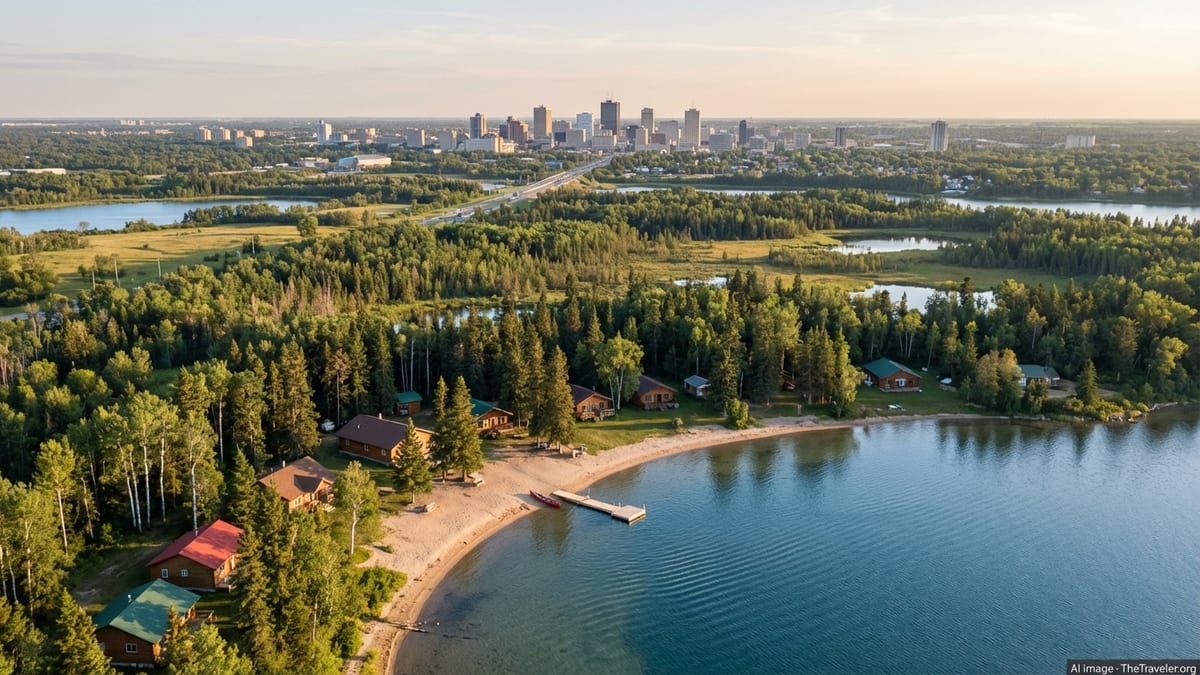
Winnipeg: Best for First-Time Visitors and Culture Lovers
Winnipeg is the obvious starting point for most trips to Manitoba and an ideal base for first-time visitors. The city concentrates many of the province’s headline attractions, including major museums, performing arts venues and a fast-evolving food scene. Staying here works especially well if you are flying in, relying on public transport or planning day trips to nearby parks like Birds Hill or Grand Beach. The urban grid is compact enough that you can explore on foot or by rideshare, yet big enough to offer distinct neighbourhoods with different personalities.
Downtown and The Forks area are the most practical choices if you want to be close to major sights and transit. The Forks is a historic riverside meeting place turned mixed-use hub, with indoor market spaces, restaurants, riverwalks and seasonal events. Nights here tend to be lively but not overwhelming, and many properties sit within easy walking distance of the Canadian Museum for Human Rights and the central business district. This zone suits visitors who want a balanced mix of culture, convenience and short commutes to elsewhere in the city.
Just north of downtown, the Exchange District appeals to design-minded travelers who like staying amid historic architecture and creative businesses. Warehouses from the late 19th and early 20th centuries now house loft-style accommodations, galleries, independent restaurants and bars. The area has become one of Winnipeg’s trendiest enclaves, regularly highlighted in lifestyle publications for its mix of heritage streetscapes and contemporary culture. Choose this district if you prioritize atmosphere, walkability and nightlife over green space and suburban calm.
South of the Assiniboine River, Osborne Village and Corydon Avenue attract travelers who prefer a bohemian or café-centric vibe. These residential neighbourhoods offer smaller hotels and guesthouses within walking distance of boutiques, music venues and a dense lineup of independent eateries. They can be a good fit if you plan a longer stay, want to live more like a local, or value easy access to both downtown and parks such as Assiniboine Park. Families may gravitate to quieter pockets near the park, while younger visitors and couples often pick streets that stay active into the evening.
Churchill and the North: Best for Wildlife and Winter Adventure
For many travelers, the name Manitoba instantly conjures images of polar bears patrolling the shores of Hudson Bay. Reaching Churchill, on the province’s northern coast, takes commitment by plane or train, but the experience is unlike anywhere else in Canada. This small community serves as the primary gateway for viewing polar bears in autumn, beluga whales in summer and the northern lights on clear winter nights. Where you stay here hinges on what type of wildlife experience you want and how close you prefer to be to town.
Within Churchill itself, small hotels, inns and guesthouses line a handful of streets, often family-run and deeply embedded in the local community. Stays in town offer the most flexibility, with easy access to grocery stores, cafés and tour operators that coordinate everything from tundra buggy outings to cultural experiences with Indigenous guides. This style of base works particularly well for solo travelers, photographers and visitors on structured packages who still want to explore the town independently between excursions.
Outside town, more remote lodges and seasonal camps position guests closer to prime wildlife-viewing areas. Some specialize in polar bear encounters on the tundra, others focus on beluga watching or multi-day northern lights photography. These off-grid properties often include guided activities, meals and transfers bundled into the rate. They suit travelers who value immersion in the environment, do not mind limited connectivity and want their days planned around the natural rhythms of the bay and the animals.
Given Churchill’s limited capacity and short peak seasons, bookings often fill many months in advance. Travelers seeking shoulder-season quiet should be ready for fewer tour departures and reduced services, but rewards include more personal time with guides and a deeper sense of the community’s year-round life. In all cases, be prepared for changing weather, layered clothing needs and the reality that in this part of Manitoba, nature rather than timetables sets the pace.
Riding Mountain National Park: Best for Lakeside Cabins and Family Road Trips
Riding Mountain National Park, roughly a few hours northwest of Winnipeg by car, offers a classic Canadian mix of lakes, forests and rolling hills set atop the Manitoba escarpment. Visitors come here for hiking, cycling, wildlife viewing and time on the water, often combining camping or cabin stays with trips to nearby prairie towns. The heart of the park is the Clear Lake area around Wasagaming, a charming lakeside townsite that doubles as the main service hub.
Staying in or near Wasagaming places you within walking distance of the beach, marina, restaurants and seasonal shops. The townsite features a range of park-run campgrounds, oTENTik tents and other roofed accommodations along with privately operated motels, resorts and cabin clusters. Many properties cater to families with playgrounds, open lawns and easy access to shallow swimming areas, while others aim at couples seeking quieter lake views and firepit evenings under the stars.
Travelers who prefer a more rustic experience can look at smaller campgrounds and lakes around the park that sit away from the bustle of Clear Lake. These areas provide a sense of seclusion, with wooded campsites and trailheads close at hand. They are well suited to hikers, paddlers and anyone comfortable being self-sufficient in a park setting. Basic supplies are available in Wasagaming and nearby communities, but planning ahead is important, particularly outside the peak summer months when some services scale back.
Riding Mountain also works as a base for road trippers exploring western Manitoba. Communities such as Dauphin and Neepawa provide additional lodging and dining options just outside park boundaries, which can be appealing during busy long weekends. Wherever you stay, remember that this is wildlife country, with regular guidance about food storage and campsite cleanliness. Respecting those guidelines keeps both visitors and animals safe and helps preserve the laid-back, family friendly atmosphere that draws people back to the park year after year.
Whiteshell and Eastern Manitoba: Best for Cottage Country and Active Outdoors
East of Winnipeg toward the Ontario border, Whiteshell Provincial Park and the surrounding lake district form Manitoba’s classic cottage country. Here the Canadian Shield emerges in granite outcrops, pine forests and chains of interconnected lakes. The atmosphere is slower and more contemplative than in the city, but the range of outdoor activities is broad, from paddling and fishing to hiking, cycling and winter snow sports. Travelers often return to the same resort or cabin year after year, building traditions around long weekends and summer holidays.
Within Whiteshell, the main decision is whether to stay in a developed lakeside community with a small townsite feel or opt for a quieter cabin or campground tucked along a secondary road. Developed areas around lakes such as Falcon, West Hawk, Brereton or Big Whiteshell tend to have a mix of lodges, rental cabins, trailer sites and public campgrounds. Many offer beaches, boat launches, playgrounds and casual dining, making them excellent choices for families with children or groups who want structured activities close at hand.
More secluded cabins and smaller resorts are scattered on side roads and peninsulas, often with direct water access and private docks. These stays suit visitors who value privacy, starry skies and early morning paddles more than nightlife. They can also be a good fit for writers, remote workers and long-stay guests looking for quiet surroundings within a manageable drive of Winnipeg. In many cases you will need to bring most of your groceries and supplies, since retail and restaurant options thin out away from the main hubs.
Whiteshell’s location along the Trans Canada Highway makes it an easy addition to a cross-country road trip or an accessible nature escape from Winnipeg. Other eastern Manitoba parks, including Grand Beach Provincial Park with its broad sand shoreline on Lake Winnipeg, follow a similar pattern of small beach communities near campgrounds and cottage clusters set back in the trees. Deciding where to stay in this region ultimately comes down to how social or secluded you want your days by the lake to feel.
Southern Lakes and Prairie Towns: Best for Road Trips and Summer Escapes
Beyond the major parks, southern and central Manitoba are dotted with smaller lakes, agricultural communities and regional hubs that reward unhurried exploration. Travelers who enjoy long drives, small town festivals and prairie scenery will find plenty of places to break up a journey or linger for a quiet holiday. Stays here tend to be modest in scale, with local hotels, motels, bed and breakfasts and occasional boutique properties built into historic buildings.
Lake destinations such as Grand Beach on Lake Winnipeg, and other regional beaches, see their busiest periods in summer when Manitobans flock to the water. In these spots, campgrounds and seasonal cabin rentals often sit alongside simple motels and family-run resorts. They are popular with families towing boats or campers, and with groups looking for affordable getaways where the main attraction is sun, sand and shallow water rather than elaborate resort amenities.
Inland towns like Brandon, Portage la Prairie and Steinbach function as service centers and travel bases for nearby parks, golf courses and historic sites. They typically offer a wider choice of chain hotels, independent motels and short term rentals than you will find in rural hamlets, along with more consistent dining and shopping. These towns make practical overnight stops on cross province drives and can also serve as low key weekend destinations in their own right, especially when local events or sports tournaments are underway.
Travelers who seek a sense of everyday prairie life will appreciate how staying in smaller Manitoba towns reveals local rhythms that big city visits often miss. Morning coffee rituals at independent cafés, community markets and casual conversations in hotel lobbies all shape an understanding of the province beyond its marquee attractions. Stays here are less likely to be about polished amenities and more about simple comfort, warm hospitality and easy access to the surrounding countryside.
Choosing the Right Manitoba Base for Your Travel Style
Because Manitoba spans urban centers, farm country, boreal forest and Arctic coastline, choosing where to stay is less about locating a single must-see spot and more about aligning your base with your interests and time frame. Culture-focused travelers may be happiest devoting several days to Winnipeg, then adding short excursions to nearby parks or lake communities. Wildlife enthusiasts often prioritize Churchill and the remote north, accepting higher costs and more complex logistics in exchange for once in a lifetime encounters with polar bears, belugas or the northern lights.
Families and road trippers, by contrast, tend to favor destinations with straightforward driving routes, reliable services and a mix of indoor and outdoor activities suited to different ages. Areas such as Riding Mountain, Whiteshell and the southern lakes fit that bill, with campgrounds, cabin clusters and small resorts that have grown up around safe swimming areas and beginner friendly trails. These hubs make it easy to shift plans based on the weather, with options ranging from beach days to nature center visits or short hikes through the forest.
Adventurous travelers who value solitude might design an itinerary that strings together several regions, for example starting in Winnipeg, spending time in Whiteshell or Riding Mountain, then continuing north to Churchill or on to remote backcountry lodges. In such cases, the quality of your planning matters more than the luxury level of your accommodation. Checking seasonal opening dates, park permit requirements and transportation schedules can prevent surprises, particularly in spring and autumn when operations transition between summer and winter modes.
Whatever your travel style, it helps to think about Manitoba’s stays in terms of experiences rather than star ratings. A historic loft in downtown Winnipeg, a simple lakeside cabin in Whiteshell and a tundra lodge outside Churchill each deliver something different. By matching your chosen base to the landscapes and activities that excite you most, you give yourself the best chance of seeing the province at its most rewarding.
The Takeaway
Deciding where to stay in Manitoba starts with understanding just how varied the province is. Winnipeg anchors the south with galleries, museums and lively neighbourhoods, ideal for culture seekers and first-time visitors. To the north, Churchill and the surrounding tundra offer wildlife encounters that rank among the most dramatic in the world, from polar bears to winter skies ablaze with aurora. Between those poles lie lake districts, prairie towns and national and provincial parks that cater to campers, cabin lovers and road trippers in search of quiet spaces and dark night skies.
No single base works for every traveler, but each of Manitoba’s key regions has strengths that align naturally with particular travel styles. Urban explorers can thrive on a long weekend in Winnipeg, while families may find their perfect summer rhythm around Clear Lake or Whiteshell’s beach communities. Adventure oriented visitors who hope to see the province’s wildest corners might plan a longer journey that knits together city comforts, rustic lakeside stays and remote northern lodges.
Accommodation standards across the province range from simple to stylish, yet what consistently stands out is the sense of welcome in even the most modest inns and guesthouses. Whether you are sharing stories with fellow travelers over coffee in a Churchill hotel lobby or chatting with cabin owners on a dock at dusk, staying in Manitoba often feels less like passing through and more like being invited in. Choose your base thoughtfully, and the place you sleep becomes as memorable a part of your trip as the landscapes and wildlife outside your door.
FAQ
Q1. What is the best area to stay in Manitoba for a first visit?
For a first trip, staying in Winnipeg works well because it offers major museums, diverse dining and good transport links, with easy day trips to nearby parks.
Q2. Where should I stay in Manitoba to see polar bears?
Churchill is the primary base for polar bear viewing, with hotels and guesthouses in town and more remote tundra lodges that focus on guided wildlife experiences.
Q3. Is it better to stay downtown or in neighbourhoods like Osborne Village in Winnipeg?
Downtown and The Forks are most convenient for major sights, while Osborne Village and nearby areas suit visitors who prefer a residential, café oriented atmosphere.
Q4. What is the best place to stay in Manitoba for lakes and cabins?
Riding Mountain National Park and Whiteshell Provincial Park are top choices, with a wide range of cabins, campgrounds and small resorts clustered around popular lakes.
Q5. Can I visit Churchill as a budget traveler?
Churchill is relatively expensive due to its remoteness, but staying in town hotels or guesthouses and choosing shorter tours can help keep costs more manageable.
Q6. Do I need a car to get around if I stay in Winnipeg?
You can explore central Winnipeg without a car using walking, transit and rideshares, but renting a vehicle helps if you plan day trips to beaches or provincial parks.
Q7. When should I book accommodation for peak summer in Manitoba parks?
For popular spots like Clear Lake, Whiteshell and Grand Beach, it is wise to book months ahead, especially for weekends, holidays and serviced campsites.
Q8. Are Manitoba’s lake resorts suitable for families with young children?
Yes, many lake areas feature shallow beaches, playgrounds and gentle walking trails, making them well suited to families with younger kids.
Q9. What kind of stays are available in smaller Manitoba towns?
Most regional towns offer simple hotels, motels and bed and breakfasts that provide practical bases for road trips and local events rather than resort style amenities.
Q10. Is it possible to combine city, lakes and Churchill in one trip?
It is possible if you have enough time and budget, often starting with a few nights in Winnipeg, then visiting a lake region before flying north to Churchill.