

Minnesota is far more than lakes and snow. It is a state of distinct regions, each with its own personality, scenery, and style of lodging. Whether you are planning a long weekend in the cities, a family lake vacation, a scenic North Shore road trip, or a quiet winter escape, choosing the right base can define your entire experience. This guide breaks down where to stay in Minnesota for different types of trips, focusing on real-world logistics, local character, and the kinds of accommodations you will actually find on the ground.
Twin Cities: Best for First-Time Visitors and Urban Getaways
The Minneapolis–Saint Paul metro area is the natural starting point for many Minnesota trips. It offers the broadest mix of accommodations, from business hotels and boutique properties to vacation rentals and quiet residential stays. If it is your first time in the state, basing yourself in the Twin Cities makes it easy to sample museums, breweries, parks, and major sports venues without driving long distances.
Downtown Minneapolis suits travelers who want walkable access to big-city amenities. Here you will find high-rise hotels connected by the climate-controlled skyway system, which is especially convenient in winter. This central grid places you within easy reach of the Mississippi riverfront, the theater district, and light-rail connections to the airport and Mall of America.
Saint Paul, the smaller and older of the two cities, has a quieter, more historic feel. Accommodations cluster around the compact downtown near the Capitol and riverfront, as well as in neighborhoods like Cathedral Hill and Lowertown. If you prefer tree-lined streets, Victorian architecture, and character-rich small hotels or inns, Saint Paul is often the better base.
For visitors focused on shopping and family attractions, the area around Mall of America in Bloomington is practical. Hotels here range from simple and budget friendly to full-service properties with pools and water features. The location near the airport and light rail makes it an efficient one or two-night stop at the beginning or end of a longer Minnesota itinerary.
North Shore and Duluth: Best for Scenery, Hiking, and Lake Superior
The North Shore of Lake Superior, stretching northeast from Duluth toward the Canadian border, is one of Minnesota’s signature road trips. Duluth itself functions as the gateway city, with a working harbor, revitalized warehouses, and a growing mix of boutique and chain hotels. Staying in the Canal Park or downtown hillside areas puts you close to the lakewalk, restaurants, and the lift bridge that frames the harbor entrance.
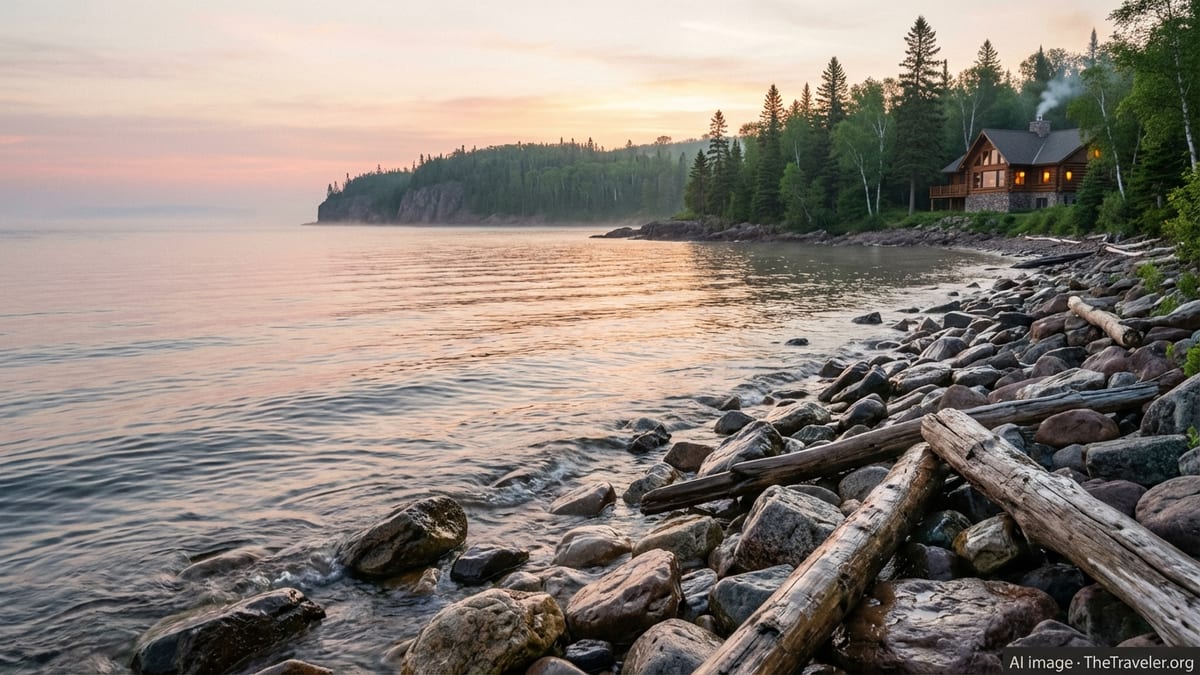
Once you leave Duluth, lodging shifts toward classic North Shore styles: shoreline lodges, modern cabins, compact motels, and small inns woven along Highway 61. Many properties sit directly on the rocky shoreline or just above it, giving you front-row sunrise views over Lake Superior. Upscale resorts and historic lodges around communities like Two Harbors, Tofte, and Lutsen cater to travelers seeking lake views, fireplaces, and easy access to hiking and ski areas along the Sawtooth Mountains and Superior Hiking Trail.
Farther up the shore near Grand Marais, the atmosphere becomes more artsy and remote. Here, you can stay in modest motels, harbor-view hotels, vacation rentals, or family-run cabins that work well as a base for exploring nearby state parks and the edge of the Boundary Waters region. Availability can be tight in peak summer and during autumn foliage season, so booking far in advance is wise.
Because the North Shore is linear, your choice is less about one central hub and more about how much driving you want to do each day. If you plan to explore many state parks in one trip, consider splitting your stay between Duluth or Two Harbors on the southern end and somewhere around Lutsen or Grand Marais farther north, which reduces daily backtracking on Highway 61.
Central Lakes & Brainerd Area: Best for Classic Lake Vacations
Central Minnesota’s lake country, especially around the Brainerd Lakes area, is where many Minnesotans go for a classic summer vacation. The region is dotted with resorts that range from simple housekeeping cabins to expansive properties with golf courses, marinas, and extensive activity programs. Travelers often come here to slow down, swim, fish, paddle, and spend long evenings around a firepit.
Near Brainerd and Baxter you will find chain hotels suitable for short stays or for travelers who prefer predictable amenities over a full resort experience. These cities also work well as practical bases if you plan to split time between golf, lakes, and attractions such as bike trails or small local amusement parks.
On lakes like Gull Lake and the Whitefish Chain, the focus shifts to multi-day resort stays. Properties here commonly offer a mix of cabins, townhomes, and lodge rooms, with boat rentals, sandy beaches, and on-site dining. Families often return year after year to the same resort, so peak summer weeks can book out months in advance. Shoulder seasons in late spring and early fall are quieter, often with better rates and cooler temperatures for biking and hiking.
If you prefer something more low-key, look at smaller resorts and independent cabins tucked on lesser-known lakes outside the main hubs. These may not have full restaurants or activity staff, but they typically offer privacy, dark skies, and the feeling of having an entire bay to yourself. This style of stay is ideal for couples, small groups, or anyone seeking a slower, more self-sufficient retreat.
Boundary Waters, North Woods & Itasca: Best for Wilderness and Quiet
Northern Minnesota beyond the North Shore is a landscape of thick forests, glacial lakes, and long horizons. Here, you are choosing between different levels of remoteness. The Boundary Waters Canoe Area Wilderness is the most immersive option, with canoe-in campsites, simple lodges near entry points, and outfitters that help you plan multi-day trips. Stays in this region are less about traditional hotels and more about bunkhouses, rustic cabins, or minimal lodging before and after you head into the wilderness.
Towns like Ely and Grand Marais function as staging points for Boundary Waters trips. They offer small hotels, motels, cabins, and house rentals along with gear shops, cafes, and outfitters. If you want the feel of the North Woods without committing to a multi-night paddle, staying in or near these communities allows for day trips on nearby lakes, short hikes, and evening comforts back in town.
Farther west, Itasca State Park provides a different kind of wilderness stay centered on the headwaters of the Mississippi River. Lodging ranges from modern cabins and park-run lodging to campgrounds and nearby inns. Staying inside or close to the park gives you easy access to its beaches, tall pines, and network of trails. It is especially appealing to families and travelers who want nature immersion without long portages or backcountry logistics.
Throughout the broader North Woods, independently owned resorts dot lakes and forest roads. Expect simple, often vintage-feeling cabins alongside more updated options with modern kitchens and gas fireplaces. Winter stays can be particularly atmospheric, especially for snowmobiling, cross-country skiing, and ice fishing, but you will want to confirm winter road access and heating details before you book.
Southern Minnesota & Bluff Country: Best for Small Towns and Scenic Drives
Southern Minnesota feels quietly different from the lake-filled north. Here, rolling farmland gives way to river valleys, limestone bluffs, and historic towns. If you enjoy scenic drives, wineries, and a slower pace, this region offers an appealing alternative to the better-known northern vacation corridors.
Along the Mississippi River, communities such as Winona and Red Wing feature historic downtowns with a mix of classic hotels, small inns, and vacation rentals in restored buildings. Staying close to the riverfront gives you views of bluffs, easy access to river trails, and proximity to seasonal festivals and concert series. This is a good choice for couples or arts-minded travelers who want gallery visits, live music, and walks rather than high-adrenaline activities.
Deeper into bluff country, compact towns like Lanesboro offer bed-and-breakfasts, small motels, and home rentals near paved bike trails and trout streams. Lodging here tends to be small scale, so weekends during the peak cycling and foliage seasons can book up quickly. Visiting on weekdays or in shoulder months often yields quieter stays and more availability.
Farther west in southern Minnesota, regional centers like Mankato and New Ulm blend practical hotel options with access to state parks and river valleys. These cities work well as bases if you are on a longer road trip across the state and want urban conveniences with easy day trips to waterfalls, bison herds, or vineyards in the surrounding countryside.
St. Croix Valley, Stillwater & Lake Minnetonka: Best for Romantic Escapes
Within an easy drive of the Twin Cities, a cluster of waterfront communities cater to weekend getaways, anniversaries, and quick escapes that still feel special. The St. Croix River Valley, anchored by towns like Stillwater and Afton, is especially popular. Here you will find historic inns, thoughtfully restored hotels, and vacation rentals tucked into hillsides or along the river.
Stillwater in particular mixes 19th-century brick storefronts with river views and a compact downtown. Many accommodations are within walking distance of restaurants, boutiques, and riverside parks, which makes it easy to park the car and explore on foot. This is an appealing choice year-round, but autumn foliage and the December holiday season are especially atmospheric.
Closer to Minneapolis, the Lake Minnetonka area blends resort-town energy with upscale suburbs. Communities such as Wayzata sit directly on the lake and offer stylish hotels, lakeside dining, and easy access to boat charters. Stays here tend to be more polished and contemporary, attracting travelers who want a lake experience paired with short drives back into the city for concerts, sports, or museums.
If you prefer a quieter version of this experience, look for small inns, vacation rentals, or guesthouses on less busy bays around Lake Minnetonka or in wooded pockets of the St. Croix Valley. These properties often emphasize privacy, decks or patios with views, and access to shoreline walking paths. They work particularly well for shoulder-season trips when crowds thin and rates are more approachable.
How to Choose the Right Minnesota Base for Your Trip
Because Minnesota is large and its destinations are spread out, the most important planning decision is usually how many bases to include rather than which single place is best. Attempting to see the Twin Cities, North Shore, Boundary Waters, and southern bluff country in one trip often leads to long days in the car. Instead, most travelers do best by combining two complementary regions and allowing three or more nights in each.
For a first visit that blends city and scenery, pairing the Twin Cities with Duluth and a stretch of the North Shore is a strong choice. If you are more interested in relaxation than sightseeing, a week at a Central Lakes or North Woods resort may be more rewarding than moving every night. Couples who prioritize food, wine, and walkable streets might combine a Twin Cities neighborhood stay with a few nights in Stillwater, Lake Minnetonka, or a southern river town like Red Wing or Winona.
Season matters as much as geography. Summer brings the fullest range of lake activities and festivals, but also higher prices and more competition for popular resorts and cabins. Fall offers color, cooler air, and fewer families on school schedules. Winter can be magical in the right lodging, especially lodges with fireplaces, saunas, and ready access to groomed trails, but demands more attention to driving distances and road conditions.
When comparing specific properties, look beyond headline photos to details that matter in Minnesota’s climate and landscape. Check whether air conditioning is available in older lodges for humid summer nights, confirm heating sources and insulation in cabins you might visit in winter, and scan recent guest feedback for comments about noise, road access, or lake views that match your expectations. These small checks can make the difference between a merely adequate stay and one that feels perfectly matched to your trip.
The Takeaway
Minnesota’s diversity of places to stay reflects the diversity of the state itself. From skyline-view hotels in Minneapolis and Saint Paul to shoreline lodges along Lake Superior and simple cabins tucked into northern forests, you can shape your base around how you want to spend your days. Urban explorers, lake-loving families, road trippers, and solitude seekers will all find corners of the state that feel designed for them.
Because distances are greater than they might appear on a map, taking the time to match your lodging to your priorities pays off. Deciding whether you want walkable restaurants, quiet starry nights, river bluffs, or an easy drive to hiking or ski trails will naturally point you toward one region or another. With a bit of advance planning, you can stitch together city stays, resort time, and small-town overnights into one cohesive journey.
Whatever combination you choose, the places you stay in Minnesota will shape how you remember the state. A window onto Lake Superior, a dock on a calm inland lake, or a room above a historic main street each offers a different perspective on the same landscape. Picking the right base is less about chasing a single “best” destination and more about finding the version of Minnesota that feels right for this particular trip.
FAQ
Q1. What is the best place to stay in Minnesota for a first-time visitor?
For a first trip, many visitors split time between the Twin Cities for museums and dining and Duluth or the North Shore for Lake Superior scenery and state parks.
Q2. Where should I stay in Minnesota for a classic lake vacation?
The Brainerd Lakes and other Central Lakes regions are ideal for traditional lake vacations, with many family-run resorts offering cabins, beaches, and boat rentals.
Q3. What is the best base for exploring the Boundary Waters?
Towns such as Ely and Grand Marais work well as staging points, with simple hotels, cabins, and outfitters that support both day trips and multi-day canoe routes.
Q4. Is Duluth a good place to stay without a car?
Yes, especially if you stay in Canal Park or downtown. You can walk to the lakewalk, restaurants, and attractions, and join guided tours to reach nearby parks.
Q5. Where should couples stay for a romantic weekend in Minnesota?
Stillwater, the St. Croix Valley, and the Lake Minnetonka area are popular for romantic stays, offering historic inns, river or lake views, and walkable dining districts.
Q6. What area is best for fall colors and small-town charm?
Southern Minnesota’s bluff country and the St. Croix River Valley both shine in autumn, with bluff-top views, bike trails, and small towns clustered along river valleys.
Q7. Where can I stay near the headwaters of the Mississippi River?
Staying in or near Itasca State Park places you close to the Mississippi headwaters, with options that include cabins, lodges, and campgrounds in a forest setting.
Q8. Is it better to stay in Minneapolis or Saint Paul?
Minneapolis suits travelers who want a busier downtown and nightlife, while Saint Paul appeals to those who prefer historic districts and a quieter, small-city atmosphere.
Q9. How far in advance should I book Minnesota lake or North Shore lodging?
For peak summer and autumn foliage, booking several months ahead is wise, especially for popular resorts, cabins, and properties directly on lakes or Lake Superior.
Q10. Can I combine city, lake, and wilderness stays in one Minnesota trip?
Yes. A common plan is a few nights in the Twin Cities, followed by several nights at a lake or North Shore lodge, and, time permitting, a short North Woods or Boundary Waters stay.