

New England rewards travelers who slow down. Its compact size hides a remarkable variety of places to stay, from shingled inns in salt-sprayed harbors to design-forward city hotels and hilltop lodges wrapped in forest and stone walls. Choosing where to base yourself can shape your entire trip, whether you are chasing ocean sunrises, fall foliage, or quiet snow days by a fireplace. This guide breaks the region into coastal towns, cities, and quiet escapes to help you decide where to stay for the New England experience you have in mind.
Understanding New England’s Regions Before You Book
New England covers six states in the northeastern United States, yet you can cross from one to another in under an hour in many places. That makes it tempting to overpack an itinerary. When you are choosing where to stay, it helps to think in clusters rather than states. The southern coast of Maine pairs naturally with New Hampshire’s short shoreline and Massachusetts’ North Shore. Central hubs like Boston, Providence, and Hartford work as launch pads for day trips in several directions. The interior countryside of Vermont and New Hampshire offers a slower pace and a very different feel from the coast, even within the same season.
Driving distances can be shorter than they appear on the map, but two-lane rural roads, village centers with low speed limits, and summer or foliage traffic all add time. If you base yourself in one place for three or four nights rather than moving every night, you will spend less time packing and more time exploring. Consider planning your stays around experiences rather than checking off states: a coastal base, an urban base, and a countryside or mountain base will give you a rounded picture of New England without constant hotel changes.
Season matters as much as geography. Coastal towns swell in summer, cities hum with festivals and college life in spring and fall, and ski-country lodges book out many winter weekends. Shoulder seasons in late spring and late fall often bring better availability and lower prices, especially at inns that rely heavily on summer beachgoers or autumn foliage travelers. Planning a stay around these quieter windows can make a popular destination feel far more relaxed.
Finally, understand that historic character is part of the region’s charm. Many beloved inns are set in 18th or 19th century buildings. That can mean narrow staircases instead of elevators, creaky floorboards, and smaller bathrooms than modern resorts. If accessibility or space is a priority, look for newer hotels or recently renovated properties in or near historic districts so you can enjoy the atmosphere without sacrificing comfort.
Classic Coastal Towns: From Cape Ann to Coastal Maine
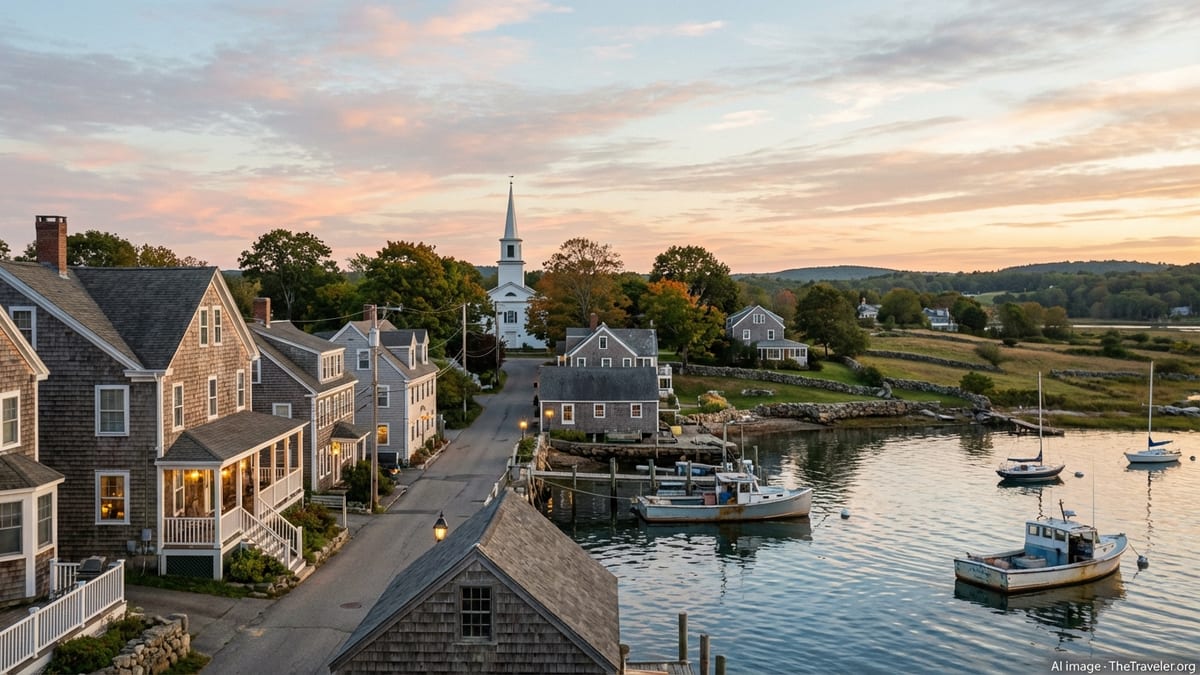
The archetypal New England stay is in a coastal town where fishing boats and sailboats share the harbor and clapboard houses line narrow streets. On Massachusetts’ North Shore, Newburyport offers a compact, walkable waterfront with brick warehouses converted into boutiques and restaurants and easy access to Plum Island’s long Atlantic beach. With a small-city feel, it works well for travelers who want coastal charm but appreciate the convenience of multiple lodging options, from historic inns to contemporary waterfront hotels.
Farther north, the southern coast of Maine concentrates some of the region’s best-known seaside villages. Kennebunkport, facing the Atlantic and the Kennebunk River, mixes a centuries-old shipbuilding and fishing heritage with a well-established summer resort scene. Its Dock Square area is thick with bed and breakfasts, small inns, and seasonal hotels, many within an easy stroll of restaurants and galleries. For a quieter base nearby, Cape Porpoise has more working harbor atmosphere with just a handful of small places to stay, ideal for travelers who prefer simple harbor views and early nights over crowds.
Other coastal Maine towns like Ogunquit and Old Orchard Beach cater to slightly different tastes. Ogunquit is known for its broad sandy beach and cliff-edge walking path that links the main beach with the smaller Perkins Cove area, where snug inns overlook bobbing fishing boats. Old Orchard Beach, on the inner side of Saco Bay, has a classic amusement pier and a long stretch of sand lined with motels, condos, and small hotels. Staying here can suit families or travelers who enjoy a lively, casual beach scene within striking distance of Portland for day trips.
When you book a coastal stay, consider how close you want to be to the water versus the center of town. Harborfront rooms cost a premium in high season, and oceanfront balconies can command significantly higher nightly rates. A room just a few streets back often trades direct water views for quieter nights and better value. Pay attention as well to seasonality. Some inns and smaller hotels close or scale back operations in winter, especially in communities that depend heavily on summer visitors.
Island Stays: Nantucket, Martha’s Vineyard, and Beyond
For many visitors, staying on a New England island feels like stepping into a postcard. Nantucket, a National Historic Landmark District, is a summer colony where cobblestone streets, preserved whaling-era architecture, and miles of beaches create an immersive sense of place. Lodging here ranges from high-end historic hotels in the heart of Nantucket Town to smaller guesthouses and rental cottages tucked down side streets. Because summer demand is intense and the island’s year-round population is relatively small, prices are correspondingly high and advance reservations are essential.
Martha’s Vineyard offers a broader spread of town types and lodging styles, from the gingerbread cottages and approachable inns of Oak Bluffs to the more reserved pace and historic hotels of Edgartown. Up-island, in places like West Tisbury and Chilmark, you will find understated inns and rental homes surrounded by woods and stone walls, best for travelers who prioritize privacy and nature over nightlife. Staying on the islands typically involves coordinating ferry schedules or limited flight options, so it is worth planning arrival and departure days with extra buffer time.
Smaller islands and island-like peninsulas dot the New England coast as well. In Maine, the gateway town of Bar Harbor sits just off the mainland on Mount Desert Island and functions as both a harbor village and the primary base for visiting Acadia National Park. The town has a full range of accommodations, from classic shorefront hotels with broad lawns and Adirondack chairs to budget motels and campgrounds nearby. Because it serves both park visitors and cruise passengers in season, rooms in Bar Harbor book quickly for July, August, and peak foliage weeks in October.
When deciding whether to stay on an island or on the mainland, weigh experience against logistics. Island stays often mean a deeper disconnect from daily routines, with more walking and cycling and fewer chain stores. They also mean that bad weather can disrupt ferry service and that last-minute dining reservations might be hard to secure. If you enjoy planning ahead and are comfortable with higher nightly costs in exchange for atmosphere, the islands can be a highlight of a New England trip. If flexibility is more important, a coastal mainland town with frequent ferry or excursion connections can be a practical compromise.
City Bases: Boston, Portland, Providence, and Hartford
New England’s cities anchor the region with cultural institutions, dining scenes, and transportation hubs. Boston is the largest and most visited, and where you choose to stay within the city can have an outsized impact on your visit. Hotels around the Back Bay and downtown place you close to major attractions, train connections, and the waterfront. These neighborhoods offer a dense mix of large business hotels, boutique properties in adapted historic buildings, and newer lifestyle hotels, making them a reliable choice for first-time visitors. For travelers who prefer a more residential environment, neighborhoods just outside the core, reached by subway or commuter rail, can offer smaller inns and guesthouses at somewhat lower prices.
Portland, Maine, is far smaller than Boston yet has an outsized culinary reputation and a deep working waterfront. The Old Port district packs brick warehouses, independent shops, and restaurants into narrow streets that spill down to the harbor. A cluster of hotels and inns around the Old Port allows visitors to explore largely on foot and makes it easy to take day trips along the coast. Lodging here ranges from high-end waterfront hotels to compact business hotels and a few bed and breakfasts in adjacent residential blocks. Rates climb on summer weekends and during major food and cultural festivals, so midweek stays can be more economical.
Providence, Rhode Island’s capital, offers a blend of historic architecture, university energy, and a growing food scene. Hotels downtown and along the riverfront put you close to theaters, restaurants, and seasonal events such as evening light installations on the waterways. Because Providence sits on the main rail and highway corridors between Boston and New York, it can serve as a quieter and often more affordable base while still allowing day trips to coastal towns and beaches in Rhode Island and nearby Massachusetts.
Inland, Hartford and nearby cities in Connecticut function more as practical bases than destinations in their own right, yet they are valuable if you are combining New England travel with business or family visits. New hotel development in Connecticut has included a mix of large family-oriented resorts and smaller boutique properties, especially in areas that appeal to leisure travelers. Staying in or near these cities usually offers better road access, more predictable year-round hotel availability, and comparatively moderate prices, at the expense of immediate coastal or mountain scenery.
Quiet Country Inns and Lake Retreats
A different New England emerges away from the coast and cities. Vermont, New Hampshire, and western Massachusetts are known for country inns, lakeside cabins, and small hotels tucked into former farmhouses and village greens. Staying in one of these places often means trading nightlife for starry skies, hiking trails, and conversations by a fireplace. Towns like Stowe, Vermont, highlighted frequently for scenic beauty and four-season recreation, offer a spectrum of lodging from full-service resorts with spas and pools to family-owned inns with a handful of rooms and included breakfast.
In rural New Hampshire and western Maine, lake country is a long-standing tradition. Cabins and modest lodges cluster around shorelines where canoeing, fishing, and swimming fill summer days and autumn brings vivid foliage. Many of these properties are seasonal, opening in late spring and closing after foliage or the first hard frosts. If you prefer winter sports like skiing and snowshoeing, look for inns and hotels near established mountain resorts, where snowmaking and winter infrastructure extend the season even when lower elevations are bare.
Western Massachusetts and the Litchfield Hills of Connecticut offer another style of quiet escape. Here, pastoral scenery of rolling fields, stone walls, and forested hills pairs with small cultural institutions, farm-to-table restaurants, and historic village centers. Converted farm inns, small luxury hotels, and design-focused bed and breakfasts are common. These areas draw visitors looking for long weekends centered on hiking, antique hunting, and low-key wellness experiences rather than adrenaline sports or beach days.
When choosing a countryside stay, think about your comfort with rural driving and distance to services. Some of the most atmospheric properties sit several miles down narrow, unlit roads with limited mobile coverage. For many travelers that remoteness is a feature, not a flaw, but it calls for a different level of planning for meals, fuel, and weather changes. Properties that are closer to small towns can offer a middle ground, with quiet surroundings but easier access to restaurants and shops.
Rhode Island and Connecticut Coasts: Compact but Rich in Choice
Rhode Island and Connecticut share a relatively short stretch of New England coastline, yet it includes some of the region’s most rewarding small-town stays. In Rhode Island, the capital city of Providence anchors the north, but smaller coastal communities such as Narragansett and Little Compton attract visitors seeking beaches and quieter landscapes. Narragansett has long sandy beaches, surf breaks, and a concentration of inns, motels, and rental cottages that cater to summer crowds. Little Compton, a smaller coastal town on the Sakonnet River and Atlantic Ocean, offers a more rural feel, with stone walls, farm fields, and limited but atmospheric places to stay.
Newport, though not a small town in the strictest sense, remains one of New England’s signature coastal bases. Gilded Age mansions, a busy harbor, and a dense downtown with hotels and inns of all sizes make it a versatile choice for different budgets. Staying in the historic center lets you walk to restaurants, waterfront parks, and sailing excursions, while lodgings farther out on the island tend to be quieter and sometimes more spacious. As with many destinations that rely on summer visitors and event weekends, booking early for peak season is wise.
Across the state line in Connecticut, a series of shoreline communities offer different flavors of coastal New England within relatively short drives. Mystic, a historic village on the Mystic River, has drawn recent attention from national travel magazines for its mix of maritime history, seafood, and craft beer. Visitors can choose from waterfront hotels, intimate inns, and newer boutique properties that have opened in and around the village center. Farther west along the Long Island Sound, towns like Madison and Old Saybrook combine low-key beaches with smaller-scale hotels and inns, including properties with on-site waterfront restaurants that are frequently recognized in regional dining guides.
Because this section of coastline sits between Boston and New York, it can be busy with both regional vacationers and weekend visitors. Traffic on major routes can be heavy on Friday evenings and Sunday afternoons in summer. Choosing a stay from midweek to early weekend, or visiting outside school holiday periods, can mean more space on the beach and better options for rooms. If you plan to base yourself in one town and explore several, check whether local trains or seasonal ferries might reduce driving time and parking stress.
How to Choose the Right Stay for Each Season
New England’s four seasons feel distinct, and where you stay can either amplify or soften that difference. Summer is high season along most of the coast and on the islands, with warm days, cooler nights, and crowded beaches. If you plan a July or August trip and want oceanfront accommodation, booking several months ahead is prudent, particularly in famous resort towns and on islands. Inland areas remain busy in summer but often feel less compressed, especially midweek, and lakes or rivers can provide the same sense of water escape with fewer crowds.
Autumn brings the region’s famous foliage. Stays in Vermont, New Hampshire, western Massachusetts, and inland Maine are in very high demand from late September into mid-October, depending on elevation and latitude. During these weeks, you may find that small country inns and popular mountain hotels impose minimum-night stays and fill completely on peak weekends. Coastal areas can be an appealing alternative, with milder crowds, cooler yet comfortable temperatures, and plenty of open accommodations. Shoulder foliage weeks, when color is just starting or lingering, can also offer a balance of scenery and availability.
Winter in New England is best embraced rather than avoided. Ski resort towns and their surrounding villages become the natural places to stay if you are interested in downhill or cross-country skiing, snowboarding, or winter hiking. Lodges near mountains often include ski shuttles, hot tubs, and hearty breakfasts aimed at active days outdoors. If snow sports do not appeal, consider coastal cities and larger towns where sidewalks are cleared promptly and indoor attractions such as museums, concerts, and restaurants remain fully active. Winter rates at many coastal inns can be markedly lower than summer, with the trade-off of shorter days and a quieter atmosphere.
Spring is a transition season that rewards flexible expectations. Snow can linger in the mountains while crocuses bloom along the coast. Hotel rates in many destinations remain below their summer peaks, although late spring weekends tied to college graduations in university towns can be very busy. Staying in coastal and urban areas in April and May can mean smaller crowds, moderate temperatures, and the first outdoor dining of the year, even if beach weather is still weeks away. Wherever you plan to stay, packing for layers and changeable conditions is wise in spring.
Practical Booking Tips for New England Lodging
Regardless of where you choose to stay in New England, a few practical habits can make the process smoother. First, be realistic about nightly budgets. Popular coastal and island destinations, historic city cores, and intimate high-end country inns often price in line with strong demand and limited supply, particularly in peak months. Inland cities, chain hotels outside historic districts, and shoulder-season stays can stretch your money further while still keeping you close to what you came to see.
Second, pay close attention to what is included. Many classic inns offer breakfast in the room rate, which can offset higher nightly prices when compared with city hotels where every meal is out of pocket. Parking policies vary widely, from complimentary on-site lots at rural properties to nightly garage fees in dense coastal towns and cities. Young historic hotels may charge resort or facility fees for amenities such as pools, loaner bikes, or seasonal beach shuttles. Reading the fine print before you reserve reduces surprises at checkout.
Third, consider how you will get around once you arrive. Some coastal villages and islands work best if you park the car and explore on foot, by bicycle, or on local shuttles. City stays might be easier if you use trains, buses, or ride-hailing services rather than driving and paying for downtown parking. Rural inns often expect guests to arrive by car, and distances between restaurants, trailheads, and attractions can be longer than they look on a map. Thinking through transportation in advance helps you match your lodging choice to your comfort level with driving, transit, or walking.
Finally, remember that New England hospitality often comes in the form of small, independently owned properties. Because many of these inns, guesthouses, and family-run hotels rely on seasonal income, their policies on deposits, cancellations, and minimum stays can be stricter than large chains. Booking directly, when possible, can open the door to more flexible room assignments and accurate information about renovations, seasonal closures, or local events that might affect your stay.
The Takeaway
Choosing where to stay in New England is less about ticking off every state and more about deciding which moods of the region you want to experience. A trip that combines time in a coastal town, a night or two in a city, and a few days in a quiet countryside inn will leave you with a well-rounded sense of place, whether you visit in the warmth of summer or the hush of winter. Understanding how compact the region is, how sharply conditions shift by season, and how different one harbor or hill town can feel from another will help you plan better bases.
From the harbor lights of Portland and the cobblestones of Nantucket to the stone walls of Little Compton and the green valleys of Vermont, each corner of New England has its own way of welcoming guests. Match your lodging choice to the pace and experiences you are seeking, build in time to linger rather than rush, and the region will reward you with mornings that start in salt air or birdsong and evenings that end under big skies and clear stars. Where you stay becomes part of the memory, not just a place to sleep.
FAQ
Q1. What is the best time of year to visit New England for a coastal stay?
The coast is most popular from late June through August, but early fall and late spring often provide pleasant weather, fewer crowds, and more lodging options.
Q2. How far in advance should I book island accommodations like Nantucket or Martha’s Vineyard?
For peak summer dates, it is wise to book several months ahead, especially for small inns and waterfront properties. Shoulder seasons may offer more flexibility.
Q3. Are New England’s historic inns suitable for travelers with mobility needs?
Some are, but many historic buildings have stairs, narrow hallways, or small bathrooms. Check accessibility details with the property directly before booking.
Q4. Is it better to stay in one place and take day trips, or move between several bases?
If your time is limited, basing in one or two locations and taking day trips reduces packing and driving. Longer trips can comfortably include more than two bases.
Q5. Do I need a car to enjoy a New England vacation?
You can explore cities and some coastal hubs by train, bus, and ferry. For rural inns, lakes, and mountain areas, having a car provides much more flexibility.
Q6. How expensive are accommodations in New England compared with other U.S. regions?
Popular coastal towns and islands can be quite expensive in peak season, while inland cities and countryside areas often offer more moderate rates, especially off season.
Q7. Are there good options for family-friendly stays?
Yes. Beach towns, lake districts, and resort areas commonly have family suites, cottages, and properties with pools or easy access to outdoor activities for children.
Q8. Can I find quiet escapes even during peak summer or foliage season?
Quieter stays are possible if you choose smaller inland towns, book midweek, or look slightly away from the busiest beaches and main streets.
Q9. What should I pack for a stay in New England given the changing weather?
Layers are essential. Even in summer, evenings can be cool by the water, and in shoulder seasons temperatures can shift quickly between sun and shade.
Q10. Are last-minute lodging deals common in New England?
In peak periods, last-minute deals are limited in high-demand towns. Off season and midweek, some properties may offer better rates closer to arrival.