

Pennsylvania stretches from dense urban skylines to quiet ridgelines, which means choosing where to stay is less about pinning a single destination and more about matching a neighborhood or region to the way you like to travel. Whether you want a weekend of gallery hopping in Philadelphia, a riverside loft in Pittsburgh, or a firelit cabin in the Poconos, the state offers distinct pockets that feel like different trips entirely. This guide walks through the key areas, what they feel like on the ground, and the types of stays you can expect in each, so you can pick a Pennsylvania base that actually fits your plans.
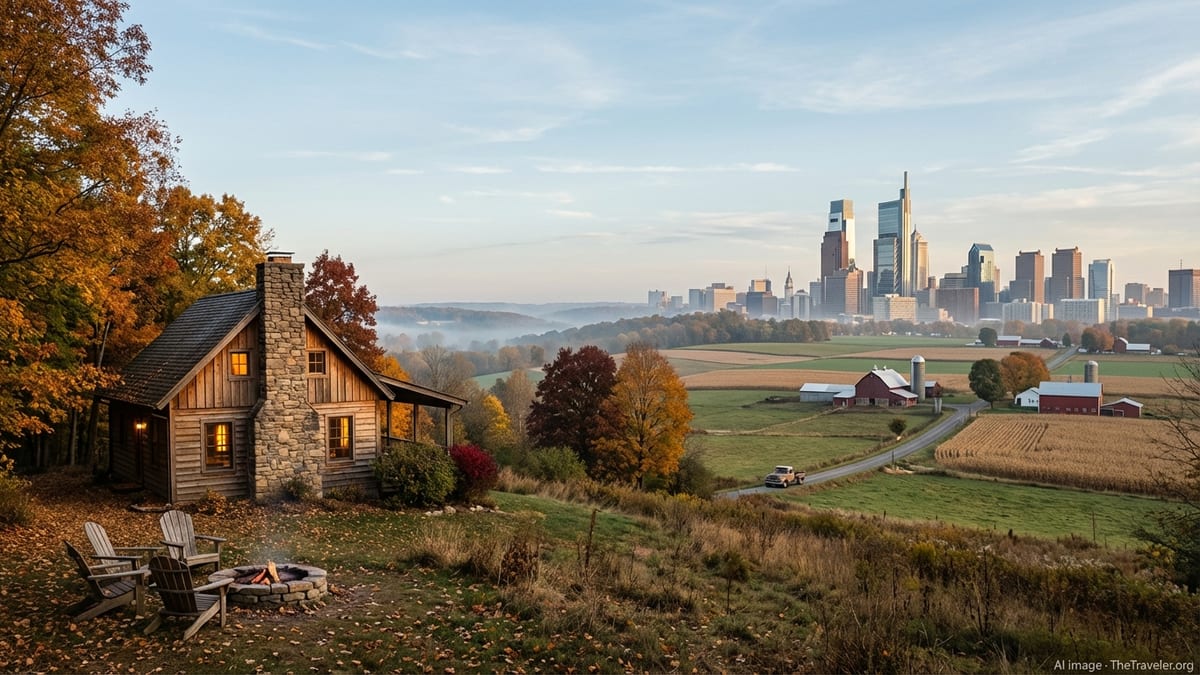
Understanding Pennsylvania’s Stay Landscape
Deciding where to stay in Pennsylvania starts with a simple question: are you coming for city energy, small town charm, or fresh mountain air? Philadelphia and Pittsburgh anchor the state with dense, walkable neighborhoods, major museums, and a deep restaurant scene. They suit travelers who like to explore on foot, rely on public transit, and pack each day with cultural stops, sports, and nightlife. By contrast, the interior regions tilt toward outdoor recreation, scenic drives, and slower evenings around a fire pit, with cabins, inns, and resorts spread across valleys and ridges instead of city blocks.
It also helps to think about how you want to move around. In Philadelphia, you can base yourself in Center City or an adjacent neighborhood and get almost everywhere by walking, subway, or regional rail. Pittsburgh is hillier but compact, with popular visitor areas clustered around the rivers and university districts. In the Poconos, Laurel Highlands, and other mountain regions, having a car opens up scenic byways, trailheads, and small downtowns that are rarely linked by frequent public transport. If you plan to split your time between cities and mountains, flying into Philadelphia or Pittsburgh, then renting a car for the back half of your trip, is a practical way to see very different sides of the state in one visit.
Season matters as well. City trips are genuinely year round, with fall foliage and spring blossoms adding extra charm to both Philadelphia and Pittsburgh. Mountain areas come into their own in summer for lakes and hiking, in autumn for foliage, and in winter at ski areas and snowbelt cabins. Rates usually track demand: expect higher prices and tighter availability in the Poconos and Laurel Highlands over peak summer weekends and ski season, and around major events or college move-in dates in the cities. Planning a bit ahead, particularly if you want a specific neighborhood or style of lodging, pays off almost everywhere in Pennsylvania.
Finally, think about atmosphere. A luxury high rise hotel overlooking Rittenhouse Square feels very different from a creekside cabin under hemlock trees, even if they cost roughly the same. Pennsylvania makes it possible to have both within a few hours of driving, but you will enjoy your stay more if you pick places with a vibe you will actually use: walkable and lively, or secluded and quiet. The sections below break down the most reliable choices, from classic Philadelphia districts to mountain retreats where cell service fades and stars emerge.
Best Neighborhoods to Stay in Philadelphia
For many visitors, Philadelphia is the gateway to Pennsylvania. Staying in the right neighborhood can shrink transit time, make it easier to reach top sights, and shape your experience more than the brand name on your hotel. Center City and the adjacent historic core concentrate the biggest range of lodging, from large chain hotels to independent boutiques and furnished apartments, while several nearby districts offer a calmer, residential feel without losing convenient access to key attractions.
Old City, clustered around Independence Hall and the Liberty Bell, remains a natural base for first time visitors who want to be within a short walk of the historic district, cobblestone streets, and a dense mix of bars, galleries, and casual restaurants. Boutique hotels in restored buildings sit alongside short term rentals, and the neighborhood comes alive at night with a mix of visitors and locals. A few blocks west, the area around Washington Square and Society Hill offers a quieter residential feel, tree shaded streets, and brick townhouses, appealing to travelers who prefer a more low key environment but still want to be able to walk to major colonial sites and the Delaware River waterfront.
Rittenhouse Square and the broader Center City West area suit travelers who prioritize dining, shopping, and a central address. Hotels here range from upscale towers with skyline views to smaller properties in historic buildings. The square itself is a landscaped park ringed by cafes and restaurants, and you can walk east to the business district, south toward Graduate Hospital and Fitler Square, or north to the museums along the Benjamin Franklin Parkway. It is a good all around choice if you plan to explore a little bit of everything and value easy access to transit and walkable streets.
For something trendier, look toward Northern Liberties and Fishtown, both a short ride from Center City on the Market Frankford Line. These former industrial districts have evolved into some of the city’s liveliest neighborhoods, with independent restaurants, music venues, breweries, and colorful murals. Lodging here leans more toward small boutique hotels and apartment style rentals than big chains. In exchange for a slightly longer ride to historic sights, you gain the feeling of staying within a creative, lived in neighborhood, popular with younger travelers and visitors who have been to the city before.
Philadelphia Stays for Families and Quieter City Breaks
Families and travelers seeking a calmer base often gravitate to Philadelphia’s leafier, more residential pockets, many of which still offer straightforward transit into Center City. These neighborhoods tend to have more playgrounds and parks than nightclubs, and the housing stock favors row houses and twins over high rise towers. They can work especially well for longer visits or multigenerational trips where extra space and a slower pace matter.
Fairmount, sometimes described as the Art Museum area, sits just northwest of Center City, close to the Philadelphia Museum of Art, the Rodin Museum, and long stretches of riverfront trail along Kelly Drive. Streets here are lined with classic brick row homes, corner cafes, and small restaurants. Lodging is a mix of small hotels, guesthouses, and house style rentals, and the neighborhood lets you combine museum visits with easy access to Fairmount Park for outdoor time. It suits families and culture oriented travelers who prefer a neighborhood setting but want to avoid long commutes.
South of Center City, Bella Vista and Queen Village offer a similar residential feel with a slightly more intimate scale. These districts are known for their markets, family friendly restaurants, and local parks, with a mix of older housing and renovated interiors. You are close enough to walk or take a short transit ride to the historic area and waterfront, but nights are generally quieter than in Old City or Fishtown. Travelers who appreciate a strong sense of community, independent shops, and weekend farmers markets often find these areas appealing.
On the northwest side of the city, neighborhoods such as Chestnut Hill, Manayunk, and Mount Airy read almost like small towns folded into Philadelphia. Chestnut Hill, often called the city’s garden district, features tree lined avenues, independent boutiques, and direct regional rail access to Center City. Manayunk lines the Schuylkill River with a main street of restaurants and bars and steep residential streets rising behind, popular with young professionals. Mount Airy, further south, is known for its diversity, leafy streets, and laid back vibe. Stays here tend to be smaller inns, bed and breakfasts, and whole home rentals, best suited to visitors who prioritize charm and greenery over being walking distance from the major historic attractions.
Where to Stay in Pittsburgh: Urban Character and Hilltop Views
Pittsburgh feels more compact than its map suggests, thanks to a concentration of visitor friendly neighborhoods within a short drive of downtown and the city’s riverfront stadiums. Because the terrain is hilly and the rivers create natural borders, choosing the right base can cut down on travel time and offer memorable views. Downtown, known as the Golden Triangle, is the most obvious starting point, while nearby districts add distinctive flavors ranging from university life to nightlife corridors and leafy residential streets.
Staying in downtown Pittsburgh works well if your trip centers on sports, business, or cultural events. You are a short walk from the Cultural District’s theatres, the convention center, and riverfront paths, and just across the river from the stadiums on the North Shore. Hotels here are mostly midscale to upscale chains and historic conversions, many in towers with views of the river confluence and surrounding hills. Streets can be quiet at night outside event times, which some travelers appreciate and others find too subdued.
Just northeast of downtown, the Strip District offers a more eclectic streetscape. Once dominated by warehouses and wholesale markets, it has evolved into a food focused neighborhood with daytime energy driven by produce vendors, specialty food shops, and cafes. In recent years, new hotels and loft style accommodations have risen on the west side of the district, giving visitors the option to stay within a short walk of both the Strip’s attractions and downtown. The area is lively in the mornings and early afternoons, then quiets down outside restaurant hours, making it a good compromise for travelers who want access to nightlife but not a constant party atmosphere.
For a neighborhood experience with strong dining and bar options, Lawrenceville, strung along Butler Street, has become a creative hub filled with independent boutiques, art spaces, and restaurants. Lodging options remain more limited here, usually in the form of a few boutique hotels, small inns, and apartments, but the payoff is staying in a place that feels solidly local. Across the river, South Side Flats lines East Carson Street with one of the city’s densest clusters of bars and late night venues, backed by 19th century housing and a riverfront park. Visitors who prioritize nightlife sometimes choose this area, though families and light sleepers may be more comfortable elsewhere.
Pittsburgh’s Leafy Districts and Romantic Getaways
Move a bit farther from downtown Pittsburgh and the feel shifts quickly from urban grids to quieter, tree shaded streets. Neighborhoods like Shadyside, Squirrel Hill, and the slopes of Mount Washington are popular with travelers who want a softer rhythm, walkable commercial streets, and, in some cases, standout views. These areas suit couples on a city break, university visitors, and repeat travelers who have already stayed downtown and want a different angle on the city.
Shadyside, east of downtown and close to several university campuses, blends historic homes with a busy mix of shops, restaurants, and cafes along corridors such as Walnut Street. It feels upscale but not stiff, with strong walkability and a cluster of small boutique hotels, classic inns, and apartment style stays. From here you can ride transit or drive downtown in a short time, or explore nearby Mellon Park and the museums of Oakland. The neighborhood’s balance of amenities and calmer residential blocks makes it an appealing base for travelers who want a livable atmosphere rather than a purely touristy zone.
Squirrel Hill, south of Shadyside, is another highly walkable neighborhood with an especially diverse food scene and easy access to green space in Schenley Park and Frick Park. Lodging is more limited here, often skewing toward apartments and smaller guesthouses, but visitors who find a place will be rewarded with a strong sense of everyday city life and plenty of casual dining. On the city’s North Side, hilltop neighborhoods such as Fineview offer sweeping views over the skyline and rivers. Accommodations here are mostly house style rentals, ideal for couples or small groups who want to watch the sunset from a porch but still drive downtown in a matter of minutes.
For unmistakable views with a classic postcard feel, Mount Washington rises directly above the confluence of Pittsburgh’s three rivers. Stays here include inns, small hotels, and rentals perched along the bluff and side streets, many within walking distance of the historic inclines that shuttle passengers down to the river level. Even a short stay on the hill gives you a sense of the city’s topography and an easy way to drop into downtown or the South Shore for dinner, then retreat to a quieter, elevated base at night. Couples in particular often choose this area for anniversary weekends and short romantic getaways.
Mountain Retreats in the Poconos
East of the state’s urban corridor, the Pocono Mountains have long served as a getaway for residents of Pennsylvania, New York, and New Jersey, with a mix of lakeside cottages, ski slopes, and traditional resorts. The region has been modernizing its offerings, adding contemporary wellness retreats and upscale vacation home clubs alongside the older family run lodges. For travelers, the result is a broad range of stays, from simple cabins within driving distance of trailheads to full service properties with spas, pools, and curated activities.
Many visitors aim for the central Poconos around hubs such as Lake Harmony, Mount Pocono, and Tannersville, where you can find year round resorts and easy access to activities like zip lines, waterparks, and ski areas. Short term rental homes and cabins cluster around lakes and within forested subdivisions, often with decks, hot tubs, and game rooms. These work especially well for groups and families who plan to spend most of their time outdoors or cooking together. In recent years, higher end options have expanded on and around major ski mountains, catering to travelers seeking concierge style services in a mountain setting.
If you are more interested in quiet forests and small towns than big resorts, look toward the northern and western edges of the Poconos, where state parks and game lands offer hiking, waterfalls, and scenic overlooks. Here, lodging leans toward rustic cabins, traditional bed and breakfasts, and small inns in historic towns. Many properties highlight wood stoves or fireplaces, porches with forest views, and simple but comfortable rooms rather than flashy amenities. This side of the Poconos is ideal if you crave silence, dark night skies, and mornings that start with birdsong instead of resort loudspeakers.
Regardless of where you base yourself in the Poconos, driving distances can be longer than they look on a map because roads often follow valleys and ridgelines rather than straight lines. When choosing a stay, pay attention to proximity to the specific activities you care about, whether that is a particular ski area, a lake with boat rentals, or a trail network. Booking ahead for peak foliage weekends in October and holiday periods in winter is smart, since demand for both resorts and private cabins tends to spike during those windows.
Laurel Highlands and Western Pennsylvania Hideaways
On the opposite side of the state from the Poconos, the Laurel Highlands run roughly southeast of Pittsburgh, offering a landscape of rolling hills, rivers, and forested ridges that has quietly become one of Pennsylvania’s most appealing outdoor destinations. This region is known for its state parks, whitewater rafting, and architectural landmarks, and the lodging mirrors that variety, from roadside motels and rustic cabins to golf and spa resorts spread across thousands of acres.
Travelers looking for a traditional mountain resort stay can find large properties that package golf, skiing, or spa access with multiple dining options and on site activities ranging from zip lines to indoor pools. These resorts often sit on hilltops or ridgelines with broad views and plenty of space between buildings, creating a self contained feel. They work well for families and groups who want everything in one place and do not mind driving out to explore nearby attractions when the mood strikes.
Closer to state parks and trail systems, you will find clusters of independent cabins and small inns. Many of these properties emphasize access to hiking, waterfalls, and cycling routes, with amenities such as secure bike storage, fire pits, and guides to local trails. Some cater specifically to whitewater rafters and paddlers headed for regional rivers, offering early breakfasts and gear friendly common spaces. Nights here tend to be quiet, with entertainment amounting to conversation around the fire, dark skies, and the sound of wind in the trees.
Smaller historic towns across western Pennsylvania also host bed and breakfasts in restored houses and low slung motels along main routes. These can be practical bases if you plan to divide your time between cultural sights, such as regional museums or architect designed homes, and outdoor excursions. Because the region’s lodging is more dispersed than in the Poconos, it is worth double checking distances and road types when booking, especially in winter, when weather can affect travel times on rural roads.
Inns, Farm Stays, and Wine Country in South Central Pennsylvania
South central Pennsylvania, including areas around Lancaster, Gettysburg, and neighboring countryside, offers a different style of escape built on rolling farmland, historic towns, and emerging wine and craft beverage trails. Here, traditional hotels share the landscape with farmhouse bed and breakfasts, converted barns, and small inns on the edges of fields and orchards. Stays tend to focus on hospitality and local flavor rather than resort style amenities, making this region a good fit for travelers who enjoy slow travel, scenic drives, and history.
Lancaster County, long associated with Amish and Mennonite communities, mixes small city vibrancy in Lancaster itself with a patchwork of rural roads where horse drawn buggies share space with cars. Within this region you will find brick townhouse inns in walkable downtowns, countryside bed and breakfasts that overlook fields, and family run motels near main highways. Many properties lean into farmhouse breakfasts, porches with rocking chairs, and locally sourced furnishings. Visitors interested in farm to table dining, markets, and covered bridges often use these stays as home base.
Around Gettysburg, known primarily for its Civil War battlefield, lodging runs from national brand hotels along the main commercial corridors to historic inns within older buildings close to the town square and park entrances. Some countryside properties combine overnight stays with working farms, vineyards, or orchards, letting guests wake up to views of rolling hills rather than parking lots. This side of the state has been incrementally developing its wine and cider scenes, and a number of inns and bed and breakfasts now offer tasting room partnerships or packages that link accommodations with visits to nearby producers.
Because south central Pennsylvania is reachable by car from several major metro areas, weekends can be busy, especially during peak foliage and around signature events. Travelers who prefer quiet may want to target midweek stays or shoulder seasons in late winter and early spring, when rates can be softer and popular restaurants easier to book. As with other rural regions, it pays to clarify how far your chosen inn or farm stay is from the nearest town center if you plan to go out regularly for dinner, shows, or guided tours.
How to Choose the Right Area for Your Trip
With so many distinct places to stay in Pennsylvania, narrowing your options comes down to a short list of priorities. Start with what you most want to do. If your trip centers on museums, dining, and live events, a neighborhood in Philadelphia or Pittsburgh that keeps you walking distance from those activities will likely make you happiest. If hiking, lake time, or quiet drives are at the top of your list, then a cabin or inn in the Poconos, Laurel Highlands, or south central countryside will feel more aligned. Splitting a week between a city and a mountain region can be an effective way to sample both sides of the state without feeling rushed.
Next, consider pace and noise tolerance. Old City, Fishtown, Lawrenceville, and South Side Flats can be busy and sometimes loud, especially on weekends, while neighborhoods like Fairmount, Bella Vista, Shadyside, and Mount Airy tend to wind down earlier. Resorts in the mountains bring their own kind of energy, with activities and families around pools and common areas, whereas standalone cabins, farm stays, and small inns offer more solitude. Matching your comfort level with the ambient buzz of your surroundings will go a long way toward determining whether a place feels restful or restless.
Budget and transportation also play important roles. City center hotels often command higher nightly rates but reduce or remove the need for a rental car, particularly in Philadelphia, where you can arrive by train and navigate by transit and rideshare. Neighborhoods slightly beyond the core may offer better value at the cost of a longer commute to top sights. In the mountains and rural areas, nightly rates can range widely depending on season and property type, but you should plan on having a car in order to make the most of your time. Parking, which can be tight in older city neighborhoods, is generally easier in smaller towns and resort areas.
Finally, think about who you are traveling with. Families might prioritize access to playgrounds, pools, and multi room accommodations; couples may care more about scenic views, privacy, and nearby restaurants suited to lingering dinners; solo travelers could value walkability and a strong daytime street presence. Pennsylvania’s strength as a destination lies in its variety, which means that with a bit of planning you can choose stays that reflect not just a location on a map, but the specific way you hope to experience the state.
The Takeaway
From the cobbled blocks of Old City to the misty ridges of the Laurel Highlands, where you stay in Pennsylvania shapes the trip as much as what you do. Philadelphia and Pittsburgh anchor the state with dense neighborhoods that reward walking and repeat visits, each offering their own blend of history, culture, and food. Beyond the cities, the Poconos, Laurel Highlands, and south central countryside open up a slower, more spacious side of the state built on forests, farms, and small towns. Each region has lodging to match, whether you prefer high rise hotels, boutique inns, rustic cabins, or farmhouse suites.
Choosing the right base is ultimately about aligning your expectations with the feel of a place. If you picture mornings in museums and evenings in buzzy restaurants, focus on city districts with strong transit and sidewalks. If you imagine campfires, starry skies, and trailheads a short drive away, point your search toward mountain and rural regions. With thoughtful planning and realistic travel times, you can even combine both in a single itinerary, leaving Pennsylvania with a sense of how remarkably varied one state can be.
FAQ
Q1. What is the best neighborhood to stay in Philadelphia for first time visitors?
Old City is often the most convenient choice for first timers because it sits next to the major historic sites, offers plenty of restaurants and bars, and keeps most attractions within a short walk or transit ride.
Q2. Is it better to stay in downtown Pittsburgh or in a neighborhood like Shadyside?
Downtown works well for quick trips focused on events and business, while Shadyside suits visitors who want a quieter, residential feel with walkable shops and restaurants and are comfortable using transit or rideshare to reach downtown.
Q3. Do I need a car to stay in Philadelphia?
In central neighborhoods such as Old City, Rittenhouse, and Fairmount, you can comfortably rely on walking, transit, and rideshares. A car becomes useful only if you plan day trips beyond the city or stay in more distant districts.
Q4. When is the best time to book cabins in the Poconos?
Cabins and mountain homes in the Poconos are most sought after during summer, peak autumn foliage, and the winter ski season, so it is wise to book several months ahead for weekends in those periods.
Q5. Are the Laurel Highlands suitable for a winter getaway?
Yes, the Laurel Highlands can be an appealing winter destination, with ski areas, cozy cabins, and larger resorts that offer cold weather activities alongside fireplaces, spas, and indoor pools.
Q6. What kind of stays can I expect in Lancaster County?
Lancaster County offers a mix of downtown inns, countryside bed and breakfasts, simple motels, and farm stays, many of which emphasize local breakfasts, rural views, and easy access to markets and small towns.
Q7. Is it safe to stay in nightlife heavy areas like Fishtown or South Side Flats?
These neighborhoods attract crowds on weekends and into the night, but they also have an active local presence. As in any city, it is sensible to stay aware of your surroundings, stick to well lit streets, and follow normal urban safety habits.
Q8. How many nights should I plan for a combined city and mountain trip in Pennsylvania?
A week works well for combining a city and a mountain region, with three or four nights in Philadelphia or Pittsburgh and three or four nights in the Poconos, Laurel Highlands, or south central countryside.
Q9. Are there luxury options in Pennsylvania’s mountain areas?
Yes, both the Poconos and parts of the Laurel Highlands now feature higher end resorts and vacation home clubs with spa facilities, fine dining, and concierge style services alongside more rustic, traditional lodges.
Q10. What is the most budget friendly way to stay in Pennsylvania’s cities?
For budget conscious travelers, options include chain hotels just outside the very center, short term apartment rentals in residential neighborhoods with good transit, and off peak visits when city rates and demand are lower.