

From tile-clad hilltop cities to surfer beaches and vineyard-lined valleys, Portugal offers more characterful places to stay than you could fit into a single trip. Choosing the right base can transform your experience, turning long transfers into leisurely strolls and rushed day trips into slow, local moments. This guide breaks down the best cities, coastal towns and regions in Portugal, with practical advice on who each area suits, how it feels on the ground and what to consider before you book.
How to Choose Where to Stay in Portugal
Portugal looks small on the map, yet its landscapes and local cultures shift quickly from region to region. Distances are short enough that you can see a lot in one itinerary, but each base you pick will shape how your days unfold. When deciding where to stay, think less about ticking off famous names and more about pace, transport and the kind of atmosphere you want when you step out of your hotel door.
City breaks in Lisbon or Porto suit travelers who like walkable neighborhoods, lively dining scenes and easy train connections for day trips. Coastal bases along the Algarve or the wilder Atlantic coast work best if long beach days, surfing or clifftop walks are priorities. Inland regions such as the Douro Valley or Alentejo are slower and more contemplative, centered on food, wine and countryside stays.
Access also matters. Train and coach links along the main north-south corridor make it straightforward to move between Lisbon, Coimbra and Porto, while flights and ferries connect mainland Portugal with the island regions of Madeira and the Azores. Renting a car opens up rural areas and small beach towns but is not essential in big cities, where parking can be difficult and public transport is reliable.
Seasonality plays a role too. Coastal resorts are busy and warm in summer, calmer and cooler in spring and autumn, and very quiet in winter. Cities are truly year round, though Lisbon and Porto can feel noticeably busier during major events and peak holiday weeks. If you prefer milder temperatures and fewer crowds, late March to early June and late September to November are often sweet spots.
Lisbon: Classic Capital Bases and Characterful Hills
Lisbon is where many trips begin, and the neighborhood you choose will determine whether your stay feels like a grand city break, a village perch above the rooftops or a late-night urban adventure. For first-time visitors, the central districts of Baixa and Chiado are often the easiest bases. These flat, walkable areas sit between the river and the hilltop neighborhoods, with quick access to major sights, tram routes and day-trip trains. You wake up in the heart of things and can stroll almost everywhere you are likely to visit.
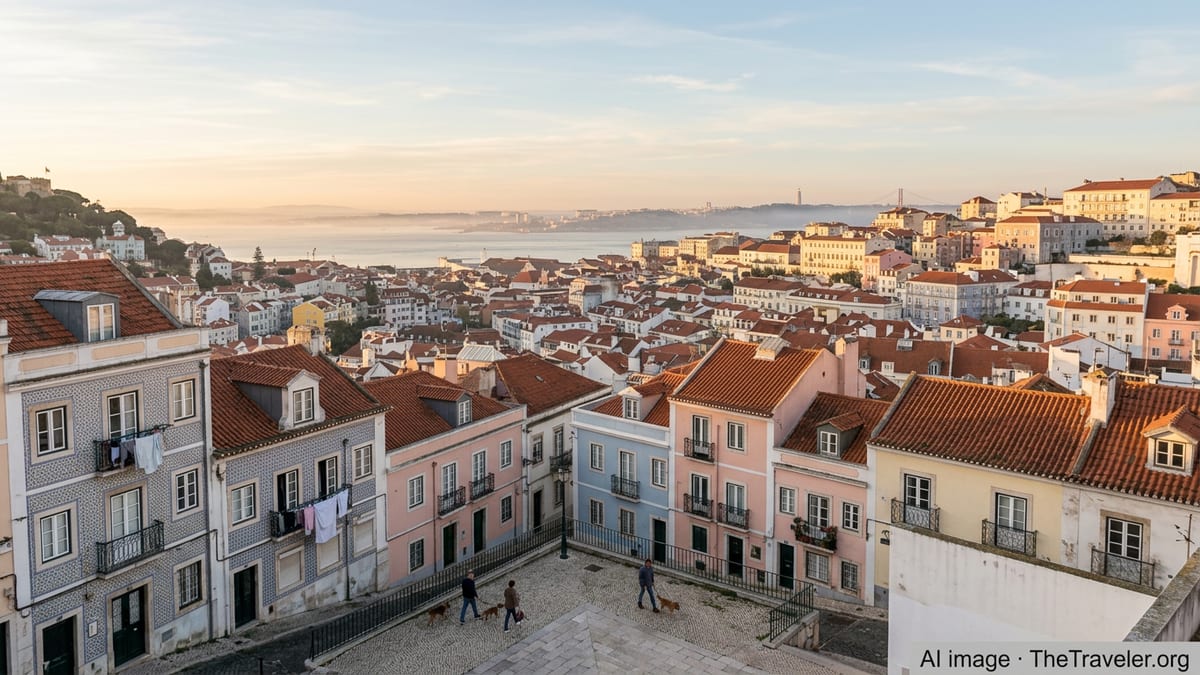
Just east of the center, Alfama is Lisbon’s oldest quarter, a tight maze of cobbled lanes, tiled houses and viewpoints. It is one of the most atmospheric places to stay, especially if you are drawn to traditional fado music and sunrise or sunset vistas. The tradeoff is practical: streets are steep and often stepped, cars and taxis cannot reach every front door and moving luggage can be a workout. Travelers who value character over convenience tend to love it; those with mobility concerns may be better off on flatter ground.
To the west and uphill, Bairro Alto and neighboring Príncipe Real appeal to different sides of Lisbon. Bairro Alto is the city’s best-known nightlife district, quiet and almost sleepy by day but busy with bars and music late into the night. It works well for social travelers who want to be in the thick of things but can be a challenge for light sleepers. Príncipe Real, a short walk away, is calmer and more residential, with leafy gardens, design boutiques and a strong restaurant scene. It suits visitors seeking a stylish base with a local feel while still being close to downtown.
If you prefer more space and modern comforts, look at Avenida da Liberdade and the newer districts around Parque das Nações. Avenida da Liberdade is lined with larger hotels and has easy metro connections, making it a practical choice for families and business travelers. Parque das Nações, rebuilt for a world exposition, has contemporary riverside architecture, a large aquarium and plenty of room to stroll, which can be especially appealing if you are traveling with children and want a quieter, modern setting.
Porto: Romantic Riverfront or Atlantic Breeze
Porto, in northern Portugal, feels more compact than Lisbon but offers an equally distinct set of neighborhoods to base yourself in. For a postcard view experience, many visitors choose the Ribeira riverfront, where tall, narrow townhouses crowd the quay and cafes spill onto the cobbles. Staying here means you are surrounded by historic streets, with the river right outside and port wine cellars just across the bridge. The area is lively and steep; walking anywhere involves hills or steps, so factor that into your plans.
Above the river, the Cathedral district and streets around São Bento station offer a dense cluster of historic buildings, churches and tiled facades. This is a strong option if you want to be able to walk easily to most major sights, from the cathedral to traditional markets and bookshops. The feel is very old world, with plenty of characterful guesthouses and small hotels tucked into restored townhouses.
For travelers seeking a more local, residential vibe without being far from the center, Cedofeita and the broader arts district are increasingly popular. These streets are lined with independent galleries, cafes and boutiques, and they tend to be a little quieter at night than the riverside. You can often find better value in small design hotels or well-managed apartments here, with a 10 to 20 minute walk bringing you back into the historic core.
To combine city exploring with sea air, consider basing yourself in Foz do Douro, where the river meets the Atlantic. This coastal neighborhood has a long promenade, small beaches and relaxed cafes that make the most of the sunsets. Regular trams and buses link Foz with central Porto, so you can spend days split between ocean and old town. It is an especially appealing base in warmer months for travelers who want a softer, slower end to busy sightseeing days.
The Algarve: Beach Resorts and Quiet Coastal Towns
Portugal’s southern coast, the Algarve, stretches from dramatic cliffs near Sagres in the west to the gentler, lagoon-backed shores near the Spanish border. It is best known for its beaches, which range from long, open Atlantic strands to small coves flanked by gold-colored rock formations. Deciding where to stay here is mainly a question of how much development you are comfortable with and how independent you want to be.
Popular resort hubs such as Albufeira and Vilamoura offer a dense choice of hotels, apartments, restaurants and nightlife. They suit travelers who want plenty of amenities within walking distance, a lively atmosphere and easy access to organized excursions. These areas are well connected to Faro Airport and have family-friendly infrastructure, from waterparks to marina promenades. The flipside is that they feel more international than distinctly local in high season.
For travelers who prefer characterful towns and quieter streets, smaller Algarve bases work better. Lagos, on the western side, is a long-standing favorite, combining a historic center with nearby beaches and rock formations like the Ponta da Piedade cliffs. East of Faro, Tavira is often cited as one of the region’s most attractive towns, with whitewashed houses, a slow-flowing river and boat trips to sandy island beaches offshore. These towns maintain a lived-in feel outside the summer peak, making them good options in shoulder seasons as well.
Nature-focused travelers may enjoy staying close to the Ria Formosa Natural Park near Faro and Olhão, or exploring the quieter west coast around towns such as Aljezur. These areas are better suited to visitors with a car, as public transport is more limited, but the payoff is access to wide, uncenced beaches, coastal trails and bird-rich wetlands. Wherever you choose in the Algarve, check how close your accommodation is to the sea, whether you will need a car and what the local atmosphere is like at the time of year you plan to visit.
Douro Valley and Northern Countryside Retreats
North and east of Porto, the Douro Valley offers one of Portugal’s most distinctive landscapes. Terraced vineyards climb steep hills on both sides of the river, dotted with traditional wine estates and small villages. Staying here is less about ticking off a long list of sights and more about slowing down to enjoy views, boat trips and long meals. You can reach the region by car, train or river cruise from Porto, though having your own transport makes it easier to explore side valleys and lesser-known viewpoints.
Many visitors choose to base themselves near riverside towns such as Peso da Régua or Pinhão, where there is a concentration of hotels, guesthouses and wine estates that accept overnight guests. From these bases you can take short boat excursions, visit quintas for tastings and wander among the vines. Accommodation ranges from simple family-run lodgings to design-forward hotels with infinity pools overlooking the river.
Beyond the Douro itself, northern Portugal has several appealing inland bases for travelers who want countryside walking, castles and stone-built villages. The Minho region, near the Spanish border, is known for its green hills, traditional towns and production of light, fresh vinho verde wines. Historic centers such as Guimarães or Viana do Castelo make practical bases, combining atmospheric old quarters with good road and train connections.
When booking in the Douro or other rural areas, pay attention to how remote your chosen property is. Some estates sit several kilometers up narrow, winding roads and have limited dining options nearby, which can be wonderfully peaceful but requires more planning. If you prefer to pop out for dinner on foot, opt for small towns or villages rather than isolated hilltop stays.
Alentejo, Madeira and the Azores: Slow Travel and Island Escapes
South of Lisbon and north of the Algarve, the Alentejo region covers a wide sweep of farmland, cork oak forests and low-slung whitewashed towns. This is one of Portugal’s quietest areas, ideal for travelers who prize space, starry skies and long, unhurried meals. Evora, a small historic city with Roman ruins and medieval walls, is the most common base and works well for a few days of cultural sightseeing. Beyond Evora, you will find countryside hotels and converted farm estates where days revolve around the pool, local markets and small vineyards.
The Alentejo coast offers a different atmosphere again, with low-key fishing villages, wild beaches and the long-distance hiking route of the Rota Vicentina. Bases such as Vila Nova de Milfontes or Porto Covo are best explored with a car and suit visitors who want to combine coastal walks with simple seafood dinners. Infrastructure remains intentionally limited in many stretches, which is part of the charm but something to be aware of if you are used to full-service resorts.
Farther out in the Atlantic, the island of Madeira has become a year round destination for travelers who enjoy hiking, views and a mild climate. Funchal, the island’s small capital, makes the most practical base, offering a mix of hotels, restaurants and cable car access to hilltop viewpoints. From there, it is straightforward to join guided walks along levadas, the island’s historic irrigation channels, or to rent a car for coastal drives.
The Azores archipelago, a group of volcanic islands, appeals to travelers seeking nature, hot springs and whale watching. São Miguel, the largest island, is usually the entry point and has the broadest range of accommodation, particularly around Ponta Delgada and lakeside or hot spring areas inland. Other islands such as Pico or Faial feel quieter and more remote, and work best if you are comfortable with inter-island flights or ferries and slightly more changeable weather.
Practical Tips for Booking Stays in Portugal
Once you have narrowed down a city or region, the next step is choosing the right type of accommodation and location within that area. In Portugal’s older districts, historic charm often comes with narrow staircases, limited vehicle access and occasional street noise. If you are traveling with heavy luggage, young children or anyone with mobility needs, look carefully at access descriptions and guest reviews. Elevators are not guaranteed in older buildings, and what looks close on a map can involve long hills in real life.
Air conditioning and heating are worth checking, particularly in traditional townhouses and rural stays. Summers can be hot, especially in inland regions such as the Alentejo and parts of the Douro, while nights in the north and on the islands can feel cool outside of mid summer. Properties that have been recently renovated are more likely to have effective climate control and good sound insulation.
In popular destinations like Lisbon, Porto and the Algarve, there is a wide spectrum of options, from simple guesthouses to luxury hotels and serviced apartments. City apartments can be excellent value for longer stays or for travelers who want kitchen facilities, but be mindful of local regulations and neighbor considerations in residential buildings. Rural stays, meanwhile, often include breakfast and may offer on-site dinners made with local produce, which can be a highlight in itself.
Finally, pay attention to transport links. If you plan many day trips by train, staying close to a main station or metro line can save significant time each day. If you are driving, verify whether your hotel has parking and what it costs, as historic centers often have restricted zones. For island stays, check how far your accommodation is from the airport or ferry port and whether transfers are offered, especially if you arrive late at night.
The Takeaway
Portugal packs an impressive variety of experiences into a small country, and there is no single best place to stay. Instead, the right base depends on what you want your days to look like. Lisbon and Porto are ideal for urban energy and easy cultural immersion, while the Algarve and Atlantic coast appeal to beachgoers and walkers. Inland regions such as the Douro Valley and Alentejo slow the pace, focusing on landscapes, wine and long meals, and the island territories of Madeira and the Azores deliver year round nature escapes.
When you match your base to your interests, season and travel style, Portugal becomes remarkably easy to navigate. Whether you sleep above tiled alleyways in Alfama, in a whitewashed farmhouse among cork oaks or in a hotel overlooking the Atlantic, the country’s compact size and warm hospitality make it simple to string together very different stays in a single trip. With thoughtful planning, where you stay in Portugal will be as memorable as what you see.
FAQ
Q1. What is the best city to stay in for a first trip to Portugal?
Lisbon is usually the best base for a first visit, thanks to its international flights, central location, walkable historic neighborhoods and easy day trips by train or tour.
Q2. How many nights should I stay in Lisbon versus Porto?
Many travelers split a week into four nights in Lisbon and three in Porto, adding extra time if you plan several day trips or prefer a slower pace.
Q3. Do I need a car to explore the Algarve?
You can rely on transfers and local transport in larger resorts, but a rental car gives far more flexibility for quieter beaches, inland villages and scenic viewpoints.
Q4. Is it worth staying overnight in the Douro Valley?
Yes, an overnight stay lets you enjoy the valley in the quiet early mornings and evenings, when day trippers have left and the light over the vineyards is at its best.
Q5. Which Algarve town is best for a relaxed, traditional feel?
Smaller towns such as Tavira in the east or Lagos on the western side generally feel more traditional and low key than the busiest resort hubs, especially outside peak summer.
Q6. Is Alfama a good neighborhood to stay in Lisbon?
Alfama is wonderful for atmosphere, viewpoints and fado, but its steep, narrow streets can be challenging. It suits travelers who prioritize character over easy access and flat walks.
Q7. Where should I stay in Porto if I want sea views?
Look at Foz do Douro or nearby coastal areas, where many hotels and apartments offer Atlantic or river views and a relaxed promenade atmosphere.
Q8. When is the best time of year to visit coastal regions in Portugal?
Late spring and early autumn often offer warm weather and swimmable seas with fewer crowds than peak summer, though exact conditions vary year to year.
Q9. Are Madeira and the Azores good bases for non-hikers?
Yes. While both are famous for walking, there are also scenic drives, viewpoints, boat trips and food experiences that do not require long hikes or specialist gear.
Q10. How far in advance should I book accommodation in Portugal?
For peak summer, popular festivals and major holidays, booking several months ahead is wise, especially in small towns and islands with limited room numbers.