

The Keweenaw Peninsula, the narrow finger of land that juts into Lake Superior at the northern tip of Michigan, feels like its own small world. Rugged shorelines, dense forest, old copper-mining towns, and star-filled night skies make it a destination that rewards slowing down. Choosing where to stay shapes how you experience this remote corner of the Upper Peninsula, whether you want to walk to a harborfront restaurant, step from a log cabin into deep woods, or pitch a tent on a bluff above Superior. This guide breaks down the main areas and lodging styles so you can find the base that matches your trip.
Understanding the Keweenaw’s Layout Before You Book
Before you pick a place to sleep, it helps to picture the Keweenaw’s geography. The peninsula stretches roughly from the college town of Houghton on the Portage Canal north to Copper Harbor at the very tip, with small communities like Hancock, Calumet, Eagle River, and Eagle Harbor strung along the way. Distances are not vast in miles, but two-lane roads, lake-effect weather, and tempting scenic stops make drives slower than they look on a map. In practice, where you stay determines whether you are best set up for harbor walks, waterfall-hopping, or long, quiet nights under dark skies.
Many travelers structure their visit around one of three hubs: the twin cities of Houghton and Hancock at the base of the peninsula; the historic mining corridor around Calumet; and Copper Harbor and neighboring lakeshore villages at the top. Around and between those centers are lakeside motels, family cabin resorts, state park campgrounds, and a growing number of vacation rentals. Lodging can feel surprisingly limited in summer, fall color season, and peak winter ski weeks, so advance reservations are important, especially in small harbor towns where most properties are locally owned and have few rooms.
The Keweenaw’s seasons also strongly influence where it makes sense to base yourself. In winter, skiers and snowmobilers gravitate toward Houghton, Hancock, and the Mount Bohemia area, where roads are maintained and amenities stay open. In summer and early fall, Copper Harbor, Eagle Harbor, and Eagle River come into their own, with lake breezes, hiking trails, and long evenings on the water. Spring is quiet but can be a good time for budget-conscious travelers who do not mind lingering snowbanks and a more limited dining scene.
Harbor Town Charm in Copper Harbor and Eagle Harbor
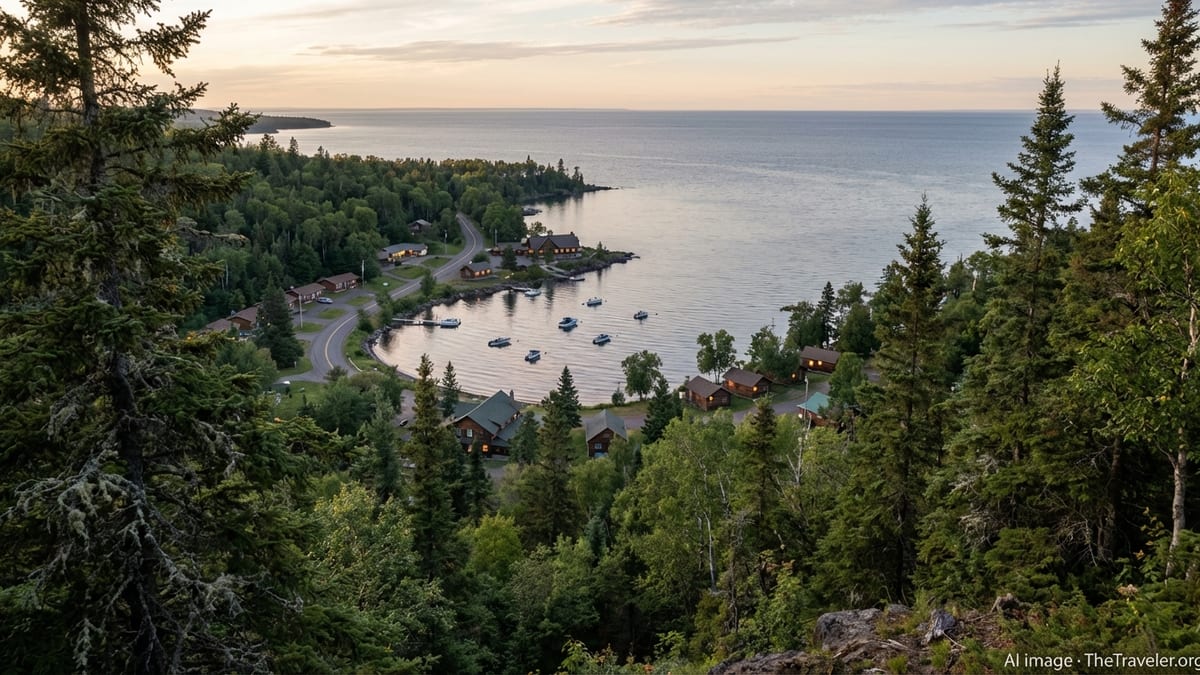
At the far northern tip of the peninsula, Copper Harbor delivers the classic Keweenaw postcard: a sheltered bay ringed by forested hills, a small collection of motels, inns, and cabin clusters, and a harborfront where you can watch tour boats idle and paddlers set off for Isle Royale-bound ferries during the summer season. Lodging in and around Copper Harbor skews small-scale and independent, with simple harbor-view motels, family-owned resorts, and rustic-modern cabin collections along the lakeshore. Many places are seasonal, typically opening in late spring and closing sometime in October, so shoulder-season visitors should verify dates directly with the property.
Travelers who want a walkable base appreciate staying right in Copper Harbor itself, where harbor-view rooms put you close to trailheads, a few restaurants, and the small but lively evening scene when outdoor travelers return from the woods. Nearby, resorts and cabin clusters along Lake Superior and Lake Fanny Hooe offer more seclusion and stronger immersion in the landscape. Campgrounds and a state park near town serve tent campers and RV travelers who prefer a basic but scenic base, with wooded sites, access to historic fort ruins, and lakeshore sunsets.
Just west and south along the shoreline, Eagle Harbor and Eagle River are quieter alternatives that still feel closely tied to the lake. Here, small inns, lakeside motels, and cottages line coves and rocky shores. The atmosphere is low-key and residential, making these villages appealing if you want to fall asleep to waves and wake up to short drives to lighthouses, waterfalls, and scenic stops along the coastal highway. Dining and shopping are limited, so many visitors plan to cook in cabin kitchens or drive into Copper Harbor or Calumet for meals.
Historic Lodges and Cabins in the Keweenaw’s Forested Heart
Move a bit inland from the lake and the lodging picture shifts toward rustic lodges and forest-surrounded cabin resorts. One of the signature experiences in the Keweenaw is staying in a historic log cabin or lodge property tucked into the hills rather than directly on the shoreline. Set amid mixed hardwoods and conifers, these stays often date back to the 1930s tourism boom or later midcentury outdoor resort era, with original stone fireplaces, knotty-pine interiors, and a focus on simple time in nature over polished luxury.
Several well-known properties near the top of the peninsula blend this historic character with modern comfort. Guests can book stand-alone cabins with one to three bedrooms, private baths, and heat for four-season stays, then use a central lodge as a social hub for dining and events. Some of these resorts have earned recognition for dark-sky preservation and nature-focused programming, offering guided stargazing, naturalist walks, and quiet policies after dark that appeal to travelers seeking a retreat atmosphere rather than nightlife. They also often serve as informal trailheads, with on-site or nearby access to mountain bike systems, ski loops, and snowshoe routes.
Smaller forest properties, scattered around inland lakes and along backroads between Eagle Harbor and Copper Harbor, range from simple housekeeping cabins to more design-forward, renovated units that emphasize slow living and lakefront views. At the more contemporary end, restored cabin collections on the Keweenaw’s north shore combine rustic exteriors with comfortable interiors, saunas, and thoughtful amenities tailored to travelers who want to disconnect but not rough it. These places book up quickly in peak summer, especially for long weekends, so it is wise to plan well ahead if a particular cabin style has caught your eye.
College-Town Convenience in Houghton and Hancock
At the southern approach to the peninsula, Houghton and Hancock function as the Keweenaw’s gateway cities. Anchored by Michigan Technological University, Houghton in particular has a broader range of services than the smaller harbor villages: several midrange chain hotels, local motels, riverside properties, and a growing crop of short-term rentals in historic downtown buildings. Travelers who prioritize predictable amenities such as indoor pools, business facilities, or pet-friendly policies may find it easiest to stay here, where lodging remains fairly consistent and open year-round.
Houghton’s compact downtown runs along the Portage Canal, with a mix of nineteenth-century brick facades and modern buildings. Several hotels and inns sit within a short walk of restaurants, breweries, coffee shops, and the waterfront trail. This makes the town a practical base if you are splitting your time between outdoor exploration and remote work or have people in your group who prefer evenings with a choice of dining and a stroll instead of deep-woods quiet. During university events and fall color weekends, however, rooms book up quickly and prices rise, so planning ahead is essential.
Across the canal, Hancock has a more residential feel but still offers a handful of hotels, motels, and bed-and-breakfast-style properties. Together the two towns are a strong option for winter trips, when lake-effect snow can pile up but plowing is reliable, and for shoulder seasons when some of the smaller Keweenaw resorts are closed. From here, it is an easy day trip north to Calumet’s historic district, state park beaches, or Copper Harbor’s trail networks, with the comfort of returning to a place where restaurants and grocery stores stay open year-round.
Mining Heritage and Small-Town Stays Around Calumet
North of Hancock, the historic corridor around Calumet, Laurium, and nearby villages offers an appealing middle ground between the bustle of Houghton and the seclusion of the northern tip. Calumet was once a major copper-mining center, and its stone churches, brick commercial blocks, and preserved industrial sites now form the core of a national historical park. Lodging here includes small inns in restored buildings, modest motels, and vacation rentals in former company houses. The atmosphere is unhurried, and you are close to both inland attractions and Lake Superior beaches.
Calumet and the neighboring communities function as a convenient base if you are especially interested in mining history, architecture, and local culture. You can spend a day exploring historic sites, walking past former mine offices and workers’ neighborhoods, or visiting small museums and galleries, then drive a short distance to reach hiking trails or lake overlooks. Because the area is less of a headline destination than Copper Harbor, it can offer better availability and slightly lower prices in peak summer, though big festival weekends and winter sports events still fill rooms.
For travelers who prefer a more low-key stay, this stretch of the Keweenaw also includes rural motels and cabins set near inland lakes and state recreation areas. Parks such as McLain State Park, located on the shoreline northwest of Hancock, provide camping and rustic cabins close to Lake Superior while keeping you within an easy drive of groceries and restaurants. This can be a smart choice if you want a mix of time on the beach, basic campsite comforts, and the option to dip into town when needed.
Camping, State Parks, and Lakeside Simplicity
The Keweenaw is one of the few regions around the Great Lakes where you can still find relatively uncrowded state park campgrounds and rustic cabins overlooking Superior, especially outside of peak holiday periods. Public campgrounds near Copper Harbor, along the northern shoreline, and at parks closer to Hancock and Calumet offer tent and RV sites set among spruce and birch, with lake access, basic facilities, and front-row seats for sunsets and, on clear nights, potential northern lights. Some parks also maintain camper cabins or small rustic structures that bridge the gap between tent camping and full-service lodging.
These campgrounds are especially popular with families, paddlers, and road-trippers who want to spend most of their time outdoors and are comfortable with simpler amenities. Sites are generally well spaced but not particularly private, with a mix of wooded and more open loops. Many visitors appreciate the social atmosphere in peak season, when the smell of campfires drifts through the trees and kids bike loops around the campground, while others seek out shoulder-season visits for quieter stays. Because the camping calendar and reservation systems can change, it is smart to confirm opening dates, booking windows, and any construction or closure notices before you build a trip around a specific park.
Outside the state parks, you will also find a scattering of private campgrounds, small lakeside RV parks, and primitive sites in national and county-managed forests. These runs the gamut from simple tent-only spots with pit toilets to more developed properties with hookups and small on-site stores. Regulations are important to respect here, especially concerning fire safety and shoreline access, as the Keweenaw’s ecosystems are both sensitive and highly valued by locals. When in doubt, travelers are well served by stopping at visitor information centers to ask about current conditions and best practices.
Rustic Lodges, Modern Cabins, and Winter Adventure Bases
One of the Keweenaw’s strengths as an all-season destination is the way its lodging stock adapts to winter. While some harbor motels and lakefront cabin clusters close after fall color season, a core group of rustic lodges, modern year-round cabins, and vacation homes stay open to serve skiers, snowshoers, and snowmobilers. The region is known for abundant lake-effect snowfall, and properties that operate through winter are generally well prepared with plowed access, reliable heating, and spaces to dry gear.
Near the top of the peninsula, historic cabin resorts in the hills provide classic Northwoods winter experiences: log cabins with fireplaces, snow-draped pines outside the windows, and trails that begin near your door. Many of these lodges balance history with practical upgrades such as modern bathrooms, efficient heating systems, and contactless check-in. A few have attached restaurants or cafes that emphasize local ingredients and slow food, making it easy to settle in for a weekend without driving far on snowy nights. Some have also embraced their role in the region’s dark-sky efforts, dimming exterior lighting and offering astronomy programs when conditions allow.
Farther south, Houghton and Hancock host visitors to nearby downhill ski areas and extensive trail systems. Here, chain hotels and locally owned properties alike accommodate winter travelers with hot breakfasts, hot tubs or pools, and secure storage for skis and bikes. Around Mount Bohemia and nearby lakes, independent cabins and house rentals act as ski bases for small groups. Given the intensity of winter weather in the Keweenaw, considering proximity to plowed main roads and the driving comfort level of everyone in your group is wise when choosing among these options.
How to Choose the Right Keweenaw Base for Your Trip
Deciding where to stay in the Keweenaw Peninsula comes down to a few key questions: how much you want to drive, how close you want to be to Lake Superior, and what balance of convenience and seclusion you are seeking. If you want to park the car and mostly walk, Copper Harbor’s compact harborfront or downtown Houghton’s canal-side blocks are logical choices. If your vision of the trip centers on dark nights, quiet forests, and campfires, then a historic lodge cabin or state park campground will likely fit better, even if it means a longer drive to restaurants or stores.
Budget and trip timing also play large roles. In peak summer and early autumn, harbor-view rooms and stylish lakefront cabins command some of the region’s highest nightly rates, while older motels, inland cabins, and camping remain more accessible. Visiting in late spring or late fall can bring lower prices and easier availability, though you will encounter more limited hours at some attractions and eateries. Winter travelers, meanwhile, often find that rates in the Houghton and Hancock area remain relatively stable, while ski-focused cabins near Mount Bohemia can be in high demand on weekends with fresh snow in the forecast.
Finally, consider the mix of people in your party. Families with young children may appreciate the structure of a hotel with predictable services, internal corridors, and pools. Couples or solo travelers looking for a sense of escape often gravitate toward cabin resorts and small inns. Groups of friends who plan to spend their days biking or skiing might prioritize access to specific trail networks over decor. Whatever your priorities, it pays to reserve early, confirm seasonal operations, and communicate with small independent lodgings about arrival times and special needs, as staff sizes are often small and operations hands-on.
The Takeaway
The Keweenaw Peninsula rewards travelers who choose their base thoughtfully. From the harborfront motels and small resorts of Copper Harbor and Eagle Harbor to the historic cabin lodges tucked into the northern hills, and from the college-town hotels of Houghton and Hancock to the campgrounds that line Lake Superior’s shoreline, each area offers a distinct way to experience this remote stretch of Michigan. None is objectively better; each aligns with different priorities, from walkability and dining options to seclusion, starry skies, or powder-day access.
By understanding the peninsula’s layout, seasonality, and lodging character, you can match your stay to your own travel style. Whether you curl up beside a stone fireplace in a log cabin, watch the bridge lights shimmer on the canal from a downtown hotel, or step out of a tent to hear waves on the rocks, your choice of overnight base will shape your memories of the Keweenaw as much as any single overlook or hiking trail.
FAQ
Q1. What is the best town to stay in on the Keweenaw Peninsula for first-time visitors?
The best all-around choice for first-time visitors is usually Copper Harbor if you are traveling in summer or early fall, or Houghton if you are visiting in winter or shoulder seasons. Copper Harbor puts you close to scenic drives, hiking and biking trails, and Lake Superior views, while Houghton offers more year-round dining, services, and lodging variety.
Q2. When should I book lodging in the Keweenaw Peninsula?
For trips in July, August, peak fall color, or major winter event weekends, it is wise to book several months in advance, especially for small harbor motels, popular cabin resorts, and state park campgrounds. Outside of those peak times, you may find more flexibility, but last-minute availability can still be limited in the smallest towns.
Q3. Are there year-round places to stay in Copper Harbor?
Yes, a handful of properties in and around Copper Harbor operate year-round, including historic cabin lodges and some motels or cabin clusters. Availability can be more limited in deep winter, and some restaurants or shops may be closed, so winter visitors should confirm both lodging and dining options in advance.
Q4. Is camping a good option for exploring the Keweenaw?
Camping is an excellent way to experience the Keweenaw, particularly in late spring through early fall. State parks and some private campgrounds offer tent and RV sites close to Lake Superior and forest trails. However, reservations are increasingly important in midsummer and on holiday weekends, and weather can be cool even in July, so good gear is essential.
Q5. Where should I stay if I want to ski at Mount Bohemia?
If you are focused on skiing at Mount Bohemia, look for lodging in the northern Keweenaw, including cabin resorts, vacation rentals, and modest motels within a short drive of the hill. Some properties cater specifically to skiers and may offer features like gear storage and late check-in, while others in Houghton and Hancock provide more amenities but require a longer daily drive.
Q6. Are there pet-friendly places to stay in the Keweenaw Peninsula?
Yes, many properties, from chain hotels in Houghton and Hancock to individual cabins, motels, and some campgrounds, welcome pets in designated rooms or units. Policies vary widely, so it is important to confirm pet fees, restrictions, and any rules about leaving animals unattended before booking.
Q7. What is the quietest area to stay in the Keweenaw?
If you are seeking maximum quiet, look for forested cabin resorts, small lakeside cottages, or state park campgrounds away from main roads, particularly around the northern interior and less developed shoreline stretches. Eagle River, parts of Eagle Harbor, and inland lakes can feel especially serene outside peak holiday periods.
Q8. Can I find luxury or high-end lodging in the Keweenaw?
The Keweenaw’s lodging scene leans more toward rustic comfort and character than traditional luxury. That said, some renovated cabins, boutique-style inns, and higher-end vacation rentals offer refined interiors, thoughtful design, and amenities like saunas or curated food programs. Expect understated, place-sensitive comfort rather than resort-style opulence.
Q9. Is it better to stay in one place or move around the peninsula?
Both approaches work. Many visitors pick a single base, such as Houghton or Copper Harbor, and explore from there on day trips. Others split their time, spending a couple of nights in a harbor town and a couple in a forest lodge or state park. Moving once during a week-long trip can give you two distinct perspectives without too much packing and unpacking.
Q10. How important is it to have a car when staying in the Keweenaw Peninsula?
Having a car is very important for most visitors. Public transportation is limited, distances between towns and trailheads can be significant, and weather conditions may require flexible routing. With your own vehicle, you can comfortably reach remote beaches, overlooks, and trail systems from whatever base you choose.