

Few countries pack in as much variety as Turkey. Within a single trip you can laze on turquoise bays, get lost in bazaars and rooftop bars, and wander through ruins that predate Rome. The challenge is not whether to go, but where to stay. Beach resort, buzzing city, or historic heartland will shape your experience. This guide breaks down Turkey’s main regions and standout bases so you can match your accommodation to the trip you really want, whether that means sunrise swims, late-night meze, or sunrise balloons floating above ancient landscapes.
Understanding Turkey’s Main Regions
Turkey stretches from the Aegean Sea to the mountains of eastern Anatolia, and that geography directly influences where you should stay. Broadly speaking, beach resorts cluster along the southwest and southern coasts, city breaks gravitate to Istanbul and a handful of regional hubs, and the richest historical landscapes unfold in western and central Anatolia. Distances can be long, so it is often smarter to choose one or two well-connected bases rather than trying to see the entire country from a single hotel.
Infrastructure continues to improve, with new highway sections and expanding domestic flight networks making it easier to hop between coasts and the interior. At the same time, visitor numbers remain high, especially from Europe and Russia, so booking your preferred area early is important if you plan to travel between June and September. While classic resorts like Antalya, Bodrum, and Fethiye stay busy in peak season, quieter coastal towns and smaller historic centers still offer more relaxed stays if you choose carefully.
Season matters just as much as geography. The Mediterranean and Aegean coasts are ideal from late April to late October, with July and August at their hottest and most crowded. Istanbul and other cities are more comfortable in spring and autumn, when daytime sightseeing is pleasant and hotel prices outside major holidays can be reasonable. Inland historic regions such as Cappadocia have more pronounced seasons, with hot summers, chilly winters, and magical shoulder months that suit hiking and outdoor exploration.
When weighing beach, city, or history, remember that many Turkish destinations blend all three. In places like Antalya, Izmir, and Fethiye you can swim in the morning, visit ruins in the afternoon, and finish the day in a lively harbor or old town. The key is deciding which element you want to prioritize and choosing your base accordingly.
Best Places to Stay for Beaches
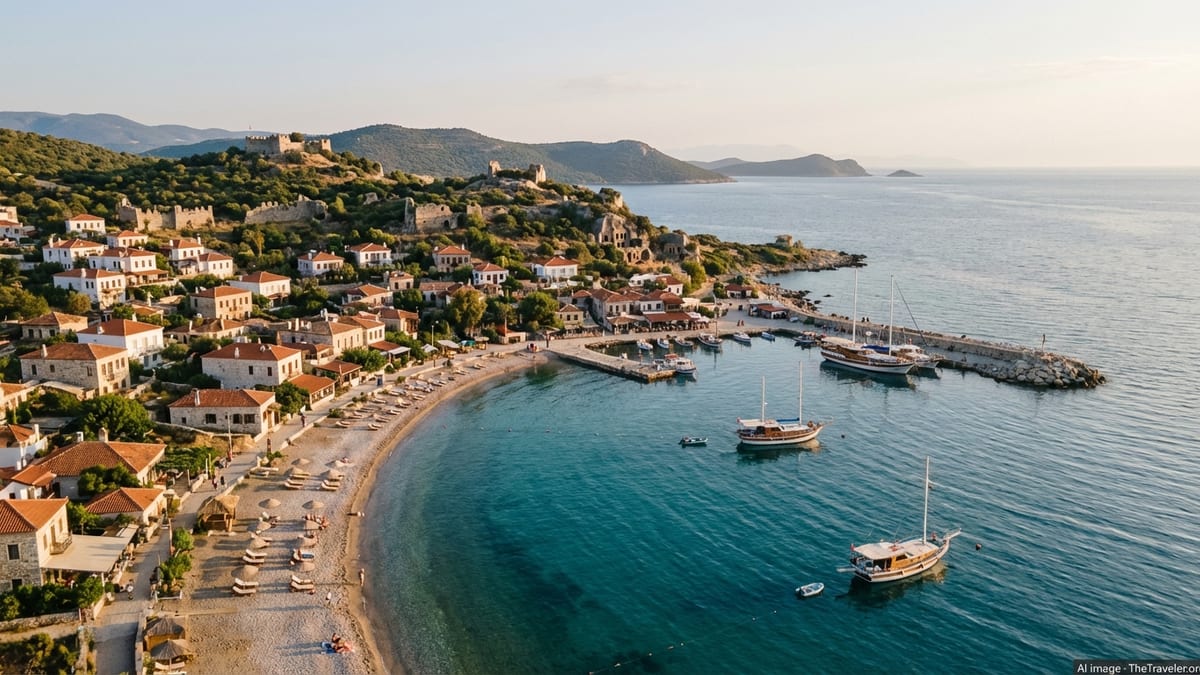
If waking up to sea views tops your list, look first to Turkey’s Aegean and Mediterranean coasts. Flagship beach areas include resort belts around Antalya on the so-called Turkish Riviera, the Bodrum Peninsula facing Greek islands, and the more rugged coastline around Fethiye and Kaş. These regions offer a mix of big all-inclusive hotels, boutique guesthouses, and simple pensions, so you can tailor the experience from low-key to high-luxury.
Near Antalya, broad stretches such as Konyaaltı and Lara offer easy access to city amenities as well as long pebbly or sandy beaches, with clear water and seasonal lifeguard coverage. Smaller coves and quieter villages west and east of the city appeal to travelers who prefer pine-fringed bays and access to boat trips rather than rows of beach clubs. Around Fethiye, Ölüdeniz is famed for its protected lagoon and paragliding scene, while nearby coves such as Kabak and Butterfly Valley attract a more bohemian crowd seeking simple cabins and steep paths leading to pebbled shores.
The Bodrum area delivers a different mood, with chic beach clubs, upscale hotels, and an established nightlife. Small villages like Gümüşlük and Akyarlar combine laid-back beaches with good seafood, while the main town offers marinas, shopping streets, and a medieval castle that sets a scenic backdrop. Further north, the Çeşme and Alaçatı region on the Aegean has developed into a fashionable escape known for windsurfing, kitesurfing, and long, shallow sandy beaches such as Ilıca. Here, the atmosphere blends beach life with stone-house villages and trendy restaurants.
Prices along the coast vary widely, and in headline destinations such as Bodrum and Çeşme some private beach clubs now command particularly high entrance fees and minimum spends in peak season. If value is a priority, look instead to places like Marmaris, Dalyan, or smaller family-run hotels near Fethiye and Kaş, where public beaches and modestly priced sunbed rentals are still the norm. Choosing a base a short walk or drive from the busiest promenades can keep costs down while preserving easy sea access.
Best Places to Stay for Cities and Culture
For travelers who thrive on city energy, food scenes, and cultural life, Istanbul is the default choice and deservedly so. Straddling Europe and Asia, it offers world-class museums, Ottoman palaces, grand mosques, and contemporary galleries alongside waterfront neighborhoods and modern business districts. Staying in or near the historic peninsula gives quick access to landmarks such as Hagia Sophia and the Grand Bazaar, while districts across the Golden Horn and on the Asian side deliver more local-feeling streets, nightlife, and dining.
Beyond Istanbul, regional cities provide a softer, more manageable urban experience that still delivers cultural depth. Izmir, set on the Aegean, combines a long promenade with lively markets and easy day trips to beach towns and ancient sites. It is a good choice if you want a base with reliable public transport, a youthful café scene, and the option to escape to the sea or ruins within an hour or two. Antalya city, often overshadowed by its resort belt, also offers an appealing blend of old town streets, marina views, and access to both beaches and waterfalls close by.
Internal flights connect Istanbul to almost every major center, making multi-city itineraries feasible even on a shorter trip. Many visitors now begin in Istanbul for several nights, then connect to a coastal city such as Izmir or Antalya and continue by road along the coast. This approach allows you to experience both urban culture and relaxed seaside living without spending too much time in transit. Bus and coach networks remain extensive and cost-effective, though journey times can be long on overnight routes.
When choosing a city base, consider how much time you plan to spend in museums, galleries, and restaurants versus on day trips to coast or countryside. Istanbul rewards a stay of at least three to four full days, while Izmir or Antalya can be explored at a slower pace alongside excursions. If your goal is to balance cultural immersion with downtime, pairing a larger city with a smaller town nearby often works well.
Best Places to Stay for Ancient Ruins and History
Travelers drawn primarily by history could spend weeks in Turkey without exhausting its archaeological and architectural riches. For a deep dive into antiquity, the western coast and central Anatolia stand out. Around the Aegean, bases such as Selçuk or nearby towns offer easy access to Ephesus, one of the best-preserved classical cities in the region, along with smaller sites and rural villages. Here, staying in a guesthouse within walking distance of old stone streets and hilltop fortifications can be more atmospheric than a large resort.
Further south along the Mediterranean, the region of Lycia is dotted with ruins that tumble down hillsides or lie hidden in pine forests just behind the shore. Towns such as Kaş, Kalkan, and Patara make excellent bases for combining days on the beach with visits to rock tombs, partially submerged cities, and remote amphitheaters that see relatively few tour groups. Patara in particular offers the rare pairing of a long, protected sand beach and significant archaeological remains a short distance inland.
Inland, Cappadocia is the country’s most famous historic landscape after Istanbul, known for its volcanic rock formations, underground cities, and cave churches decorated with early Christian frescoes. Villages such as Göreme, Ürgüp, and Uçhisar host a full range of accommodations, from simple pensions carved into rock to high-end cave hotels with panoramic terraces. Many visitors choose to stay in a traditional stone house or cave suite to extend the feeling of immersion beyond daytime sightseeing and dawn balloon flights.
Smaller towns and cities also offer rewarding historic bases away from the main resort circuits. Safranbolu in the Black Sea region, for example, is renowned for its well-preserved Ottoman houses, while Konya presents a more conservative atmosphere shaped by Sufi heritage and Seljuk-era monuments. These destinations suit travelers interested in architecture, religious history, and local daily life more than in nightlife or beaches, and they lend themselves well to slow travel and extended stays.
Choosing Your Base by Travel Style and Budget
Once you know whether you lean toward beaches, cities, or history, your travel style and budget should guide where you stay. Luxury seekers will find some of Turkey’s most polished resorts around Bodrum, Belek near Antalya, and certain parts of Çeşme, where high-end hotels and private beaches cater to guests who prioritize comfort, design, and on-site facilities. In cities, international chains sit alongside stylish boutique hotels housed in converted mansions or warehouses, especially in central Istanbul districts.
Mid-range travelers are well served across the country. Family-run hotels and pensions line many coastal promenades and old town streets, typically including breakfast and offering personal advice about local beaches and excursions. In historic areas, restored stone houses and small inns often provide a sense of place at moderate rates, though prices rise in peak months and during popular festivals. Booking slightly away from waterfronts or main squares can reduce costs significantly while keeping you within an easy walk of key sights.
Budget-conscious visitors usually fare best in smaller coastal towns, city side streets, and inland regions. In many destinations outside the most fashion-conscious resort strips, guesthouses and simple apartments still provide good value, especially when booked outside the height of summer. Long-distance buses and shared minibuses help keep transport costs down, while self-catering apartments or rooms with kitchenettes allow you to take advantage of plentiful local produce and markets rather than eating out for every meal.
Be aware that in some high-profile coastal spots, particularly along parts of the Aegean, daily costs on private beaches and in trendy venues have risen sharply in recent seasons. If you want to keep a lid on spending, prioritize areas where public beaches are extensive, and look for hotels that include pool access and breakfast. Reading recent traveler feedback and checking what is included in resort fees or beach club entry can help you avoid surprises on arrival.
Suggested Base Combinations for Different Trips
Because domestic connections are relatively straightforward, many visitors choose two or three bases that reflect different sides of Turkey. For a first-time trip that blends everything, a classic combination is Istanbul, Cappadocia, and a Mediterranean coast town. That might mean several nights in Istanbul for major landmarks and food, a few nights in Cappadocia for outdoor and historical exploration, then a final stretch in Antalya or Fethiye to unwind by the sea.
Travelers with limited time might opt for just one change of scene. For example, pairing Istanbul with Izmir or Antalya allows you to experience both a major city and a coastal base with shorter internal flights. Those focusing on beaches and history could skip Istanbul entirely and instead divide their time between a Lycian coast town such as Kaş or Kalkan and an inland base near Pamukkale or Ephesus, minimizing long travel days while still covering varied landscapes.
Slow travelers and digital nomads often choose a single coastal town or mid-sized city and stay for several weeks. Places with good cafés, reliable internet, and easy walking environments, such as certain neighborhoods in Izmir or smaller seaside communities, suit those who want local rhythms more than packed sightseeing schedules. Some coastal and Cappadocian hotels now target longer stays, so it can be worth asking directly about weekly or monthly rates outside peak season.
When planning combinations, factor in travel days and early-morning flight times, especially if you will be catching an international departure at the end of your trip. Staying your final night in Istanbul or another major hub rather than a distant resort can reduce stress and the risk of missing connections, particularly during busy holiday weekends.
The Takeaway
Choosing where to stay in Turkey is ultimately about deciding which version of the country you want to wake up to each morning. Turquoise bays and pine-scented hills define the coast, layered skylines and waterfront promenades characterize the cities, and stone ruins and carved valleys shape the historic heartland. With careful base selection, you can experience more than one of these faces within a single itinerary.
If beaches are your priority, the Aegean and Mediterranean coasts offer ample choice, from high-energy resorts to quiet coves. If you seek culture and cuisine, Istanbul and regional cities will fill your days and nights. If history calls most strongly, western and central Anatolia reward deeper stays in smaller towns and landscapes carved by time. Many travelers find that Turkey pulls them back more than once, so consider your first trip a starting point rather than a once-in-a-lifetime checklist.
By matching your accommodation to your interests, season, and budget, you can make the most of Turkey’s diversity without stretching yourself thin. Whether you end the day rinsing off salt water on a hotel balcony, stepping out into a maze of city streets, or staring at starlit ruins, the right base will anchor your experience and turn a good trip into a memorable one.
FAQ
Q1. Where should I stay in Turkey if I want the best beaches?
For classic beach holidays, look first to areas around Antalya, Fethiye, Bodrum, and Çeşme, then choose between larger resorts and quieter nearby towns depending on your preferred atmosphere and budget.
Q2. Which city is best as a first-time base in Turkey?
Istanbul is the strongest all-round choice, with major historic sights, diverse neighborhoods, and easy onward connections to coastal and inland regions for side trips or second bases.
Q3. Is it possible to combine beaches, cities, and history in one trip?
Yes, many itineraries link Istanbul, Cappadocia, and a coastal town such as Antalya or Fethiye, allowing you to experience urban culture, ancient landscapes, and time by the sea in roughly ten to fourteen days.
Q4. Where should I stay for the best access to ancient ruins?
Selçuk for Ephesus, towns along the Lycian coast such as Kaş or Patara, and Cappadocian villages like Göreme or Ürgüp all place you close to major archaeological and historic sites.
Q5. Are Turkey’s big resorts much more expensive than smaller towns?
In popular Aegean and Mediterranean hotspots, especially high-profile beach clubs, prices can be significantly higher in peak season, while nearby smaller towns and family-run hotels often offer better value.
Q6. What is the best time of year to stay on the coast?
Late April to late October usually provides warm weather along the Aegean and Mediterranean, with June and September often offering a balance between good swimming conditions and manageable crowds.
Q7. How many nights should I plan in Istanbul versus the coast?
For a balanced first visit, plan at least three or four full days in Istanbul to see key sights and explore neighborhoods, then add four to seven nights on the coast depending on how much beach time you want.
Q8. Is it better to stay in one place or move around?
If you have a week or less, two bases are usually enough to avoid spending too much time in transit, while longer trips can comfortably include three bases as long as they are well connected.
Q9. Where should I stay if I prefer quieter, more local experiences?
Look at smaller coastal towns, historic inland centers, and residential city neighborhoods rather than main resort strips or tourist-heavy districts, and favor guesthouses over large international hotels.
Q10. Do I need to book accommodation far in advance in Turkey?
For July and August on the main coasts, and for popular periods in Istanbul and Cappadocia, booking several months ahead is wise, while shoulder seasons often offer more flexibility and choice.