

Hudson Bay is one of the wildest, least populated shorelines on Earth, fringed by Cree and Inuit communities, tundra, tidal flats and vast protected areas. Choosing where to stay is not just a matter of comfort. It shapes the wildlife you see, the culture you experience and the logistics of getting in and out of this immense subarctic region. From relatively accessible rail towns to fly-in wilderness lodges, this guide explores the main gateway communities and standout places to stay around Hudson Bay in Manitoba, Ontario, Nunavut and Quebec.
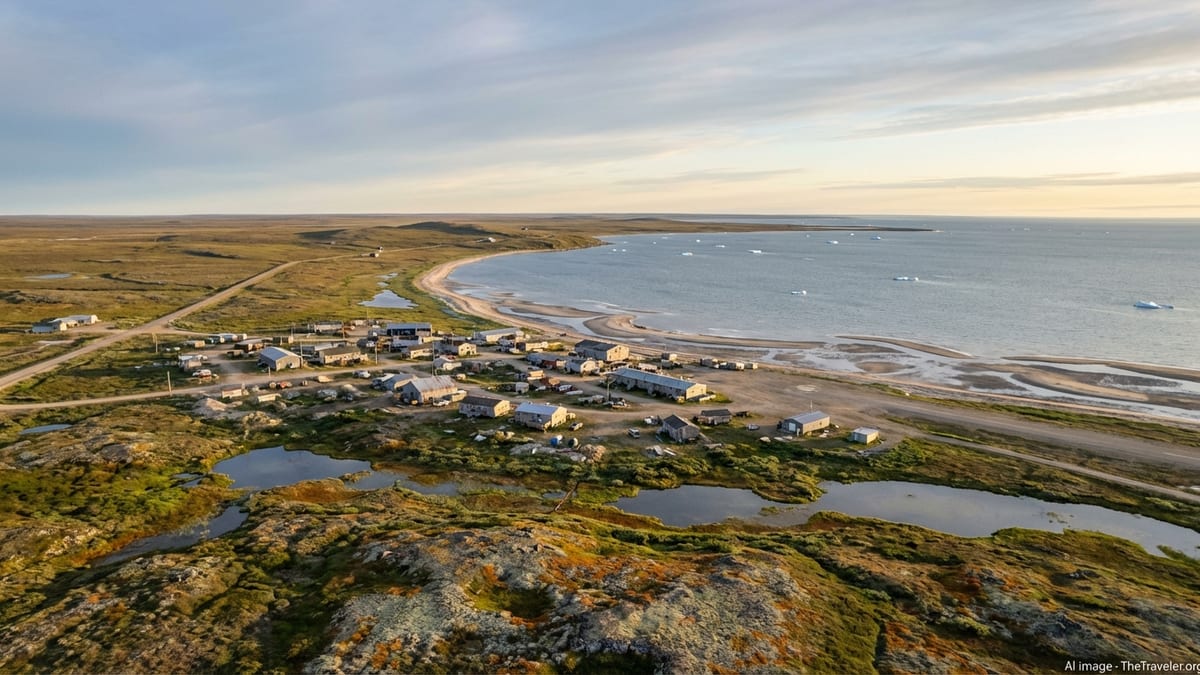
Understanding Hudson Bay as a Destination
Hudson Bay spans thousands of kilometres of coastline across Manitoba, Ontario, Quebec and Nunavut, but it has very few permanent settlements. Outside a short summer window in some areas, conditions are harsh and infrastructure is limited. That reality makes your choice of base especially important. Rather than a continuous chain of resorts, the bay is served by a handful of gateway towns, smaller Cree or Inuit villages and a small number of privately operated wilderness lodges focused on wildlife viewing and cultural tourism.
Travel here is often centred on a specific theme. Summer focuses on beluga whales, migratory birds and tundra wildflowers, while autumn is prime time for polar bears along parts of the Manitoba coast. Winter draws visitors seeking northern lights and extreme cold experiences. Because distances are large and there are almost no coastal roads, most multi-day trips are based out of one hub community with guided day journeys by boat, specialized vehicles, snowmobiles or small aircraft.
Accommodation standards vary widely, from simple motels and community-owned inns to boutique eco-lodges where logistics, meals and guiding are packaged into one price. In many remote regions, independent travel is impractical or restricted, so partnering with an experienced operator is the only realistic way to visit. Booking well ahead is essential, as the short seasons and small room counts mean popular departures fill quickly.
As you weigh the options below, it helps to be clear about your priorities. If you want the broadest range of tours and most convenient transport connections, look to established hubs such as Churchill or Moosonee and Moose Factory. If your goal is immersive wildlife encounters or time with specific Cree or Inuit communities, a lodge-based stay or visit to a smaller northern village can be far more rewarding despite the additional planning.
Churchill, Manitoba: Classic Gateway to Polar Bears and Belugas
On the western shore of Hudson Bay, Churchill is the best-known access point for the subarctic coast. There are no roads leading in, so visitors arrive by plane or via train from southern Manitoba. Despite its isolation, Churchill offers the greatest concentration of tourism infrastructure anywhere on the bay, including small hotels, guesthouses, tour outfitters and locally owned restaurants and shops. The town acts as the main gateway to Wapusk National Park and the surrounding tundra and coast, and many visitors never need to travel farther than a few dozen kilometres from town to experience the region’s wildlife.
Summer and early autumn are peak seasons here. In July and August, thousands of beluga whales gather in the nearby Churchill, Seal and Nelson rivers, and several operators offer boat tours and kayaking among the whales. At the same time, tundra wildflowers bloom and migratory birds crowd the wetlands. Later in the season, polar bears move along the coast waiting for the bay to freeze, and specialized vehicles take visitors from town into the tundra to view them responsibly. Tour companies based in Churchill run tightly coordinated itineraries built around these natural rhythms, and accommodation is often packaged together with guiding, transport and meals.
The town’s places to stay range from functional motels and small inns to more characterful lodges built with visitors in mind. Some properties emphasize northern hospitality and local history, while others are closely integrated with specific tour operators, offering their own polar bear viewing excursions, northern lights programs or cultural experiences. Rooms are limited, especially in peak bear and beluga seasons, and rates reflect the complicated logistics of operating at the end of the rail line, so it is prudent to reserve months in advance.
Churchill also works well for travellers who want to balance wildlife with culture. Local museums, heritage buildings and Indigenous cultural centres offer context on the region’s Cree, Inuit and Dene communities and the long fur trade history. Staying in town rather than at a remote lodge gives you more freedom to explore these facets between excursions. For visitors seeking a first introduction to Hudson Bay, Churchill provides a rare combination of wilderness access and basic urban conveniences.
Remote Coastal Lodges on the Manitoba Shore
For deeper immersion in the subarctic environment, a handful of small lodges along the Manitoba coast north of Churchill provide a very different style of stay. These properties are typically reachable only by chartered aircraft or specialized boats and operate on fixed-season packages. Rather than serving as simple hotels, they function as self-contained expedition bases with guided outings, meals and transfers bundled into a single booking. This model gives visitors extended time on the land and water, far from any road or town lights.
Several lodges cater specifically to polar bear and beluga viewing, positioning themselves near estuaries or stretches of coastline where bears travel and whales congregate in summer. Elevated decks, fenced compounds and dedicated viewing towers are common design features, allowing guests to watch wildlife safely on foot or from comfortable lounges. Many packages centre on multi-night “bears and belugas” programs in mid-summer or polar bear photo safaris in late summer and autumn. The focus is on small groups, long viewing windows and a high level of interpretation from resident guides.
Staying at one of these coastal lodges is more logistically demanding and typically more expensive than remaining in Churchill itself, but the trade-off is intimacy. With fewer guests and no town distractions, the sense of being embedded in the tundra is strong. Meals are shared in communal dining rooms, and evenings often revolve around storytelling, photography reviews or simply watching the sky for the northern lights. The isolation also means it is important to prepare mentally for unpredictable weather and possible delays, as storm systems can temporarily ground aircraft or boats.
These properties work best for travellers who know their interests clearly. If your priority is maximizing wildlife encounters and you are comfortable relinquishing some flexibility, a remote lodge stay can deliver exceptional access. For those who prefer a mix of unguided exploration, restaurant choice and independent time in a community, basing entirely in Churchill or another gateway town may be more suitable.
Moosonee and Moose Factory, Ontario: Rail Gateway to the James Bay Coast
On the southern fringe of the Hudson Bay system, the twin communities of Moosonee and Moose Factory serve as the primary access point to the James Bay coast in Ontario. Moosonee sits on the mainland at the end of a remote rail line, while Moose Factory occupies an island in the Moose River estuary. Travellers typically arrive via the long-distance Polar Bear Express train from Cochrane, and a short water taxi or boat ride links the two communities. The journey itself, passing boreal forest, rivers and isolated homesteads, is part of the appeal for visitors heading north.
Moosonee offers a limited but important range of visitor services, including basic hotels, small restaurants and supplies. The town promotes itself as a place to “touch the edge of the Arctic,” with broad views over the Moose River and seasonal opportunities for birding and river-based excursions. In summer, locally run boat trips explore the estuary and the approach to James Bay, and the nearby islands form the core of Tidewater Provincial Park, a small but significant protected area representing the Hudson Bay Lowlands. The park’s tent sites and day-use areas allow adventurous visitors to camp or picnic on these low-lying islands accessed by boat from town.
Across the river, Moose Factory has a deeper concentration of historical and cultural sites. Once a major Hudson’s Bay Company post, it preserves 19th-century buildings in its heritage precinct, alongside Cree cultural facilities and community-owned accommodations such as eco-lodges and small inns. Staying here connects visitors more directly with local life, as many tourism services are run in partnership with Moose Cree citizens. Guided outings may include canoe excursions, seasonal trapline visits, cultural interpretive walks and trips further downriver toward the open waters of James Bay.
Moosonee and Moose Factory are far more low-key than Churchill or the specialized wildlife lodges of northern Manitoba. Nightlife is minimal, infrastructure is basic and weather can be cool and damp even at the height of summer. Yet for travellers interested in the human history of Hudson Bay, Cree culture and the feeling of a working northern community, a stay of several days offers rich rewards. Planning ahead remains essential, especially for camping in Tidewater Provincial Park or joining guided trips into even more remote areas such as Polar Bear Provincial Park, which lies further up the coast and has no public facilities.
Nunavut’s Western Hudson Bay Communities
On the western and northern shores of Hudson Bay, several small Nunavut communities offer very different perspectives on the region. These settlements, such as Arviat, Rankin Inlet and others along the coast, are first and foremost home to Inuit residents rather than tourism destinations. Visitor services tend to be modest, focused on community hotels or inns, local outfitters and co-operatives. Nonetheless, they provide important bases for travellers interested in Inuit culture, art and on-the-land experiences, often built around seasonal wildlife opportunities on the tundra and ice.
Access to these communities is almost entirely by air, using regional carriers that link them to Iqaluit or to towns in Manitoba. Stays are typically arranged through local hotels and tour operators that can coordinate guided outings such as boat trips along the coast, hikes over tundra or visits to archaeological and cultural sites. In some cases, lodges or camps outside the main settlement are used seasonally for hunting, fishing or wildlife viewing excursions, though these may cater more to regional visitors than to international tourists.
Expect accommodation here to be functional rather than luxurious, with a premium on reliability, warmth and hearty food. Many properties are small and family-run, and dining often centres on local ingredients when available. The reward for choosing these communities as your base lies in the depth of cultural interaction. Daily life is visible at every turn, from children playing around sleds and boats pulled up on shore to elders sharing stories of hunting trails and sea ice. With sensitivity, patience and good local guidance, visitors can gain insights into how people thrive in such remote coastal environments.
Because tourism is still a secondary activity in many Nunavut communities around Hudson Bay, travellers need to be flexible. Flight schedules can change with weather, and services such as guided tours may not operate to fixed timetables. Reconfirming arrangements, travelling with generous buffers in your itinerary and bringing personal essentials that might be hard to replace locally are all sensible strategies. Those who embrace these realities are often rewarded with stays that feel less like packaged trips and more like extended community visits.
Quebec’s Nunavik Coast: Cree and Inuit Gateways
On the eastern shore of Hudson Bay, the Nunavik region of northern Quebec combines Cree and Inuit communities, wide estuaries and proximity to vast protected areas. The Cree village of Whapmagoostui and the adjacent Inuit village of Kuujjuarapik share a common location at the mouth of the Great Whale River, overlooking Hudson Bay. Farther north, Umiujaq and other coastal communities sit near major conservation areas such as Tursujuq National Park, one of Quebec’s largest protected landscapes and a gateway to lakes, rivers and Hudson Bay inlets. These villages are small, but they offer invaluable starting points for exploring a lesser-visited side of the bay.
Whapmagoostui and Kuujjuarapik together form a distinctive dual community, with Cree and Inuit residents living side by side. Access is by air and, in late summer, by boat, as there are no permanent roads linking this coast to southern Quebec. Accommodation options tend to be simple hotels, boarding houses or community-run inns, occasionally combined with meal plans or guiding arrangements. Stays here are shaped by the rhythm of local life, from school terms and community gatherings to hunting and fishing seasons, and visitors are guests within that existing framework.
Umiujaq, farther north along the coast, is an Inuit community set near the shores of Tursujuq National Park. The village acts as the administrative and logistical base for park access, with an unpaved road connecting the settlement to the park’s interior landscapes of lakes, plateaus and river systems. Here, accommodation again tends to be modest, with small inns or community lodgings serving travellers who have coordinated backcountry trips in the park or coastal outings on Hudson Bay. National and regional park authorities, as well as local guides, are central in arranging these expeditions.
Travel in Nunavik requires more advance coordination than in better-known destinations. Flights are limited, weather is unpredictable and tourism infrastructure is deliberately low-impact. Yet for travellers interested in combining time on the bay with deep engagement in Cree and Inuit cultures, these communities are compelling choices. A stay of several days allows time to join guided outings, visit cultural centres or simply walk the shoreline in changing light, watching ice, tide and migratory birds define the horizon.
Seasonality, Logistics and Booking Strategies
Regardless of which community or lodge you choose, the timing of your visit to Hudson Bay shapes every part of the experience. In mid-summer, long days and relatively mild temperatures dominate much of the coast, rivers swell with meltwater and beluga whales congregate in certain estuaries. Autumn brings sharper light, cooler winds and the famous polar bear migration along parts of the Manitoba shore, while winters are dominated by snow, frozen bays and some of the clearest skies for northern lights watching. Spring can be a transitional, less visited shoulder season, important for local hunting and wildlife but more challenging for visitors.
Logistics are also distinctive. Many communities can only be reached by plane or, in the case of Moosonee, by rail and river taxi. Within those communities, distances may be walkable, but excursions beyond town almost always require local transport: boats, all-terrain vehicles, snowmobiles or specialized tundra vehicles. In remote parks such as Wapusk or Polar Bear Provincial Park, independent access is tightly controlled or strongly discouraged, meaning your choice of licensed tour operator or outfitter effectively determines how and where you can travel.
When booking, it is wise to think of your accommodation and guiding as a single package rather than separate pieces. In Churchill, for example, many lodges and tour companies offer integrated itineraries that include accommodation, wildlife viewing days, cultural tours and transfers bundled together. On the Nunavut and Nunavik coasts, community hotels often work hand in hand with local guides and outfitters. In Ontario’s James Bay region, camping or paddling trips that end in Moosonee or Tidewater Provincial Park are typically organized months in advance to align with train schedules and seasonal park operations.
Flexibility is vital. Flights and trains can be delayed by weather, and coastal conditions may force last-minute changes to outings. Building buffer days into your itinerary, investing in comprehensive travel insurance and packing with the expectation of rapid shifts from sunshine to driving sleet all help manage the uncertainties that come with such a remote destination. Those who approach Hudson Bay as an expedition rather than a conventional holiday tend to handle these realities best.
The Takeaway
Choosing where to stay near Hudson Bay is as much about philosophy as it is about geography. Opting for Churchill or Moosonee and Moose Factory means embracing a blend of frontier town energy, local culture and guided forays into surrounding wilderness. Selecting a remote coastal lodge on the Manitoba shore puts you at the heart of prime polar bear and beluga habitat, at the cost of flexibility and a requirement for structured, all-inclusive packages. Heading to Nunavut or Nunavik centres the experience on community life and cultural learning, with more modest accommodation but a richer sense of how people call this coastline home.
There is no single “best” base around Hudson Bay. Instead, there are different hubs, each opening a particular window onto this vast inland sea and its changing seasons. Whichever you choose, the key is thoughtful planning: learning about the community you will be visiting, booking with reputable operators, respecting local customs and leaving space in your schedule for weather and serendipity. In such a sparsely populated region, your presence has a tangible impact, and careful choices support the communities and ecosystems that make these journeys possible.
For many travellers, the most powerful memories of Hudson Bay are simple ones: watching belugas roll through an estuary at midnight, standing on a boardwalk listening to migrating geese, or sharing tea in a community hall while a storm sidetracks a flight. The right base will not eliminate the region’s unpredictability, but it will give you a safe, welcoming place to return to as those moments unfold.
FAQ
Q1. What is the best time of year to visit Hudson Bay for wildlife viewing?
The ideal time depends on what you hope to see. Summer is generally strongest for beluga whales and migratory birds, while late summer and autumn are prime months for polar bears along parts of the Manitoba coast. Winter brings northern lights and deep snow. Each region has slightly different peak periods, so confirm seasonal timing with local operators before you book.
Q2. Do I need to join a guided tour, or can I explore Hudson Bay independently?
In many areas independent travel is difficult or restricted because there are no roads, limited services and safety concerns around wildlife and weather. Towns like Churchill, Moosonee and some Nunavut and Nunavik communities can be visited independently, but excursions into surrounding tundra, parks and coastal zones commonly require licensed guides or tour companies. For remote wilderness areas, a guided trip is effectively essential.
Q3. How far in advance should I book accommodation near Hudson Bay?
Because seasons are short and room numbers small, it is usual to book many months in advance for peak wildlife periods. For popular polar bear and beluga itineraries based out of Churchill or coastal lodges, a year or more of lead time is not unusual. In smaller communities and during shoulder seasons, you may find more flexibility, but advance reservations are still recommended.
Q4. What types of accommodation are available around Hudson Bay?
Options range from simple motels and community inns in gateway towns to boutique eco-lodges, remote wildlife lodges and basic campgrounds in certain parks. In very remote regions, accommodation is often part of an all-inclusive package that bundles guiding, meals and transportation. Luxury in the traditional sense is rare. Comfort tends to be defined by warmth, good food and experienced staff rather than high-end amenities.
Q5. How do I get to Hudson Bay if there are few or no roads?
Most visitors rely on regional flights or, in some cases, trains. Churchill is reached by air or rail from southern Manitoba. Moosonee, gateway to Ontario’s James Bay coast, is reached by train and then by boat to Moose Factory or Tidewater Provincial Park. Many Nunavut and Nunavik communities are accessible only by scheduled or charter flights, with limited boat access in late summer.
Q6. Is it safe to stay in areas with polar bears nearby?
When you travel with reputable operators and follow local guidance, risk is carefully managed. Lodges and tour companies use fenced compounds, elevated walkways, trained bear monitors and strict safety protocols. It is never advisable to walk alone outside designated safe areas in known polar bear territory. In towns, residents are accustomed to living with wildlife and can provide up-to-date advice on precautions.
Q7. What should I pack for a trip to Hudson Bay?
Packing should account for rapidly changing weather and remote conditions. Layered clothing, a windproof and waterproof outer shell, insulated footwear, gloves, hats and quality base layers are important in all but the warmest weeks. Even in midsummer, temperatures can feel cool on the water or in windy conditions. Bring any personal medications and essentials, as replacement options are limited in small communities.
Q8. Are there cultural considerations I should keep in mind when staying in Cree or Inuit communities?
Respect and curiosity go a long way. Ask before taking photos of people, follow local guidance around sacred or sensitive sites and remember that these are working communities, not open-air museums. Supporting community-owned businesses, listening more than you speak and being flexible with expectations around schedules all help build positive relationships.
Q9. How expensive is it to stay near Hudson Bay compared with other parts of Canada?
Costs are generally higher than in more accessible regions because almost everything, from food to building materials, must be shipped in by air, rail or seasonal barge. Package prices for remote lodges can be significant, reflecting charter flights, guiding and full-board accommodation. Gateway towns and community inns can be more affordable, but visitors should still budget for higher-than-average prices on basics.
Q10. Can families with children comfortably visit Hudson Bay?
Yes, provided the itinerary is chosen carefully. Town-based stays in Churchill or Moosonee and Moose Factory can work well for older children who are comfortable with cool weather and structured activities. Remote lodges and long travel days are better suited to families with children who can cope with flexible schedules and limited entertainment beyond nature. Discuss age guidelines, safety rules and activity levels with operators before booking.