

Nestled in South Africa’s upper Breede River Valley, Wolseley makes an appealing base for wine tasting, country drives and mountain adventures. While the town itself is small and relaxed, it sits at the heart of a cluster of characterful rural stays and nearby towns, giving travelers a wide choice of places to sleep. Whether you prefer a self-catering farm cottage, a romantic cabin on a dam, a practical overnight stop or a weekend in a historic valley, the Wolseley area offers options for most budgets and travel styles.
Understanding Wolseley and Its Surrounds
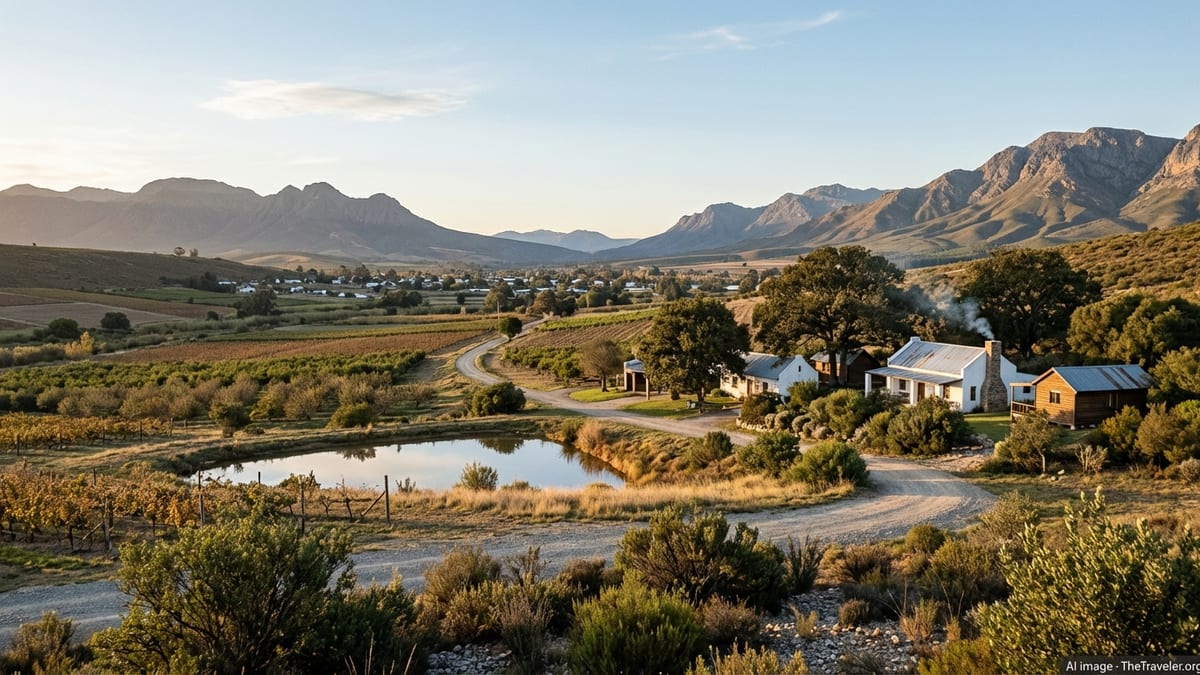
Wolseley is a compact farming town in the upper Breede River Valley of South Africa’s Western Cape. Located roughly 90 kilometers north-east of Cape Town, it sits between the Waterval and Witzenberg mountains, surrounded by orchards, vineyards and grain fields. The town itself is modest, but its setting on key regional routes and its easy access to passes and side valleys make it a convenient launchpad for exploring this inland section of the Cape Winelands.
Travelers are often surprised by how close Wolseley is to some of the region’s better-known small towns. Tulbagh lies to the north in the Land van Waveren valley, Ceres spreads out to the east at the foot of Michell’s Pass and Worcester anchors the southern end of the valley. Each of these centers is within about 30 to 40 minutes’ drive, which means you can comfortably stay in one place while taking day trips to the others. The result is a compact, easily navigable destination where you trade long highway hauls for short scenic drives.
The broader Witzenberg and Breede River Valley municipalities include a patchwork of farm settlements, rural communities and country backroads. Properties marketed under Wolseley’s name might therefore be on working farms a short drive from town rather than on the main streets themselves. For visitors, this often proves to be a benefit. Nights are quieter, views are wider and stargazing, birdlife and early-morning farm sounds become part of the experience.
Because the valley is primarily agricultural, most accommodation near Wolseley leans toward self-catering farmhouses, cottages and cabins rather than large hotels. Expect to find family houses converted for guest use, timber chalets on dams, renovated sheds and creatively repurposed containers. Many owners live on-site or nearby, so hosting is personal and low-key. Planning your stay here means thinking less in terms of star ratings and more in terms of setting, atmosphere and how independent you want to be.
Staying In and Around Wolseley Itself
Choosing to stay right in or on the outskirts of Wolseley suits travelers who want to minimize driving and be close to basic services. The town has small supermarkets, fuel, hardware and a handful of casual eateries, while nearby farms offer access to wine tastings, walking routes and seasonal fruit stalls. If you prefer to stock up once and then settle in, a Wolseley base can be practical and relaxed.
Several self-catering farm stays sit just outside the town’s residential grid, often on working fruit farms or along small rivers. A number of these properties cluster along the R43 and the farm roads leading toward Romansrivier and the Breede River. Guests can expect open verandas with braai areas, fireplaces for winter nights and large lawns that roll down toward farm dams. Properties in this bracket typically sleep from couples up to medium-size groups in house-style layouts, with full kitchens and multiple bedrooms.
Wolseley also caters in a modest way for practical overnight needs, including basic lodgings aimed at contractors and long-stay workers. These options, often inside town, prioritize affordability, secure parking and straightforward facilities over farm vistas or decorative detail. For road-trippers or travelers on tight budgets, they can be a useful way to keep costs down while still positioning yourself close to regional attractions.
Because accommodation in Wolseley itself remains relatively limited compared with better-known tourist hubs, availability can fluctuate sharply around long weekends, school holidays and event periods in the broader valley. Booking ahead, especially for larger houses or properties that allow children and pets, is wise. When making inquiries, confirm key details such as access roads, proximity to neighboring dwellings and any farm operations that might bring noise at harvest time, so expectations match the rural reality.
Farm Stays and Riverside Retreats Near Wolseley
For many visitors, the real charm of staying near Wolseley lies just beyond the town boundary, on farms that offer a mix of privacy, scenery and simple outdoor pleasures. The surrounding valley is dotted with orchards and vineyards, many of which now host guest houses, cabins or small portfolios of self-catering units. Stays on these properties range from characterful farmhouses to modern pods and cleverly converted containers perched beside dams or rivers.
Self-catering portfolios on fruit farms near Palmietvlei and Platvlei showcase the region’s move toward stylish, design-forward country stays. Expect crisp, contemporary interiors combined with earthy textures, generous decks and large windows framing the Witzenberg and Mostertshoek mountain ranges. Some units focus on romantic getaways, with outdoor bathtubs, double showers and tucked-away patios designed for two. Others are large family houses with big lawns, fireplaces and broad verandas where children can run and dogs, where permitted, can explore under supervision.
Riverside and dam-edge properties in the valley bring the added bonus of easy water access. Log cabins and cottages close to the Breede River, or perched above farm dams, typically offer braai areas, shaded patios and views across fields of vines, berries or butternut. In many cases, guests can reach the water directly for swimming in summer or simply sit and watch reflections shift as the light changes. Simple dirt roads and farm tracks lead to these hideaways, so a higher-clearance vehicle can be useful, especially in winter, even though standard cars usually manage in dry conditions.
Camping and rustic sites round out this picture. A handful of farms offer exclusive-use campsites where a single group has sole access to a grassy, shaded patch on a riverbank, often with a small ablution block and covered kitchen area. For travelers who value privacy and simplicity, these sites combine the feeling of wild camping with the comfort of hot showers and a fridge. Nights tend to be dark and quiet, with the sound of water and the occasional farm dog in the distance, making them particularly appealing for stargazers and those escaping city noise.
Tulbagh: Historic Village a Short Drive Away
Just to the north of Wolseley, the town of Tulbagh sits in a picturesque valley ringed by mountains. Famous for its historic Cape Dutch architecture and compact heritage streets, Tulbagh is a natural alternative base for travelers who want more cafés, wine-tasting options and heritage experiences within walking distance. The drive between Wolseley and Tulbagh is short and scenic, passing vineyards and orchards that change color with the seasons.
Accommodation in Tulbagh ranges from guest houses on the main streets to cottages tucked against the surrounding hills. Many properties occupy restored historic buildings or modern structures designed to echo traditional gables and stoep-fronted facades. For travelers interested in architecture and history, waking up in a building that reflects the valley’s heritage can be part of the appeal. At the same time, Tulbagh’s wine estates and olive farms add layers of food and drink experiences that you can combine with day trips back toward Wolseley and its surrounding countryside.
Staying in Tulbagh while day-tripping to Wolseley works particularly well for couples and small groups who want an evening atmosphere beyond the farm gate. Restaurants, wine bars and intimate tasting rooms mean you can park the car and explore on foot in the late afternoon, then retreat to your guest house without having to drive long distances after dark. In turn, mornings can be reserved for drives through the Land van Waveren valley, exploring passes, waterfalls and backroads that link back toward Wolseley and the Breede River corridor.
Travelers weighing Tulbagh against staying closer to Wolseley should consider how much they value on-the-doorstep amenities versus complete rural quiet. Tulbagh’s compact center can feel lively on weekends and during harvest festivals, while farm stays around Wolseley itself tend to be more secluded. Both bases, however, give easy access to the region’s wine routes, farm stalls and adventure activities such as ziplining and trail running.
Ceres and Michell’s Pass: Mountain Gateway
East of Wolseley, the town of Ceres stands at the upper end of Michell’s Pass, framed by rugged mountain slopes and highland plateaus. Known historically as a fruit-growing hub, Ceres today acts as both a service town and a base for nature-focused getaways. Its slightly higher elevation brings cooler nights, and the surrounding mountains offer hiking, mountain biking and, in rare cold snaps, the chance of light winter snow on nearby peaks.
Accommodation options in the greater Ceres area run from simple self-catering cottages on working farms to larger guest houses and lodges in and around town. Some rural stays sit along rivers that flow down toward Wolseley, offering wooden cabins, rondavels and compact cottages where guests can fish, braai and soak up the valley views. These properties frequently emphasize access to water, fire pits and outdoor living spaces, making them popular with families and groups of friends seeking weekend escapes.
Michell’s Pass itself is a notable feature for travelers. The R46 road climbs through this historic pass between Wolseley and Ceres, delivering panoramic views of mountain slopes, rock formations and orchards below. Choosing Ceres as a base while exploring Wolseley and the Breede River Valley means you will regularly travel this scenic route, with plenty of opportunities for photo stops and short walks at viewpoints. It also positions you closer to activities on the Ceres side, such as fruit-farm experiences and access to higher-altitude plateaus in the Koue Bokkeveld region.
For visitors deciding between Ceres and Wolseley, it is worth considering the balance between everyday convenience and the specific landscapes you most want to wake up to. Ceres, as a larger town, has a broader range of shops and services. Wolseley’s immediate surrounds, by contrast, feel more compact and agricultural, with farm stays often closer to vineyards, dams and rivers. If you intend to split time between mountain adventures and wine country, a stay in Ceres with day trips over the pass to Wolseley can be a practical compromise.
Worcester, Rawsonville and the Wider Breede Valley
South of Wolseley, the Breede River Valley broadens out toward Worcester, a regional center known for its vineyards, educational institutions and position near major road routes. While Worcester itself has a more urban feel, it serves as a useful base for travelers who want easy highway access plus a wider selection of restaurants, supermarkets and specialist stores. From here, it is an uncomplicated drive back up the valley to Wolseley, Tulbagh or Ceres for day visits.
The smaller town of Rawsonville, closer to the Breede River and surrounded by vineyards, offers a quieter alternative to Worcester while still placing you within comfortable day-trip distance of Wolseley. Guest farms, wine estates and riverfront properties in this section of the valley often emphasize leisurely stays: wine tasting, slow drives along backroads and days spent reading on shady verandas. For travelers coming from Cape Town along Route 62, breaking the journey in Rawsonville or Worcester before continuing to Wolseley can work well.
Many Breede Valley accommodation providers now operate as part of informal regional collections, with online directories grouping properties under headings like Worcester, Robertson, Tulbagh or Wolseley. This can be helpful when comparing locations, especially if you are open to staying anywhere within a 30 to 40 kilometer radius of Wolseley. When using such listings, check maps carefully to understand driving times, elevation changes and the type of landscapes around each property.
If you choose to base yourself further south in the valley, factor in the rhythm of your days. A stay in Worcester or Rawsonville will likely mean a bit more time on the road to reach Wolseley’s immediate surroundings, but you gain flexibility to explore other wine-growing centers like Robertson and Bonnievale. This can suit longer trips where Wolseley is one of several focal points rather than the sole reason for visiting the region.
Choosing the Right Base Near Wolseley
With multiple small towns and farm districts within such short distances, the key decision for travelers is not just where to sleep, but how they want to experience the valley. Staying on a farm near Wolseley or along the Breede River immerses you in working landscapes. Expect early tractor noise during busy seasons, the scent of blossoms or crushed grapes, and the possibility of friendly farm dogs and roaming poultry. For many visitors this feels authentic and grounding, but those seeking uninterrupted quiet should ask prospective hosts about seasonal activities and proximity to farm infrastructure.
Town-based stays in Tulbagh, Ceres or Worcester, by contrast, prioritize access to services, shops and dining. These centers are better suited to travelers who prefer to step out in the evening to find a restaurant or bar rather than braaiing at their accommodation. They also make sense for those relying on public transport to reach the region, though local services remain limited and most visitors still find a car essential for exploring beyond town boundaries.
When comparing options, consider practical details such as travel time from Cape Town, road conditions, and your own driving comfort on narrow passes or gravel farm roads. Route planners can underestimate how long it takes to traverse winding rural routes, particularly if you plan to stop for photographs or farm stalls along the way. Build in buffer time so that you are not arriving at a farm gate after dark, especially if the final approach involves unlit tracks or shared access roads.
Season also makes a difference. Summer can be hot in the valley, making riverside cabins and properties with shade and swimming access particularly attractive. Winter brings cool, sometimes rainy weather, which suits houses with fireplaces, indoor braai spaces and mountain views that shift under passing clouds. Shoulder seasons of spring and autumn are popular for wildflowers, soft light and more moderate temperatures, but visitor numbers can rise around public holidays and harvest periods. Booking ahead and confirming heating, cooling and bedding details with hosts helps ensure a comfortable stay.
The Takeaway
Staying near Wolseley is less about ticking off a single town and more about immersing yourself in a network of valleys, passes and farming communities. Within a short radius, you can choose from riverside cabins, exclusive-use campsites, stylish farmhouses, heritage guest houses and simple town lodgings aimed at budget-conscious travelers. Each option offers a slightly different lens on the same compelling landscape of orchards, vineyards and mountain backdrops.
Whether you settle into a farm stay outside Wolseley itself, opt for the historic streets of Tulbagh, the mountain gateway of Ceres or the broader services of Worcester and Rawsonville, you remain within easy reach of the region’s main attractions. Short drives connect wine routes, farm stalls, mountain trails and rivers, allowing you to shape each day around your own pace and interests. Thoughtful planning, realistic expectations about rural travel and clear communication with hosts go a long way toward making your stay smooth.
For travelers seeking a quieter alternative to the busier corners of the Cape Winelands, Wolseley and its neighboring towns offer a blend of accessibility and seclusion. You can wake to the sound of birds and irrigation sprinklers, spend days exploring passes and vineyards, then end evenings under star-filled skies. Whatever base you choose, the surrounding valley does most of the work, delivering a sense of being comfortably removed from city life while still within reach of everything you need.
FAQ
Q1. How far is Wolseley from Cape Town?
Cape Town is roughly 90 kilometers from Wolseley by road, with most travelers reaching the town in about one and a half hours under normal traffic conditions.
Q2. Do I need a car to explore Wolseley and nearby towns?
Yes, a car is highly recommended as public transport in the valley is limited and many of the most appealing farm stays and viewpoints are reached via rural roads.
Q3. What kind of accommodation is most common near Wolseley?
The area is best known for self-catering farmhouses, cottages, cabins and small guest houses on working farms, along with a few town-based lodgings and simple contractor-oriented stays.
Q4. Which nearby town makes the best alternative base to Wolseley?
Tulbagh, Ceres and Worcester each work well, depending on your priorities. Tulbagh suits heritage and wine lovers, Ceres favors mountain activities and Worcester offers broader services.
Q5. Are farm roads to accommodation around Wolseley difficult to drive?
Most farm roads are manageable in a standard car in dry weather, but surfaces can be gravel or uneven. It is wise to drive slowly, avoid arriving after dark and check access details with your host.
Q6. Is the Wolseley area family-friendly?
Yes, many properties welcome families and provide lawns, outdoor areas and sometimes access to rivers or dams. Always confirm child-safety features such as fencing, pool covers and proximity to water.
Q7. When is the best time of year to visit Wolseley?
Spring and autumn usually offer mild temperatures and attractive scenery. Summer is warm and good for water-based stays, while winter favors cozy houses with fireplaces and mountain views.
Q8. Can I find budget accommodation near Wolseley?
Budget-conscious travelers can look for basic town lodgings, contractor-oriented rooms and simple cottages. Self-catering remains a good way to control costs on food and activities.
Q9. Are there wine farms close to Wolseley?
Yes, Wolseley sits within a broader wine-producing area, with estates in the surrounding valleys and nearby towns. Many offer tastings, cellar-door sales and sometimes on-site accommodation.
Q10. Is it safe to stay on remote farms around Wolseley?
Most guests experience quiet, trouble-free stays on farms. As with rural travel generally, it is sensible to follow host guidance, secure valuables and arrive in daylight so you are familiar with your surroundings.