

More news on this day
Whittier, Alaska, long known as a quiet rail-and-ferry link for cruises to Anchorage, is moving into the spotlight as a test case for how small port communities can use shore power to clean up tourism and position themselves as destinations for eco-conscious travelers.
Get the latest news straight to your inbox!
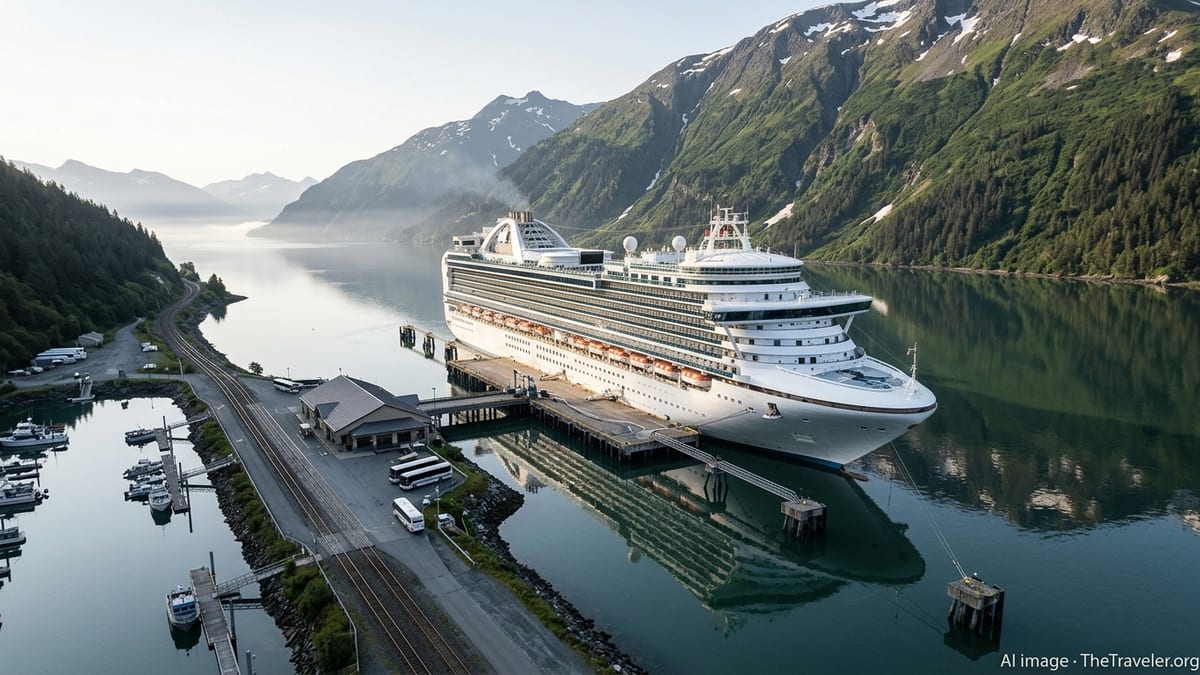
A Small Port with Big Sustainability Ambitions
Whittier’s transformation is unfolding at its deep-water cruise dock on Passage Canal, where state and local partners are advancing an electrification project designed to let visiting ships plug into the local grid instead of burning marine fuel while alongside. Publicly available planning documents from the Alaska Energy Authority describe a multi-phase effort to equip the city’s upgraded cruise dock with high-voltage shore power infrastructure tied into regional hydroelectric supplies.
The project builds on recent port investments that have already changed the scale of tourism in Whittier. A new terminal complex and double-berth cruise dock, developed with private partners, is enabling the city to handle more and larger ships, including simultaneous calls that were not previously possible. Local coverage in Alaska-based outlets highlights how the new facilities are expanding opportunities for tour operators, vendors and transport providers serving passengers bound for Anchorage and the Kenai Peninsula.
By adding shore power capacity to this upgraded footprint, Whittier is aiming to ensure that growth in cruise traffic does not automatically translate into higher air pollution along its waterfront or increased emissions in the narrow fjord leading to Prince William Sound. The initiative positions the city to join a short but growing list of Alaskan ports that can deliver grid-based electricity to compatible cruise vessels.
Carnival’s Shore Power Strategy Reaches Remote Alaska
Carnival Corporation has become one of the most prominent adopters of shore power in North America, with a two-decade track record at major homeports such as Seattle and long-running use of plug-in capability at terminals where infrastructure is available. Industry coverage of Carnival’s operations describes the company’s role in pioneering shore power at West Coast cruise berths and expanding plug-in connections as ports invest in grid upgrades.
In Alaska, Carnival brands including Holland America Line and Princess Cruises already run extensive itineraries that start or end in Whittier, using the port as a gateway for rail and motorcoach transfers to Anchorage and interior destinations. As Whittier’s deep-water dock is electrified, these brands are expected to be among the first beneficiaries, with the ability to connect compatible ships and cut emissions during turnaround days.
Publicly released planning materials and corporate sustainability reporting indicate that Carnival has been working to increase the share of its global fleet equipped for high-voltage shore power, aligning new port projects with a broader decarbonization strategy. The convergence of that fleet investment with Whittier’s infrastructure build-out is turning a once-quiet terminal into a showcase for how shore power can reach remote, seasonal cruise markets rather than only the largest year-round hubs.
Environmental Benefits Along Prince William Sound
Shore power is widely viewed by environmental groups and port planners as a direct way to cut pollution in communities that host cruise ships. When a compatible vessel connects to a dockside electrical system, it can shut down its auxiliary engines and draw energy from the local grid, reducing emissions of greenhouse gases and other pollutants during hours in port.
For Whittier, those benefits are particularly significant. The community sits at the head of a narrow, steep-sided inlet where air can linger, and it serves as a transit point for visitors headed into sensitive landscapes across Prince William Sound and the Chugach. Publicly available information from Alaska’s energy agencies emphasizes that port electrification projects in the state are designed to tap regional hydroelectric and cleaner-burning natural gas resources, allowing cruise ships at berth to rely more heavily on low-carbon electricity.
Reports on similar projects in ports such as Juneau and Seward have quantified substantial cuts in carbon dioxide, sulfur oxides and particulate matter when large vessels plug into shore power. As Whittier’s system comes online, local air quality improvements are expected to be most noticeable on heavy traffic days during the peak Alaska cruise season, when multiple ships may call and thousands of passengers travel through the small harbor area.
New Appeal for Eco-Minded Travelers
Whittier’s emerging status as a shore power port is also reshaping how the destination is marketed to travelers. Cruise schedules and tourism promotion materials increasingly highlight low-impact experiences, from small-group wildlife excursions in Prince William Sound to rail journeys into the interior, and the ability to serve ships on clean electricity fits that narrative.
Travel industry coverage suggests that passengers booking Alaska itineraries are paying closer attention to the environmental profile of both ships and ports, with questions about fuel, emissions and local impacts becoming more common in trip planning forums. By aligning with Carnival’s shore power-equipped fleet and promoting its own investment in grid connections, Whittier can distinguish itself from other turn ports that have yet to electrify their berths.
This positioning is especially important as cruise lines adjust itineraries among Alaskan ports that are simultaneously considering shore power, terminal expansions and broader harbor redevelopment. Whittier’s combination of rail access to Anchorage, a modern terminal and a clear pathway toward plug-in operations gives it a competitive story to tell to cruise planners and environmentally aware guests alike.
Part of a Wider Shift in Alaska’s Cruise Infrastructure
The Whittier initiative is unfolding against a broader backdrop of port decarbonization along the Alaska cruise corridor. Recent federal grants and state-backed projects are helping several communities add shore power or design new terminals with plug-in capability from the outset, reflecting policy goals to reduce emissions from visiting vessels.
Reports on Seward’s planned shore power installation, for example, describe sizable federal infrastructure funding and local partnerships focused on cutting cruise-related greenhouse gases by the middle of this decade. Juneau has already brought shore power online at key berths, and West Coast homeports that feed Alaska voyages, including Seattle, are moving toward requirements that a growing share of cruise calls use shore-side electricity where possible.
Within that regional context, Whittier’s collaboration with Carnival-linked brands and state energy agencies helps extend shore power beyond major urban centers to smaller gateway communities. As design work advances and more of Carnival’s Alaska-serving ships arrive with the necessary onboard equipment, industry observers view Whittier as a bellwether for how quickly shore power can spread across the northern cruise network and how strongly eco-friendly infrastructure can influence traveler perception of emerging destinations.