

More news on this day
Africa is rapidly emerging as one of the most dynamic tourism frontiers in the world, with surging visitor numbers, new air connections and high-profile investments reshaping how global travelers think about the continent.
Get the latest news straight to your inbox!
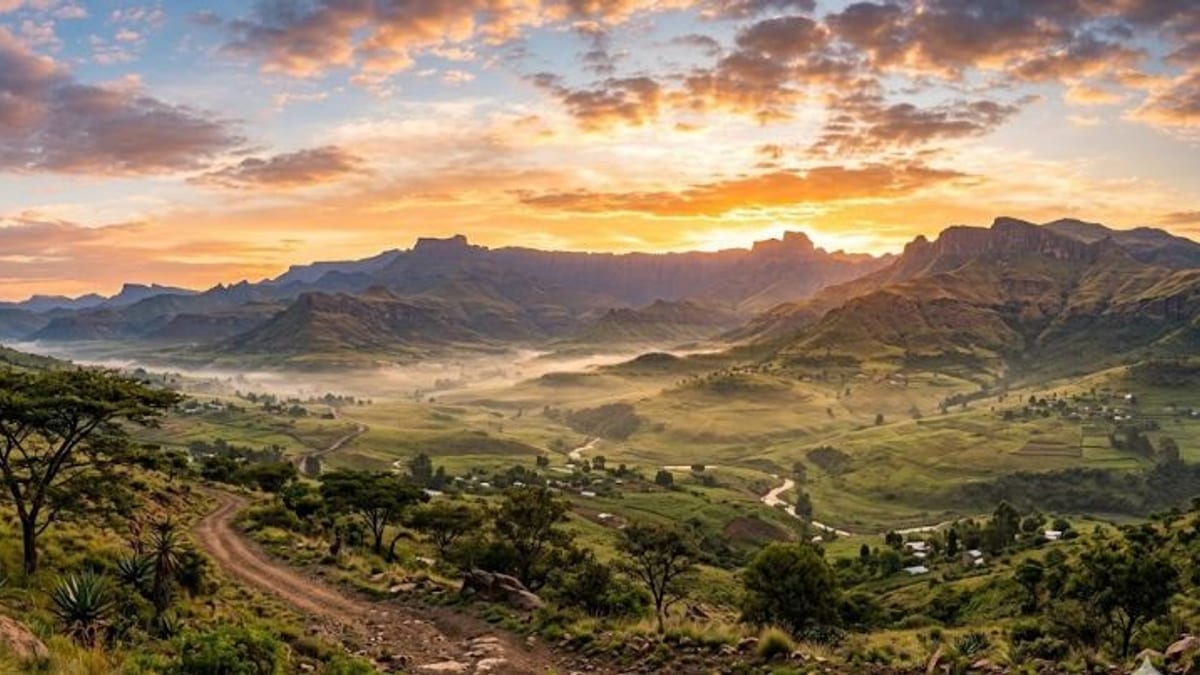
Image by Latest International / Global Travel News, Breaking World Travel News
Tourism Numbers Signal a Continent on the Rise
Recent data from United Nations Tourism and regional industry bodies indicate that Africa’s visitor recovery has not only closed the gap with pre-pandemic levels but, in several destinations, clearly surpassed them. Reports collated from multiple African tourism ministries show that the continent welcomed close to 74 million international visitors in 2024, reflecting double-digit growth compared with 2023 and outpacing many mature regions.
Individual countries are posting record-breaking performances. In North Africa, Morocco has emerged as one of the continent’s star performers, with published figures indicating nearly 20 million international arrivals in 2024 and an even stronger pipeline in early 2025. In East Africa, Tanzania and Kenya have both reported sharp increases in tourist arrivals, supported by expanded safari, beach and cultural offerings as well as aggressive destination marketing.
Industry analyses suggest that this growth is broad-based rather than dependent on a single marquee destination. Traditional favorites such as South Africa, Egypt and Mauritius continue to draw large volumes of travelers, while less familiar countries, from Mozambique to Rwanda, are steadily pushing into international travel media and tour operator catalogs. Observers say the growth trajectory positions Africa as one of the fastest-expanding tourism regions globally over the next decade.
Economic impact assessments from organizations such as the World Travel & Tourism Council show that this tourism momentum is feeding directly into jobs, infrastructure and local business creation. For travelers, that translates into a rapidly improving on-the-ground experience, with more accommodation choices, better transport options and a growing range of specialized tours tailored to international expectations.
New Air Routes and Easier Borders Redraw the Map
Improved connectivity is a central reason Africa is becoming more accessible to international visitors. Aviation industry reports highlight a steady stream of new and reinstated routes linking African hubs with North America, Europe and the Middle East, as well as a revival of intra-African flights that make multi-country itineraries significantly easier to plan.
Travel coverage in global outlets such as Condé Nast Traveler notes that major carriers are adding nonstop services from US and European cities to destinations like Dakar, Cape Town and Kilimanjaro, reducing travel times and eliminating complex layovers. At the same time, African airlines are reopening and expanding regional networks, particularly in West and East Africa, restoring vital links between secondary cities that were cut during the pandemic period.
Border policy reforms are also reshaping how visitors move around the continent. The African Union’s visa-free mobility agenda has gained fresh momentum, with several countries rolling out e-visa and electronic travel authorization systems designed to simplify entry procedures for international tourists. Reports on the Africa Visa Openness Index highlight that countries such as Seychelles, Rwanda, Benin and The Gambia are among those offering visa-free or visa-on-arrival access to a wide range of nationalities.
Regional initiatives are creating new opportunities for seamless travel. The development of blocs that allow freer movement using national identity cards and the progressive expansion of multi-country tourist visas in parts of East Africa mean that visitors can increasingly combine savannah, coastline and urban culture across borders on a single trip. For many international travelers who once saw African itineraries as logistically daunting, the combination of additional flight options and friendlier entry rules is lowering psychological and practical barriers.
From Safaris to City Breaks: A Vastly Broader Tourism Offer
Africa’s tourism brand has long been dominated by classic safari imagery, yet current travel coverage shows a rapidly diversifying product mix that extends far beyond wildlife viewing. Beach tourism on the Indian Ocean and Atlantic coasts, cultural city breaks, food-focused trips and adventure travel are now central to how the continent presents itself to the world.
Coastal destinations from Zanzibar and the Kenyan shoreline to Mozambique’s Bazaruto Archipelago and the islands of Cape Verde are highlighting their white-sand beaches, marine reserves and increasingly sophisticated resorts. Travel and lifestyle publications point to rising interest in kite-surfing, diving and sailing, complemented by eco-lodges and boutique hotels aimed at visitors seeking lower-density, nature-based stays.
Urban experiences are another fast-growing segment. Cities such as Cape Town, Johannesburg, Lagos, Accra, Dakar and Nairobi are sought out for their art scenes, nightlife, fashion and contemporary African cuisine. Food writers have drawn attention to a new generation of chefs who fuse local ingredients with global techniques, turning cities across the continent into destinations for gastronomic tourism. Festivals celebrating film, music and design are also drawing international visitors to capitals that were once overlooked by mainstream travelers.
Safari travel itself is evolving. Conservation-focused lodges, community-owned conservancies and low-impact walking or canoe safaris are reshaping the classic model in countries like Botswana, Namibia and Tanzania. Travelers can now pair big-game viewing with visits to community projects, archaeological sites or vineyard regions, assembling itineraries that offer depth as well as spectacle. This diversification helps reduce reliance on a single product and spreads tourism revenues more widely.
Investment, Innovation and Sustainability Gain Ground
Behind the visitor numbers and eye-catching itineraries lies a surge of investment and innovation. African governments and private-sector players are channeling funds into airports, roads, digital infrastructure and hospitality projects, often with the explicit goal of reaching ambitious tourism targets by 2030. Development finance institutions and international hotel groups are backing new builds and refurbishments that expand mid-range and upscale offerings in both established and emerging destinations.
Publicly available reports from regional tourism boards describe a strong focus on digital tools, from smart booking platforms and cashless payment systems to data-driven marketing campaigns that target niche segments such as birding, wellness and diaspora travel. Destinations are also forming partnerships with creators and tour operators to tell more nuanced stories about local culture, heritage and contemporary life.
Sustainability is increasingly prominent in policy documents and destination marketing. Conservation and community-based tourism models, once limited to a handful of pioneering lodges and parks, are now being referenced in national tourism strategies across East and Southern Africa. Efforts include limiting visitor numbers in fragile ecosystems, encouraging longer stays over high-volume turnover, and developing experiences that generate direct income for nearby communities, which in turn can strengthen local support for wildlife and heritage protection.
Climate resilience is another emerging theme, with coastal and island destinations investing in measures to protect shorelines and infrastructure. Industry observers note that travelers, particularly from Europe and North America, are asking more detailed questions about carbon footprints, waste management and ethical wildlife practices, prompting African operators to showcase their credentials more prominently.
Why Global Travelers Are Taking Notice Now
The convergence of these trends is altering how Africa features in international travel planning. Analysts observe that itineraries once treated as once-in-a-lifetime bucket-list trips are increasingly being broken into multiple, more focused journeys: a long weekend in a creative capital, a week on an Indian Ocean island, or a multi-country rail and road trip that follows historic trade routes.
Value for money is a powerful draw. While luxury lodges and high-end private safaris can command premium rates, many African destinations remain competitively priced compared with popular regions in Europe and North America, particularly once accommodation, food and on-the-ground experiences are factored in. Currency movements and growing competition between airlines are further helping visitors stretch their travel budgets.
There is also a shift in traveler preferences toward destinations that offer a sense of discovery, strong cultural identity and opportunities for meaningful interaction. Africa’s linguistic diversity, vibrant arts scenes and deep historical narratives align closely with these evolving tastes. Diaspora travelers from the Americas and Europe are increasingly choosing to visit or return to ancestral homelands, weaving personal heritage into broader tourism flows.
As global tourism continues to expand in the second half of the decade, available data and industry commentary suggest that Africa’s share of the market will grow steadily. For travelers considering where to look beyond familiar circuits, the continent now combines easier access, expanding choice and a feeling of being present at a pivotal moment in a region’s tourism story, making it an increasingly compelling place to explore next.