

More news on this day
Across the continent, Africa’s visitor numbers are rising faster than anywhere else in the world, reshaping global tourism patterns and putting long-overlooked destinations firmly on travelers’ radar.
Get the latest news straight to your inbox!
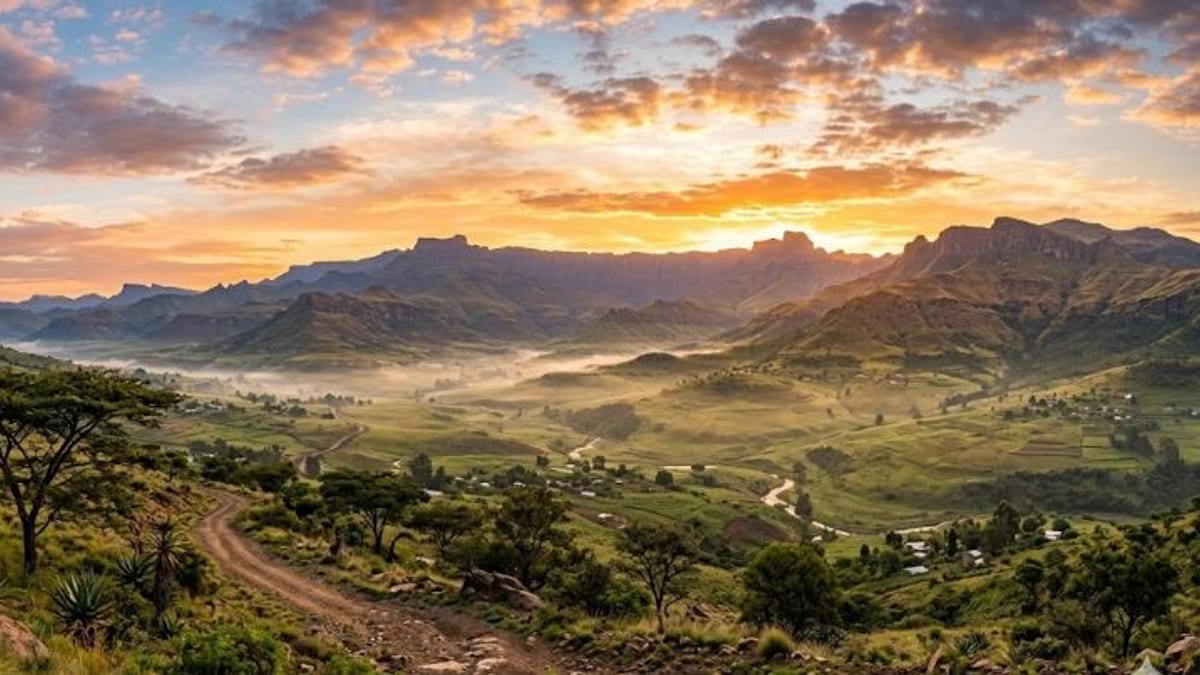
Image by Travel and Tour World – Tourism, Airline, Destination, MICE, Gobal Travel Market, Hotel news that you will find only over here.
A Tourism Boom Outpacing the Rest of the World
Recent data from UN Tourism and regional industry reports indicate that Africa has emerged as the fastest-growing tourism region globally, with international arrivals in 2024 returning to and in some cases surpassing pre-pandemic levels. Estimates compiled from the latest barometers show that the continent welcomed around 74 to 75 million international visitors in 2024, exceeding 2019 numbers and extending that momentum into 2025.
Analyses published in African Leadership Magazine and other outlets describe Africa’s 8 percent rise in arrivals in 2025 as the strongest of any world region, outpacing tourism growth in Europe, the Americas and parts of Asia. For destinations from Morocco and Egypt in the north to Kenya, Rwanda and South Africa further south, publicly available figures show hotel occupancies climbing, airlines adding capacity and governments revising forecasts upward.
South Africa alone recorded nearly 9 million arrivals through its ports of entry in 2024, according to national statistics cited in recent coverage, marking one of the continent’s most robust recoveries. Industry observers note similar surges in established hubs such as Mauritius and Seychelles, as well as emerging destinations including Namibia, Ghana and Rwanda, which are reporting expanding tourism receipts and growing interest from long-haul markets.
Behind the numbers is a perception shift. Travel editors and tour operators point to a wider global appetite for nature-focused, culturally rooted trips that align closely with what African destinations offer. Reports also highlight that the continent’s tourism growth is increasingly diversified, reaching beyond classic safari circuits into cities, coasts, deserts and wine regions that for years remained under the radar.
New Flight Routes Are Shrinking the Map
Improved air connectivity is playing a central role in Africa’s new tourism appeal. Aviation analyses from Airbus, regional airline associations and consumer travel media show a steady rollout of new nonstop and one-stop links, both within the continent and from North America, Europe and the Middle East.
Coverage in Condé Nast Traveler and other travel publications points to a wave of recent and upcoming routes that give travelers more direct access to key leisure markets. Airlines in Europe have added services to destinations such as Kilimanjaro and the Namibian coast, while African carriers including RwandAir, Airlink and Proflight Zambia are opening or upgrading regional links that stitch together safari hubs like Nairobi, Arusha, Livingstone, Mombasa and Zanzibar.
Industry roundups from aviation news sites describe how new and relaunched routes are enabling multi-country itineraries that would have been logistically complex a few years ago. RwandAir’s Kigali–Zanzibar–Mombasa service, Airlink’s additional frequencies between Johannesburg and Walvis Bay, and new connections between Eswatini and Zambia are cited as examples of a broader move to make intra-African travel more seamless for visitors.
At the same time, long-haul carriers from the United States and Europe are expanding their African networks, with fresh services to cities such as Marrakech, Cape Town, Lagos and Accra highlighted in recent route announcements. Aviation analysts argue that as more of these routes come online through 2025, the perception of Africa as distant or difficult to reach is set to fade, replaced by more competitive fares and shorter journey times.
Easier Entry and New Visas for Remote Workers
Shifts in visa policy are another factor accelerating Africa’s tourism ascent. Kenya’s decision to abolish traditional visa requirements from January 2024 and move to an electronic travel authorisation system drew global attention, with coverage noting that visitors from around the world can now apply online and receive clearance without navigating consular queues.
Separately, African and international media have reported on a broader trend toward visa liberalisation across the continent, particularly for African passport holders. Ghana’s announcement that it would allow visa-free entry for all African nationals was widely covered as a sign of growing regional openness, while analysts point out that the Africa Visa Openness Index has slowly improved in recent years despite uneven progress between countries.
For international travelers and remote workers, a new generation of visas is also changing the landscape. Mauritius has been singled out in global coverage for its comparatively low-cost, long-stay “premium visa” tailored to digital nomads and retirees, and South Africa has introduced a remote work visa framework following a public consultation process reported in 2024. Commentators say these schemes are positioning select African destinations as long-stay bases, not just short-break holiday spots.
Industry observers note that these policy changes are being closely watched by airlines, hotel groups and co-working operators, which are responding with targeted marketing and new product offerings. For travelers weighing where to spend a season working from abroad or planning extended family trips, Africa’s mix of simpler entry rules and improving infrastructure is becoming a powerful draw.
Beyond Safaris: Culture, Cuisine and Coastlines
While wildlife experiences continue to anchor many itineraries, recent trend reports suggest that Africa’s tourism boom is broadening far beyond traditional safaris. Coverage from events such as Africa Travel Week highlights rising demand for urban culture, art and food, with cities like Dakar, Accra, Nairobi, Lagos and Cape Town increasingly profiled for their galleries, live music venues and restaurant scenes.
Food-focused travel features point to a wave of chefs and restaurateurs reinterpreting local ingredients for global audiences, from North African street-food counters to fine-dining rooms in Johannesburg and Kigali. Travel journalists note that visitors are seeking out everything from jollof rice and injera to Cape winelands tasting menus and Swahili coastal seafood, often as a central part of their trip planning rather than a secondary attraction.
Beach destinations are also stepping into the spotlight. Islands such as Mauritius, Zanzibar and Cabo Verde, along with mainland stretches of coastline in Mozambique, Tanzania and Senegal, feature prominently in recent “where to go next” lists compiled by international media. These areas are promoted not only for their beaches but for diving, kitesurfing and cultural festivals that extend the tourism season.
There is also growing attention on lesser-known landscapes: desert expeditions in Namibia, hiking in Ethiopia’s highlands, community-run conservancies in Botswana and Namibia, and cross-border conservation areas such as the Kavango Zambezi region. Analysts argue that as travelers look for trips that feel both distinctive and purposeful, these kinds of experiences give Africa an advantage over more saturated markets.
Conservation, Community and the Future of Travel
A final element driving global interest is the way African destinations are positioning tourism as a tool for conservation and community development. Reports from UN Tourism meetings and regional forums emphasize efforts to link visitor spending to wildlife protection, local employment and infrastructure, as well as to broader goals like climate resilience.
Coverage in European and African outlets notes that cross-border conservation areas, from the Great Limpopo to the Kavango Zambezi, are using tourism revenue to support anti-poaching operations, habitat restoration and community-based enterprises. Many tour operators now market itineraries that include visits to locally owned lodges, craft cooperatives and social enterprises, responding to travelers’ growing interest in where their money goes.
At the same time, commentators caution that the benefits of Africa’s tourism expansion are unevenly shared. Analyses in international media have highlighted concerns about enclave-style luxury resorts and the risk that rising land and housing costs could displace local residents. Policy discussions now increasingly focus on ensuring that tourism growth is managed in a way that protects cultural heritage and spreads income more widely.
For travelers, this evolving conversation translates into more options to engage responsibly, from choosing operators that prioritise local hiring and conservation contributions to seeking out experiences designed in partnership with communities. As global visitor numbers continue to rise and more countries look to tourism as a development engine, Africa’s mix of natural assets, cultural depth and policy innovation is positioning the continent as one of the defining travel stories of the decade.