

More news on this day
Travelers stepping onto a 15-year-old jet may wonder why an airline is not using one of its latest aircraft on a busy route. Behind that decision lies a complex mix of supply constraints, maintenance economics, network planning and reliability concerns that increasingly shape which planes airlines actually put into the sky.
Get the latest news straight to your inbox!
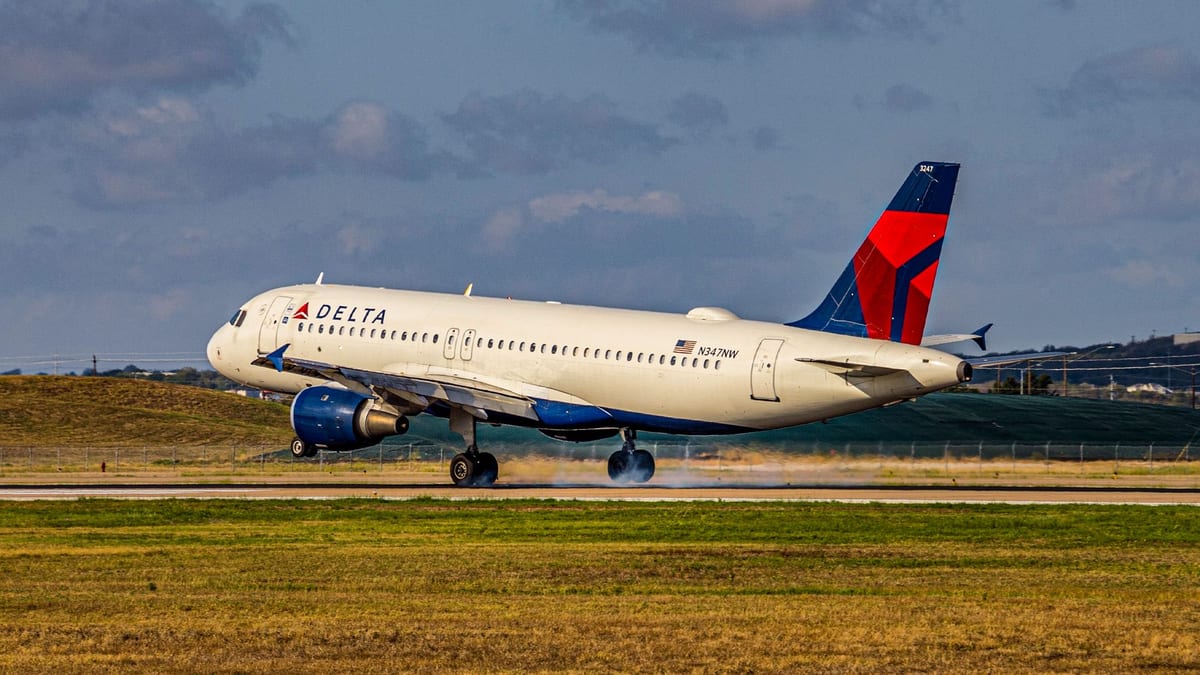
Image by Simple Flying
New Aircraft Shortages Keep Older Jets in Service
Airlines in many regions are eager to refresh their fleets with more fuel efficient, lower emission aircraft, but the supply of new jets has not kept pace with demand. Publicly available industry data shows large order backlogs at both major manufacturers, with thousands of narrowbody aircraft still waiting in the production queue. This bottleneck limits how quickly carriers can replace aging airplanes, even when they have already signed purchase agreements and financing.
Production and certification delays have compounded the issue. Coverage of Boeing’s recent programs highlights how quality reviews, regulatory scrutiny and labor disruptions reduced output of popular models and pushed deliveries into later years. Similar reports on widebody aircraft indicate that some next generation long haul jets, originally targeted for mid decade entry into service, have seen first deliveries rescheduled, forcing airlines to extend the life of existing fleets.
Engine availability has become another critical constraint. Analyses of the Airbus A320neo family and other new generation aircraft note that some carriers have had to ground relatively young jets for unscheduled inspections and upgrades of advanced engines. Industry market reports describe hundreds of aircraft temporarily parked for this reason, which in turn pushes airlines to rely more heavily on older, proven models that remain fully available.
Global traffic recovery has intensified the pressure. As passenger demand surpassed pre pandemic levels on many routes, airlines facing late deliveries and grounded new aircraft turned to stored or older jets to meet schedules. Recent outlooks from aviation consultancies and airline associations suggest that the average age of the world’s fleet has risen, a sign that retirement plans are being deferred because replacement capacity is simply not arriving fast enough.
Maintenance Economics Do Not Always Favor the Newest Plane
On paper, a brand new aircraft burns less fuel, produces fewer emissions and can be cheaper to maintain in its first years of service. In practice, the economics are more nuanced, and they help explain why a route may see a mid life jet rather than a recently delivered one. Maintenance cost curves typically rise as an aircraft ages, but they do so in stages that airlines can plan around.
Technical guidance and industry case studies describe a pattern in which heavy checks and component overhauls come at specific intervals measured in flight hours and cycles. If an older aircraft has just completed a major check and received fresh components, its maintenance risk and cost can be temporarily lower than that of a brand new aircraft still undergoing early in service fixes or software updates. In that window, dispatching the older jet can be the more predictable option.
New technology can introduce its own teething problems, particularly with advanced engines and complex avionics. Market reports on the commercial maintenance sector note that reliability issues on some new engine types have increased shop visit frequency and parts demand faster than expected. Airlines in those situations may find that newer aircraft consume more maintenance capacity than forecast, making well understood older models comparatively attractive for intensive flying.
Leasing and financing structures further shape these choices. Many carriers operate a mix of owned and leased aircraft on differing terms. Analysts point out that airlines sometimes prioritize utilization of fully depreciated, owned aircraft to spread fixed costs, while using newer, higher lease rate jets more selectively. The result is a fleet plan where older aircraft carry a disproportionate share of flying, even as the company promotes its newest models in marketing.
Network Planning: Matching Aircraft to the Right Route
Which aircraft shows up at the gate is often the product of network planning models that weigh capacity, range, airport constraints and demand patterns rather than airplane age. For high density short haul routes, an older narrowbody equipped with an efficient interior layout may be ideal, freeing newer aircraft for longer sectors where their fuel savings and quieter cabins generate the most value.
Publicly available scheduling data and airline commentary indicate that carriers frequently assign their newest jets to premium long haul or high yield routes to showcase updated cabins and win corporate contracts. Older widebodies and narrowbodies are then rotated through secondary markets, seasonal leisure services or domestic trunk routes where the competitive benefit of a new interior is smaller and passengers are more price sensitive.
Airport infrastructure can also favor specific aircraft families. Some regional or constrained airports have performance or gate limitations that a particular older model happens to meet better than its replacement. Network planners consider runway length, climb performance, and turnaround times, and may continue scheduling an aging type until a suitable newer replacement with comparable capabilities becomes available.
Operational flexibility plays a role as well. Fleets dominated by a single aircraft family, often including older subtypes, allow airlines to swap aircraft quickly during disruptions without reassigning crews or straining maintenance bases. Analysts observing recent disruption events have noted that carriers with standardized but mixed age fleets can recover more quickly, even if that means passengers flying on aircraft that are far from the newest in the hangar.
Reliability, Safety and Passenger Perception
The presence of older aircraft in daily service often raises passenger questions about safety. Aviation regulators and safety records consistently show that commercial aircraft are certified and maintained to strict standards regardless of age, and that airworthiness is governed by inspections and maintenance programs rather than the delivery date on the tail. Industry experts emphasize that a well maintained 20 year old jet can meet the same safety thresholds as a brand new one.
Reliability considerations can actually tilt scheduling toward older types in some cases. Data from maintenance providers and fleet analysts suggest that mature aircraft models with long service histories have highly predictable failure patterns and established repair procedures. Newer types, by contrast, may experience unanticipated technical issues that lead to last minute groundings, software revisions or retrofit campaigns. To avoid cancellations, airlines may prefer to roster aircraft that have already proven dependable in their specific operating environment.
Cabin experience is another factor. Many carriers invest significantly in refurbishing older aircraft with new seats, lighting and entertainment systems instead of waiting for factory fresh jets. Recent fleet announcements from large airlines detail plans to retrofit mid life aircraft over several years, effectively giving passengers a modern interior on an older airframe. For travelers, the visible age of the cabin can be a poor proxy for the actual age of the aircraft.
Nonetheless, brand new aircraft types often receive prominent marketing, creating an impression that the rest of the fleet is less desirable. Airlines balance that perception against operational realities, using livery updates, cabin refreshes and onboard service to narrow the perceived gap between older and newer jets. The result for passengers is a mix of aircraft ages, where what matters most from a safety and reliability perspective is adherence to maintenance schedules rather than the year of manufacture.
Looking Ahead: Backlogs, Retirements and a Gradual Refresh
Recent outlooks from industry groups forecast that fleet renewal will remain a slow, incremental process over the coming decade. Global analyses point to a record average fleet age and predict that many airlines will keep aircraft longer than originally planned while manufacturers work through order backlogs and stabilize production. Even as hundreds of new jets enter service each year, thousands of older ones will continue flying until replacement economics clearly favor retirement.
At the same time, environmental policies and fuel prices are expected to push airlines toward more efficient aircraft as soon as supply allows. Regulatory targets on emissions and noise, along with consumer and investor pressure on sustainability, create strong incentives to deploy the newest, cleanest models on routes where they have the greatest impact. This dynamic is likely to concentrate the latest aircraft on major long haul and high frequency corridors first.
Maintenance and engine support capacity will be another determinant of how quickly fleets can turn over. Market research suggests that providers are expanding capabilities for both legacy and new generation equipment, aiming to clear inspection backlogs and improve turnaround times. As these bottlenecks ease, airlines may be more willing to retire older jets that currently serve as a hedge against unexpected groundings of newer models.
For travelers, that means mixed age fleets will remain a feature of commercial aviation for years to come. The newest jets will gradually appear on more routes, but older aircraft, often refurbished and carefully maintained, will continue to shoulder a significant share of global flying while manufacturers and airlines work through the long process of renewing the world’s fleet.