

More news on this day
Belfast International Airport is emerging as one of the United Kingdom’s standout regional hubs for 2026, pairing record-breaking traffic with fresh investment and a newly minted global award for customer experience that is sharpening its appeal to holidaymakers and business travelers alike.
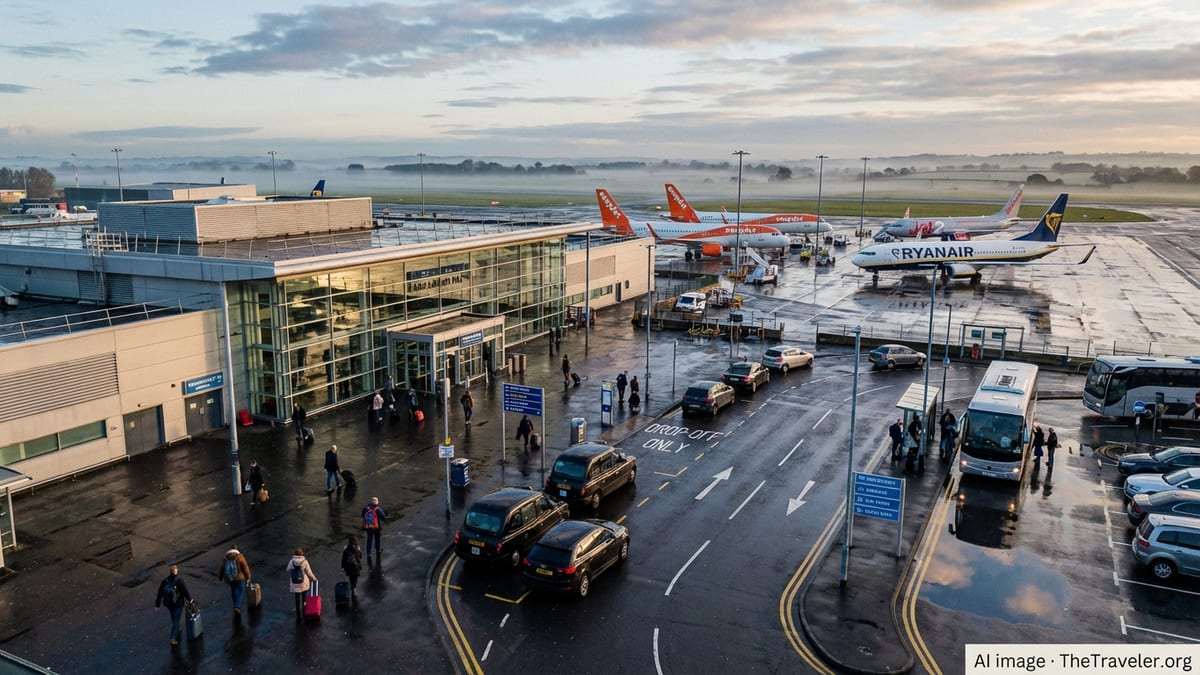
Record Traffic Underscores Belfast’s Growing Air Hub Status
Belfast International Airport has moved firmly into the top tier of UK regional airports, with passenger figures reaching all-time highs in the aftermath of the pandemic recovery. Official data for 2024 show that more than 6.7 million passengers used the airport, a 13 percent increase on the previous year and the highest total in its history, cementing its role as Northern Ireland’s busiest airport and one of the ten busiest in the United Kingdom.
While early figures for 2025 indicate a marginal softening in volumes, with around 6.55 million passengers recorded as airlines recalibrated capacity, the airport remains comfortably ahead of its pre pandemic performance. Industry analysts say this resilience, in the face of cost pressures and route reshuffles across Europe, highlights the strength of demand from both outbound leisure travelers in Northern Ireland and inbound visitors drawn to Belfast’s rising tourism profile.
The airport’s traffic mix is dominated by short haul routes to Great Britain and popular European sun destinations, giving it a broad base of demand that is less exposed to single market shocks. With Northern Ireland’s tourism agencies promoting city breaks, coastal drives and screen tourism linked to major television productions, Belfast International is set to remain a primary gateway for visitors into the region throughout 2026.
Major Investment Delivers Faster, Smoother Passenger Journeys
Central to Belfast International’s growing appeal is a multiyear, 100 million pound redevelopment program that is reshaping the passenger experience. Phase one of the project, opened in 2025, introduced a new terminal extension anchored by a state of the art security hall equipped with next generation screening technology that allows passengers to keep laptops and liquids in their bags, significantly speeding up processing times at peak hours.
The expansion also unveiled an enlarged, modernised arrivals forecourt and upgraded circulation areas, designed to ease congestion and create clearer flows between check in, security, departure lounges and ground transport. Airport management say the works have been carefully phased to keep the airport fully operational while delivering visible improvements each season, a crucial factor in maintaining traveler confidence.
Inside the terminal, a new duty free and retail zone, developed in partnership with a major travel retailer, has brought a broader mix of international brands, local products and dining options. For passengers, the result is a more contemporary feel that aligns Belfast with other leading regional hubs in Britain and continental Europe, and extends dwell time spending opportunities that help support further investment in facilities.
Award Winning Customer Experience Puts Passengers at the Center
In early 2026, Belfast International’s customer focus was recognised on the global stage when Airports Council International named it Best Airport at Departures in Europe in the 5 to 15 million passenger category. The Airport Service Quality award, based on real time feedback gathered from travelers across the year, places Belfast alongside some of the most highly regarded mid sized airports in the world.
Airport leadership describe the accolade as validation of a strategy that places operational reliability and friendly service at the heart of the travel experience. Around 4,000 staff work across the airport campus, including airline, handling, retail, security and hospitality teams, and management credit consistent training and close coordination with partners for rising satisfaction scores in areas such as queue times, cleanliness and wayfinding.
For travelers, the award is a tangible signal that the airport is investing not just in physical infrastructure but also in the soft factors that can make or break a journey, from clear communication during disruption to the availability of staff on the floor. With competition intensifying across regional gateways for both airlines and passengers, the recognition strengthens Belfast International’s reputation as a reliable, customer centric choice for 2026 itineraries.
Strong Airline Presence and Expanding Route Map
Belfast International’s network is anchored by a powerful roster of based carriers that treat the airport as a key UK hub. EasyJet, Jet2, Ryanair and TUI all operate substantial schedules, giving passengers a wide choice of frequencies and price points across domestic, European city break and Mediterranean leisure markets. EasyJet remains the dominant operator, with dense links to major British cities such as London, Manchester, Edinburgh and Birmingham, while leisure specialists focus on sun routes to Spain, Portugal and beyond.
Recent seasons have seen airlines add new destinations including North African beach resorts, Alpine gateways and additional Mediterranean points, broadening options for travelers who previously might have needed to connect via larger English airports. While some marginal routes have been trimmed in response to higher costs and shifting demand, capacity has generally been redeployed into stronger markets, keeping overall connectivity robust.
Travel industry observers note that the presence of multiple low cost and leisure carriers at Belfast International has helped keep fares competitive and supported package holiday growth, particularly for families in Northern Ireland and the border counties. As airlines publish their 2026 summer schedules, the airport is expected to retain a strong slate of high demand routes, with tour operators already reporting solid early bookings from Belfast for Mediterranean and Canary Islands departures.
Gateway to a Reenergised Belfast and Northern Ireland
Belfast International’s emergence as a top choice for travelers in 2026 is intrinsically linked to the wider resurgence of the city and region it serves. Belfast has repositioned itself as a vibrant short break destination, with a revitalised waterfront, a thriving food and music scene and attractions ranging from maritime heritage to modern museums drawing growing numbers of visitors from Great Britain and continental Europe.
Beyond the city, the airport offers convenient access to some of Ireland’s most dramatic landscapes, including the Causeway Coastal Route, Glens of Antrim and historic sites across Counties Down, Derry and Tyrone. The combination of frequent flights, improved on the ground facilities and increasingly seamless surface connections means that travelers can move quickly from aircraft door to coast or countryside, an advantage that tour operators are keen to highlight.
Local business groups also point to the airport’s role in sustaining investment and employment across Northern Ireland, arguing that reliable air links are essential for attracting conferences, foreign direct investment and high value tourism. With Vinci Airports reiterating its long term commitment to Belfast International and further phases of the redevelopment plan still to come, the airport looks set to remain a pivotal asset in the region’s economic and tourism strategy throughout 2026 and beyond.