

More news on this day
On the St. Marys River waterfront in Sault Ste. Marie, Ontario, a cavernous 1920s hangar houses one of Canada’s most unusual museums: the Canadian Bushplane Heritage Centre, a living record of the bush pilots, waterbombers and forest firefighters that opened the North. In 2026, as the attraction undertakes major fundraising and adapts to a changing tourism landscape, travel lovers have a rare chance to experience this aviation treasure and help secure its future at the same time.
Get the latest news straight to your inbox!
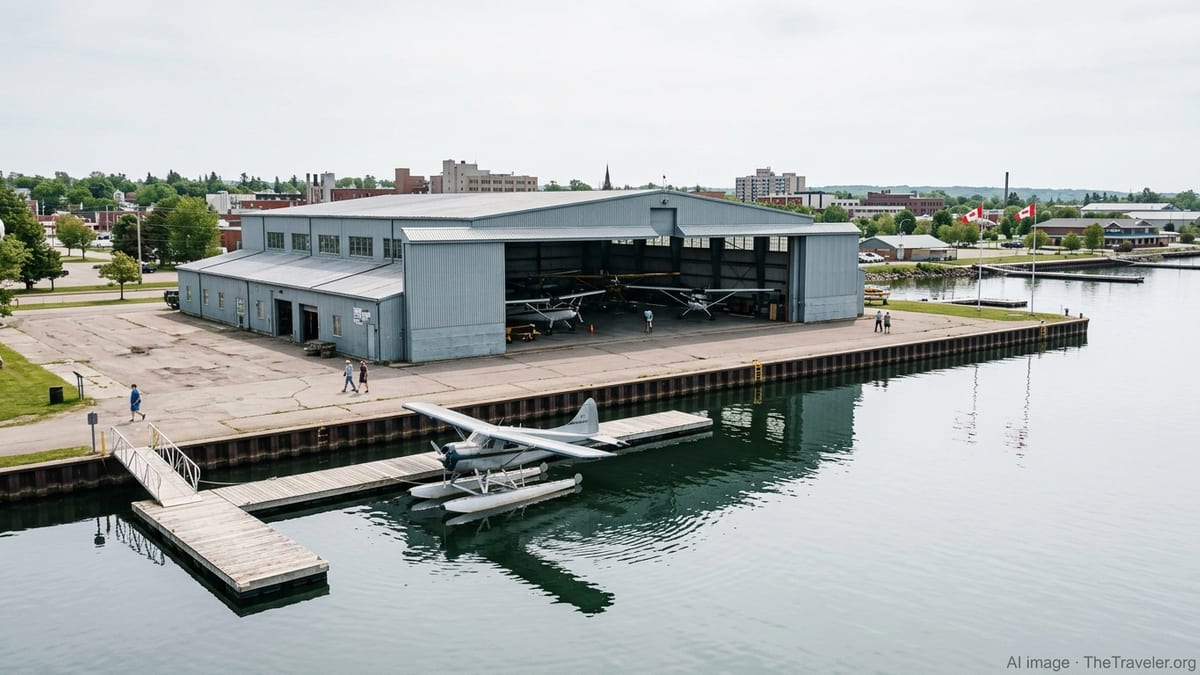
A Working Hangar of History on the St. Marys River
The Canadian Bushplane Heritage Centre occupies the original hangar of the Ontario Provincial Air Service at the edge of the St. Marys River, steps from Sault Ste. Marie’s downtown. Public information describes it as a world class museum dedicated to bush flying and forest protection heritage, with a collection that spans historic floatplanes, fire surveillance aircraft and modern aerial firefighting technology.
Inside the high steel trusses and weathered concrete of the 1924 riverfront hangar, visitors find more than two dozen aircraft, including the first production de Havilland Beaver, a workhorse that helped link remote northern communities. Nearby stand Canadair waterbombers and other machines that flew low over forests during some of the country’s most challenging wildfire seasons. Interpretive panels, archival images and restored cockpits connect these hulking aircraft to the pilots, engineers and communities that relied on them.
The hangar’s location beside the Sault Ste. Marie Water Aerodrome underlines how closely the museum is tied to the working waterfront. Floatplanes still use the adjacent docks, and the wider river corridor remains an active shipping and recreational route connecting Lake Superior to the lower Great Lakes. For travelers tracing great North American waterways by road or rail in 2026, the centre offers a rare opportunity to step directly into the infrastructure that made northern aviation possible.
Regional tourism guides for 2025 and 2026 highlight the Bushplane Heritage Centre as a signature stop in Sault Ste. Marie, alongside the Agawa Canyon Tour Train, the canal national historic site and nearby hiking and paddling routes. That recognition reflects a broader shift toward experience-based travel, where hands-on encounters with local history are as important as scenery.
Immersive Exhibits: From Wildfires to Women in Aviation
Recent exhibition updates show that the centre is not simply preserving aircraft under dust sheets. The museum promotes an interactive mix of theater, film and hands-on installations that aim to explain both the romance and the risk embedded in northern flying.
The Wildfires film experience, staged in a dedicated theater space, immerses visitors in the drama of forest fire detection and suppression from the cockpit perspective. Elsewhere, a recreated 1940s ranger station lets visitors tap out Morse code messages and see how fire lookouts relayed sightings across vast territories long before satellite monitoring. A climbable fire tower exhibit reinforces how human observation and aviation worked together to protect boreal forests.
The centre has also invested in stories that have traditionally been overlooked in aviation museums. According to its most recent annual report, a new “Passion and Persistence” exhibit focuses on women in Canadian aviation, contextualizing their roles as pilots, engineers and ground crew within the broader bushplane narrative. This kind of curation reflects a growing effort in heritage institutions to broaden representation and draw in more diverse audiences.
Complementary attractions deepen the visit. Entomica Insectarium, a science-focused collection of insects and small animals housed inside the same building, offers a different lens on northern ecosystems and climate pressures. Families can move from examining beetles and stick insects to sitting inside a vintage cockpit or trying a flight simulator, turning the hangar into a multi-hour learning hub that bridges natural and human history.
Future Impact Project: Why 2026 Visits Matter
Beneath its polished exhibits, the Bushplane Heritage Centre is facing very practical challenges common to mid-sized museums across Canada. A dedicated campaign site describes a Future Impact Project that sets out a multi-year roadmap for upgrades, including installing new HVAC systems in the main hangar, modernizing aging mechanical units and improving year round climate control for artifacts and visitors.
Project documents outline that in 2024 the centre hosted tens of thousands of visitors and more than ten thousand attendees at community and fundraising events, underlining its role as both a tourism draw and a local gathering place. At the same time, the cost of maintaining historic infrastructure on the waterfront is climbing, particularly as weather extremes affect older building systems and as museums compete for discretionary spending.
The Future Impact Project calls for a mix of private donations, grants and event revenue to complete key upgrades. For travelers in 2026, that financial reality turns an admission ticket into something more than a day out. Each visit helps keep aircraft restoration programs running, funds conservation work on archives and supports new interpretive content that connects aviation history with contemporary issues such as wildfire management and climate resilience.
Tourism planners for Sault Ste. Marie position the Bushplane Heritage Centre as a cornerstone attraction in broader regional development strategies, including a waterfront master plan that spans from the downtown marina to the museum precinct. Strong visitor numbers at the hangar strengthen the case for further public realm investment along the riverfront, tying the fate of this specialized museum to the future of the city’s tourism economy.
Anchoring a Revitalized Waterfront Destination
City documents released in 2024 and 2025 show that Sault Ste. Marie is working toward a more cohesive, pedestrian friendly waterfront linking cultural institutions, parks and marinas. The Canadian Bushplane Heritage Centre marks one end of this corridor, effectively anchoring a trail of attractions that includes public art, viewing platforms and access points to the St. Marys River.
Master plan materials describe the aim of transforming the stretch between the Bushplane Heritage Centre and Roberta Bondar Park into a continuous sequence of year round experiences. That vision elevates the museum from a stand alone attraction to a gateway for exploring trails, cycling routes and riverfront promenades. For travelers planning multi day stays in 2026, the hangar becomes both an itinerary highlight and the logical starting point for walking or biking the city’s shoreline.
The waterfront setting also intensifies the atmosphere inside the museum. Light filtering through the hangar doors plays off riveted aluminum skins and worn float struts, while the sound of freighters and pleasure boats outside underscores that this is a living port city. On busy days, event listings indicate that the centre hosts home shows, festivals and themed family days, drawing in residents who might not otherwise seek out an aviation museum but who leave with a deeper appreciation of its stories.
For destinations competing to stand out in 2026, this blend of heritage, public space and community programming aligns with broader trends in regenerative tourism. Visitors are being encouraged to choose attractions that reinvest in their settings, rather than extract from them. The Bushplane Heritage Centre’s active role in waterfront revitalization makes it a compelling case study in how a niche museum can punch above its weight.
A Gateway to Northern Adventures by Air and Land
Beyond its walls, the Bushplane Heritage Centre connects naturally to the broader travel narrative of northern Ontario. Regional travel guides for 2026 frame Sault Ste. Marie as an “adventure town,” a base for paddling Lake Superior’s rugged coast, hiking coastal trails, riding the Agawa Canyon Tour Train into shield country and exploring cross border routes into Michigan’s Upper Peninsula. The story that begins in the hangar’s exhibits continues out on the land and water those aircraft once surveyed from above.
According to recent tourism materials, new sightseeing flight services now operate from the waterfront, offering short scenic hops over the city, the locks and surrounding wilderness. Departures from near the museum allow visitors to pair a morning of static exhibits with an afternoon experiencing the same landscapes from the air. For aviation enthusiasts, it is an unusually direct way to connect the historic bushplane era to modern general aviation.
The centre’s partnerships, including reciprocal admission arrangements through science centre networks, also position it within a broader circuit of Canadian cultural attractions. Families traveling through Ontario by car or train in 2026 can link a visit to the Bushplane Heritage Centre with stops at other museums and science hubs, spreading tourism benefits across multiple communities.
For travelers looking ahead to 2026 itineraries, the message emerging from publicly available plans and campaigns is clear. The Canadian Bushplane Heritage Centre is more than a niche stop for aircraft fans. It is a keystone institution in a city reshaping its waterfront, a guardian of stories about how remote regions were connected and a living classroom for understanding wildfires and northern ecosystems. Visiting now means helping to keep those stories airborne for the next generation of explorers.