

More news on this day
Miracle Pool Cave, one of Dinagat Islands’ most talked-about natural attractions, is off the tourist circuit for 2026, reshaping how travelers plan their trips to this emerging Caraga destination.
Get the latest news straight to your inbox!
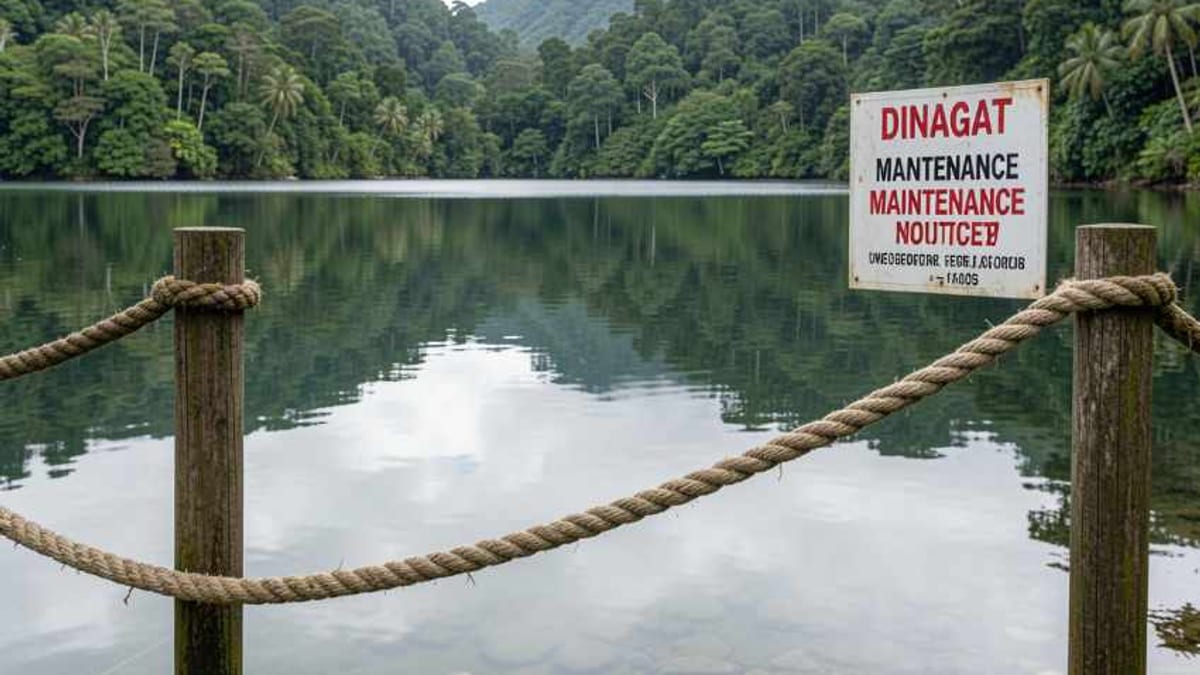
Image by Travel and Tour World – Tourism, Airline, Destination, MICE, Gobal Travel Market, Hotel news that you will find only over here.
What and Where Is Miracle Pool Cave?
Miracle Pool Cave is a small freshwater pool hidden inside a limestone formation in the municipality of Libjo, Dinagat Islands. Travel features and destination guides describe it as a shallow cave chamber where clear, often turquoise-tinged water collects in a natural basin, surrounded by rock walls and illuminated by shafts of light. The site has been promoted in recent years as a side trip on Libjo-area island-hopping routes that also include white-sand coves and dramatic rock formations.
The attraction gained traction among domestic travelers through blogs, social media posts and small-group tour packages, which typically marketed Miracle Pool Cave as a quiet stop for a short swim and photos after a day at sea. It appealed especially to visitors looking for destinations perceived as less crowded than more established Mindanao and Visayas hotspots.
Unlike larger attractions with extensive visitor infrastructure, Miracle Pool Cave sits within a relatively undeveloped coastal setting. Access has usually involved small boats, basic docking areas and narrow paths through forest or over limestone, with only minimal safety and crowd-control measures visible in most on-the-ground accounts.
By 2024 and 2025, more tour operators were folding Miracle Pool Cave into multi-spot itineraries built around the wider appeal of Dinagat Islands, including Bitaog Beach, Hagakhak Rock Formation and other natural highlights. That growing attention, combined with a wider surge in provincial visitor numbers, set the stage for closer scrutiny of how the cave pool was being managed.
Why Travellers Are Being Told It Is Closed in 2026
As of early 2026, there is no single, detailed public order focused solely on Miracle Pool Cave. Instead, information about the site’s status comes from a mix of provincial tourism updates, tour-operator advisories and recent travel reports that show the cave pool being left off active itineraries. Publicly available materials on official and semi-official tourism channels continue to mention Miracle Pool among Dinagat’s attractions, but current package descriptions and recent traveler accounts indicate it is not being offered as an open stop this year.
This pattern suggests a de facto closure or suspension of organized visits rather than a heavily publicized, stand-alone shutdown. Tourism in Dinagat Islands has been expanding rapidly, with government figures highlighting strong growth in arrivals for 2024 and 2025. In that context, sensitive sites like cave pools are typically among the first to face temporary restrictions when safety, carrying capacity or environmental integrity become concerns.
Environmental protection is one likely factor. Miracle Pool Cave sits in limestone and forest that are vulnerable to erosion, litter and damage from unmanaged foot traffic. The pool itself is a small, enclosed body of water, meaning sunscreen, body products and sediment stirred up by repeated use can accumulate quickly. Regional experience at similar inland natural pools and cave systems elsewhere in the Philippines shows that local governments often respond to overuse by tightening access, limiting swimming or closing areas during recovery or assessment periods.
Safety and liability considerations are another probable driver. Cave pools, even shallow ones, present specific risks, including slippery rocks, variable water depth, limited exit points and the potential for flash flooding in heavy rain. In provinces working to professionalize tourism operations and meet Department of Tourism accreditation standards, removing higher-risk, lightly developed spots from mainstream routes is a common transitional step while longer-term management plans are prepared.
How the Closure Fits into Dinagat’s Wider Tourism Push
Miracle Pool Cave’s current status comes at a time when Dinagat Islands is positioning itself more assertively on the Philippine tourism map. In recent years, provincial tourism offices have reported double-digit growth in visitor arrivals and have highlighted efforts to accredit more establishments, guides and transport providers to raise service quality and safety standards.
That broader push has focused on curating experiences that showcase Dinagat’s beaches, island-hopping circuits, coastal rock formations and cultural calendar. The emerging strategy, based on publicly accessible tourism campaigns and news coverage, appears to prioritize attractions that can handle higher visitor volumes, such as wide beaches and established island-hopping loops, while applying more caution to smaller, fragile sites.
Within this context, stepping back from active promotion of Miracle Pool Cave during 2026 is consistent with a selective approach to growth. Rather than opening every photogenic corner of the province to heavy traffic, officials and operators are increasingly framing Dinagat as a destination where some places remain intentionally low-profile or temporarily off-limits while management catches up with demand.
For travelers, that means the island province is still very much open, but its most sensitive spots may cycle in and out of itineraries from year to year. The experience on the ground in 2026 is likely to lean more heavily on open-water activities, beaches and viewpoints, with cave and inland water features treated more cautiously.
Practical Impacts on 2026 Itineraries
The most immediate effect of Miracle Pool Cave’s closure for 2026 is on the structure of Libjo-area island-hopping days. Recent sample itineraries from tour companies known for operating in Dinagat show island-hopping routes that previously listed Miracle Pool Cave as a highlight. Updated or currently circulating plans tend to either omit the cave pool entirely or refer more generally to optional stops that are subject to on-the-day conditions, without naming Miracle Pool.
Travelers planning trips for 2026 should therefore expect that visits inside the cave and swimming in the pool will not be offered as standard experiences, even if materials published in previous years still circulate online. Some visitors may find local boat operators willing to approach the area, but reports and general guidance for responsible tourism in the Philippines increasingly discourage pushing for access to places that are being rested, assessed or placed under informal moratorium.
Instead, tour operators are emphasizing alternative stops that deliver similar visual or experiential appeal. These can include limestone rock formations accessible by boat, small coves suited to snorkeling and swimming, and viewpoints that offer wide seascapes without concentrating impact on a small, enclosed feature. The wider Dinagat circuit, including destinations around San Jose and nearby islands, continues to give travelers a full schedule even without the cave pool.
Bookings for 2026 also need to factor in that Dinagat’s tourism infrastructure, while improving, remains relatively modest compared with major hubs. Accommodation and transport can fill up during long weekends and festival periods. With one of the province’s most Instagram-friendly sites effectively off the table, travelers inclined toward nature and seascapes will still find ample alternatives, but those seeking a specific “cave pool” moment should adjust expectations.
What Travellers Should Do Before They Go
Anyone considering Dinagat Islands in 2026 is advised to clarify, before finalizing plans, exactly which sites a given tour will cover and whether any inland or cave features are currently included. Publicly available itineraries can lag behind real conditions on the ground, and small operators may update routes informally in response to evolving guidance from local officials or landowners.
Travelers can also anticipate a stronger emphasis on environmental conduct. Messaging across Philippine island destinations increasingly highlights packing out trash, minimizing the use of chemical sunscreens in enclosed or low-flush waters and respecting ad hoc no-entry or no-swim advisories. Applying those principles in Dinagat, including refraining from pressuring guides to enter Mircale Pool Cave or similar sites, supports local efforts to keep the province’s landscapes viable for future low-impact tourism.
From a planning perspective, it is useful to think of Miracle Pool Cave in 2026 as a background element rather than a guaranteed experience. The site’s reputation and imagery will likely continue to appear in travel content about Dinagat Islands, but conditions this year point to limited or zero formal visitor access. Travelers who build their itineraries around beaches, lagoons, coastal viewpoints and cultural events will be better placed to enjoy what remains available without disappointment.
Ultimately, the closure of Miracle Pool Cave for 2026 is a reminder that the most delicate attractions in fast-rising destinations often need time out of the spotlight. For visitors, adapting plans to these realities not only helps avoid logistical snags, it also contributes to the preservation of the very landscapes that draw people to places like Dinagat Islands in the first place.