

More news on this day
Air travellers across South Africa are facing noticeably higher ticket prices in early 2026, as a mix of fuel-cost volatility, currency weakness, constrained airline capacity and resilient demand pushes fares sharply higher on many routes.
Get the latest news straight to your inbox!
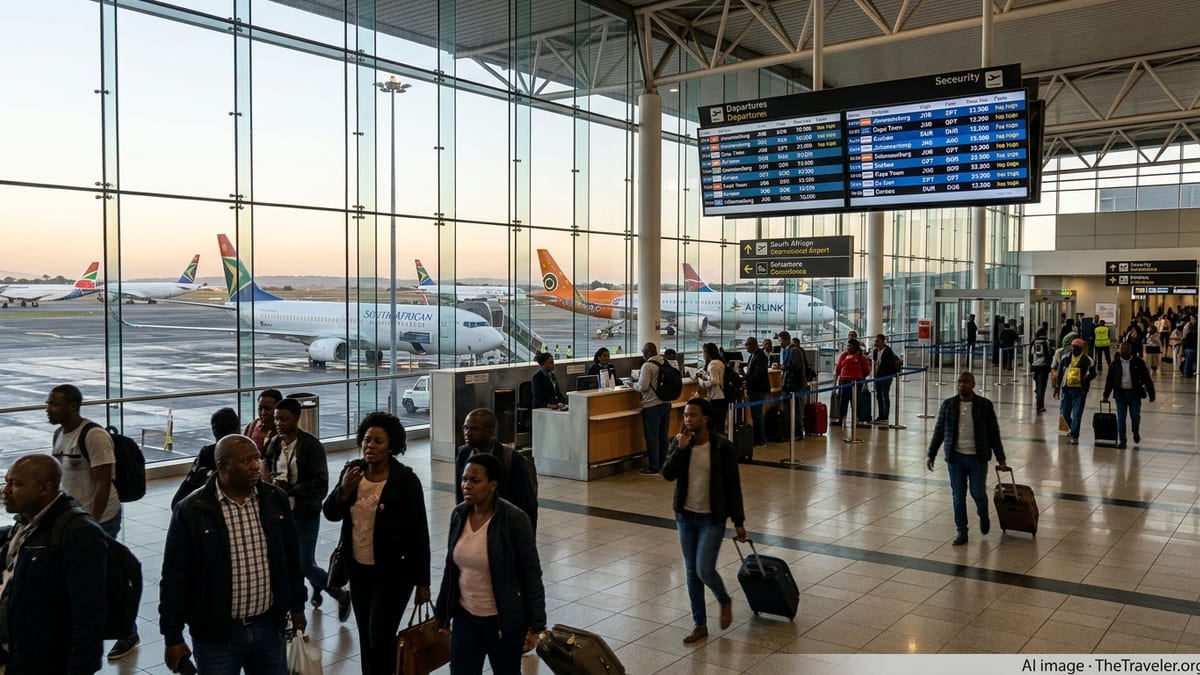
Jet Fuel Shocks Feed Directly Into Ticket Prices
Fuel is one of the largest single costs for airlines, and recent volatility in global oil markets is flowing quickly into South African airfares. Industry reports indicate that Brent crude has climbed well above earlier forecasts for 2026, with some trade coverage citing spot prices around 100 US dollars per barrel or higher following renewed tensions in the Middle East. Jet fuel in Southern Africa is typically priced at a premium to global benchmarks, meaning local carriers are exposed to both higher base prices and regional mark-ups.
Specialist aviation and travel-industry outlets note that jet fuel in Southern Africa is currently trading at roughly a 15 to 20 percent premium compared with some global hubs, squeezing margins for domestic and regional operators. As a result, several carriers have begun adding or increasing fuel-related charges on tickets sold in South Africa, explicitly linking new surcharges to the spike in jet fuel costs.
Low-cost leader FlySafair has introduced an additional fuel surcharge on new bookings, according to recent consumer-focused travel coverage, while regional carrier Airlink has reportedly raised base fares twice within a short period to absorb higher fuel costs. These adjustments mean that even when base ticket prices appear similar to last year, the total cost to the passenger often comes in significantly higher once fuel charges and taxes are factored in.
The timing of these increases is also compounding the impact on travellers. While South Africa entered 2026 with some relief at the pump after a broad-based fuel price reduction linked to softer international oil prices and a stronger rand, monitoring by energy and business publications suggests that this respite has been short-lived. Forecasts now point to renewed upward pressure on petrol, diesel and jet fuel as oil markets tighten again, raising the prospect of further airfare hikes in the months ahead.
Currency Weakness and Import Costs Raise Structural Pressures
Beyond headline fuel prices, the rand’s performance against the US dollar is a critical driver of airline costs. South Africa imports both crude oil and refined fuel, and jet fuel is typically purchased in dollars. Economic and energy analyses published over the past year highlight that periods of rand depreciation have amplified the impact of global oil moves, turning modest international price shifts into sizeable local cost increases.
Corporate disclosures from major South African energy producers and refiners underline this sensitivity. Financial guidance material shows that relatively small changes in the rand-dollar exchange rate can translate into hundreds of millions of rand in additional fuel-related costs across the economy. For airlines operating on thin margins, this leaves little room to absorb currency-driven spikes, especially on price-sensitive domestic routes.
At the same time, aviation fuel pricing in South Africa is influenced by regulated structures and international reference indexes rather than purely local market dynamics. Industry briefing documents, including recent updates on Africa-focused jet fuel indexes, indicate that regional benchmarks have picked up alongside global crude, with African jet fuel assessments now reflecting both higher dollar prices and local logistical premiums. Airlines then pass a portion of this increase through to passengers via surcharges and higher base fares.
The combined effect is that even when demand stabilises, South African carriers operate in a structurally high-cost environment whenever the rand is under pressure. In the current climate, where the currency has faced intermittent bouts of weakness, this has intensified upward pressure on ticket prices across both domestic and regional networks.
Capacity Still Lagging Demand After Years of Turbulence
On the supply side, the local aviation market is still adjusting to the fallout from earlier airline failures and restructurings. The collapse of Comair in 2022 removed a substantial share of domestic seats almost overnight, and although new entrants and surviving carriers have since expanded, capacity growth has been uneven. Industry coverage in 2023 and 2024 noted that while fares briefly eased as airlines competed aggressively on price, underlying constraints on certain city pairs persisted.
South African Airways has been rebuilding its network with a smaller fleet, focusing on selected regional and long-haul routes rather than attempting to restore its previous domestic dominance. Tourism and aviation trade publications report that much of the new capacity entering the market over the past two years has been deployed on regional and international routes, where yields are higher, rather than on dense domestic corridors that most South Africans rely on.
Airports Company South Africa statistics show that major hubs such as Cape Town and King Shaka International have recorded robust growth in domestic passenger numbers going into 2025 and 2026, confirming that demand has recovered strongly. However, airline seat growth has not always kept pace, particularly during school holidays and around major events, leading to load factors that are frequently near or at capacity on popular routes.
In this environment, airlines have greater pricing power. With fewer surplus seats to fill, carriers are less inclined to offer deep discounting on domestic legs and more likely to yield-manage aggressively, pushing prices higher at peak times. Travellers searching for last-minute fares between Johannesburg, Cape Town and coastal leisure destinations report that prices have escalated sharply compared with similar periods a year or two ago, reflecting a tighter capacity backdrop.
Seasonal Demand, Tourism Recovery and Route Mix
South Africa’s tourism recovery is adding another layer of upward pressure to airfares. Market intelligence from national tourism authorities and international travel trade shows indicates that inbound travel from key markets such as Europe and North America has strengthened, with airlines and tourism operators describing a solid rebound in leisure and business travel. As inbound visitors return, competition for seats on key domestic trunk routes intensifies, particularly during safari and coastal peak seasons.
Recent data released by Cape Town International Airport, for example, points to an 8 percent rise in domestic passenger traffic and a notable jump in international arrivals and cargo volumes in early 2025 compared with the previous year. Similar trends are being reported at Durban’s King Shaka International, where domestic movements remain the dominant share of activity. These increases suggest that both local and foreign travellers are back in large numbers, pushing demand close to or beyond available capacity during busy periods.
At the same time, airlines are continuously refining their route mix. Some carriers are prioritising higher-yield regional and long-haul services over additional domestic frequency, as they seek to maximise revenue in a costlier operating environment. Trade publications tracking airline schedule changes highlight a steady expansion of services linking South Africa to key African and intercontinental hubs, even as certain secondary domestic routes remain thinly served.
For passengers, this can mean fewer flight options on some local routes and less flexibility on timings, which in turn supports firmer pricing. When a small number of airlines dominate a route and operate limited frequencies, they can adjust fares more confidently in response to demand spikes, with fewer competitors undercutting prices.
Taxes, Airport Charges and Structural Cost Factors
While fuel and capacity grab most of the headlines, structural cost elements within South Africa’s aviation ecosystem also contribute to higher fares. Airport passenger service charges, security fees and other statutory levies are embedded in ticket prices and have risen over time as infrastructure investments and regulatory requirements have increased. Publicly available airport authority data shows continuing capital spend on terminal upgrades, safety systems and runway maintenance at major hubs, costs that are ultimately recouped through charges to airlines and travellers.
Broader fiscal and regulatory developments have also shaped the cost base. Although a proposed increase in South Africa’s value-added tax rate was ultimately reversed in 2025, earlier debate over higher consumption taxes and ongoing adjustments in fuel levies have underscored the sensitivity of transport costs to tax policy. Energy and policy analysts note that any rise in levies on fuel or aviation services feeds rapidly into ticket prices in a market where margins are already tight.
In addition, the fragmented nature of domestic transport alternatives means airlines face limited competition from rail, particularly on intercity routes where long-distance trains remain infrequent or slow. This reduces pressure on carriers to absorb cost increases in order to retain market share, especially for travellers who view flying as the only practical option between distant cities.
The result is that South African airfares are being shaped by a combination of short-term shocks and longer-running structural pressures. With fuel and currency volatility likely to persist and capacity expansion measured rather than explosive, travellers may need to adjust expectations around what constitutes a “normal” ticket price in the South African market, at least in the near term.