

More news on this day
Foreign airlines are stepping up recruitment of Chinese and Mandarin-speaking cabin crew as international travel from China rebounds, seeking to better serve a fast-growing, high-spending passenger segment and sharpen their competitive edge on key routes.
Get the latest news straight to your inbox!
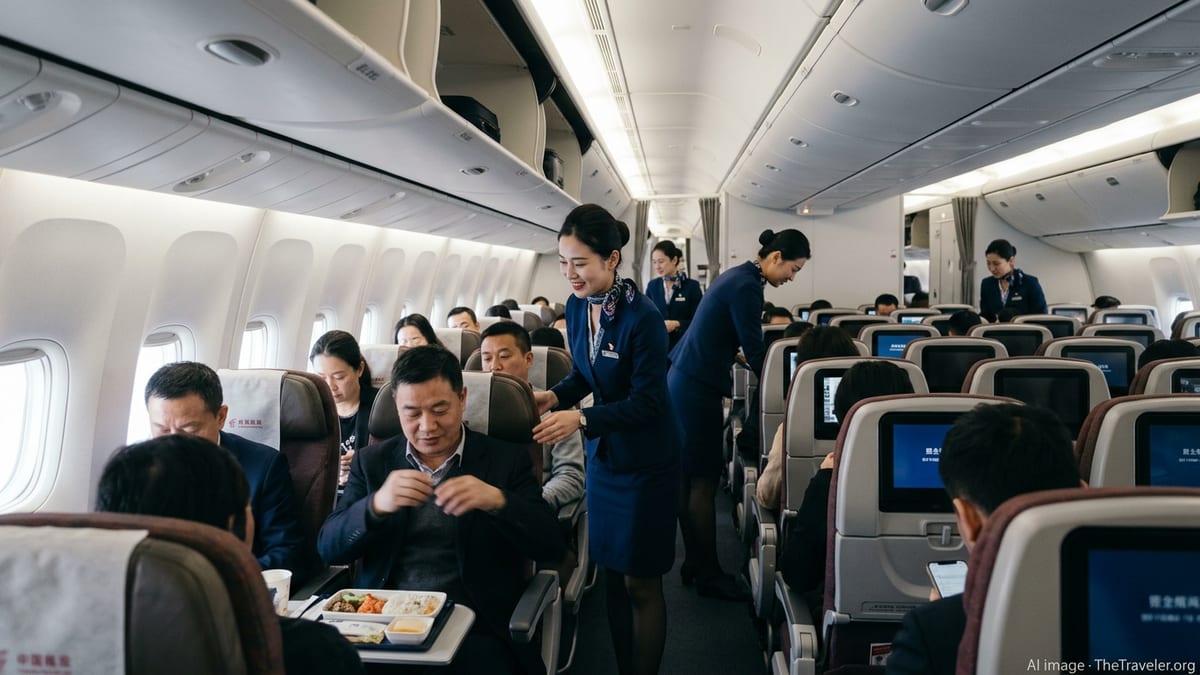
A Targeted Response to China’s Travel Rebound
International carriers are recalibrating their staffing strategies as outbound travel from China steadily recovers, particularly on routes linking the mainland with hubs in the Middle East, Europe and North America. Publicly available information shows that airlines are expanding Chinese-language service and seeking cabin crew who can communicate fluently with travelers from mainland China, Hong Kong and other Chinese-speaking regions.
Recent recruitment campaigns illustrate how demand is shaping hiring priorities. Coverage from Gulf-based media indicates that Emirates has intensified efforts to bring in more Chinese-speaking staff following renewed growth in China–Dubai traffic, with Chinese visitor arrivals to Dubai rising strongly in 2024 compared with the previous year. Similar language-focused hiring criteria are visible at several Asian and European carriers operating dense networks in Greater China.
This pivot reflects how airlines are positioning for a longer-term recovery rather than a short-lived surge. Airlines are investing in language skills, cultural familiarity and service training aimed specifically at Chinese customers, signaling that they expect China to remain one of the most important international travel markets through the rest of the decade.
New Hiring Drives Put Chinese Language Skills at the Center
Multiple recent recruitment drives highlight the premium placed on Mandarin and other Chinese language skills. Job postings for flight attendants serving China-related routes increasingly specify native or fluent Mandarin as a core requirement, sometimes alongside English and an additional language.
Reports on staffing trends show that airlines in the Middle East and Asia are under particular pressure to staff flights with Chinese-speaking crew as they restore and expand services to cities such as Beijing, Shanghai, Guangzhou and Chengdu. In some regions, Chinese proficiency is listed as a preferred or priority qualification for new cabin crew, reflecting the commercial value attached to being able to assist customers throughout the journey in their first language.
Beyond language, airlines are also seeking staff who understand Chinese cultural norms around hospitality, food preferences and in-flight announcements. Training materials and internal guidelines have been adjusted at some carriers to reflect expectations from Chinese travelers, including clearer explanations of procedures, more tailored meal and beverage options, and more proactive support for passengers who may be less familiar with self-service digital tools.
Enhancing Passenger Experience and Brand Perception
For Chinese travelers, the presence of Chinese cabin crew can significantly influence how comfortable and confident they feel when flying with a foreign airline. Being able to ask questions, resolve issues and receive safety briefings in Mandarin or another familiar Chinese dialect can reduce anxiety, especially for first-time or infrequent international travelers.
Publicly available reporting on passenger behavior indicates that service in a traveler’s native language often correlates with higher satisfaction scores and stronger brand loyalty. For airlines, this can translate into repeat bookings, positive word-of-mouth on Chinese social media platforms and better ratings on popular travel review and booking sites that cater to Chinese users.
The move to hire more Chinese cabin crew also responds to past criticism over service gaps for non-English speakers. Ensuring that Chinese travelers feel respected and well-served is now seen as a reputational priority. Airlines that can demonstrate culturally sensitive service, from boarding announcements to handling special requests, are better positioned to attract group tours, corporate contracts and high-yield premium passengers from China’s large outbound travel market.
Strategic Benefits for Network Growth and Partnerships
Strengthening Chinese-language capability on board is not only about service; it is also part of wider network and partnership strategies. As long-haul capacity between China and the rest of the world recovers, foreign carriers are vying for slots, codeshare agreements and feeder traffic from Chinese cities into their global hubs. Offering a more seamless experience for Chinese passengers can make an airline a more attractive partner for Chinese carriers and travel agencies.
Industry analyses suggest that airlines with strong cultural and linguistic alignment to key growth markets often perform better when launching or relaunching routes. For example, a carrier that can guarantee Chinese-speaking crew on flights to European or Middle Eastern hubs may have an advantage when negotiating group bookings or joint marketing campaigns with Chinese tour operators.
This strategy also supports premium-cabin sales. Business travelers and higher-spending leisure passengers from China are more likely to choose airlines that can provide concierge-style assistance, problem resolution and tailored service in their language. For airlines recovering from several years of suppressed international demand, winning a greater share of this segment can have an outsized impact on route profitability.
Implications for the Future of Aviation Talent
The growing emphasis on Chinese cabin crew underscores a broader shift in aviation hiring, where language and cultural skills are increasingly viewed as strategic assets rather than secondary advantages. As airlines rebuild and diversify their workforces after the pandemic, recruitment from mainland China and other Chinese-speaking markets is becoming a more prominent feature of global talent planning.
This trend may influence how cabin crew careers evolve. More Chinese nationals are expected to work for foreign airlines based outside mainland China, while multinational crews will become the norm on routes connecting major hubs with Chinese cities. Training organizations and aviation schools are likely to place greater focus on cross-cultural communication, customer psychology and digital service tools catering to Chinese travelers.
For the wider aviation industry, the push to hire Chinese cabin crew signals confidence in the long-term importance of China as an engine of passenger growth. While capacity constraints, regulatory dynamics and economic conditions will continue to shape traffic patterns, airlines are already positioning themselves for the next phase by investing in the people who interact most directly with travelers: the cabin crew on board.