

More news on this day
International tourists, once a reliable engine for the United States travel industry, are pulling back in surprising numbers this year, sparking alarm from hoteliers and tourism officials who fear that a fragile post-pandemic recovery is slipping into reverse.
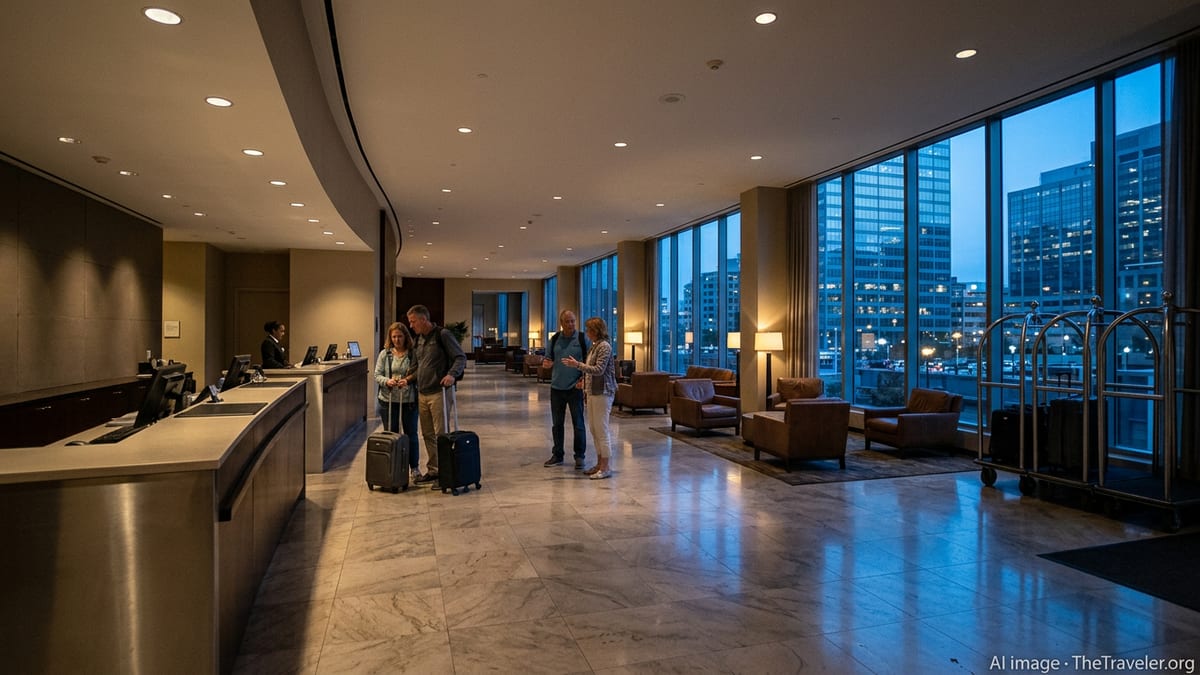
A Sudden Slump in a Booming Global Travel Market
The pullback comes at a time when global tourism is otherwise roaring back. UN tourism barometers show international arrivals worldwide at or near pre-pandemic levels, with Europe and parts of Asia enjoying record visitor numbers as airlines restore capacity and consumers splurge on long-delayed trips abroad.
The United States tells a different story. Industry forecasts from the World Travel and Tourism Council project that international visitor spending in the US will fall about 7 percent in 2025 compared with 2024, roughly 12.5 billion dollars in lost revenue, even as rival destinations continue to grow. That would leave foreign visitor spending more than a fifth below its 2019 peak despite years of recovery efforts.
Data compiled by travel economists show that non US citizen arrivals dropped nearly 10 percent year over year in recent months, with overseas visitors still well short of pre pandemic levels. At the same time, Americans are traveling abroad in record numbers, widening the US travel trade deficit and underscoring how the country is losing ground in the competition for global tourists.
For hotels that depend on long haul guests, especially in gateway cities such as New York, Los Angeles and Miami, the shift has been jarring. Overseas visitors typically stay longer and spend more per trip than domestic travelers, so even modest declines can punch above their weight in local balance sheets.
Politics at the Border and a Chill in Key Markets
Industry analysts and hotel executives say geopolitics has moved from a background factor to a central driver of travel decisions. A series of high profile incidents at US borders, including reports of European travelers detained or turned away, has made headlines in foreign media and fueled concerns that entering the country has become unpredictable and potentially humiliating.
New restrictions and rhetoric from the current administration have further complicated the picture. A recent presidential proclamation tightening entry rules for nationals of several countries has been widely interpreted abroad as part of a broader hard line on migration and security. Forecasting firm Tourism Economics now expects international arrivals to the US to decline by more than 9 percent this year, reversing what had been a solid rebound only months ago.
Political backlash has been particularly sharp in close neighbor markets. In Canada, where residents have long treated US destinations as an easy escape for sunshine and shopping, a grassroots boycott of American goods and travel has taken hold. Surveys conducted this year show that more than half of Canadians who had planned a US trip in 2025 have either canceled or shifted to another country, a dramatic swing for what remains the single largest source market for US tourism.
Across parts of Europe, travel agencies report rising demand for alternative long haul destinations seen as more welcoming or less politically fraught, from Japan and South Korea to Mediterranean standbys such as Spain and Greece. The shift is gradual rather than spectacular, but it compounds other pressures already weighing on US inbound travel.
Strong Dollar, High Costs and Visa Friction
Beyond politics, basic economics is pushing many foreign travelers to look elsewhere. A resilient US dollar has made hotel rooms, restaurant meals and rental cars in American cities markedly more expensive when converted back into euros, pounds, pesos or yuan. By contrast, destinations where local currencies have weakened against major benchmarks are advertising themselves as relative bargains.
Travel groups say that for many would be visitors, especially families, the gap is decisive. A long haul vacation budget that once covered two weeks in the United States may now stretch further in Europe, Southeast Asia or Latin America. With airlines still rebuilding some transpacific and transatlantic routes, limited seat supply has also kept airfares elevated on key corridors into the US.
Visa policy is another sore point. The US Travel Association has repeatedly warned that long appointment wait times and higher upfront visa costs are deterring potential visitors, particularly from emerging markets. In some countries, travelers must wait months for a consular interview, while competing destinations have rolled out visa free entry or streamlined e visa systems to lure the same customers.
That contrast is especially evident in the contest for Chinese tourists, once among the biggest spenders in the US. While China cautiously reopened its borders and restored some flights, the recovery of outbound Chinese travel has tilted toward nearby or visa friendly destinations in Asia and Europe. A formal risk alert issued by China’s Ministry of Culture and Tourism for trips to the United States in 2025, citing safety and political concerns, has deepened the hesitancy.
Safety Perceptions and a Fraying American Brand
Even where paperwork and pricing are not insurmountable obstacles, perception issues weigh heavily. Travel consultants across Europe and Asia say clients frequently raise worries about gun violence, polarized politics and protests in the United States. While statistical risks may remain low for tourists in major destinations, sensational coverage of shootings and unrest has left some would be visitors unsettled.
Social media amplifies those fears. Viral clips of security incidents, immigration inspections and street crime circulate far beyond their local context, often with little nuance. For travelers deciding between two or three possible long haul trips, the impression that the US is less safe or less welcoming than its competitors can quietly tip the balance.
The overall brand of America as a carefree, aspirational destination has also taken a hit in some markets. Years of trade disputes, diplomatic spats and shifting visa rules have left foreign publics unsure whether they are truly wanted as visitors. At the same time, rival destinations are investing heavily in national marketing campaigns, twinning sunny imagery with simple messages about openness and ease.
Hotel companies say they now have to work harder to reassure guests even after a booking is made, fielding more questions about security, insurance and contingency plans than they did just a few years ago. Some report higher cancellation rates for international reservations, particularly during periods of heightened political tension or following new policy announcements in Washington.
Hotel Industry Scrambles as Domestic Travel Plateaus
The shift comes at an awkward moment for US hotels. After a torrid rebound driven by domestic leisure travel in 2022 and 2023, growth in homegrown demand has cooled as higher interest rates, lingering inflation and recession fears nibble at household budgets. Many properties had banked on international visitors to fill the gap, especially in city centers and resort areas that depend heavily on fly in guests.
Instead, managers in markets from Orlando to Las Vegas are watching advance bookings from overseas flatten or fall. Luxury and upper upscale hotels, which disproportionately rely on foreign travelers and international group business, are feeling the slowdown most acutely. Trade groups warn that each percentage point drop in international spending translates into tens of thousands of lost or foregone jobs in hospitality and its supply chain.
Some destinations are moving quickly to stem the slide. State tourism offices and city marketing organizations are ramping up overseas campaigns, courting travel agents and airlines in Europe, Latin America and Asia with joint promotions and new route incentives. The federally backed Brand USA program has touted strong returns on its advertising investments, but industry leaders argue that marketing alone cannot overcome structural barriers such as visas, border experiences and currency strength.
Behind the scenes, hotel executives are lobbying for policy changes, from more funding for consular services to clearer communication at ports of entry, in hopes of stabilizing sentiment before the crucial booking windows for 2026. For now, though, many operators are bracing for another year in which the world’s tourists overwhelmingly choose to visit somewhere other than the United States, leaving a noticeable vacancy sign over one of the globe’s most famous destinations.