

More news on this day
In a year defined by overcrowded capitals and heavily trafficked beach clubs, Iceland and Hawaii have quietly emerged as the two destinations where ultra high end travelers can still disappear into genuinely secret, highly personalized luxury.
Get the latest news straight to your inbox!
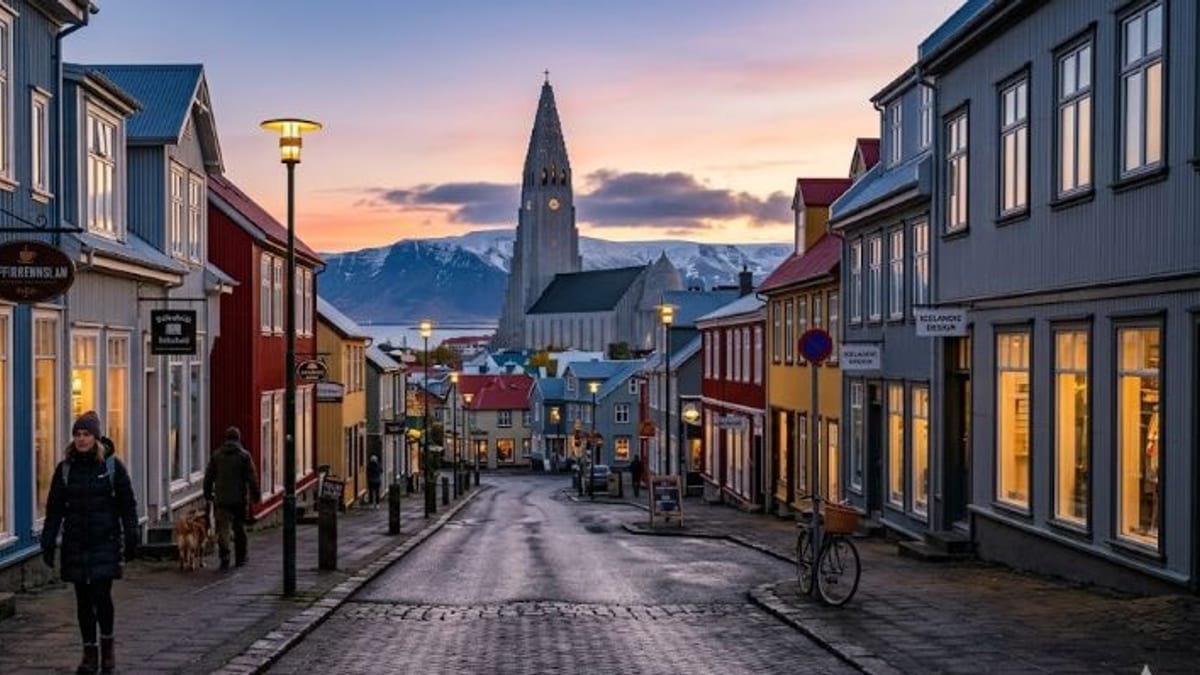
Image by Latest International / Global Travel News, Breaking World Travel News
A New Definition of Luxury: Seclusion Over Spectacle
Across global luxury travel, demand is shifting away from marquee city hotels and overexposed resort strips toward highly private, experience driven stays. Industry reports indicate that the ultra wealthy are prioritizing remoteness, cultural authenticity and genuine anonymity over traditional status symbols. Iceland and Hawaii now sit at the center of that movement, pairing difficult to reach locations with a density of discreet, design forward properties and services that few other regions can match.
In both destinations, the most coveted stays are not standard suites but stand alone villas, low key estates and buyout ready compounds that function more like private clubs than hotels. Travelers are looking for spaces where staff are present yet unobtrusive, where logistics such as private transfers and bespoke itineraries are handled out of sight, and where social media exposure can be carefully controlled or avoided altogether.
This recalibration is particularly visible at the very top of the market, where properties in Iceland and Hawaii are quietly trading or booking at eight figure values and five figure nightly rates while maintaining an intentionally low profile. The result is a new class of “secret luxury” product that is designed less for visibility and more for meaningful seclusion.
Iceland’s Remote Retreats and Under the Radar Villas
Iceland’s rise as a stealth luxury hub has been driven by a wave of retreats and villa style properties that place a premium on privacy in elemental landscapes. Options range from turf roofed compounds on the country’s south coast to glass fronted lodges that sit alone on the edge of lava fields, glaciers or black sand beaches. Many are set up for exclusive use, allowing single groups to occupy an entire cluster of residences, geothermal tubs and dining spaces without encountering other guests.
Several operators now focus specifically on private guided touring paired with high end stays, offering everything from closed door access to geothermal bathing areas to helicopter day trips that touch down on remote glaciers and volcano rims. Itineraries can include after hours entry to popular natural sites or routing designed to avoid peak visitor times, enabling guests to experience well known attractions in near solitude.
What sets Iceland apart is the intersection of this privacy focused infrastructure with the country’s dramatic geography. At the upper end of the market, guests can travel by chartered helicopter between villas, remote hot spring canyons and coastal farm estates, returning each evening to personalized tasting menus and spa treatments. The experience is framed not as a five star city break relocated into nature, but as a deeply curated expedition that happens to include very high levels of comfort.
Hawaii’s Quiet Compounds and Reinvented Resorts
In Hawaii, the most exclusive experiences are unfolding behind the gates of master planned coastal communities and low key estates that function almost as private islands within the archipelago. Real estate and travel market data from 2024 and 2025 show sustained demand at the ultra luxury level, with transactions at private club communities on the Big Island regularly surpassing ten million dollars and individual trophy homes selling for well above that figure. Within these enclaves, owners and guests access private clubs, uncrowded beaches and member only dining that are largely invisible to casual visitors.
High end resorts across the islands are also reorienting around more intimate, suite and villa driven products. On Oahu’s North Shore and Waikiki, brands have invested heavily in upgraded cottages, premier suites and eco sensitive renovations that carve out quieter corners within large properties. On Maui and the Big Island, newly built or reimagined resorts emphasize freestanding hales and multi bedroom villas with plunge pools, private lanais and direct beach or lava field access, allowing families or groups to inhabit self contained spaces serviced by dedicated concierges.
Recent development news underscores how intensely the upper tier of the market is being targeted. Management changes at existing luxury resorts, new branding agreements for ultra luxury flags and ongoing upgrades to oceanfront properties all point to a competitive race to secure high net worth visitors who are willing to pay a premium for discretion. Even as visitor numbers fluctuate, occupancy and average daily rates at the luxury level in Hawaii remain among the highest in the United States, signaling sustained appetite for this kind of hidden in plain sight indulgence.
Why Other Luxury Hotspots Are Falling Behind
While ultra luxury pockets exist from the Mediterranean to the South Pacific, few destinations currently combine accessibility, political stability and robust high end infrastructure with true remoteness in the way Iceland and Hawaii do. Many traditional luxury capitals are grappling with overtourism, visibility driven social media culture and a dwindling supply of genuinely secluded properties within easy reach of major gateways.
By contrast, both Iceland and Hawaii are reachable on nonstop flights from North America and key international hubs, but once travelers arrive, the experience quickly shifts from airports and highways to quiet coastlines, mountains and small scale communities. Regulations and planning frameworks have, in different ways, limited unchecked development, preserving large tracts of coastline and countryside that can now host low density, high value properties.
Another factor is the diversification of product at the very top end. In some competing regions, marquee resorts dominate a narrow slice of coastline, making it difficult to find privacy during peak seasons. Iceland and Hawaii, however, have seen a surge in luxury oriented villa management companies, private tour outfitters and boutique retreats spread across multiple islands and regions. This diffusion helps maintain a sense of discovery and keeps even flagship properties from feeling overexposed.
The Future of Secret Luxury in Two Very Different Landscapes
Current development pipelines suggest that the emphasis on quiet, high impact luxury in Iceland and Hawaii is set to deepen over the next several years. In Hawaii, more high profile residential projects, rebranded resorts and upgraded club communities are expected along the Kohala Coast, in Maui’s resort districts and in select corners of Oahu, often with explicit commitments to cultural programming and environmental stewardship built into their positioning.
In Iceland, small scale additions rather than mega projects appear to be the dominant trend, with new lodges and villa clusters integrating traditional materials, off grid energy systems and tightly controlled guest counts. Travel planners report strong interest in shoulder season and winter itineraries, which further supports investments in boutique properties that can offer Northern Lights viewing, ice cave access and snow based adventures without sacrificing comfort.
For travelers and travel advisors operating at the ultra luxury level, the message is increasingly clear. At this particular moment, those seeking the highest degree of privacy, personalization and sense of discovery are most likely to find it not in crowded coastal playgrounds or urban penthouses, but in the geothermal valleys and black sand shorelines of Iceland and in the lava framed bays and gated communities of Hawaii.