

More news on this day
As families lock in long-awaited summer vacations at sea, a wave of itinerary changes, canceled voyages, and subtle service cutbacks at Royal Caribbean and Carnival Cruise Line is leaving many travelers frustrated and scrambling to salvage their plans.
Get the latest news straight to your inbox!
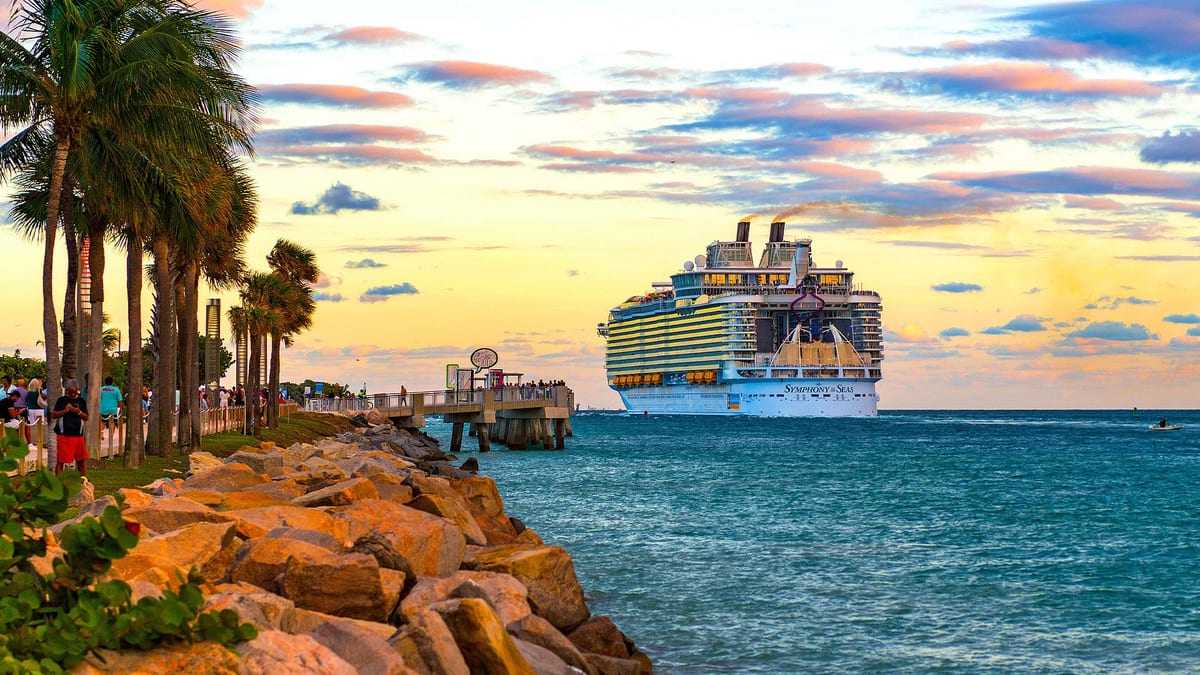
Image by TheTravel
Popular Sailings Scrapped After Bookings Surge
The most visible disruption this season is coming from outright cancellations of scheduled cruises. Carnival Cruise Line has recently confirmed that 11 short sailings on Carnival Firenze, all scheduled between October 12 and November 16, 2026, from Long Beach, California, have been removed from the schedule. While those dates fall in the fall shoulder period, many travelers had booked the voyages as part of extended late summer and school break trips, particularly on the U.S. West Coast.
Publicly available information indicates that the cancellations are tied to wider redeployment plans for the ship, which is being repositioned away from Southern California. Industry coverage notes that Carnival is offering affected guests either full refunds or the option to rebook comparable sailings with protected cruise fares and onboard credit. For travelers who spent months coordinating vacation days, airfare, and pre- and post-cruise stays, however, the financial protection does not fully address the lost opportunity of a carefully timed trip.
The Firenze changes are not isolated. Earlier schedule updates for other Carnival vessels, such as dry dock work that wiped out a block of Carnival Magic departures in spring 2026, have already forced some guests to rebuild their vacation plans from scratch. These cascading adjustments are feeding a perception among frequent cruisers that long-range planning is becoming riskier, even for large, well-established brands.
For summer cruisers watching from 2025 and 2026 sailings, the concern is that if entire weeks can disappear more than a year out, similar moves could still emerge closer to embarkation, when alternative options are more expensive or sold out.
Royal Caribbean’s Quiet Itinerary Swaps
Royal Caribbean is not canceling entire voyages at the same scale, but many passengers are discovering that the cruise they booked is not the cruise they will ultimately sail. Social media forums dedicated to the line have filled in recent months with accounts of Caribbean itineraries losing marquee ports and gaining less popular stops, often without significant advance warning.
One recurring flashpoint is the replacement of sought-after ports such as Cozumel with Nassau or additional sea days on short Western Caribbean cruises. Travelers report logging into their booking portals to find revised lineups featuring more generic routes, sometimes after arranging private excursions or planning specific activities linked to the original destinations.
Royal Caribbean’s ticket contracts allow for substitutions and schedule changes, and the company typically frames adjustments around operational needs, safety, or port logistics. However, the pattern of swapping highly rated ports for less expensive or more convenient alternatives is being interpreted by some cruisers as cost management rather than guest experience optimization. For families who chose an itinerary specifically for a beach day in Mexico or a call at a private destination, the changes can feel like an erosion of value.
The frustration is amplified in peak summer, when school calendars and limited vacation time leave little flexibility to move to another sailing. Even when a future cruise credit or modest onboard credit is offered, many travelers argue that it does not compensate for losing a highlight port that shaped their original decision to book.
Cost Pressures Behind Cuts and Changes
Behind both the cancellations and itinerary reshuffles are mounting economic pressures that are squeezing the cruise business just as demand has roared back. Recent financial filings and analyst commentary point to sharply higher fuel costs as one major headwind, particularly as geopolitical tensions have driven up global oil prices. Coverage of the sector has indicated that Carnival could see some of the largest profit impacts if fuel remains elevated, while other lines, including Royal Caribbean, are also seeing thinner margins.
Fuel is only part of the equation. Cruise operators are also facing higher labor, food, and regulatory compliance costs, even as they continue to service debt taken on during the pandemic shutdown. Publicly available corporate reports show that lines are seeking efficiencies through fleet redeployment, capacity shifts toward higher-yield itineraries, and changes in onboard offerings that can reduce operational expenses or encourage more onboard spending.
Those financial realities help explain why a ship like Carnival Firenze might be pulled from a series of shorter, lower-yield West Coast runs in favor of redeployment to markets where fares and onboard revenue potential are stronger. They also help frame why Royal Caribbean may favor itineraries that are easier and cheaper to operate, using closer ports, shorter distances, or more sea days that require less fuel.
For travelers, though, the economic rationale does little to soften the disappointment. Many see a pattern of “doing more with less” on board, from simplified menus and scaled-back buffet offerings to the introduction of new or higher fees for services that were once complimentary. The result is a growing perception that headline cruise fares are only part of the cost, and that value is being steadily chipped away.
Service Tweaks and Added Fees Erode Perceived Value
Alongside the high-profile schedule changes, summer cruisers are encountering smaller but noticeable shifts in what is included in their fare. Coverage of Carnival in particular has highlighted incremental changes such as added charges for formerly free shuttle services in certain ports and reports of pared-back buffet selections and specialty dining portions. While each individual change may seem minor, together they contribute to a sense that the onboard experience is slowly being trimmed.
On social media, Carnival guests have shared accounts of “silent price increases,” pointing to higher costs for specialty coffees, room service, and popular extras. In many cases, the changes are rolled out gradually, without prominent marketing, so repeat cruisers are the first to spot differences between sailings taken only a year or two apart.
Royal Caribbean passengers report similar experiences, with some noting that activities, dining reservations, and Wi-Fi packages feel more tightly managed and more heavily monetized during peak sailings. For families traveling in the crowded summer period, where every hour on board is at a premium, the accumulation of paywalls around certain experiences can be especially frustrating.
These service tweaks can be particularly sensitive when paired with itinerary reductions. Travelers are more likely to accept a missed port or extra sea day if they feel their shipboard experience is rich and well-staffed. When they perceive cutbacks in both the route and the onboard offering, dissatisfaction rises quickly.
Growing Disconnect Between Marketing and Reality
Perhaps the most significant driver of frustration is the gap between marketing promises and what guests ultimately experience. Cruise lines continue to promote sun-drenched summers in marquee destinations, filled with private island stops, immersive shore excursions, and abundant onboard indulgences. At the same time, some travelers are finding their actual journeys feature fewer distinctive ports, more time at sea, and a tighter rein on included services.
For first-time cruisers, especially those drawn in by aggressive summer sale campaigns, the realization that ports and onboard offerings are subject to change can come as a surprise. Veteran cruisers are often more aware of the fine print but say the scale and frequency of recent adjustments, particularly at Carnival and Royal Caribbean, feel different from pre-pandemic norms.
The disconnect is emerging at a time when demand for summer cruises remains high and ships often sail close to full capacity. With cabins selling out months in advance, options for dissatisfied guests are limited. Travelers who are unhappy with changes may have little choice but to accept revised itineraries or future credits, even if that means compromising on the vacation they originally envisioned.
As both brands head into another busy summer, the challenge will be balancing the need to manage costs and deployment with the expectations of travelers who increasingly see cruises not as a bargain experiment but as a major, once-a-year investment in family time. How Royal Caribbean and Carnival respond to the growing chorus of complaints about cuts and cancellations in the months ahead may shape loyalty and booking patterns well beyond this season.