

More news on this day
As Zion National Park and the town of Springdale continue to draw millions of visitors and headlines about crowding, a quieter corner of Utah is emerging as an appealing alternative: Torrey, the small, high-desert town that serves as the gateway to Capitol Reef, often cited as the state’s most overlooked national park.
Get the latest news straight to your inbox!
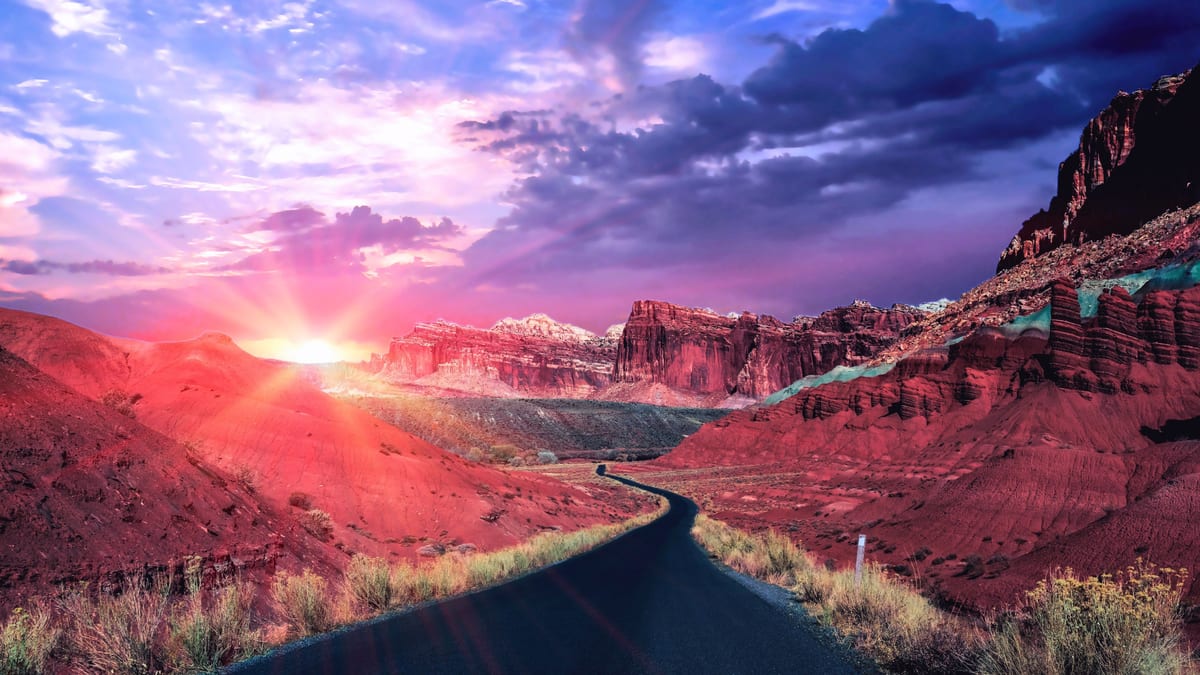
Image by TheTravel
Crowds In Springdale Push Travelers To Look Elsewhere
For more than a decade, Zion has been one of the most visited national parks in the United States, with visitation nearly doubling since 2010 and approaching five million people in 2024. Publicly available National Park Service data and recent coverage describe packed shuttle buses, standing-room-only conditions in peak season and ongoing efforts to manage the crush of visitors on iconic trails such as Angels Landing.
The town of Springdale, pressed tightly against Zion’s south entrance, has felt those effects. Reports indicate that traffic congestion, limited parking and premium prices for lodging and dining have become common features of a high-demand gateway community. Travelers researching trips increasingly encounter warnings about long waits at park entrances and crowded canyon corridors, particularly around school holidays and the core summer months.
Visitor-use planning documents show that Zion is actively exploring new strategies, including permit systems and broader visitor management plans, to respond to the pressure. While these steps are designed to protect the canyon’s fragile environment and improve safety, they also underscore how heavily used the area has become and why some travelers now seek out less-saturated alternatives elsewhere in Utah.
As word spreads about crowded trailheads and busy shuttles in Zion Canyon, itinerary planners and family travelers are widening their search. Many are landing on Capitol Reef National Park and the nearby town of Torrey, a combination that offers dramatic red-rock scenery with a fraction of the foot traffic.
Torrey: Small-Town Base For Big Landscapes
Set along Utah Highway 24 at the edge of the Aquarius Plateau, Torrey has a year-round population counted in the hundreds rather than thousands. Town planning documents and state tourism profiles describe it as a former farming settlement that gradually evolved into a gateway hub after Capitol Reef was designated a national monument in 1937 and later a national park in 1971.
Today Torrey’s compact main drag offers a mix of locally run motels, cabins, campgrounds and a growing roster of cafes and restaurants. According to recent travel features from the state’s tourism office, the community has become known for its dark skies, with minimal light pollution making it a draw for astrophotographers and stargazers. At the same time, its scale and setting preserve a quieter, rural character that contrasts sharply with the commercial bustle of Springdale on a busy weekend.
Publicly available information from the town notes that Torrey experiences a seasonal uptick in traffic, particularly in summer and during peak foliage in nearby high-country forests, but visitor numbers remain modest compared with Utah’s marquee park gateways. Travelers can typically move around without relying on shuttles, and it is still common to find stretches of road and trail where only a few other people are in sight.
For visitors who value being able to step out of a motel room and see open pasture, sandstone cliffs and a sky full of stars instead of a line of tour buses, Torrey’s appeal is straightforward. It offers the conveniences needed for a national park base without losing the feel of a remote desert town.
Capitol Reef’s Quiet Trails And Historic Orchards
Capitol Reef itself has slowly gained recognition as one of the National Park System’s underrated gems. Located roughly 11 miles east of Torrey along Highway 24, the park protects a long fold in the earth’s crust known as the Waterpocket Fold, flanked by cliffs, domes and canyons that many observers compare to a less crowded version of Zion and other red-rock parks.
Travel guides highlight hiking routes such as the Cassidy Arch Trail, which climbs above the park’s scenic drive to a dramatic natural arch, and the narrows of Grand Wash and Cohab Canyon, where visitors can walk between towering canyon walls without the dense crowds often seen in Zion’s Narrows. Slot-like canyons such as Sulphur Creek offer accessible introductions to canyoneering in a setting that typically remains far less busy than Utah’s better-known technical routes.
The park’s Fruita district, a rural historic area within the canyon floor, adds a different dimension. Information from the National Park Service and historical registries notes that Fruita’s remaining orchards, schoolhouse and farm structures are preserved as a cultural landscape, giving visitors a sense of the small agricultural community that once thrived there before the land was incorporated into the park.
Because Capitol Reef sees fewer visitors overall than Zion, many of its viewpoints and trailheads remain relatively calm even in high season. Travelers who time their outings for early morning or late afternoon report having popular overlooks nearly to themselves, something that has become increasingly rare in the country’s most heavily visited parks.
A Different Pace And Price Point For Visitors
Torrey’s emerging role as a base for Capitol Reef has brought new lodging options and guiding services, but the town still operates on a different scale from Springdale. State tourism listings describe a range of accommodations, from small inns and retro-style motels to cabins, vacation rentals and nearby campgrounds nestled among pinyon and juniper.
Publicly available economic reports suggest that prices for lodging and meals in the Torrey and Capitol Reef area remain generally lower than in Utah’s busiest gateways, particularly during shoulder seasons in spring and fall. While demand has increased in recent years, the absence of large resort-style developments and the town’s distance from major interstates help keep it from feeling overbuilt.
The dining scene reflects the same balance. Visitors can find contemporary cafes, classic roadside grills and seasonal food trucks, but reservations and long waits are less of a fixture than in more saturated destinations. For road-trippers moving between the state’s five national parks, Torrey often becomes a welcome pause point to reset after busier stops.
Local planning documents also emphasize the community’s focus on preserving its rural identity while supporting tourism. That approach is evident in modest building heights, open views of surrounding cliffs and a general absence of large commercial signage along the main approach roads.
Planning A Trip That Swaps Springdale For Torrey
Travel advisers who track crowd patterns across the Southwest increasingly suggest building itineraries that pair Zion with quieter parks, or in some cases, substituting Capitol Reef entirely for travelers seeking a slower pace. Recent visitor profile reports from Utah’s tourism office note that while marquee destinations have seen record visitation in the past decade, interest in lesser-known parks and towns such as Torrey is rising.
For those who choose to skip Springdale on a given trip, Torrey works well as a base for several days of exploration. Highway 24 allows easy access to Capitol Reef’s central district and scenic drive, while Utah Highway 12, designated as a scenic byway, connects Torrey to high plateaus, forests and other public lands in the wider region.
Travel planners recommend paying attention to seasonal conditions. Spring and fall typically bring mild daytime temperatures and cooler nights at Torrey’s roughly 6,800 feet of elevation, making them prime times for hiking and auto touring. Summer brings hotter afternoons but generally fewer crowds than Utah’s more famous park gateways, and winter can offer stark, snow-dusted views for those prepared for occasionally icy roads.
As travelers weigh whether to endure the lines and shuttle queues around Zion during peak periods, the combination of Torrey’s calm streets and Capitol Reef’s wide-open landscapes is gaining visibility. For visitors who prioritize space, scenery and a slower rhythm, skipping Springdale in favor of this small central-Utah town may increasingly feel less like a consolation prize and more like the point of the trip.