

For many destinations, a single visit feels sufficient. Hawaii is different. Travelers leave already planning their return, drawn back by a powerful mix of natural beauty, living culture, and an ease of being that is hard to find elsewhere. The result is a place where first-timers often become lifelong regulars, visiting again and again across the decades and through different seasons of life.
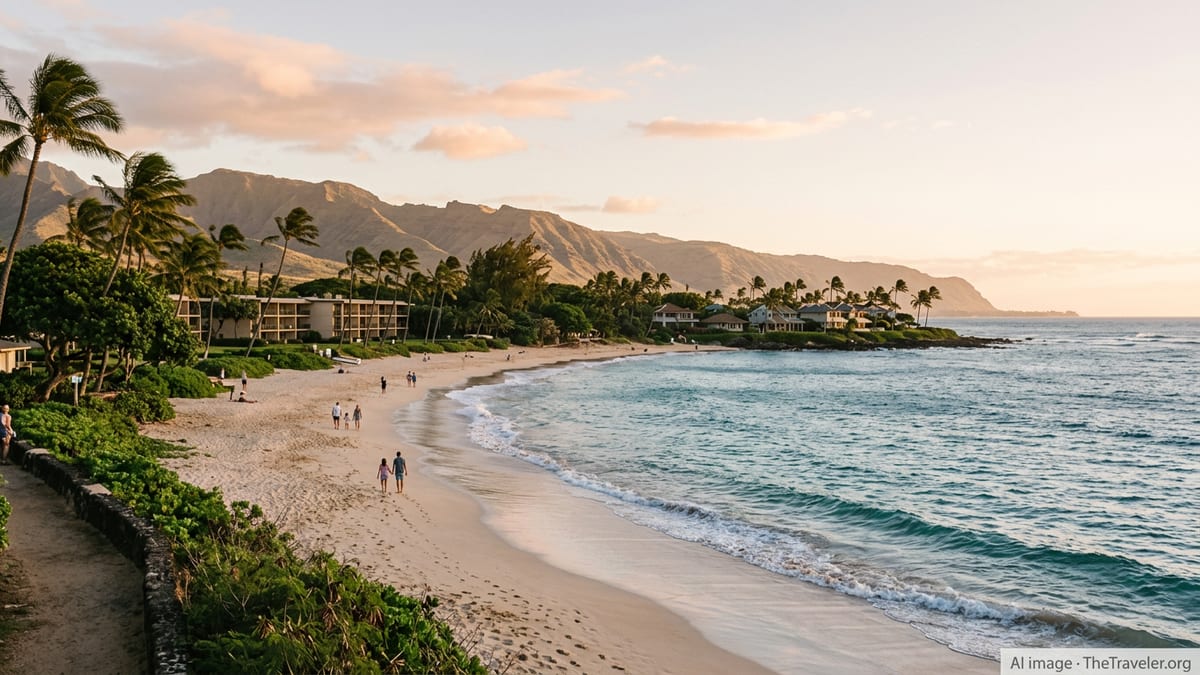
The Pull of a Place That Feels Instantly Familiar
Ask repeat visitors why they keep coming back to Hawaii, and many struggle to explain it in purely practical terms. They talk about how quickly they relax after landing, how the air feels soft, how the trade winds and the scent of plumeria signal that life can be lived at a different speed. Hawaii has all the hallmarks of a dream vacation, from warm seas to dramatic volcanic landscapes, yet what lingers is not just the scenery but the sense of emotional comfort. Visitors often describe a feeling of familiarity that arrives long before they have truly learned their way around.
Part of that pull comes from the consistency of experience. The sun will rise over Haleakala or Mauna Kea tomorrow much as it did yesterday. Waves will break along Waikiki, Poipu, and the North Shore in their season. Even as restaurants change and resorts renovate, the islands themselves offer a stable backdrop. This reliability matters in an era when travel can feel unpredictable. People know that returning to Hawaii means rediscovering a place that evolves thoughtfully, not frantically.
At the same time, Hawaii rarely feels repetitive in a dull way. Return travelers might stay in the same beachfront hotel or rental, but their days unfold differently each trip. One year is about early-morning surf lessons and long afternoons on the sand. Another revolves around hiking inland valleys, tasting regional farm produce, or attending a cultural festival. The familiarity of base and rhythm becomes a secure foundation for trying new experiences on every visit.
The Aloha Spirit and the Power of Human Connection
Much of Hawaii’s repeat visitation is rooted not in scenery but in relationships. The notion of the aloha spirit is widely referenced, yet for returning travelers it tends to be highly specific rather than abstract. They remember the server who remembered their children’s names, the uncle who led a beachside canoe experience, the auntie at a corner bakery who set aside a favorite pastry. Over time, the islands can begin to feel less like a resort backdrop and more like a network of real people they look forward to seeing again.
The concept of aloha, understood locally as a deep ethic of mutual respect, care, and welcome, goes beyond polite hospitality. Visitors encounter it in simple interactions at food trucks, shave ice stands, neighborhood markets, and small family-run inns. These brief moments of kindness often stand out more vividly than sightseeing milestones. For many repeat travelers, returning to Hawaii means checking in on these connections, asking after families, and being recognized as more than a passing stranger.
This emphasis on relationship rather than transaction changes how people travel. Regular visitors learn where their spending has the greatest positive impact, choosing locally owned accommodations, tour operators, and shops. They time their trips to support small events, from school fundraisers to community festivals, and they are more receptive to guidelines about respectful behavior at beaches, sacred sites, and on hiking trails. That sense of mutual care encourages them to visit again, confident that they are not only welcome but also useful guests.
Island Diversity: A Lifetime of New Itineraries
One of the strongest reasons travelers return to Hawaii is that it is not a single experience but a collection of very different islands. A first trip might focus entirely on Oahu or Maui, with a mix of famous beaches, well-known lookouts, and a day trip or two. Subsequent visits naturally branch outward. Some travelers fall in love with Kauai’s rugged cliffs and deep valleys, others with Hawaii Island’s stark lava fields and high-altitude observatories, and still others with the quiet rhythms of Molokai and Lanai. Each island has its own pace, landscape, and sense of place.
This diversity allows travelers to shape visits to different chapters of their lives. Couples might associate Maui or Lanai with honeymoons and anniversaries, then return years later with children in tow for family-focused stays on Oahu or Hawaii Island, where kid-friendly beaches and interactive cultural centers abound. As they gain confidence and local knowledge, visitors branch out to lesser-known beaches, small towns, and inland trails, finding new corners of the state even after multiple trips.
Repeat travelers also rediscover familiar islands in new ways. Returning to Oahu, for example, might mean trading a base in Waikiki for a stay on the Windward Coast or the North Shore, exploring farmers markets, small surf towns, and local favorite eateries away from main resort zones. A second or third trip to Kauai can shift focus from driving viewpoints to longer inland hikes, guided cultural tours, or time spent in restored taro fields and fishponds. Each visit feels different because the islands reveal new layers to those willing to look beyond the postcard view.
Nature, Seasons, and the Joy of Subtle Change
Hawaii’s climate is famously mild, yet the islands do have seasons, and repeat visitors often time their trips to experience them. Winter brings larger surf to the north and west shores, drawing surf enthusiasts and spectators to iconic breaks. Summer tends to be calmer and drier on many coasts, ideal for snorkeling, stand-up paddling, and family beach days. The wet and dry cycles of the year transform landscapes: waterfalls surge or thin, valleys shift in color and texture, and certain plants and trees bloom or fruit at different times.
Returning travelers begin to notice and appreciate these subtleties. They may choose to come back specifically for humpback whale season, which transforms certain coastal stretches into natural amphitheaters for breaching whales and tail slaps. Birdwatchers, divers, and hikers also plan repeat trips around particular natural events or conditions, such as visibility on specific reefs or the flowering season of native plants in higher elevations. The more often they visit, the more they perceive Hawaii not as a static paradise but as a living, changing ecosystem.
Changes in access and management also refresh the visitor experience. Some marine reserves now limit daily visitor numbers, and certain state parks require reservations. Far from being a deterrent to dedicated travelers, these systems often enhance the appeal of returning. Those who plan ahead find quieter trails, less crowded bays, and guides who have more time to interpret cultural and environmental stories. Coming back becomes a way to enjoy the improvements that thoughtful stewardship brings.
Culture in Motion: Festivals, Food, and Stories That Evolve
Culture is another powerful reason many travelers feel they have barely scratched the surface after several trips to Hawaii. Hawaiian language revitalization, traditional navigation, hula, and music are not museum pieces but living practices. Festivals highlight this vitality, offering a different experience with each visit. A traveler who once watched an introductory hula show at a resort might return years later specifically to attend a prestigious hula festival, a slack-key guitar concert, or a community-based cultural gathering.
Food culture in Hawaii also rewards repeat visits. Once defined in many travelers’ minds by plate lunches and resort buffets, it has become increasingly nuanced and locally grounded. Visitors now seek out neighborhood izakaya, farm-to-table cafes, craft breweries, and bakeries that reinterpret classics with local produce. They follow pop-up chefs and small food trucks on social media before arrival, turning each trip into a culinary exploration. As new generations of chefs and farmers emerge, menus constantly shift, giving returning guests something new to taste every time.
Equally important is the deepening understanding of Hawaii’s history and contemporary issues. On early visits, many travelers focus on the broad strokes of Polynesian voyaging, plantation-era immigration, and the attack on Pearl Harbor. With time and curiosity, they explore more complex narratives: the overthrow of the Hawaiian Kingdom, land and water rights, the protection of sacred sites, and the balancing act between tourism and local life. Guided cultural experiences, small museums, walking tours, and conversations with residents all add nuance. For those who return regularly, each trip becomes a step toward a more informed and respectful relationship with the islands.
Comfort, Accessibility, and the Ease of Returning
Practicalities also play a significant role in why travelers choose Hawaii again and again, especially those from North America and Asia. For many, Hawaii offers a tropical escape without the added layer of international border controls, differing currencies, or major time zone shocks. Direct flights connect the islands to major mainland hubs and key cities in Japan and beyond, and frequent service encourages repeat travel. The combination of exotic-feeling scenery and familiar infrastructure makes Hawaii especially attractive for travelers who like adventure but also value predictability.
Repeat visitors become adept at navigating the small logistics of island life. They learn which routes to drive at which times of day to avoid traffic, how early to arrive for popular sunrise spots, which beaches suit their swimming comfort level, and how to handle inter-island flights. These skills reduce the friction of travel, making even short trips feel worthwhile. As a result, Hawaii is as likely to host return guests on week-long getaways as on once-in-a-lifetime extended stays.
The industry itself has adapted to serve this loyal audience. Long-stay discounts, return-guest perks, and flexible cancellation policies continue to attract repeat travelers, especially in an era of economic uncertainty. At the same time, many accommodations and activity providers encourage deeper engagement with local culture and environment, adding substance to the convenience. Visitors who know what to expect in terms of costs, climate, and customs are more likely to book again, confident that their investment of time and money will be rewarded.
Returning With Greater Responsibility
Hawaii’s popularity has brought clear challenges, among them crowding, pressure on natural resources, and rising housing costs. Many travelers who return to the islands are acutely aware of this tension and increasingly see their repeat visits as a responsibility rather than an entitlement. They pay closer attention to local discussions about tourism’s footprint, support policies that protect reefs and forests, and adjust their own behavior in response to community requests, such as avoiding certain backroads or giving sensitive shorelines time to recover.
Recent policy changes reflect this shift in emphasis from quantity to quality of visitation. Modest increases in lodging taxes and the development of fees linked to environmental protection signal that visitors are being asked to help fund the care of the places they enjoy. Many returning travelers accept, and even welcome, these measures when they see how the funds support beach restoration, wildfire prevention, trail maintenance, and cultural programming. Knowing that a portion of what they spend directly contributes to safeguarding the islands often strengthens their emotional commitment to coming back.
Individual actions also matter. Repeat visitors are more likely to bring reef-safe sunscreen, stay on marked trails, participate in beach cleanups, or choose tours that prioritize education and conservation. They tend to understand which sites are sacred and require careful behavior, and they are better positioned to model respect for first-time visitors. In this way, those who return frequently can become informal ambassadors for more thoughtful tourism, helping Hawaii remain welcoming while protecting the very qualities that draw them back.
The Takeaway
Travelers do not return to Hawaii again and again simply because it is beautiful, though the islands are undeniably striking. They come back because Hawaii offers a rare blend of constancy and evolution: familiar beaches and mountain ridges alongside new restaurants, restored cultural sites, and fresh community initiatives. Each visit feels anchored by the same warm air and broad horizons, yet each unfolds differently as travelers venture to new islands, engage more deeply with local culture, and adjust to the rhythms of changing seasons.
In an era when many destinations compete for attention with ever-more spectacular promises, Hawaii’s enduring appeal lies in something quieter but more powerful. It is a place where relationships matter, where visitors are invited to slow down and look closer, and where returning is not a sign of lacking imagination but of having found somewhere worth knowing well. For those who answer its call year after year, Hawaii becomes less a box to tick on a travel list and more a companion through life: a place to celebrate milestones, recalibrate priorities, and reconnect with both nature and a sense of shared humanity.
FAQ
Q1: Is Hawaii still worth visiting if I have already been once?
Yes. Each island offers distinct landscapes and culture, and repeat trips let you explore new areas, seasons, and activities beyond the classic first-time highlights.
Q2: Which Hawaiian island is best for a second or third visit?
It depends on your interests. Kauai and Hawaii Island often appeal to hikers and nature lovers, while Lanai and Molokai suit travelers seeking quieter, less developed experiences.
Q3: How can I make my return trip to Hawaii feel different from my first?
Stay in a new area, choose smaller locally owned accommodations, seek out community events or cultural workshops, and focus on one or two deeper experiences instead of many quick stops.
Q4: Is it possible to visit Hawaii responsibly as a repeat traveler?
Yes. Support local businesses, follow guidance at beaches and trails, use reef-safe sunscreen, respect sacred sites, and be open to learning about current community priorities.
Q5: Are there specific times of year that are better for repeat visitors?
Many returning travelers choose shoulder seasons, when crowds are smaller and prices can be more moderate, or time visits around events, whale season, or particular surf conditions.
Q6: Do I need to rent a car every time I visit Hawaii?
Not always. On some trips you can rely on walking, public transit, shuttles, and rideshares, especially in urban areas, but a car offers more flexibility on islands with limited transit.
Q7: How far in advance should I plan a repeat trip to Hawaii?
Booking flights and accommodations several months ahead is wise, particularly for peak periods or popular areas, and some parks and attractions now require advance reservations.
Q8: Are rising hotel taxes and fees making repeat trips to Hawaii less attractive?
Costs have increased, but many travelers still return, adjusting trip length, accommodation style, or travel season to balance their budget with the desire to revisit.
Q9: What can I do differently on a return visit with children or older family members?
Plan slower days, choose calmer beaches, look for accessible trails and cultural centers, and book activities that accommodate varying mobility and energy levels.
Q10: How many times do people typically visit Hawaii?
There is no standard number, but surveys show many visitors return multiple times over their lives, with some families building traditions around regular island trips.