

More news on this day
As global competitors modernize their tourism lobbying and policy machinery, the United States travel industry is confronting an uncomfortable reality: its advocacy infrastructure was built for a different era and is struggling to keep pace with today’s policy shocks, security rules and geopolitical headwinds.
Get the latest news straight to your inbox!
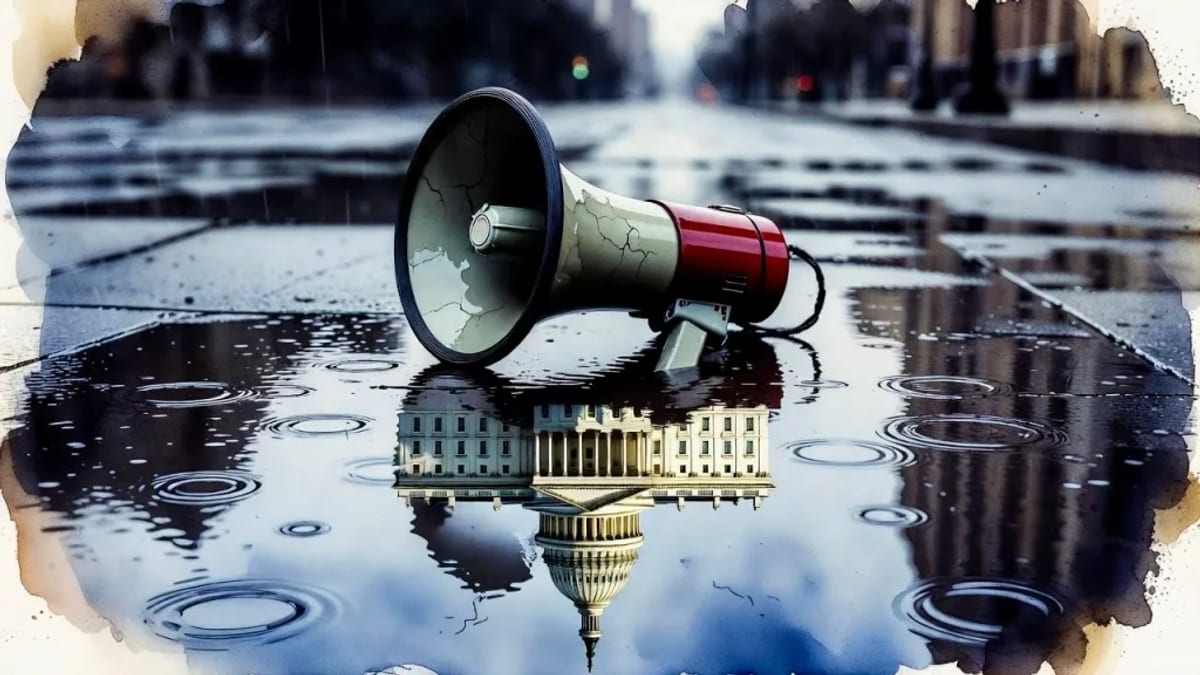
Image by Skift
A 21st-Century Travel Market, 20th-Century Advocacy
Travel and tourism support millions of American jobs and a significant share of export earnings, yet the industry’s policy representation in Washington and across state capitals remains highly fragmented. Trade groups, destination marketing organizations, airlines, airports, hotel chains, attractions and small businesses often pursue parallel agendas, diluting their influence on critical federal decisions.
Publicly available information from major industry associations shows that their policy platforms still lean heavily on long campaign cycles and traditional lobbying, even as policy affecting travel now shifts in months or weeks. Visa rules, border screening, aviation consumer protections and digital security requirements can all change quickly, but the infrastructure charged with responding is structured around annual conferences, slow consensus-building and reactive statements.
This gap is becoming more consequential as the United States loses ground in the competition for international visitors. Research cited in recent coverage by business and travel outlets indicates that the country is the only major market forecast to see a decline in international visitor spending in 2025, even as other destinations rebound. Industry economists point to policy uncertainty and frictions in the entry process as key factors, underscoring how sluggish advocacy can translate directly into lost revenue.
Travel leaders are not ignoring the problem. The U.S. Travel Association’s latest strategic priorities emphasize building a “future-ready” association, modernizing security screening and targeting investment toward nationally significant mobility projects. Yet that same blueprint highlights how much work remains to align advocacy tools with a rapidly evolving operating environment.
Policy Whiplash on Visas and Border Controls
Few areas expose the limits of current advocacy structures more clearly than visa policy. During and after the pandemic, waivers and temporary interview flexibilities helped keep consular systems moving. As those flexibilities roll back and new rules are introduced, reports from travel industry analysts warn of re-emerging visa backlogs, longer wait times and rising application costs that erode the country’s competitiveness.
Recent coverage in national business media has detailed how new interview requirements and changes to non-immigrant visa processing could lengthen queues for tourists, students and business travelers. At the same time, the fee to use the Electronic System for Travel Authorization under the Visa Waiver Program is set to nearly double, with a portion of new revenue directed toward federal tourism promotion and other priorities. Analysts note that these changes, layered on top of existing frictions, risk depressing demand from some of the country’s most valuable source markets.
Advocacy responses often lag behind such developments. Trade groups typically organize detailed position papers and Capitol Hill campaigns, but these efforts can take months to coalesce and may focus on individual rules in isolation. Meanwhile, global rivals move quickly to streamline entry processes and market themselves as more predictable and welcoming alternatives, capturing travelers who might otherwise have chosen the United States.
New border screening ideas are adding to the pressure. Research released by the World Travel & Tourism Council warns that proposed requirements for travelers to share social media information at the border could deter millions of visitors and threaten more than one hundred thousand U.S. jobs. Industry analysts argue that a more agile advocacy system, equipped with real-time economic modeling and rapid-response coordination, would be better positioned to shape these debates before policies harden.
Fragmented Voices in a High-Stakes Policy Arena
The complexity of the U.S. travel ecosystem has long made unified advocacy difficult. Airlines, airports, hotels, rental car companies, convention centers, national parks partners, cruise operators and online intermediaries do not always share the same priorities. Business travel groups may push for streamlined border procedures and corporate tax incentives, while consumer advocates focus on passenger rights and price transparency. These differences can blunt the industry’s overall impact.
Associations such as the Global Business Travel Association, the American Public Transportation Association and specialized coalitions around aviation and infrastructure all maintain advocacy arms with detailed federal agendas. However, their work is often siloed by mode or market segment. When cross-cutting issues arise, such as nationwide visa delays or controversial new data requirements at ports of entry, the absence of a single, coordinated front makes it easier for policymakers to move ahead without fully weighing economic or operational consequences.
Grassroots engagement also remains uneven. Some organizations have built sizable networks of constituent advocates and local events designed to showcase travel’s economic impact in congressional districts. Yet many small tourism businesses and local destinations lack the resources or expertise to connect daily operational challenges to federal decision-making. The result is an advocacy map dominated by large players, with gaps in representation for rural communities, small tour operators and emerging segments like outdoor recreation startups.
Observers note that other sectors, from technology to healthcare, have invested heavily in integrated advocacy that blends data, digital mobilization and rapid narrative shaping. In comparison, much of travel’s policy outreach still centers on fly-in lobby days, static fact sheets and one-off campaigns, tools that can struggle to influence fast-moving debates over border controls, taxation and consumer rules.
Modernization Efforts Show Promise but Face Headwinds
There are signs that the U.S. travel industry is beginning to rethink its advocacy architecture. Strategic documents from leading trade associations emphasize “future-ready” operations, improved data pipelines and efforts to elevate travel’s stature among policymakers. New research commissions focusing on seamless and secure travel aim to provide comprehensive blueprints for modern infrastructure, screening and funding models.
Some organizations are experimenting with more sophisticated political intelligence, using real-time data on traveler flows, spending and sentiment to support their case. Others are forming coalitions across traditional boundaries, bringing together airlines, airports, hotels and local tourism boards to push for specific investments in airport modernization or multimodal connections.
However, these initiatives face structural constraints. Advocacy budgets remain under pressure after years of pandemic-related revenue loss, and many associations are still rebuilding staffing and member engagement. At the same time, the policy environment has grown more polarized, complicating efforts to frame travel as a bipartisan economic priority. Without sustained investment and a willingness to reorganize entrenched structures, modernization risks becoming a series of incremental upgrades rather than the systemic overhaul many analysts argue is needed.
Analysts warn that the cost of inaction will likely rise. With forecasts pointing to softer inbound demand and mounting competition from Europe, Asia and the Middle East, countries that pair attractive destinations with agile advocacy and predictable policy environments may continue to pull visitors and events away from the United States. For an industry that depends on long-term confidence from both travelers and investors, the effectiveness of its advocacy infrastructure is no longer a procedural issue but a strategic one.