

More news on this day
A rapidly intensifying wildfire situation spanning Kentucky, Wyoming, Louisiana, Montana, Kansas and Alabama is beginning to squeeze key tourism corridors, with smoke, closures and safety restrictions raising the prospect of serious losses for an already weather-battered U.S. travel sector.
Get the latest news straight to your inbox!
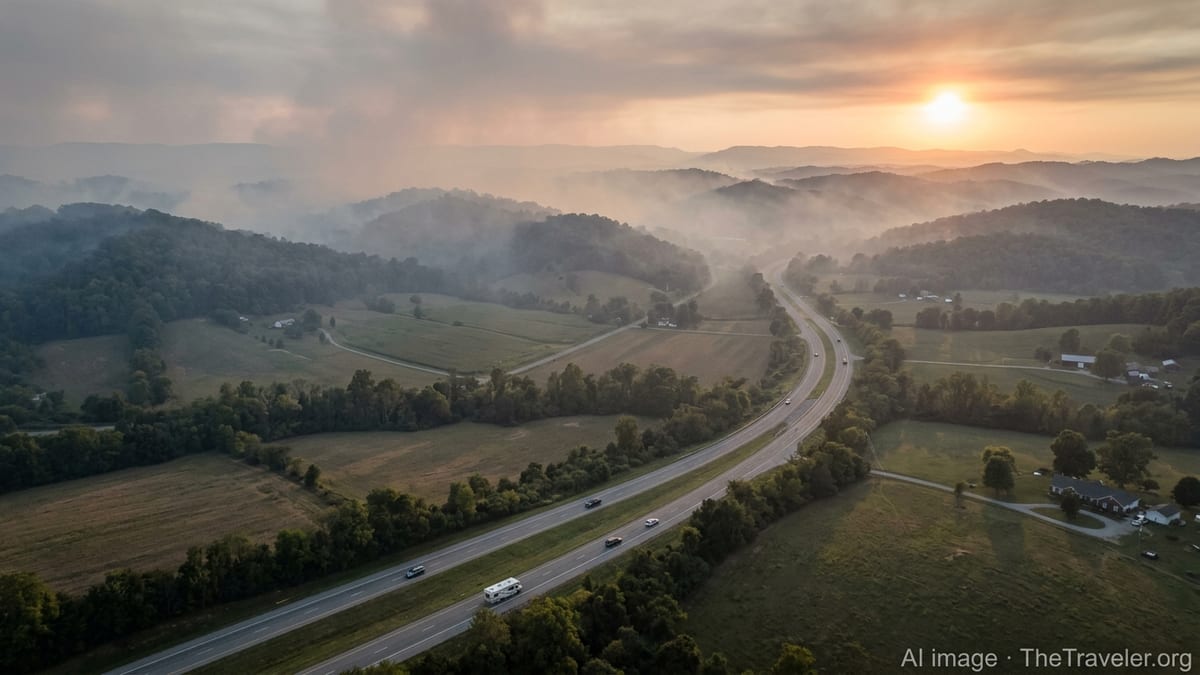
Kentucky’s Scenic Heartlands Face New Fire Threat
Recent weeks have seen Kentucky shift from an unusually warm and dry late winter into an early-season fire risk, with public advisories highlighting heightened danger in forested and rural areas. Fire weather alerts and burn restrictions are being used to limit new ignitions as officials track grass and woodland fires in parts of the state’s eastern and south-central regions, including areas not far from popular outdoor recreation zones.
Publicly available information shows that state agencies are warning residents and visitors to use extreme caution with campfires, discarded cigarettes and any activity that could generate sparks. In some counties, seasonal spring wildfire hazard periods have been announced, aiming to keep human-caused fires from spreading into farms, small towns and nearby state parks that depend heavily on weekend and holiday visitors.
Travel operators in Kentucky’s lakes, caves and horse-country belts are monitoring the situation closely, as even relatively small wildfires can trigger temporary trail closures, smoky conditions and road disruptions. Early-season fire activity also raises concerns about how a hotter, drier main summer tourism period could unfold if current patterns persist.
While most major attractions remain open, uncertainty over changing fire danger has already prompted some travelers to reconsider outdoor-heavy itineraries or to purchase more flexible bookings. The state’s tourism economy, which leans strongly on driving vacations and nature-based trips, is particularly exposed to weather swings that can shift conditions from welcoming to hazardous within days.
Western and High Plains States Battle Expanding Burn Scars
Farther west, Wyoming and Montana are again seeing wildland fire activity emerging around forests, rangelands and high plains that are central to their tourism identities. Reports indicate that unseasonably warm temperatures, gusty winds and dry vegetation have fueled early or above-normal fire conditions in some areas, intersecting with popular routes to national parks, ski towns transitioning into spring and backcountry destinations.
In Kansas, which has experienced large grassland fires in recent seasons, new blazes have swept across ranchland and prairie ecosystems. These fires have periodically led to smoke plumes over interstate highways and regional airports, introducing delays, detours and visibility issues for road-trippers and business travelers moving across the state. Local communities that rely on heritage tourism, small festivals and roadside attractions can see visitor numbers drop abruptly when air quality worsens.
Travel industry observers note that even when fires burn far from marquee attractions, the perception of a state “on fire” can be enough to push potential visitors to alternate destinations. Tour companies and lodging providers in parts of Wyoming, Montana and Kansas are adjusting marketing messages to emphasize real-time conditions, while also preparing contingency plans for rerouted tours or short-notice cancellations if smoke or fire lines move closer.
The growing overlap between peak wildfire season and key travel months in the Mountain West and High Plains is sharpening concerns that each new year of burns will chip away at the reliability of summer visitation. This is particularly challenging for small businesses with narrow operating windows that depend on a few strong months to carry them through the rest of the year.
Louisiana and Alabama Confront Fire in Traditionally Humid Landscapes
In the Deep South, Louisiana and Alabama are contending with wildfire conditions that stand out in regions more commonly associated with humidity and storms than large-scale burns. Periods of rainfall deficits and above-average temperatures have created stretches of dry brush and pine forest, especially away from coastal zones, that can ignite quickly when combined with wind.
Published coverage of recent fire incidents and red-flag warnings across the South points to growing concern about burns encroaching on wildlife refuges, hunting lands and inland lakes that draw anglers, birdwatchers and weekend campers. Some state forests and wildlife management areas have introduced temporary burn bans, and outdoor event planners are reviewing contingency options should fires flare up near campgrounds or rural venues.
Even when flames remain distant from major Gulf Coast beach destinations, smoke can drift across highways that funnel tourists toward resort areas. Visibility issues and air-quality advisories can, in turn, influence driving conditions and traveler comfort, particularly for families and older visitors. Seasonal rentals and tour boats may operate normally, yet still field questions from prospective guests about regional fire maps and wind direction.
For both Louisiana and Alabama, the emerging wildfire pattern adds another layer of uncertainty to tourism markets already navigating storm seasons and flood risks. The need to message clearly about where fires are located, what is open and how travelers can stay informed is becoming a more routine feature of destination management.
Strain on Parks, Trails and Outdoor Infrastructure
Across these affected states, public lands and protected areas are shouldering much of the immediate impact. National forests, state parks and regional trail networks in Kentucky, Wyoming, Montana, Kansas, Louisiana and Alabama have all reported some combination of temporary closures, burn restrictions or access limitations as fire risk climbs.
Trailheads and scenic overlooks that typically offer unobstructed views are, at times, obscured by haze, diminishing the visitor experience and complicating photography-driven tourism. Campgrounds may cap capacity, restrict open flames or close entirely for brief periods when local fire danger hits critical thresholds. River outfitters, fishing guides and adventure tour providers can find themselves rescheduling excursions around smoke forecasts and wind shifts.
In addition to direct fire damage, repeated exposure to intense heat can weaken wooden bridges, signage and boardwalks, while increased runoff after burns accelerates erosion along popular hiking routes. These effects can linger long after news of a particular fire fades, forcing parks agencies to redirect maintenance budgets and potentially postpone new visitor amenities.
Travel planners emphasize that many destinations remain accessible, but they also highlight the importance of travelers checking the latest park advisories and air-quality information before committing to long drives or backcountry trips. Flexibility in itineraries, particularly during shoulder seasons, is becoming a key recommendation for visitors heading into fire-prone landscapes.
Tourism Industry Adapts to a More Volatile Fire Future
The convergence of wildfire activity across Kentucky, Wyoming, Louisiana, Montana, Kansas and Alabama is reinforcing a broader shift in how U.S. tourism businesses operate under climate stress. Hotel groups, small inns and destination marketing organizations are weaving wildfire contingencies into crisis plans once dominated by hurricanes, snowstorms or tornado outbreaks.
Travel insurers are updating products to reflect higher cancellation and interruption risks linked to smoke and fire, which can close airports, disrupt national park access or render outdoor attractions temporarily unusable. At the same time, travel search platforms and booking sites are surfacing air-quality indicators and regional hazard information more prominently, shaping how potential visitors compare destinations.
For local economies that lean heavily on outdoor recreation, scenic drives and nature-based tourism, the current fire wave serves as a test of resilience. Communities are exploring investments in shaded rest areas clear of dense vegetation, expanded off-season activities that are less vulnerable to fire and diversified promotional efforts that highlight cultural and culinary experiences when outdoor conditions deteriorate.
As this latest round of wildfires continues to evolve, tourism stakeholders across the affected states are balancing the need to protect visitors with the imperative to keep doors open where it is safe to do so. The experience of this season is likely to influence how destinations plan for, communicate about and ultimately coexist with more frequent and geographically widespread fire seasons in the years ahead.