

More news on this day
Winter Storm Hernando brought air travel along the United States East Coast to a near standstill on Sunday, as blizzard conditions, fierce winds and heavy snow forced airlines to cancel thousands of flights from Washington to Boston and left stranded passengers scrambling for scarce rebooking options.
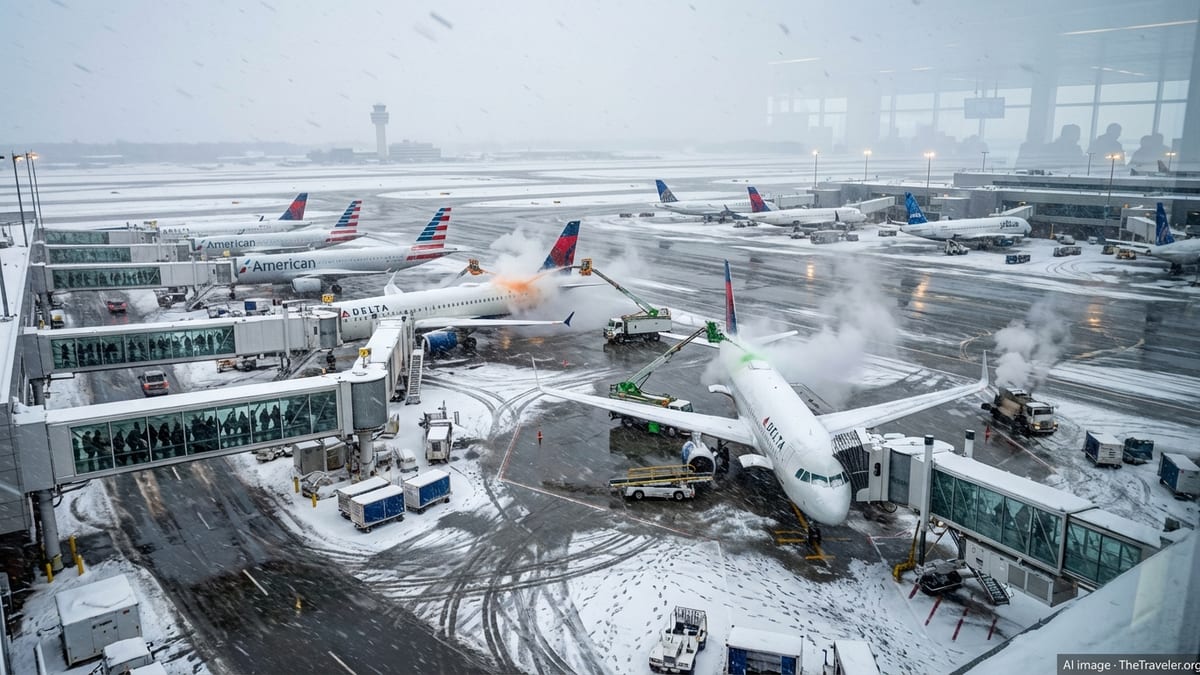
Airports From D.C. to Boston Buckle Under Mass Cancellations
Major airports across the Northeast and Mid Atlantic reported cascading disruptions on February 22, as the fast‑deepening coastal storm intensified into a full‑fledged nor’easter. New York’s three primary airports, John F. Kennedy International, LaGuardia and Newark Liberty, saw the largest share of cancellations, with New York media and airport officials estimating more than 3,000 flights scrubbed over the course of Sunday and Monday. Regional hubs in Boston, Philadelphia, Baltimore and Washington also reported sweeping schedule cuts as the storm’s snow bands and wind field expanded along the corridor.
Blizzard warnings in New York City, New Jersey and southeastern New England, the first for New York City since 2017, pushed airlines and airport operators to aggressively thin their schedules to avoid aircraft and crews becoming trapped overnight. By midday Sunday, airlines had preemptively canceled large portions of their operations, effectively turning some terminals into holding areas for displaced passengers rather than flowing transit hubs. Many airports warned that operations could remain severely constrained into Tuesday as they worked to clear runways, taxiways and aircraft of heavy, wind‑blown snow.
At the Portland International Jetport in Maine, officials issued a travel advisory through February 24, warning that delays and cancellations were likely across all carriers serving the small but strategically important gateway. Similar notices went out from airport authorities up and down the seaboard, urging passengers to check their flight status frequently, allow extra time to reach the airport in hazardous conditions or, where possible, postpone nonessential trips until after the storm.
Historic Blizzard Conditions Complicate Recovery Efforts
The National Weather Service described Hernando as a rapidly intensifying coastal storm capable of delivering historic impacts in some locations. Forecasts called for 18 to 24 inches of snow in parts of the New York metropolitan region, with localized totals above two feet in bands where snowfall rates might reach three inches per hour. Combined with wind gusts expected to exceed 60 miles per hour along exposed coastal areas, those conditions met classic blizzard criteria and created near‑zero visibility at times.
Meteorologists warned that even sophisticated snow removal operations at major hubs would struggle to keep pace at the height of the storm. Ground crews tasked with plowing runways and de‑icing aircraft faced blowing and drifting snow that quickly refilled cleared surfaces, while strong crosswinds and whiteout conditions forced air traffic controllers to suspend arrivals and departures entirely for stretches of the day. Airport officials emphasized that even once the heaviest snow tapered off, strong winds and drifting could continue to limit flight operations into Monday.
The severe weather came on the heels of an already active winter across the eastern United States, including a powerful bomb cyclone earlier in the month that had strained airline networks and ground infrastructure. With Hernando arriving just weeks later, some carriers entered this storm with crews and aircraft already out of their normal rotations, heightening the risk of lingering disruptions. For travelers, that translated into a greater likelihood that canceled flights would not be easily replaced, particularly on heavily booked routes between major East Coast cities.
Airlines Slash Schedules and Activate Weather Waivers
Airlines responded to Hernando with a mix of preemptive cancellations and customer‑friendly waivers designed to encourage travelers to shift their plans out of the storm’s impact window. Delta Air Lines said on Saturday that it had begun scrubbing flights at its key East Coast hubs in Boston, New York’s JFK and LaGuardia in anticipation of hazardous conditions, after earlier logging dozens of cancellations and hundreds of delays as the weather system approached. The carrier urged customers to use its app and website to rebook, stressing that digital channels provided the same options available to reservations agents.
Other major U.S. airlines, including American, United and JetBlue, also sharply reduced their Sunday and Monday schedules in the Northeast. JetBlue, with a substantial presence at Boston and New York airports, cut a large portion of its operations across the two days as forecast snow totals and wind speeds climbed. American Airlines signaled that service at New York and Philadelphia could be largely suspended for extended periods while blizzard conditions persisted, with a gradual restart expected only after airfield inspections and snow removal crews cleared accumulated drifts.
International carriers adjusted in parallel. Air India, citing forecasts of severe winter weather, canceled its flights into New York and Newark for February 23 and issued helpline numbers for affected passengers. Transatlantic and transpacific services into East Coast gateways faced knock‑on effects, with some long‑haul flights diverted, delayed or retimed to avoid the most dangerous periods of wind and low visibility. Across the board, airlines expanded flexible rebooking policies, allowing customers to change travel dates without incurring standard change fees, although fare differences still applied in many cases once the most disrupted dates were avoided.
Stranded Passengers Navigate Crowded Terminals and Limited Options
For travelers already en route when Hernando’s impacts intensified, the storm translated into long hours in crowded terminals and, in some cases, unexpected overnight stays. Lines at customer service desks and gate podiums snaked through concourses at major hubs, with many passengers reporting hold times of an hour or more to reach airline call centers. Airport public address systems repeatedly urged travelers to use mobile apps and websites for rebooking, but high traffic volumes occasionally slowed those digital tools as well.
Families returning from school vacations, international visitors with fixed itineraries and business travelers alike found themselves competing for a shrinking pool of available seats in the days ahead. With airlines canceling flights in large blocks, particularly in the densest travel corridor between Washington, New York and Boston, some passengers were told that the next confirmed seat could be several days away. Others opted to accept rebookings through alternative hubs in the Midwest or South, adding hours and additional connections to their original routes just to keep moving.
Local hotels around major airports quickly began to fill, and room rates climbed in some markets as stranded travelers sought last‑minute accommodation. While some airlines issued hotel and meal vouchers in cases where disruptions were directly linked to their own operations, they were not required to do so for weather‑related cancellations, leaving many passengers to shoulder unexpected expenses. Social media channels became an outlet for real‑time updates and frustrations, with travelers sharing photos of packed gate areas, long de‑icing queues and snow‑shrouded aircraft stuck at remote stands.
Ground and Rail Travel Also Hit by Dangerous Conditions
The impact of Winter Storm Hernando extended far beyond the airfield perimeter. State transportation departments across the Mid Atlantic and New England deployed plows and salt trucks in force, but advised motorists to stay off the roads during the worst of the storm. In New York, New Jersey and parts of New England, officials warned of treacherous conditions on major interstates, with heavy, wet snow and strong winds producing rapid accumulations and the potential for downed trees and power lines.
Passenger rail services on the busy Northeast Corridor were also affected. While some trains continued to operate at reduced speeds, schedules were trimmed and selected departures canceled outright as snow piled up along tracks and rail operators worked to prevent ice from interfering with overhead lines and signaling. Intercity bus networks reported similar disruptions, with several operators suspending routes into New York, Boston and smaller regional cities at the peak of the storm.
For travelers considering a pivot from air to ground transportation, authorities emphasized that the alternative was not necessarily safer during the height of Hernando’s impacts. Emergency management agencies reminded residents and visitors that whiteout conditions could develop suddenly, leaving even experienced drivers disoriented. With coastal flooding also a concern in low‑lying communities, particularly in New Jersey and southeastern New England, detours and road closures added further uncertainty to overland routes.
Travel Advisories Urge Flexibility and Preparedness
As Hernando’s footprint expanded along the coast, travel and tourism agencies urged would‑be visitors to adopt a flexible mindset. State tourism boards and city visitor bureaus took to local media and social platforms to advise travelers to contact airlines, hotels and tour providers before setting out, and to build extra time into any trip that could not be postponed. Some popular winter destinations in New England and upstate New York reported a wave of cancellations from leisure travelers, but also stressed that they expected a rebound once roads were cleared and flight schedules normalized.
Industry analysts noted that lessons from recent winter storms were evident in the preemptive responses from airlines and airports this time. By canceling early and offering wide‑ranging waivers, carriers aimed to avoid the kind of chaotic, rolling disruptions that can ripple through the national network for days. However, that strategy also meant a larger number of passengers were grounded in advance, even in areas where snowfall ultimately fell toward the lower end of the forecast range.
Travel insurers reported an uptick in inquiries from customers uncertain about how coverage applied to weather‑related disruptions. Policies vary widely, but many standard plans treat severe winter storms as covered events if they meet certain criteria, such as airport closures or extended delays. Experts advised travelers to keep documentation of cancellations, delays and additional expenses, and to be proactive in seeking clarification from insurers about eligible claims once the storm passes.
What Travelers Can Expect in the Coming Days
With Hernando expected to continue affecting the Northeast into Monday and lingering impacts likely through Tuesday, aviation experts predicted a slow, uneven recovery. Airlines typically restart service on a limited basis once runways and taxiways are deemed safe, gradually reintroducing flights as crews and aircraft rotate back into position. That process can be complicated when a storm affects multiple major hubs simultaneously, as is the case with Hernando’s broad swath from the Mid Atlantic through New England.
Travelers holding tickets into the region over the next several days were advised to monitor flight status notifications closely and consider voluntary date changes even if their flights remained technically scheduled. For those whose trips are time‑sensitive, such as cruises departing from East Coast ports or international connections through New York or Boston, building in additional buffer days could help guard against missed departures. Some airlines signaled that they may extend travel waivers if operational challenges persist or if secondary systems, such as crew scheduling, remain under strain.
Beyond the immediate disruption, Hernando served as another reminder of the vulnerability of tightly packed air travel schedules to extreme weather along one of the world’s busiest corridors. As climate variability continues to influence storm patterns and intensity, aviation and tourism stakeholders across the East Coast are likely to face renewed pressure to invest in more resilient infrastructure and contingency plans. For now, though, the primary focus for both airlines and their passengers is simply getting through this week’s storm, one flight and one cleared runway at a time.