

More news on this day
A fast‑intensifying winter storm sweeping across Minnesota on March 15 has severely disrupted operations at Minneapolis–St. Paul International Airport, with reports indicating that more than 700 flights into and out of the hub have been canceled or significantly delayed as heavy snow, strong winds, and low visibility strain air traffic and ground operations.
Get the latest news straight to your inbox!
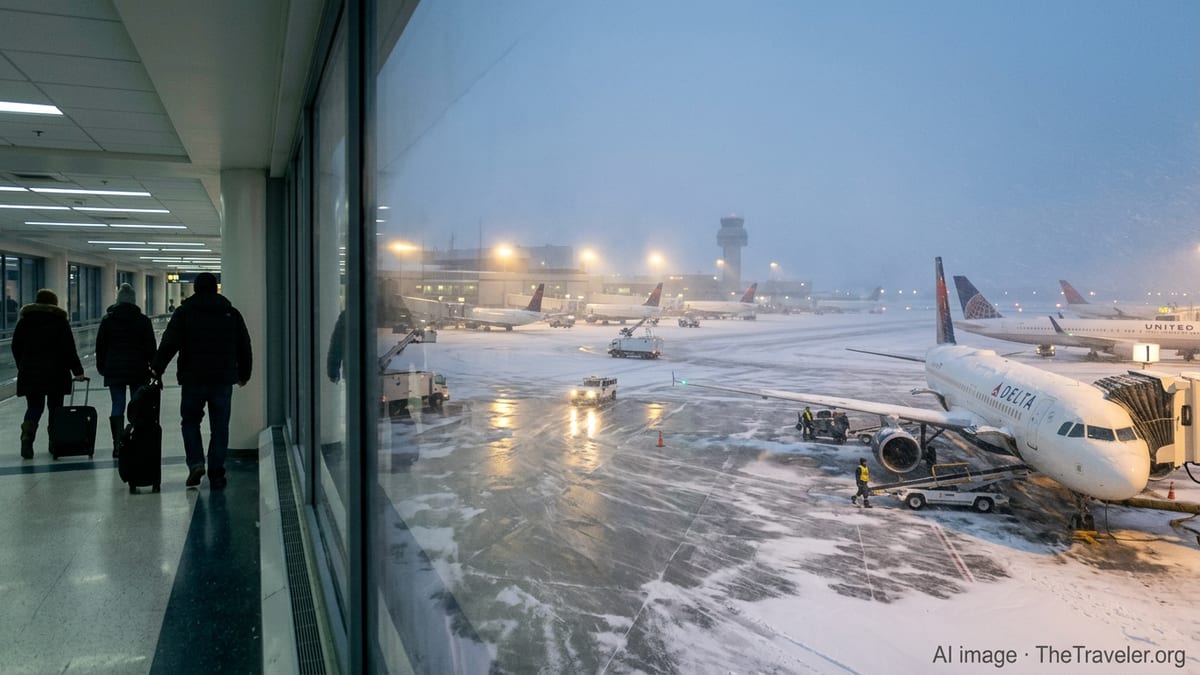
Storm Slams a Major Midwest Hub at Peak Spring Travel
The March blast of winter arrived just as Minneapolis–St. Paul International Airport (MSP) entered one of its busiest spring-break travel periods, magnifying the impact on passengers. Publicly available flight-tracking data for Sunday shows widespread cancellations across major domestic and regional carriers serving MSP, with schedules cut back sharply throughout the morning and early afternoon as conditions deteriorated.
Reports from airline operations dashboards and traveler updates indicate that regional affiliates operating smaller jets have seen some of the heaviest disruptions, with many of their rotations scrubbed outright rather than risk cascading delays in and out of Minneapolis. Larger mainline flights have also been affected, particularly those scheduled to arrive or depart during the storm’s peak intensity.
Snow totals around the Twin Cities have been accompanied by gusty winds and periods of near whiteout, which can dramatically limit runway visibility and complicate deicing operations. Even when runways remain technically open, the combination of plummeting visibility, slick surfaces, and reduced staffing levels during severe weather often forces airlines to preemptively trim schedules to maintain safety margins.
The timing has been especially painful for leisure travelers. Recent planning materials from the Metropolitan Airports Commission highlighted a significant uptick in departures for warm-weather destinations in mid-March, meaning many stranded passengers at MSP are families and vacationers whose long-awaited getaways have been abruptly cut short or postponed.
What Travelers at MSP Are Experiencing on the Ground
Inside MSP’s terminals, travelers are reporting long customer service lines and crowded gate areas as people attempt to rebook itineraries or secure confirmed seats for later in the week. With the volume of cancellations mounting, many same-day alternatives have quickly sold out, pushing some passengers to accept overnight or multi-day delays.
According to published coverage and live traveler reports, airlines have been encouraging customers to use mobile apps and websites for rebooking in order to alleviate pressure on in-person staff. However, the surge in demand has at times overwhelmed digital tools, leaving some travelers contending with slow response times or limited available inventory on alternate flights.
Hotel availability in the Minneapolis–St. Paul metro area has also tightened as stranded travelers search for last-minute rooms. Some passengers are choosing to stay with family or friends in the region, while others are opting to wait out the storm in the terminals, hoping that standby seats will open as operations gradually resume.
For those who made it onto departing flights, onboard experiences have often included extended deicing holds and longer taxi times. Heavy snowfall requires repeated applications of deicing fluid and careful sequencing of departures, which adds further delays even for flights that manage to leave MSP.
Airlines Issue Weather Waivers and Proactive Cancellations
In anticipation of the storm, several major carriers serving Minneapolis launched broad winter weather waivers covering travel to, from, or through MSP over the March 14 to March 16 window. Publicly posted waiver policies allow affected passengers to change to new departure dates within a specified period, typically without incurring additional change fees, though any fare differences may still apply on some itineraries.
These waivers are designed to give travelers flexibility to move trips away from the storm’s peak and to help airlines smooth demand over several days rather than concentrating disruptions into a single 24-hour period. Airline advisories have encouraged passengers with nonessential travel to rebook for later in the week, freeing up capacity and easing pressure on already strained airport operations.
Proactive cancellations have been a central feature of the response. Instead of waiting for conditions to deteriorate and then canceling flights at the last minute, carriers have scrubbed large portions of their schedules in advance as forecast models confirmed the severity of the storm. This strategy, which has become more common during major winter events, is intended to reduce the number of passengers stuck on partially completed journeys or facing lengthy onboard tarmac waits.
International services into MSP have seen more selective disruption. Publicly available flight histories suggest that some long-haul arrivals are still being prioritized where possible, in part because of their complex onward connections and the limited frequency of those routes. However, travelers booked on overseas flights are being urged to verify their flight status repeatedly, as conditions remain fluid.
What You Must Do If You Are Flying Through MSP
Travelers scheduled to fly into or out of MSP over the next 24 to 48 hours are being strongly advised by publicly available airline and airport advisories to verify flight status before leaving for the airport. Same-day checks should be made directly through airline apps or customer service channels, as third-party booking platforms and generic search engines may lag behind real-time operational decisions.
Anyone with flexibility is encouraged to consider adjusting their plans to later in the week, especially if their travel is discretionary or involves tight connections. For essential trips that cannot be postponed, building in significant extra time for check-in, security, and transit to the airport is prudent, given the potential for hazardous road conditions and longer queues once at MSP.
Passengers who are already stranded at the airport can improve their chances of securing suitable alternatives by exploring multiple options at once: rebooking through mobile apps while remaining in line for in-person assistance, and considering nearby alternate airports if ground travel is safe. Publicly available advice from travel analysts also stresses the importance of documenting delays and cancellations, as this information can be relevant later when seeking compensation, travel insurance claims, or reimbursement for extra expenses under airline policies.
Those connecting through MSP on separate tickets, such as a self-booked domestic leg followed by an international itinerary, face particular risk. Industry guidance consistently warns that during disruptive events, minimum connection times listed in booking tools may be unrealistic, and travelers should request rebooking onto later flights even before the original connection is officially missed.
How Long the Disruptions Could Last
While forecasts suggest that the worst of the snowfall will taper within about a day, disruptions at MSP are expected to continue beyond the end of active precipitation. Air traffic control constraints, crew duty limits, and displaced aircraft all contribute to a recovery period that can stretch well into the following day or longer after a major storm.
Publicly available data from previous Midwest winter events indicates that large hubs often need several operational cycles before flight schedules fully normalize. Even after airlines restore most of their planned departures, pockets of disruption can linger in the form of isolated cancellations, oversold flights, and aircraft substitutions that reduce available seat counts.
Travelers booked for early Monday and Tuesday departures should therefore remain prepared for residual impacts. Checking in as early as possible, monitoring gate and schedule changes, and having backup plans for critical connections can help mitigate ongoing uncertainty. Those who can shift to midweek travel may encounter more stable operations as airlines gradually realign their fleets and crews.
For MSP itself, this latest storm underscores the persistent vulnerability of even well-equipped northern airports to high-impact winter weather, particularly when it coincides with peak leisure travel. As airlines, airport operators, and passengers work through the immediate fallout, attention is likely to turn to how schedules, staffing, and contingency planning can better accommodate the volatility of late-season storms in the Upper Midwest.