

Framed by two Great Lakes and stitched together with forests, farms and friendly small towns, Wisconsin delivers a surprisingly varied mix of water, culture and wild spaces. From the sandstone bluffs of Devil’s Lake and the island-dotted horizon of Lake Superior to the brewery patios and museums of Milwaukee and the college-town buzz of Madison, the state rewards travelers who slow down, explore by road and embrace all four seasons. This guide highlights Wisconsin’s defining lakes, cities and outdoor experiences to help you shape an itinerary that fits your style.
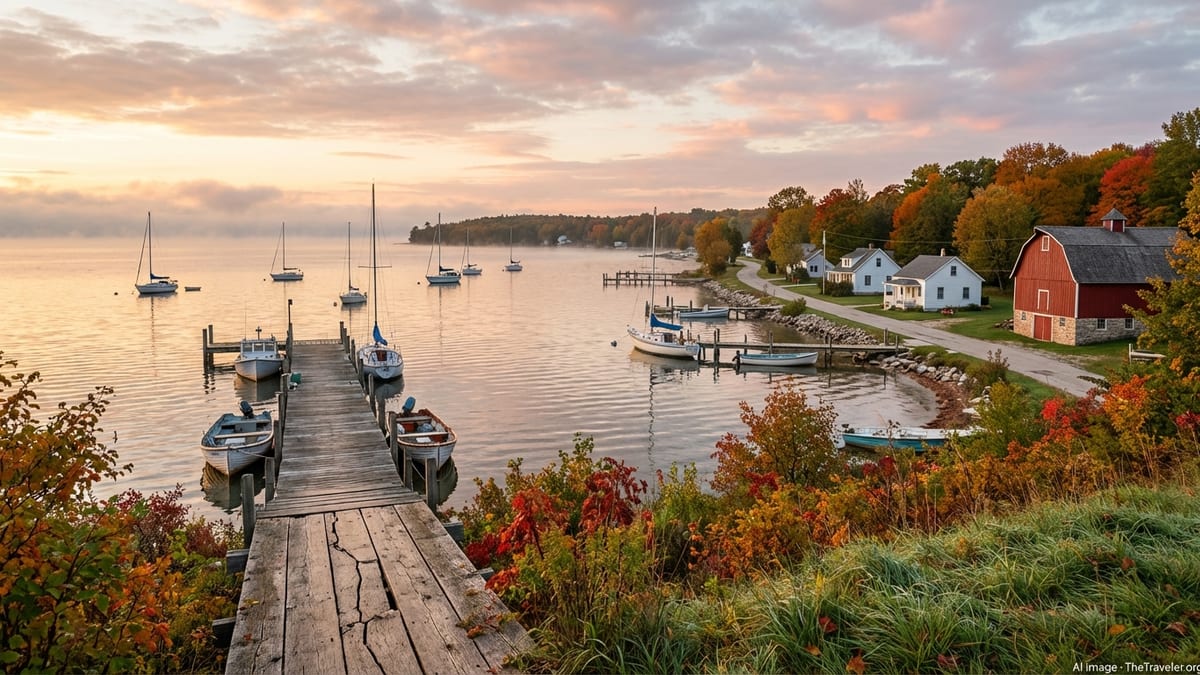
Understanding Wisconsin’s Landscape and Seasons
Wisconsin stretches from the cool, rugged shores of Lake Superior in the north to the softer, sandy edges of Lake Michigan in the east and the rolling Driftless hills in the southwest. More than 15,000 inland lakes, thousands of miles of rivers and hundreds of miles of Great Lakes shoreline give the state an unexpectedly coastal feel, especially in summer. Inland, hardwood forests and farm country define the scenery, punctuated by glacier-carved ridges and kettle lakes in the southeast and unglaciated valleys in the Driftless Area to the west.
Seasons matter when planning a Wisconsin trip. Summers are warm and relatively short, with July and August drawing lake swimmers, campers and festival-goers. Autumn is crisp and colorful, especially in northern forests and Door County, where fall foliage and apple orchards create a classic Midwest road-trip backdrop. Winters can be long and cold, but that opens the door to snowmobiling, cross-country skiing, ice fishing and even occasional access to the Apostle Islands ice formations on Lake Superior when conditions cooperate. Spring is shoulder season: quieter, with wildflowers in state parks and more variable weather.
Most visitors arrive by car, often combining Madison, Milwaukee or Green Bay with one or two outdoor regions such as Door County or the Wisconsin Dells. Distances are manageable, but road trips can involve rural stretches with limited services, so it makes sense to keep fuel topped up and check conditions in winter. For national and international travelers, main air gateways include Milwaukee and Madison, with smaller airports in Green Bay, La Crosse and the Lake Superior hub of Duluth–Superior providing access to more remote corners of the state.
Because many experiences are weather dependent, flexibility is useful. Lake levels, trail conditions and Great Lakes waves can change quickly, and some resort towns feel markedly different between peak summer and the quieter “shoulder” months. Checking local forecasts and park advisories before heading to trailheads, beaches or onto the water helps you match expectations with reality and stay safe.
Great Lakes Highlights: Superior, Michigan and Door County
Wisconsin’s northern edge meets Lake Superior, the largest and coldest of the Great Lakes. The small harbor town of Bayfield is the jumping-off point for boat trips into Apostle Islands National Lakeshore, a protected archipelago of forested islands, lighthouses and sandstone cliffs. In summer, outfitters offer cruises, kayak tours and shuttles to select islands with hiking trails and remote campgrounds. When winters turn especially cold, sturdy ice can create walkable access to sculpted ice formations along the shore, although this is never guaranteed and is closely managed for safety.
Just offshore from Bayfield sits Madeline Island, technically outside the national lakeshore but a popular warm-weather escape. A ferry connects the harbor to the laid-back village of La Pointe, where you can rent bikes, stroll to casual cafes, and continue on to Big Bay State Park for sandy beaches, a shore-hugging boardwalk and quiet forest trails. Water temperatures in Lake Superior are brisk even in midsummer, but the shallow bays can be comfortable enough for short swims on hot days, and paddling is a reliable way to experience the lake without full immersion.
On the eastern side of the state, Lake Michigan offers a more temperate lake experience with a chain of coastal communities and state parks. In Milwaukee, Lakeshore State Park occupies a small island of restored prairie and paths right off the downtown shoreline, linking the city’s museums, festival grounds and harbor views with an accessible waterfront green space. Farther north, Point Beach State Forest and Kohler-Andrae State Park draw visitors to long strands of sand, dunes and Lake Michigan sunsets.
Perhaps the best-known Great Lakes destination in Wisconsin is Door County, the peninsula that reaches into Green Bay and Lake Michigan. Here, a patchwork of small towns such as Fish Creek, Ephraim and Sister Bay mix art galleries, supper clubs and cherry orchards with water views. Peninsula State Park anchors the outdoor appeal with bluff-top vistas, campgrounds, a beach, bike routes and a historic lighthouse. Smaller Rock Island State Park at the peninsula’s tip offers a more off-grid feel: visitors reach it via two ferries, then explore on foot through forests, beaches and historic stone structures.
Classic Lake Country: Inland Lakes, Dells and Northwoods
Away from the Great Lakes, inland waters define much of Wisconsin’s recreational identity. In the center of the state, the Wisconsin Dells region blends natural river scenery with a dense concentration of water parks, resorts and family attractions. Cruises on the Wisconsin River highlight sandstone cliffs and narrow canyons, while nearby state natural areas preserve quieter stretches of forest and shoreline. This is a heavily developed, family-oriented destination that still offers pockets of calm if you time your visit for weekdays or shoulder seasons.
Farther north, the Northwoods region fans out across multiple counties, dotted with hundreds of glacial lakes connected by forest roads and multi-use trails. Towns such as Minocqua, Eagle River and Hayward serve as bases for boating, fishing and cabin getaways. Hayward, in particular, is known as a fishing hub with access to lakes prized for muskellunge, walleye and bass, along with a network of trails that support mountain biking, snowmobiling and cross-country skiing when snow falls. Quiet, smaller lakes often limit or discourage high-speed water sports, making them better suited to paddlers and wildlife watchers.
Near Baraboo, southwest of the Dells, Devil’s Lake State Park is one of Wisconsin’s most iconic inland destinations. The lake sits ringed by 500-foot quartzite bluffs, with rugged hiking trails, talus slopes and scenic overlooks. In high season, its two sandy beaches fill with swimmers and paddlers, while rock climbers test themselves on the bluffs. The park connects to segments of the long-distance Ice Age Trail, making it a convenient stop for day hikers and backpackers alike. Because of its popularity, advance camping reservations are strongly recommended for summer and fall weekends.
In southeast Wisconsin, the Kettle Moraine State Forest preserves rolling, glacier-sculpted terrain that attracts hikers, cyclists and cross-country skiers. Trails wind past kettle lakes, hardwood stands and open ridges shaped by retreating ice. This area is close enough to Milwaukee and Madison for easy day trips, but its trail networks and campgrounds reward multi-day stays, especially if you enjoy a quieter alternative to more crowded headline parks.
Cities and Culture: Milwaukee, Madison and Beyond
Milwaukee is Wisconsin’s largest city and its primary cultural and air travel hub. Set along Lake Michigan, the city combines a working harbor and industrial districts with revitalized neighborhoods, historic breweries and a celebrated lakefront. The compact downtown and adjacent Third Ward district offer walkable blocks of converted warehouses, galleries, restaurants and riverwalk segments. Museums span topics from art and design to motorcycles, with the Harley-Davidson Museum and a prominent art museum on the lakefront among the standouts. Summer brings a marathon schedule of lakefront music and cultural festivals that draw visitors from across the Midwest.
Madison, the state capital, sits on an isthmus between two lakes, lending it a distinctive waterside atmosphere. The city blends university energy from the University of Wisconsin–Madison with government buildings, indie shops and a thriving food and craft beer scene. Bike paths ring the lakes and connect neighborhoods, while paddlecraft rentals make it easy to get on the water for an afternoon. The farmers market around the state capitol square is a seasonal highlight, showcasing regional produce, cheese and baked goods.
Both Milwaukee and Madison work well as standalone city-break destinations or as gateways to broader Wisconsin road trips. Travelers often pair Milwaukee with the Lake Michigan coast and Door County, or use Madison as a jumping-off point for the Driftless Area, Devil’s Lake and the Dells. Public transit is limited compared to larger coastal metros, but rideshare services, bike rentals and compact downtown cores mean you can explore central neighborhoods comfortably without a car after arrival.
Smaller cities and river towns round out the cultural picture. In the north, communities like Bayfield and Ashland provide access to Lake Superior and reflect a slower, maritime character. Along the Mississippi River and in the Driftless Area, towns perched on bluffs and valleys host historic main streets, seasonal music events and outdoor outfitters catering to paddlers and cyclists. Many communities incorporate Native American and immigrant histories into local museums and cultural centers, adding context to the landscapes you travel through.
Outdoor Experiences: Parks, Trails and Wildlife
Wisconsin’s state park system covers more than one hundred fifty thousand acres, including forests, lakefronts and recreation areas that support a wide range of outdoor activities. Popular pursuits include hiking, camping, paddling, boating, cycling, skiing and snowmobiling, with specific offerings varying by park and season. Many parks provide drive-in campgrounds with basic amenities, while others emphasize backcountry-style tent sites, group camps or rustic shelters. Reservation systems and seasonal closures are common, so it is important to confirm current rules and availability before arriving at a trailhead or campground.
For hikers, options range from short interpretive loops to longer treks on the Ice Age Trail, a long-distance path that traces glacial features across the state and passes through multiple parks, including Devil’s Lake. Bikers will find both paved rail-trails and purpose-built mountain bike networks, with Door County’s Peninsula State Park expanding its system of dedicated mountain bike trails to serve a growing community of riders. In northern forests and rural counties such as Langlade, designated motorized routes allow off-highway vehicles on signed trails, providing access to deeper backcountry while balancing environmental protections and rider safety.
Wildlife is a constant presence in Wisconsin’s outdoor areas. White-tailed deer, sandhill cranes, loons and bald eagles are commonly spotted in suitable habitat, particularly near lakes and wetlands. In the north, black bears and wolves inhabit remote forests, but they tend to avoid people and are rarely encountered on short hikes. Standard precautions such as storing food securely, respecting closures and giving animals plenty of space go a long way toward ensuring peaceful coexistence. Birdwatchers and photographers will find spring and fall migration periods especially rewarding along both Great Lakes coasts and in major river corridors.
Winter shifts the outdoor focus but does not diminish it. Groomed trail networks support cross-country skiing and snowmobiling, particularly in the Northwoods and in counties that invest heavily in winter tourism. Ice fishing shanties appear on many frozen lakes when conditions allow safe travel, creating a uniquely northern social scene on the ice. Travelers interested in cold-weather experiences should plan around shorter daylight hours, potential subzero temperatures and rapidly changing lake-effect conditions, packing appropriate layers, traction devices and emergency supplies in vehicles.
Planning Your Route: Regions and Road Trips
Approaching Wisconsin as a collection of distinct but interconnected regions makes trip planning more intuitive. One classic loop links Milwaukee with the Lake Michigan shoreline and Door County. Starting in the city, you can sample lakefront museums and urban parks before driving north along the coast, stopping at state parks for dune hikes and beach time. Continuing up the peninsula, you weave through small harbor towns to Peninsula State Park and the surrounding Door County communities, then either retrace your steps or cross back through Green Bay’s hinterland, visiting lighthouses, orchards and farm markets along the way.
Another rewarding route begins in Madison and fans west into the Driftless Area and Mississippi River valley. This region escaped the smoothing effects of the last glaciers, leaving dramatic ridges, coulees and winding rivers. Scenic byways follow blufftops and valley floors through small towns, past dairy farms and trout streams. Along the Mississippi, lookout points and state parks provide sweeping views over islands and side channels, while river towns host music venues, historic districts and seasonal festivals. The combination of landscape, culture and relative lack of crowds appeals to travelers seeking a slower-paced, less commercial experience.
For a more wilderness-oriented itinerary, focus on the Northwoods and Lake Superior. Flying into Duluth–Superior or driving up from the south, you can base in towns like Ashland, Bayfield, Hayward or Minocqua to access lakes, forests and long-distance trail networks. Days might include paddling on a quiet lake, hiking on the North Country or Ice Age Trails, or cruising out to the Apostle Islands when the lake is calm. In winter, this same region transforms into a snow-focused playground with cross-country ski races, groomed fat-bike routes and extensive snowmobile networks.
Whichever route you choose, allowing extra time between stops is wise. Rural highways can be scenic but slow, with occasional construction, wildlife crossings and farm vehicles. Weather can shift quickly, especially near the Great Lakes, and summer weekends bring additional traffic around popular resort and park areas. Building in buffer days gives you the flexibility to wait out a storm on Lake Superior, linger in a favorite town, or reroute to a different park if a campground is full.
Food, Drink and Local Traditions
Wisconsin’s food identity is rooted in dairy, lakes and a strong sense of community. Travelers encounter cheese curds, Friday night fish fries, bratwurst and frozen custard across the state, each with local variations. Along the Great Lakes and Mississippi River, fish fries might feature walleye or perch, while inland regions lean on cod or other species. Traditional supper clubs, often set on lakeshores or back roads, pair hearty menus with Old Fashioned cocktails and a slower, social dining rhythm that has become a cultural touchstone.
In cities like Milwaukee and Madison, the culinary scene layers contemporary restaurants, food halls and farm-driven menus on top of this traditional base. Craft breweries and taprooms are a major presence, with many incorporating outdoor beer gardens, food trucks and live music in warmer months. Smaller towns and resort communities frequently host summer farmers markets where you can sample local produce, bakery items and specialty cheeses, then assemble a picnic for a hike or beach afternoon.
Seasonal traditions add another dimension to travel. In late winter and early spring, maple syrup operations open their sugarbushes to visitors on select weekends, especially in forested regions. Summer and early fall bring county fairs, harvest festivals and outdoor concerts in cities and small towns, many of them held in parks or on waterfronts. In winter, events can center on ice fishing contests, cross-country ski races or holiday markets, providing reasons to gather even in the coldest weeks.
Travelers with dietary restrictions will find the widest array of options in larger cities and popular tourist regions such as the Dells, Door County and Lake Geneva. In smaller communities, calling ahead or checking menus for vegetarian, vegan or gluten-sensitive choices is worthwhile. Coffee shops, bakeries and small-town diners remain integral to the state’s social fabric, and they often provide a snapshot of local life that complements time spent on trails and shorelines.
The Takeaway
Wisconsin’s appeal lies in the interplay between its water, its cities and its wild landscapes. You can kayak beneath sandstone bluffs in the morning, tour an art museum or brewery in the afternoon, then watch the sun set over a lake from a quiet pier or a classic supper club. The state rewards curiosity: detours down side roads, unplanned stops at roadside stands, and spontaneous hikes in lesser-known parks often yield the most memorable moments.
Whether you focus on Lake Superior’s islands, the peninsulas of Door County, the rolling Driftless hills or the energy of Milwaukee and Madison, planning around seasons and travel distances will help you make the most of your time. Allow space in your itinerary to respond to weather, local recommendations and your own sense of discovery. With thoughtful preparation and a willingness to slow down, Wisconsin’s lakes, cities and outdoor experiences come together into a trip that feels both distinctly Midwestern and uniquely your own.
FAQ
Q1. When is the best time to visit Wisconsin for outdoor activities?
May through October generally offers the most reliable conditions for hiking, paddling and lake time, with July and August warmest and October ideal for fall color.
Q2. How many days do I need to explore Door County?
A long weekend of three to four days is enough for key towns and Peninsula State Park, while a full week allows time for ferries, smaller parks and slower exploration.
Q3. Is it possible to visit Apostle Islands National Lakeshore without a private boat?
Yes. In season, tour companies and shuttles from Bayfield offer cruises, island landings and guided kayak trips, though schedules and routes vary by weather and time of year.
Q4. Do I need a car to enjoy Milwaukee and Madison?
You can explore central neighborhoods in both cities on foot, by bike or rideshare, but a car is helpful if you plan day trips to state parks, lakes or rural areas.
Q5. How far in advance should I book camping in popular state parks?
For peak summer weekends and fall color, it is wise to reserve several months ahead at high-demand parks such as Devil’s Lake and Peninsula State Park, especially for electric or lakeside sites.
Q6. Are Wisconsin’s winters too harsh for travel?
Winters are cold and snowy but can be rewarding if you prepare with proper clothing, flexible driving plans and an interest in activities like skiing, snowmobiling or cozy city stays.
Q7. Can I swim comfortably in Lake Superior and Lake Michigan?
Lake Michigan often reaches more comfortable swimming temperatures in midsummer, while Lake Superior remains colder; shallow bays and beaches can still be pleasant on hot days.
Q8. What should I know about wildlife safety in Wisconsin?
Most encounters involve deer or smaller animals; storing food securely, driving cautiously at dawn and dusk, and giving all wildlife space are usually sufficient precautions.
Q9. Is Wisconsin a good destination for families with children?
Yes. Regions like the Wisconsin Dells, Door County and the Northwoods combine kid-friendly attractions, beaches and easy trails with lodging options ranging from campgrounds to resorts.
Q10. How can I experience local culture beyond major attractions?
Visiting farmers markets, small-town diners, community festivals and local museums provides authentic insight into Wisconsin life and complements time spent in headline destinations.