

More news on this day
Wizz Air is strengthening Bulgaria’s air links with the Balkans and North Africa, unveiling three new routes from Sofia that will connect the capital directly with Tirana in Albania and the Egyptian Red Sea resorts of Hurghada and Sharm el Sheikh from summer 2026.
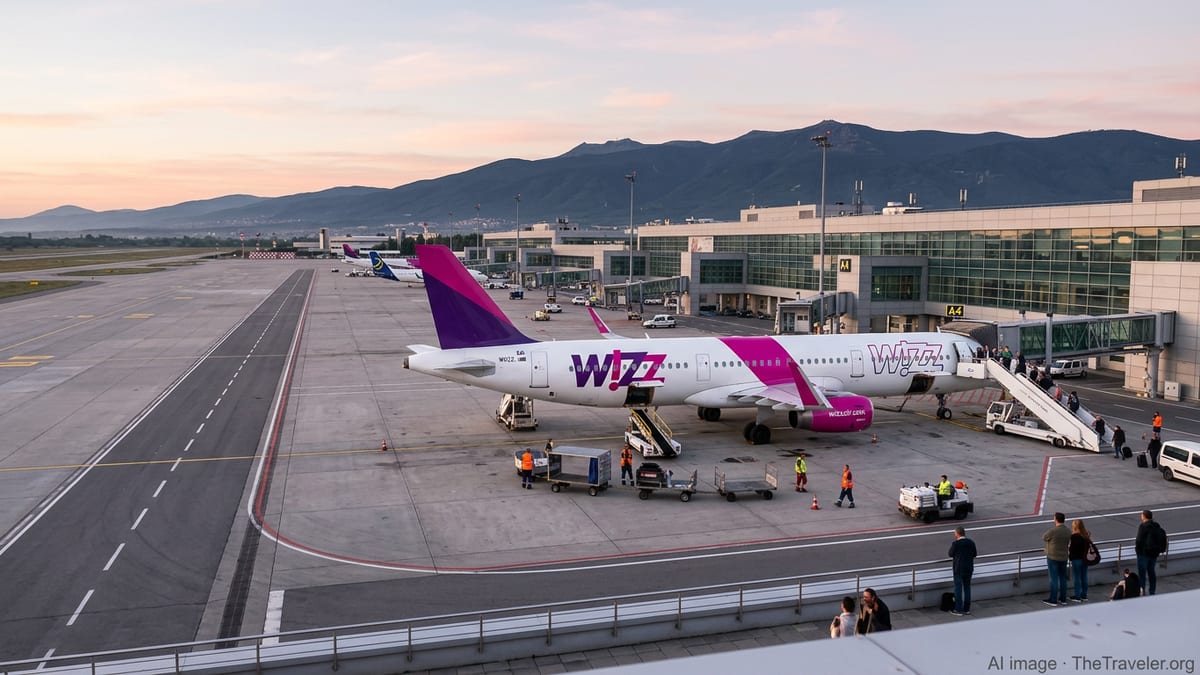
New Sofia Routes Target Red Sea and Balkan Demand
The ultra-low-cost carrier confirmed that tickets are now on sale for the three routes, which form part of a broader expansion of its Bulgarian network. The new services will launch in stages from early July 2026, giving travellers in Sofia fresh options for both city breaks and beach holidays without the need for transfers through larger Western European hubs.
The Sofia to Tirana route will link two fast-changing capitals in Southeast Europe, reflecting rising interest in Albania as an accessible short-haul destination. At the same time, nonstop flights to Hurghada and Sharm el Sheikh will tap into strong regional demand for Red Sea sunshine, particularly among Bulgarian holidaymakers seeking warm-weather escapes during both summer and winter.
Wizz Air is positioning the new links as part of its strategy to connect secondary and emerging cities across Europe and the wider Mediterranean. By building direct connections between Sofia, Albania and Egypt, the airline aims to capture both outbound leisure traffic from Bulgaria and inbound tourism from its new partner destinations.
Timetables, Frequencies and Seasonal Focus
According to details released by the airline and Sofia Airport, the Sofia to Sharm el Sheikh route is scheduled to launch on 5 July 2026. It will operate twice weekly during the peak summer period before increasing to three flights a week in winter, targeting travellers looking for guaranteed sunshine when temperatures fall in Bulgaria.
Services to Hurghada are set to commence on 25 October 2026 with two weekly departures. Positioned at the start of the winter season, the timetable is designed to feed package holidays and independent trips to the popular Egyptian resort, which is known for its long sandy beaches and extensive all-inclusive hotel offering.
The Sofia to Tirana route will start slightly earlier, on 4 July 2026, operating three times per week. The frequency reflects growing demand for short breaks and business travel between Bulgaria and Albania, and will provide more flexibility for weekend and midweek itineraries. All three routes will be operated by Airbus A321neo aircraft, part of Wizz Air’s new-generation fleet strategy focused on fuel efficiency and lower operating costs.
Lower Fares Aim to Stimulate Tourism Flows
To mark the announcement, Wizz Air introduced promotional fares on the new routes, with entry-level prices for Tirana starting under thirty euros one way and higher, but still aggressive, lead-in prices for the Egyptian destinations. The airline also bundled the launch with a wider sale across selected routes in its Bulgarian network, encouraging early bookings ahead of the 2026 summer season.
Bulgarian tour operators are expected to incorporate the new flights into their package offerings to the Red Sea, broadening the choice beyond charter services and scheduled connections via Istanbul or major European hubs. For independent travellers, the additional capacity should translate into more competitive pricing during peak holiday periods, particularly on popular departure days at the start and end of school holidays.
On the inbound side, tourism officials in both Albania and Egypt are likely to benefit from easier access to the Bulgarian market. Tirana has been working to attract more visitors from Central and Eastern Europe, while the Red Sea resorts continue to court regional travellers who can reach the coast in under three hours of flight time.
Sofia Airport Strengthens Its Regional Hub Role
The three new routes are enabled by the basing of an eighth aircraft at Sofia, part of a wider capacity increase announced by Wizz Air for Bulgaria. With the additional Airbus A321neo, the carrier has been able to layer new destinations onto its existing schedule while also lifting frequencies on several established European routes from the capital.
Airport management has welcomed the expansion as a vote of confidence in Sofia’s role as a growing regional hub for low-cost travel. In recent seasons, the airport has recorded steady increases in passenger numbers, driven in large part by the growth of budget carriers and the opening of new leisure routes to Southern Europe, the Mediterranean and the Middle East.
The latest additions to Tirana, Hurghada and Sharm el Sheikh further diversify Sofia’s destination map, reducing the capital’s reliance on Western European connections and giving passengers more direct point-to-point options. For Bulgaria’s tourism industry, the move is expected to support outbound travel while also making it easier for visitors from Albania and Egypt to access the country’s city, spa and ski destinations.
Travellers Gain More Choice in a Competitive Market
The entry of Wizz Air on the Sofia to Tirana and Sofia to Red Sea corridors will intensify competition in a region where low-cost carriers are already battling for market share. The airline’s model, built on high aircraft utilisation, dense seating and unbundled fares, is designed to keep base prices low while generating additional revenue from extras such as seat selection and checked baggage.
For consumers, the most immediate impact is likely to be a broader range of flight times and prices when planning trips between Bulgaria, Albania and Egypt. More frequent and direct services can shorten total journey times and make long weekend stays or short winter-sun breaks more feasible, especially for younger travellers and budget-conscious families.
Industry analysts note that the success of the new Sofia routes will depend on sustained demand across both summer and winter seasons, as well as the airline’s ability to maintain high load factors amid fluctuating fuel costs and geopolitical risks in the wider region. For now, however, the launch signals continued confidence in Bulgaria as a growing outbound market and in Sofia as a key node in Wizz Air’s expanding European and Mediterranean network.