

More news on this day
Wizz Air has extended the suspension of its flights to and from Israel, lengthening an already significant disruption to air links with Tel Aviv as regional tensions and airspace restrictions continue to reshape travel across the Middle East.
Get the latest news straight to your inbox!
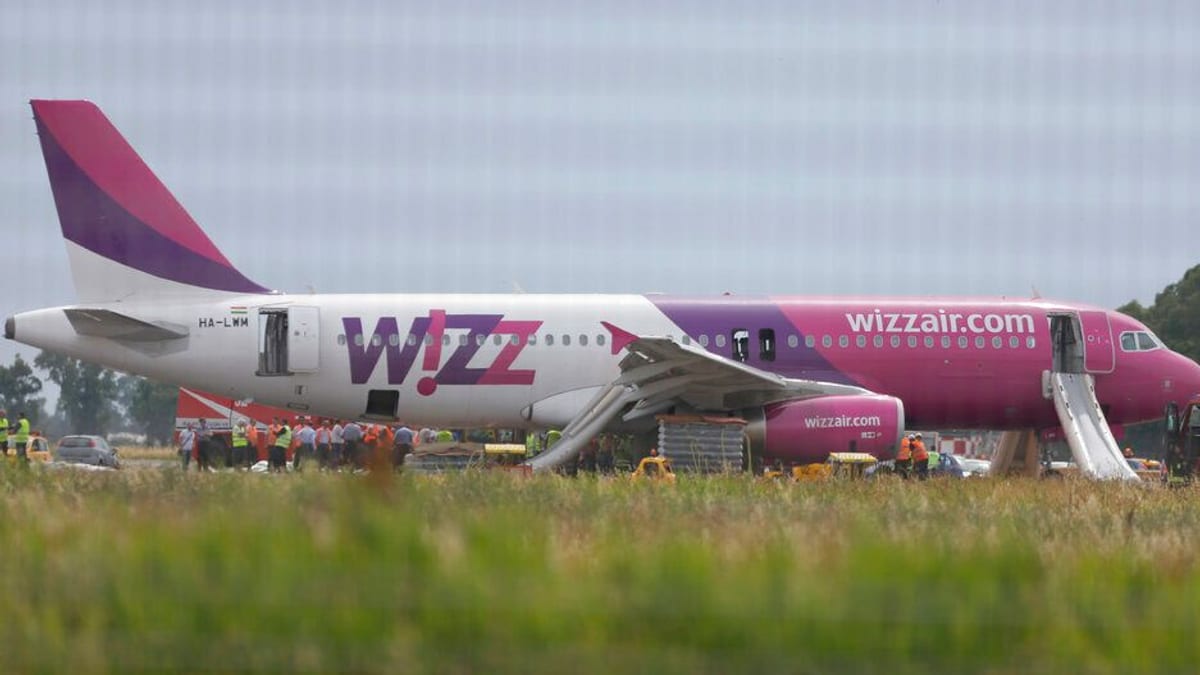
Image by i24news.tv
Suspension Now Runs Through Late April
According to recent updates from aviation and regional media, the Hungarian low cost carrier has pushed back the restart date for its Israel services, with cancellations now set to continue through April 20. Earlier guidance had indicated a shorter suspension window that would have allowed some services to resume sooner, but continuing uncertainty around access to Israeli airspace has led the airline to prolong the halt.
Reports indicate that Ben Gurion Airport near Tel Aviv remains effectively closed to most foreign carriers as Israel maintains tight controls on civil aviation operations during its ongoing confrontation with Iran. Publicly available information shows that this closure has left foreign airlines with limited options for safe routing, scheduling and crew positioning, prompting rolling adjustments to flight programs.
Travel industry trackers note that Wizz Air had already reduced or suspended multiple Middle East routes in recent weeks, including services to the United Arab Emirates and Jordan, before extending the disruption on its Israel network. The latest move aligns Wizz Air with a growing list of international airlines that have repeatedly lengthened their Israel flight suspensions as the crisis continues.
For travelers, the extension means that point to point low cost options between Tel Aviv and many European cities will remain unavailable at least until the third week of April, compounding capacity constraints during an already volatile period for regional air travel.
Impact on Passengers and Bookings
Passengers with existing Wizz Air tickets to or from Israel in the coming weeks are being advised by travel advisers and consumer platforms to monitor their bookings closely and review the airline's disruption policies. Publicly available guidance from the carrier typically offers affected customers options such as rebooking on alternative dates, receiving credit for future travel or requesting a refund, depending on the specific fare rules and the timing of cancellation notices.
Social media posts and online travel forums show that many travelers have been receiving cancellation notifications for April itineraries and are struggling to find alternative flights on other carriers, particularly for departures in the next two to three weeks. Limited capacity on airlines still serving Israel, along with sharply higher fares on remaining seats, is making last minute replanning significantly more expensive.
Travel agents and industry commentators suggest that passengers whose journeys are not time sensitive consider postponing trips until there is greater clarity on the operating environment. For those who must travel, guidance commonly recommends checking connections through hubs where national airlines are still flying to Tel Aviv and being prepared for potential schedule changes at short notice.
Consumer advocates also highlight the importance of documenting all communications with airlines and intermediaries regarding cancellations and rebooking, as this can help support later compensation or insurance claims where applicable under European or Israeli aviation regulations.
Ben Gurion Airport at the Center of Regional Turmoil
The extension of Wizz Air's cancellations is the latest sign of how central Ben Gurion Airport has become to wider disruptions in Middle East air travel. Publicly available information from aviation data providers and news outlets shows that Israel has progressively tightened civilian flight operations since late February, as military activity involving Iran and its regional allies has intensified.
These restrictions have left foreign carriers heavily dependent on government advisories and real time risk assessments to determine whether flights can safely operate to Tel Aviv. Several airlines had initially announced temporary pauses of only a few days, but repeated extensions have now turned many of those suspensions into multi week or multi month interruptions.
Analysts note that the knock on effects reach far beyond Israel itself. Carriers have had to reconfigure flight paths around large areas of restricted airspace, lengthening flight times between Europe and destinations across the Gulf and South Asia. Some have opted to consolidate services or reduce frequencies, while others, such as Wizz Air, have pulled back entirely from select markets until conditions improve.
For Israel, the continued absence of many foreign airlines limits inbound tourism and business travel, even as local carriers work to maintain skeletal international links. Industry observers suggest that it could take considerable time for the full network of pre crisis routes to return, even once security conditions stabilize.
Wizz Air’s Wider Middle East Strategy Under Strain
The extended suspension of Israel flights comes at a sensitive moment for Wizz Air's broader Middle East ambitions. Over the past several years, the airline has marketed an aggressive expansion strategy in the region, including plans for a substantial presence at Tel Aviv and continued growth from its Abu Dhabi affiliate.
Recent published coverage from business and aviation outlets has highlighted the carrier's interest in developing Tel Aviv as a key hub, with plans for a large number of weekly flights once conditions allow. However, the latest conflict driven disruptions have forced Wizz Air to recalibrate, as services not only to Israel but also to Gulf and Levant destinations face intermittent suspensions.
Industry analysts point out that low cost carriers rely heavily on high aircraft utilization and dense route networks to sustain their business model. Repeated, externally driven cancellations reduce that efficiency and can push airlines to redeploy capacity toward more stable markets in the short term. For Wizz Air, that could mean prioritizing intra European routes or other parts of its network until Middle East airspace becomes more predictable.
At the same time, observers note that the airline has historically been quick to return to markets once operational constraints ease, suggesting that Tel Aviv and other suspended routes could see a rapid ramp up whenever regulators reopen skies to foreign carriers and insurers are comfortable with the risk environment.
What Travelers Should Do Now
For travelers with upcoming plans involving Israel, publicly available travel advisories emphasize the importance of building flexibility into itineraries. This includes allowing extra time for connections, avoiding non changeable bookings on downline flights and accommodations, and considering travel insurance products that specifically cover war related disruptions and airspace closures.
Those booked with Wizz Air are encouraged by consumer watchdogs and travel experts to review their rights carefully and act promptly once a cancellation notice arrives. Rebooking options can be more limited if alternative flights fill up quickly, and some compensation mechanisms may depend on how far in advance the airline notifies passengers of a schedule change.
Travelers still seeking to reach or leave Israel in the coming weeks are also being urged to track which airlines are currently operating limited services into Ben Gurion and through which hubs. In several cases, national carriers have been granted permissions to operate repatriation or reduced schedule flights, while many foreign airlines remain offline for regular commercial services.
With Wizz Air now extending its cancellations to and from Israel through at least April 20, the overall message from travel industry observers is one of caution. Until there is a sustained easing of regional tensions and a clear reopening of Israeli airspace to foreign carriers, air links to the country are likely to remain fragile, and passengers may need to plan around ongoing disruption.