

More news on this day
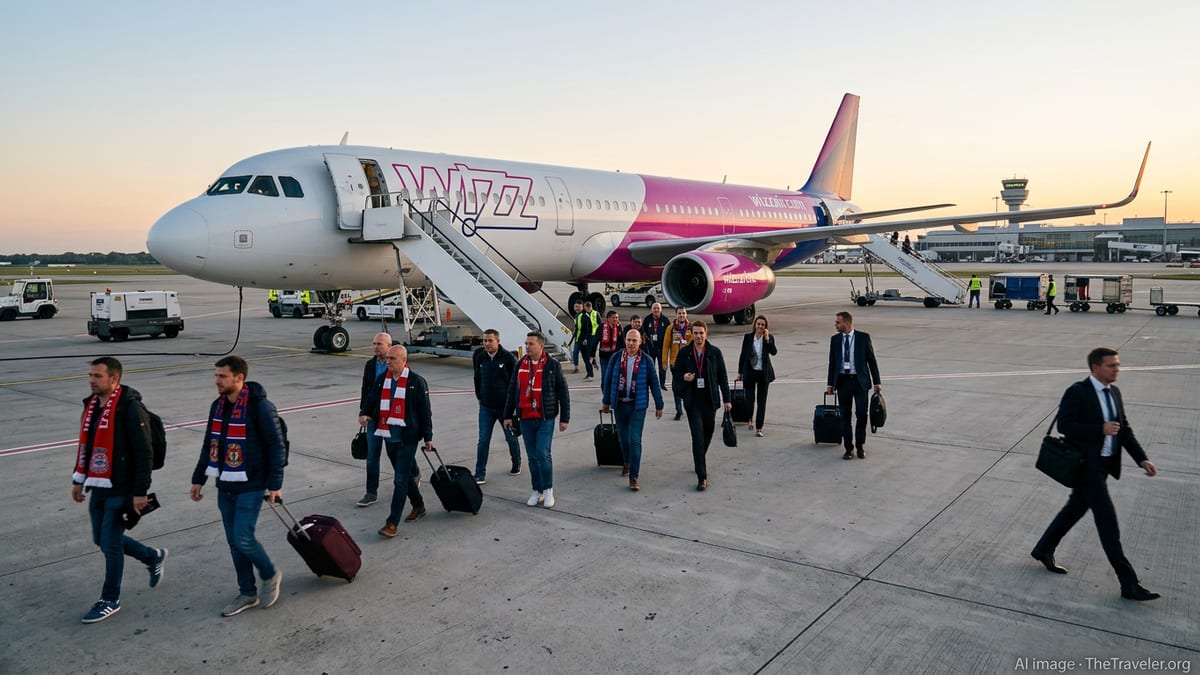
Wizz Air UK has received approval to operate charter flights between the United Kingdom and the United States, opening a new transatlantic chapter for the low cost carrier focused on sports and corporate travel ahead of this summer’s World Cup.
Regulatory Green Light Marks Strategic Shift Across the Atlantic
The United States Department of Transportation has granted Wizz Air UK the permits it needs to run charter services between the UK and multiple US gateways, clearing a key regulatory hurdle for the airline’s first transatlantic operations. The approval follows a tentative ruling issued this week and comes under the existing UK US air transport framework, which allows British carriers to serve the American market with both scheduled and charter flights.
For now, Wizz Air UK is choosing to limit its ambitions to ad hoc charter services rather than launching a full scheduled network. Executives have repeatedly stressed that the airline has no immediate plans to sell regular point to point tickets across the Atlantic, preferring a cautious entry focused on contracted flying for specific events and clients.
The move positions Wizz Air UK alongside a small group of European low cost carriers that have dipped a toe into North American markets through tailored operations rather than large scale schedules. Industry analysts see the decision as a way to test transatlantic demand, operational complexity and cost structures without committing the resources required for daily routes.
The permits also signal growing confidence in long haul narrow body operations. Wizz Air has already conducted VIP and special missions flights to the US using long range Airbus single aisle aircraft, and the new authorisation formalises the carrier’s ability to deploy similar airplanes for broader charter work.
World Cup Demand Puts Sports Travel in the Spotlight
The immediate catalyst for Wizz Air UK’s application is this year’s football World Cup, which will be staged across venues in the United States, Mexico and Canada. The airline is positioning itself to move European teams, officials and large groups of supporters directly to US host cities, offering flexible schedules that can be tailored around fixtures and training plans.
According to statements from the airline, the newly approved rights will allow it to provide bespoke flights for clubs, national federations and tour operators creating tournament packages. Rather than competing head to head with established transatlantic carriers on public routes, Wizz Air UK aims to plug gaps where demand is concentrated for short windows, such as pre tournament warm up periods and knockout stage travel.
Sports logistics specialists say demand for such services is already building. National squads often travel with expanded delegations that include technical staff, sponsors and media, while fan charters can consolidate thousands of supporters from a single market on non stop flights to a host city. Ad hoc operations allow carriers to respond quickly when teams progress unexpectedly or when fixtures change at short notice.
The airline has also flagged future opportunities around other major events in North America, from continental club competitions to the 2028 Olympic Games in Los Angeles. By building charter experience now, Wizz Air UK is positioning itself as a potential partner for sports bodies planning long haul travel in the coming years.
Corporate and Group Travel at the Core of the New Offering
Alongside football traffic, Wizz Air UK is actively marketing its transatlantic charters to corporate groups, incentive travel organisers, conference planners and specialist tour operators. The airline says it can tailor departure airports, schedules and onboard services to the needs of each client, offering what it describes as a cost efficient alternative to fragmented bookings on scheduled flights.
Corporate demand is expected to focus on large meetings and events in major US cities, as well as incentive trips linking European headquarters with American subsidiaries. By chartering an entire aircraft, companies can control timing, branding and passenger manifests while avoiding the complexity of coordinating hundreds of individual tickets across multiple airlines.
Tour operators are another key target. Many already package sports travel, city breaks and theme park holidays that rely on transatlantic lift secured months in advance. Access to a new low cost carrier on a charter basis could help them add capacity quickly during peak periods or open new city pairs that are not yet viable for scheduled service.
Wizz Air UK’s low cost model, with high density seating and unbundled fares, may give it a pricing advantage in the charter segment, especially for groups that prioritise budget over full service frills. At the same time, the airline is expected to face demanding corporate clients who will look closely at punctuality, customer service and operational resilience when choosing a charter provider.
Cautious Expansion in a Volatile Long Haul Market
By opting for charters only, Wizz Air UK is sidestepping some of the risks that have challenged previous attempts by low cost airlines to crack the transatlantic market. Scheduled long haul services typically require large marketing budgets, complex distribution agreements and a sustained commitment of aircraft and crews to routes that can take years to mature.
Ad hoc operations, by contrast, provide flexibility. Aircraft can be redeployed to core short haul networks when not required for US flying, limiting exposure to seasonal downturns or sudden shifts in demand. Contracts with sports bodies or corporate clients can also be structured to secure revenue in advance, reducing the uncertainty that comes with relying solely on public ticket sales.
The timing of Wizz Air UK’s move reflects both opportunity and caution. Transatlantic demand has recovered strongly, but the wider aviation sector is still dealing with supply chain constraints, labour shortages and fuel price volatility. For a carrier known for aggressive growth in Europe, the measured approach to North America suggests lessons learned from the challenges of scaling during and after the pandemic.
Regulators on both sides of the Atlantic will be watching closely as the airline ramps up operations. Safety oversight, consumer protection rules and contingency planning for delays or cancellations will all be under scrutiny, particularly given past criticism of the carrier’s performance on some European routes.
Implications for Travellers and the Wider Market
For most individual travellers, Wizz Air UK’s new permits will not immediately translate into bookable fares on consumer websites. Seats on the initial wave of flights are expected to be sold primarily through football federations, fan groups, tour operators and corporate travel departments rather than directly to the public.
Over time, however, successful charter operations could pave the way for broader transatlantic ambitions. If the airline finds that demand is consistent and yields are attractive, it may consider adding more structured programmes of flights around recurring events or even exploring limited scheduled services on carefully chosen routes.
Competitors will be alert to any sign that a new low cost player is gaining traction across the Atlantic, particularly on price sensitive group traffic. Traditional network carriers, which have long dominated sports and corporate charter work with wide body fleets, may face pressure to sharpen their own offerings or risk losing contracts to newer entrants willing to operate high density single aisle jets.
For now, the development underscores how major sporting events and corporate mobility continue to reshape the aviation landscape. Rather than launching a conventional transatlantic network, Wizz Air UK is betting that flexible charter flying to the United States will offer a more sustainable way to test the waters of long haul travel while staying true to its budget focused roots.