

More news on this day
World Cup 2026 is emerging as an unlikely accelerator for public transit in the United States, with Kansas City, Boston, Seattle and other host metros racing to expand rail lines, add special services and secure new federal funding before millions of football fans arrive next summer.
Get the latest news straight to your inbox!
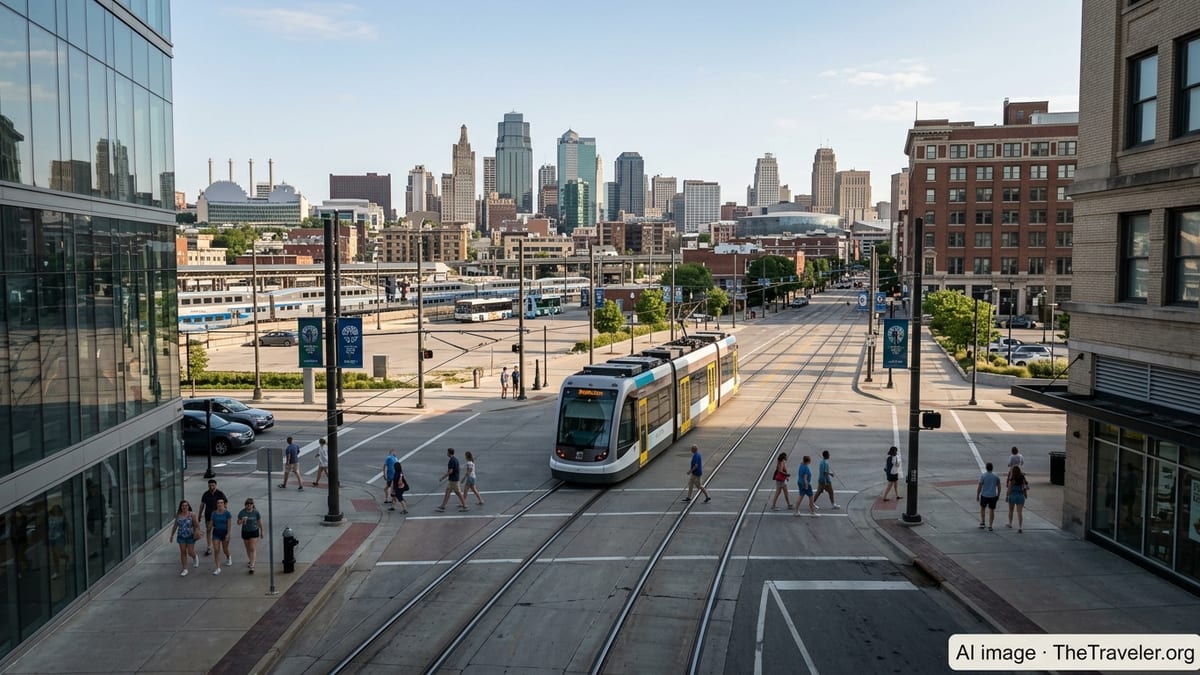
Kansas City Streetcar Expansion Pivots to the Riverfront
Kansas City is leaning on its modern streetcar to anchor World Cup mobility, using the tournament as a deadline to complete long-planned extensions. Public documents from the KC Streetcar Authority describe a system expanding from its downtown spine to new neighborhoods, positioning the free, high-frequency line as a key connector between hotels, entertainment districts and World Cup fan zones.
A 0.7-mile Riverfront extension is scheduled to open in late 2025 or early 2026, tying the existing north-south route to a booming stretch of riverfront redevelopment. Earlier fact sheets indicate the World Cup fan festival site will sit along this corridor, effectively making the streetcar the primary transit link between downtown Kansas City and one of the event’s main gathering points.
Planning materials highlight a broader buildout to roughly 6.2 miles of track, framed as a major public transit investment that outlives the tournament. While the World Cup has accelerated timelines and raised the stakes around project delivery, city-facing communications cast the streetcar buildout as part of a longer effort to create a walkable, rail-served core rather than a one-off event shuttle.
Ridership trends in early 2026 are reinforcing that bet. Publicly shared updates from the operator point to record passenger volumes on the existing route, with hundreds of thousands of trips already logged this year. The prospect of World Cup crowds has amplified calls from local advocates to ensure Kansas City’s free streetcar, bus network and regional rail are fully integrated by the time the first match kicks off.
Boston Leans on the MBTA as Gillette Parking Shrinks
In the Boston region, preparations for seven World Cup matches at Gillette Stadium are reshaping how visitors will travel between downtown and the suburban venue. Coverage from local outlets reports that on-site parking is being sharply reduced, leaving roughly 5,000 spaces available and putting added pressure on commuter rail and rapid transit to move tens of thousands of spectators on match days.
The Massachusetts Bay Transportation Authority has rolled out early World Cup transit guidance, framing rail as the primary way to reach the games. Publicly available planning information outlines a goal of moving about 20,000 passengers on special commuter rail trains between South Station in Boston and Foxboro Station on each match day, with services designed to run at frequent intervals and align with stadium security windows.
Separate updates describe targeted station upgrades along the Foxboro branch, including platform improvements and accessibility work timed to finish ahead of the tournament. The MBTA has also been investing in real-time information, with electronic signs and other wayfinding tools gradually appearing across the system, improvements that are expected to help visiting fans navigate the network more easily.
Regional news coverage has highlighted anxiety among regular commuters about capacity and reliability, reflecting long-running concerns about Boston’s aging transit infrastructure. At the same time, state officials and transit leaders have framed the World Cup as an opportunity to accelerate overdue maintenance and operational changes, arguing that crowd-management lessons from the tournament could improve service well after the final whistle.
Seattle Scales Up Light Rail and Bus Service
Seattle, another U.S. host city, is using the World Cup to bolster its light rail and bus offerings across King County. Budget documents from King County Metro and Sound Transit show dedicated line items for supporting additional service and enhanced passenger experience during the 2026 tournament, including a downtown shuttle concept and expanded bus operations timed to match schedules at stadiums and fan zones.
Sound Transit planning materials describe a “world-class service” push tied to the World Cup, with preparations to run increased trains on the Link light rail spine serving Seattle-Tacoma International Airport, downtown and key neighborhoods. The agency’s 2026 service planning indicates additional capacity and special operations around match days, anticipating heavy demand from both international visitors and local fans.
The World Cup focus intersects with longer-term rail extensions that are already underway in the region. Projects such as the Lynnwood and Federal Way Link extensions, scheduled to open around 2026, will push light rail farther north and south, making it easier for visitors to reach hotels, entertainment districts and the airport without a car. Environmental review and planning for the Ballard Link extension continue in parallel, reflecting how event-driven needs are being layered onto an already ambitious transit buildout.
Public debate in Seattle has intensified as transit agencies weigh cost pressures and potential scope changes against the desire to open as much new rail as possible before the tournament. Local reporting points to pushback against any cuts that could weaken connectivity to neighborhoods like West Seattle or Ballard, with advocates arguing that global events underscore the long-term value of a robust rail network.
Federal Funding and National Coordination Accelerate Projects
Beyond city-specific investments, new federal funding streams are helping to underwrite transit upgrades in World Cup host regions. A recent announcement from the U.S. Department of Transportation detailed a 100 million dollar program designed to enhance public transportation in the eleven American host cities, with funds apportioned using a formula tied to stadium capacity and the number of matches each metro will host.
Members of Congress previously pressed for additional federal support, requesting hundreds of millions of dollars for transit agencies facing the combined pressures of pandemic recovery, everyday commuting needs and the extraordinary visitor surge expected in June and July 2026. Legislative correspondence cited cities such as Boston, Kansas City and Los Angeles as examples of metros where crowd volumes will significantly exceed typical peak travel patterns.
The White House has established a World Cup task force that names public transportation, safety and local infrastructure among its areas of focus. Federal transit officials have released guidance to agencies on how to manage special event service, coordinate with private operators and comply with charter rules, signaling a more hands-on approach than in prior World Cups hosted elsewhere.
Advocacy groups and urban mobility researchers note that many of these federal initiatives overlap with broader climate and congestion goals. Enhancing transit capacity for the World Cup is being framed not only as a way to keep traffic from gridlocking host cities during matches, but also as an opportunity to shift more everyday trips toward rail and bus networks in the years that follow.
Legacy Stakes for Urban Mobility Across Host Cities
Analysts tracking major sports events argue that the real test for World Cup-driven transit spending will come after the tournament. Economic research commissioned around World Cup planning has emphasized the importance of “legacy value,” urging host cities to prioritize projects that transform daily mobility rather than temporary shuttles that sit idle once visitors depart.
Across the United States, examples of this approach are beginning to emerge. In Kansas City, the streetcar’s riverfront and mainline expansions are presented as permanent upgrades that support new housing and recreation along the Missouri River. In Boston, commuter rail enhancements and station improvements tied to World Cup operations are bundled with broader reliability programs for the MBTA network. In Seattle, World Cup preparations are folded into multi-year capital plans that will extend high-capacity transit across the region.
Tourism and hospitality organizations are watching these developments closely, noting that easy, reliable transit can significantly influence how international visitors perceive a destination. Cities that demonstrate smooth, car-light travel during the World Cup could see lasting reputational benefits, strengthening their case for future events and encouraging repeat leisure and business trips.
With the opening match now less than a year and a half away, the countdown is pushing agencies to turn plans into visible infrastructure. Whether these projects ultimately redefine everyday commuting or are remembered mainly as one-time event measures will depend on how effectively cities like Kansas City, Boston and Seattle convert World Cup urgency into long-term transit commitments.