

More news on this day
A large-scale malfunction in Baidu’s Apollo Go robotaxi fleet in Wuhan has left passengers stranded in moving traffic on elevated highways and city ring roads, intensifying global scrutiny of driverless taxi safety and oversight.
Get the latest news straight to your inbox!
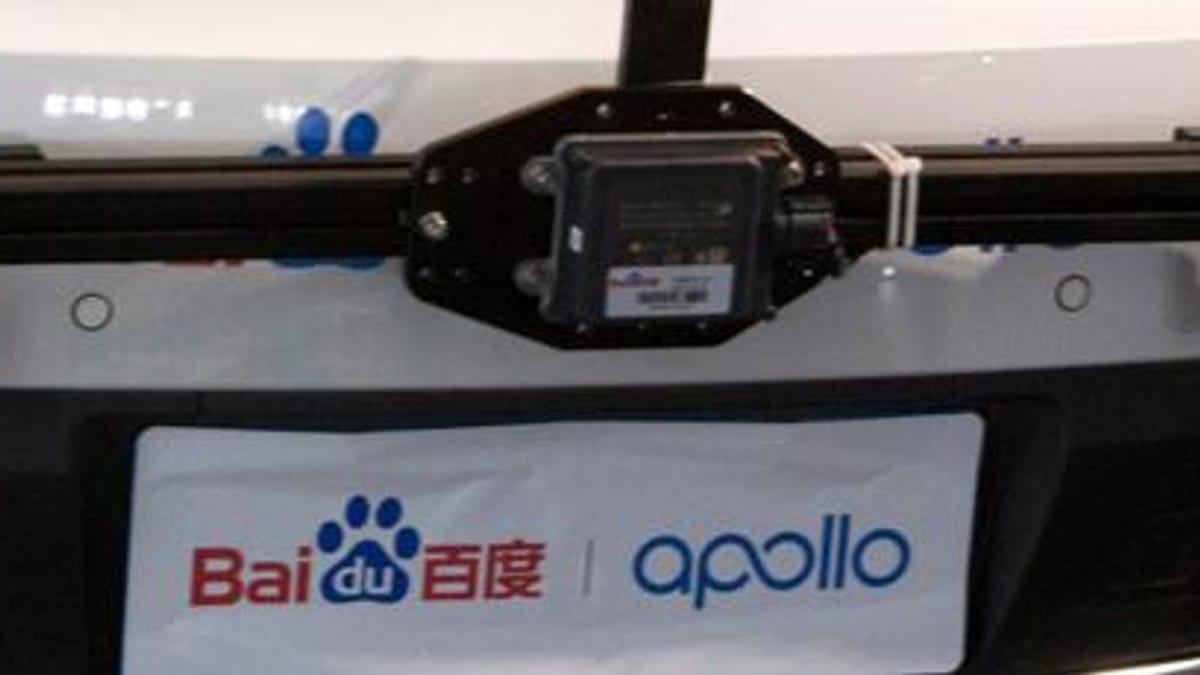
Mass system failure freezes more than 100 robotaxis
Publicly available information shows that on the evening of March 31, more than 100 Apollo Go robotaxis operating in Wuhan abruptly stopped in place after what local police described as a system malfunction. The vehicles, which normally operate without human drivers, came to a halt in live traffic, including on elevated ring roads designed for fast-moving vehicles.
Reports indicate that emergency call centers in Wuhan began receiving multiple alerts shortly before 9 p.m. as drivers and bystanders noticed unattended vehicles sitting idle in traffic lanes. Some of the halted robotaxis were reported to be in middle or passing lanes, creating sudden obstacles for conventional vehicles traveling at speed.
Media coverage and social media posts from Wuhan residents describe scenes of long lines of vehicles forced to slow or swerve around stalled robotaxis, with at least a few rear-end collisions reported. While there were no immediate reports of serious injuries, the incident has been widely characterized as one of the most disruptive robotaxi outages yet seen in a major city.
According to multiple news outlets, Baidu’s Apollo Go service operates hundreds of robotaxis in Wuhan, making the city one of the largest testbeds in the world for fully driverless urban transportation. The outage therefore affected a substantial portion of the local autonomous fleet in a single episode.
Passengers trapped in live traffic for up to 90 minutes
Passengers caught inside the malfunctioning robotaxis reported being stuck for extended periods in vehicles that were immobilized but still surrounded by moving traffic. Accounts gathered by technology and regional news outlets describe riders waiting between 30 and 90 minutes before they could safely exit or be assisted.
Several riders reported that their vehicles displayed on-screen messages indicating a driving system malfunction, along with assurances that staff would arrive within minutes. In practice, according to these accounts, connecting to customer support proved difficult, and in some cases riders said they called repeatedly before reaching a representative.
In the most worrisome situations, robotaxis reportedly came to rest on elevated overpasses with heavy trucks and other vehicles passing nearby. Some passengers chose to remain inside rather than risk stepping out into traffic, especially where there was no shoulder or safe refuge adjacent to the roadway.
Other riders were able to open doors and leave the vehicles unassisted once traffic briefly thinned or after responders arrived. Images and videos shared on Chinese and international platforms appear to show empty Apollo Go vehicles sitting in highway lanes and on city arterials well after the initial failure.
Wuhan’s role as a major robotaxi testbed
Wuhan has been a flagship city for Baidu’s driverless ambitions, with the company steadily expanding its Apollo Go service in designated zones over recent years. Public information from industry analysts indicates that the company operates several hundred autonomous vehicles in the city, including on complex elevated expressways and multilane ring roads.
Within China, Wuhan is seen as a proving ground for scaling robotaxi services from limited pilot routes to broader urban coverage. The city’s mix of dense neighborhoods, industrial areas, and high-speed ring roads offers a challenging environment that is intended to demonstrate the reliability of autonomous technology in everyday traffic.
Baidu has also been positioning Apollo Go as a blueprint for export, with services launched in parts of the Middle East and plans reported for deployments in Europe. The highly visible outage in one of its core Chinese markets is therefore drawing attention not only domestically but also in regions where the company expects to expand.
Analysts quoted in regional business media note that the Wuhan incident is particularly notable because it appears to involve a coordinated system failure affecting many vehicles simultaneously, rather than an isolated driving error by a single car. That pattern, they argue, raises different questions about network design, redundancy, and fail-safe behavior across entire fleets.
Safety, design and oversight questions resurface
The Wuhan outage has reignited debate about how autonomous taxis are designed to respond when something goes wrong. Reports from local outlets suggest that many of the affected robotaxis remained stopped in lane for extended periods instead of moving to a safer location or shoulder, even after their systems detected a malfunction.
Industry observers point out that so-called minimum-risk maneuvers are a central element of autonomous vehicle safety design. Ideally, when systems fail or connectivity is lost, vehicles should steer to a safe stopping point off the main flow of traffic. The images of stranded robotaxis in Wuhan appear to show that, at least in this incident, many cars did not manage such a maneuver.
The event also underscores the importance of clear passenger instructions and robust remote support. Riders reported uncertain guidance from on-screen prompts and long waits to reach customer service, complicating decisions about whether to exit the vehicle in hazardous conditions.
Comparisons are already being drawn with previous robotaxi disruptions in other cities, including outages in San Francisco where autonomous vehicles from different operators have blocked intersections or stalled during power failures. Together, these episodes are fueling broader conversations about how quickly regulators should allow large-scale driverless deployment in dense urban environments.
Global robotaxi expansion faces new scrutiny
The Wuhan disruption arrives at a time when robotaxi programs are expanding rapidly around the world, from Chinese megacities to technology hubs in the United States and new pilot zones in the Middle East and Europe. For many cities, autonomous taxis are marketed as a way to reduce congestion, expand mobility and cut emissions.
However, the mass stoppage in Wuhan highlights that as fleets scale up, systemic failures can have citywide consequences. A malfunction that might be manageable with a handful of vehicles becomes a significant safety and logistics challenge when dozens or more cars stop simultaneously in live traffic.
Transportation analysts quoted in regional coverage suggest that the incident is unlikely to halt China’s overall push toward driverless mobility, given substantial government and corporate investment. Instead, they anticipate renewed emphasis on fleet-level resilience, stronger backup systems, and clearer rules for how companies communicate with the public after major disruptions.
For travelers and residents in cities experimenting with robotaxis, the Wuhan episode serves as a vivid reminder that autonomous mobility remains a developing technology. As more destinations add driverless taxis to their transport mix, expectations around transparency, emergency procedures and system reliability are likely to become central issues for both regulators and passengers.