

More news on this day
Wyndham Hotels & Resorts is marking a major milestone for its Trademark Collection brand, which has surpassed more than one hundred open hotels in the United States as the soft brand continues to anchor the company’s wider global expansion strategy.
Get the latest news straight to your inbox!
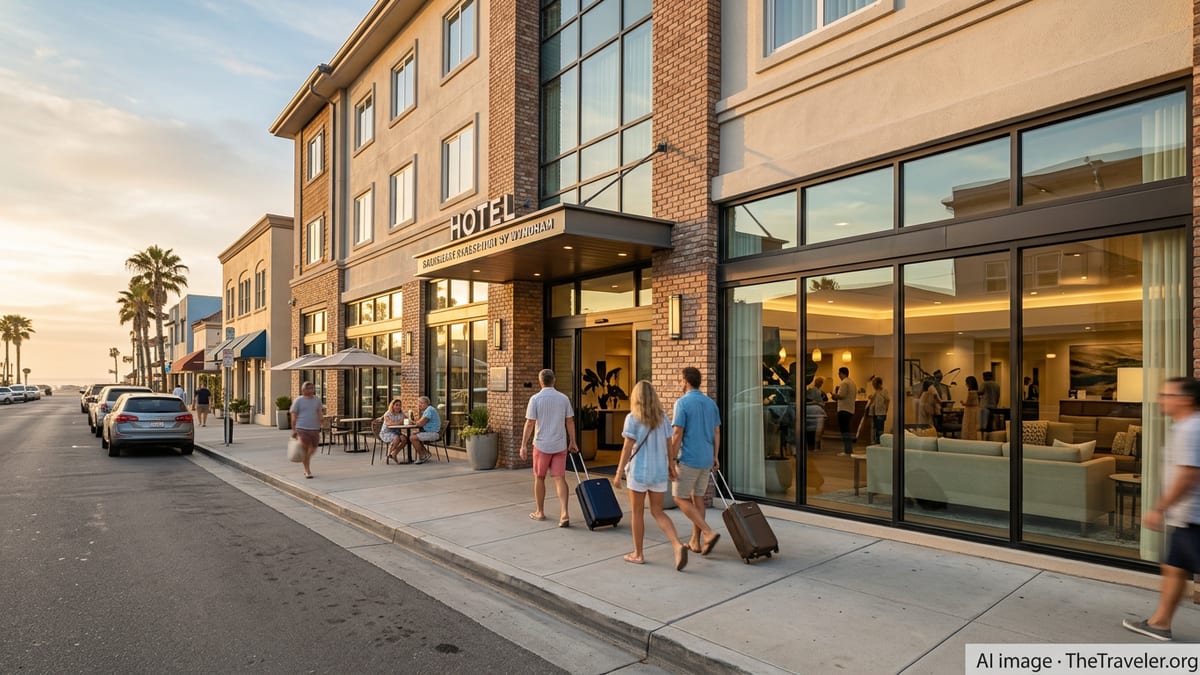
Milestone Underscores Strength of Soft-Brand Strategy
Publicly available information shows that the Trademark Collection by Wyndham has grown rapidly since its launch in 2017 as a soft brand for upper midscale and above hotels that wish to retain their own character while accessing the scale of a major global chain. The latest milestone of more than one hundred open properties across the United States highlights how conversion-friendly brands have become an important growth engine in a capital-constrained market.
The concept behind Trademark is to bring independently minded hotels into the Wyndham system without imposing a one-size-fits-all design template. Owners are able to keep local architecture, interior style and operational nuances while tapping into distribution, loyalty and revenue management platforms. Industry observers note that this model has proved attractive for older full-service and resort properties seeking to refresh their positioning without the cost of a full rebrand.
Reports indicate that Wyndham’s soft brands, including Trademark and the more upscale Registry Collection, are helping the company expand in markets where development pipelines for traditional new-build hotels have slowed. By focusing on conversions and adaptive reuse, the group can grow key count faster while limiting exposure to construction cost inflation and financing challenges that have affected ground-up projects.
The Trademark milestone in the United States also reinforces a broader industry trend in which major hotel groups increasingly prioritize flexible brand frameworks. Competitors across the hospitality sector have been rolling out similar collections to capture independent hotels that want global reach but resist standardized branding, and Wyndham’s growing footprint suggests that demand for this approach remains robust.
Geographic Footprint Expands Across Sunbelt, Secondary Cities and Leisure Markets
According to published coverage and company development materials, the more than one hundred Trademark Collection hotels in the United States are distributed across a range of markets, with a notable emphasis on high-growth Sunbelt destinations, drive-to leisure areas and secondary cities. Properties can be found in coastal vacation hubs such as Myrtle Beach, as well as near national parks, regional business centers and university towns.
This footprint aligns with broader U.S. travel patterns that have favored domestic road trips and regional getaways. Locations in beach communities, mountain regions and small-city downtowns allow Wyndham to capture demand from families, remote workers and value-conscious leisure travelers seeking distinctive hotels that still participate in a major loyalty program.
In urban and secondary business markets, Trademark hotels are often conversion projects that refresh existing properties with updated design and new brand positioning. These hotels typically emphasize strong local ties, including regionally inspired decor, food and beverage concepts and neighborhood partnerships. The combination of local identity with access to Wyndham’s reservation channels and corporate accounts can help owners compete against both global chains and independent boutiques.
Reports on individual Trademark properties also show a range of formats, from renovated roadside hotels repositioned as lifestyle-inspired accommodations to larger resorts featuring pools and family amenities. This diversity reflects the flexible brand standards that allow the collection to adapt to the nuances of each destination while maintaining a consistent promise around comfort, reliability and value.
Global Expansion Adds Momentum Across Europe, Asia and the Caribbean
While the United States remains the largest single market for Trademark Collection by Wyndham, global expansion has become a crucial driver of the brand’s momentum. Publicly available listings and development announcements point to an expanding portfolio in Europe, Asia and resort destinations across the Caribbean and Latin America, where independently operated hotels are seeking stronger distribution and brand awareness.
In Europe, the collection has grown in gateway cities and regional centers, often through conversions of existing midscale and upscale properties that want to retain their identity while joining a broader network. These additions support Wyndham’s strategy of deepening its presence in key inbound tourism markets and aligning with the return of international travel.
In Asia and the Pacific, Trademark-branded resorts and hotels are appearing in established vacation areas, pairing local leisure experiences with access to global loyalty members. The brand’s flexibility is particularly relevant in these markets, where owners may prefer to highlight local culture, architecture and service traditions while still aligning with international standards.
Caribbean and Latin American growth for Trademark includes all-inclusive and resort-style properties that benefit from Wyndham’s sales, tour operator relationships and loyalty base. This expansion supports the company’s broader effort to compete aggressively in sun-and-sand destinations, a segment that continues to show strong demand from North American travelers.
Conversions, Asset-Light Model and Owner Appeal
Trademark Collection plays directly into Wyndham Hotels & Resorts’ asset-light, franchise-oriented business model. Public corporate materials describe an approach in which the company focuses on brand management, franchise support and distribution, while individual hotel owners and partners retain control of the real estate and day-to-day operations.
For owners, the conversion pathway into Trademark can be less capital intensive than joining a more prescriptive brand. Many hotels are able to leverage existing room layouts and much of their current infrastructure, focusing investments instead on refreshed public spaces, technology upgrades and soft touches that align with the brand’s positioning.
Industry analysis indicates that this model can accelerate development timelines, as conversions typically face fewer regulatory and construction delays than ground-up projects. Hotels can often remain open during renovation, maintaining cash flow while repositioning. That combination has become increasingly appealing at a time when higher interest rates and shifting lender requirements make large-scale new builds more challenging.
For Wyndham, each conversion into Trademark enhances system size, adds fee-based revenue and grows the reach of its loyalty program. The company’s stated strategy of nearly all-franchised hotels means incremental rooms can translate quickly into fee income without tying up significant capital, a structure that markets often reward in cyclical sectors like hospitality.
Impact on Wyndham Rewards and Competitive Positioning
The growth of Trademark Collection by Wyndham has implications that extend beyond unit counts. With each new hotel, the company increases the number of options available to Wyndham Rewards members, especially in destinations that historically lacked strong representation from the group’s portfolio.
Travelers loyal to Wyndham now encounter more properties positioned in the upper midscale and lifestyle space, complementing the company’s large base of economy and midscale brands. This broader spectrum can help retain guests as their preferences or budgets evolve, encouraging them to stay within the Wyndham system rather than migrating to competing chains when they seek more distinctive or upscale stays.
From a competitive standpoint, Trademark’s expansion strengthens Wyndham’s presence in the soft-brand arena, where rivals have long pursued growth through independent collections. As more destinations feature a Trademark property, the brand becomes more visible to travelers who value unique hotels but also seek the familiarity of points earning and redemption.
Analysts tracking the hospitality sector note that the combination of soft-brand growth, asset-light economics and international expansion positions Wyndham to capture a meaningful share of post-pandemic travel recovery. The milestone of more than one hundred Trademark Collection hotels open in the United States signals that the brand has moved beyond its early launch phase into a mature, scalable platform that is expected to play a continuing role in the company’s global growth story.