

More news on this day
Xcel Energy has traced the recent power outage at Denver International Airport, which plunged concourses into darkness, stranded passengers and disrupted hundreds of flights, to a failed piece of equipment at a key substation feeding the airport, according to published coverage and utility updates.
Get the latest news straight to your inbox!
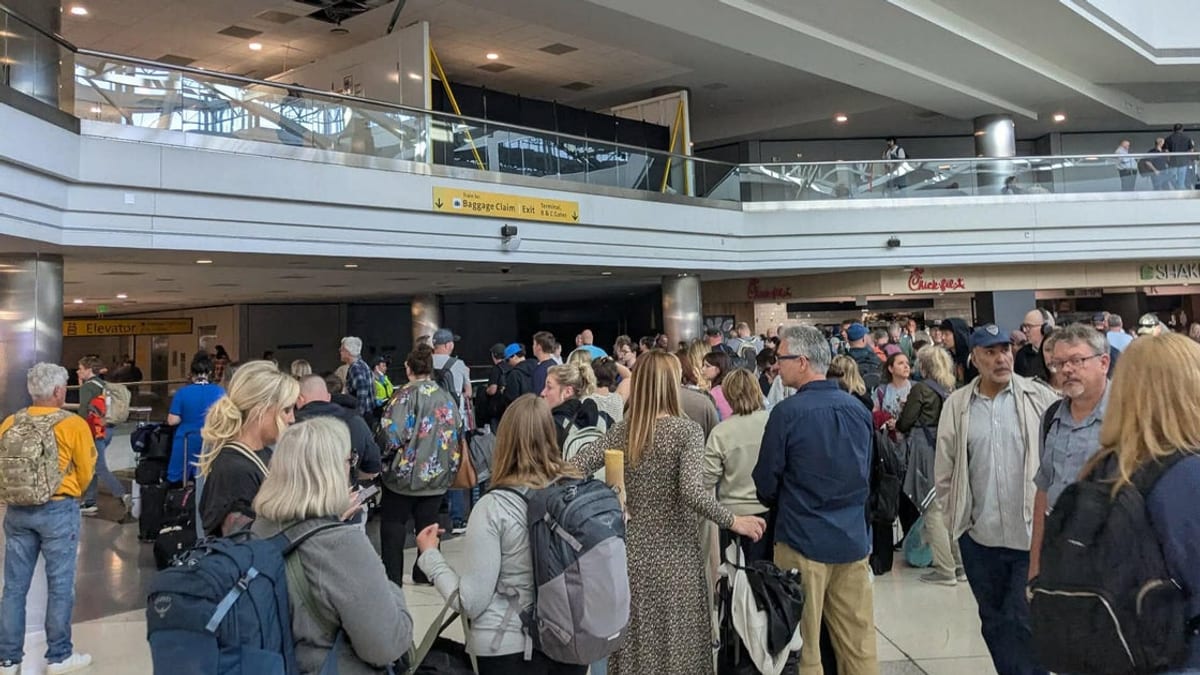
Outage Darkens Terminals and Grounds Flights
The blackout struck Denver International Airport on a busy weekday morning in March, cutting electricity to large sections of the terminal complex and halting normal operations for several hours. Publicly available reports describe concourses operating on limited emergency lighting, with many concessions unable to process transactions and parts of the airport’s train system temporarily unavailable.
The Federal Aviation Administration briefly paused departures as airport systems reset, and ripple effects spread across the national air network. Tracking data and airline updates indicate that hundreds of flights into and out of Denver experienced delays, diversions or cancellations as carriers scrambled to reposition aircraft and crews.
Passengers described long lines, crowded gate areas and confusion over boarding as the airport worked through manual procedures while key digital systems rebooted. With security screening slowed and aircraft turnaround times extended, the disruption continued for much of the day even after power was restored.
By late morning, Denver International Airport reported that electricity had returned and that airlines were gradually resuming normal schedules, though residual delays persisted into the evening as operations recovered from the morning shock.
Xcel Identifies Fault in Substation Infrastructure
In the days following the incident, Xcel Energy conducted an investigation into what it characterized in public materials as an equipment-related failure affecting one of the main electrical feeds serving the airport. According to that information, the problem was traced to a fault within substation infrastructure that interrupted the flow of power to Denver International Airport.
Utility documents and regional outage analyses indicate that Denver International Airport is typically supplied through multiple transmission paths to provide redundancy. During the blackout, however, the airport was operating with reduced flexibility while Xcel performed broader grid work in the area, leaving the facility temporarily more exposed to a single-point failure.
Once the utility isolated the malfunctioning component, crews rerouted power and completed repairs to stabilize the affected circuit. The technical details released so far point toward a localized hardware issue rather than a broader generation shortfall or intentional shutoff event.
Industry observers note that substation failures of this kind can occur suddenly and without visible warning to end users, yet have outsized consequences when they affect high-demand critical infrastructure such as a major hub airport.
Travel Chaos Highlights Vulnerability of Major Hubs
The Denver disruption underscored how deeply modern aviation depends on continuous power, from check-in systems and baggage conveyors to fueling operations and airfield lighting. Even temporary losses of electricity can cascade quickly into missed connections, crew timing conflicts and aircraft out of position across the country.
Operational data compiled in media coverage show that airlines using Denver as a connecting hub faced particular challenges, with aircraft queues building on the ground and limited gate availability compounding delays. Some flights were held at origin airports to avoid adding to congestion, while others diverted to nearby cities to refuel or wait out the outage.
Travelers reported sleeping on floors, missing international connections and struggling to rebook during peak hours, a reminder that airport resilience is now a central element of passenger experience. For visitors connecting to ski resorts and national parks across the Rocky Mountain region, the outage translated into lost vacation time and unexpected lodging expenses.
Analysts point out that as traffic through Denver International Airport continues to grow, the consequences of even short disruptions will intensify unless power reliability keeps pace with demand on both the airside and landside of the operation.
Scrutiny on Xcel and Colorado Grid Reliability
The incident arrives amid heightened attention to Xcel Energy’s reliability record in Colorado, where a mix of winter storms, high-wind events and wildfire-prevention shutoffs have triggered repeated outages in recent years. Public filings and local reporting describe a patchwork of equipment upgrades and wildfire-mitigation measures designed to reduce the risk of catastrophic line failures.
City and state discussions about grid resilience have increasingly focused on how critical facilities such as airports, hospitals and data centers are prioritized and protected during both routine faults and extreme-weather events. The Denver airport blackout is now being cited in those debates as an example of how a single substation failure can swiftly affect a large share of the traveling public.
According to published analyses, Xcel has outlined multi-year investment plans intended to modernize substations, harden lines against wind and ice, and expand the use of advanced protection systems that can isolate problems more quickly. Consumer advocates, meanwhile, continue to question whether the pace of upgrades matches the growth in demand and the potential economic cost of high-profile outages.
The Denver airport event is expected to feature in upcoming regulatory discussions about reliability benchmarks for major infrastructure customers and the appropriate balance between ratepayer costs and accelerated grid reinforcement around key transportation hubs.
Next Steps for Denver International Airport and Travelers
Airport managers are reviewing the blackout as part of a broader resilience assessment that includes both utility-side infrastructure and on-site backup capabilities. Publicly available planning documents suggest a growing emphasis on layered power supplies, including expanded backup generation and energy storage that can bridge short-term disruptions.
Future projects under discussion in the aviation sector more broadly include microgrids dedicated to critical airport functions, additional redundancy in terminal and airfield feeds, and closer coordination with utilities on maintenance schedules that could affect reliability. Denver’s experience is likely to be cited by other large airports examining their own vulnerabilities.
For travelers, the episode serves as another reminder that disruptions can occur even on clear-weather days and at well-equipped modern facilities. Airlines are encouraging passengers to monitor flight status closely, allow extra time for connections through busy hubs and keep essential items such as medications, chargers and a change of clothes in carry-on luggage in case of extended delays.
As Xcel works to complete repairs and longer-term upgrades around Denver, the airport’s March blackout stands as a case study in how quickly a single point of failure in the power grid can disrupt one of the nation’s busiest air crossroads, with consequences felt across the wider travel network.