

The Ionian Islands have long lured travelers with a softer, greener alternative to the sun‑baked Aegean. Among them, Zakynthos, Corfu and Kefalonia stand out as three of Greece’s most compelling choices, each offering a distinct mix of beaches, landscapes, nightlife and culture.
Deciding between them is less a matter of which island is “best” and more about which one best matches your travel style, budget and timing. This guide compares all three in depth so you can confidently choose the Ionian island that feels made for your next trip.
First Impressions: How Each Island Feels
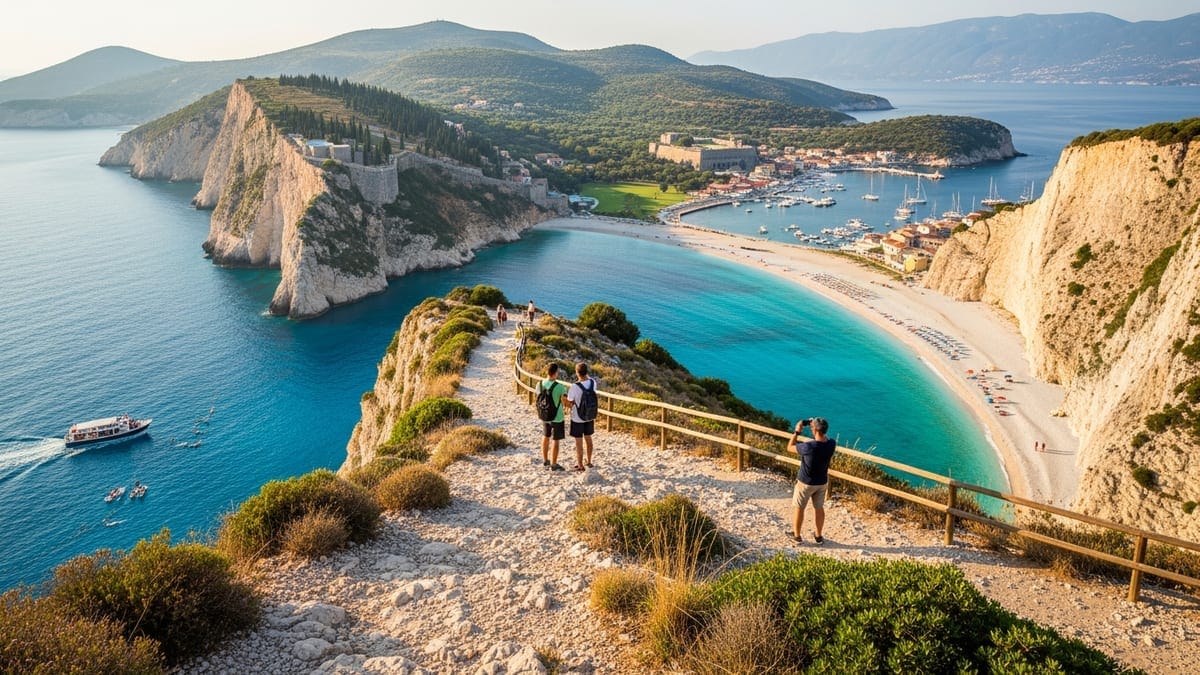
Zakynthos, often marketed under its Italian name Zante, is the smallest of the three and the most instantly dramatic. White limestone cliffs plunge into electric‑blue water, boat trips thread through caves and coves, and the island’s most famous bay, Navagio or Shipwreck Beach, ranks among the most photographed shorelines in the world. Tourism here is highly developed, with lively resorts and a clear split between party hubs and quieter, more nature‑focused corners.
Corfu is different in almost every respect. Larger and more populous, it feels more like a small country than an island. Deep green hills, cypress‑studded ridges and citrus groves frame a coastline of both sandy beaches and pebble coves. Venetian and British influences show up in architecture, cuisine and even in the cricket pitch on the main esplanade of Corfu Town. Its atmosphere is cosmopolitan yet relaxed, appealing to everyone from budget backpackers to luxury travelers.
Kefalonia, the largest of the three, offers perhaps the wildest sense of space. Long, twisting mountain roads link traditional villages, vineyards, pine forests and some of Greece’s most celebrated beaches. It is neither as intensely developed as Zakynthos nor as populated as Corfu. Instead, it feels laid‑back and quietly confident, with a growing reputation for authentic food, rugged hikes and sailing, and an overall slower pace. Recent travel reporting has highlighted Kefalonia as one of the emerging “less crowded but spectacular” Greek islands, which is drawing more attention while it still largely retains its low‑key character.
For first‑time visitors to Greece, Corfu often feels like the safest all‑rounder. For dramatic scenery and a social, beach‑club atmosphere, many lean to Zakynthos. For cinematic landscapes and unhurried exploration, Kefalonia has strong appeal. Your ideal island will reflect which of these moods you most want to wake up in each day.
Beaches and Sea: From Iconic to Underrated
Zakynthos is the name that appears endlessly on social media feeds, and for good reason. The island’s west and north coasts are lined with chalk‑white cliffs and hidden bays. Navagio Beach, nestled in a collapsed limestone cove with an old shipwreck resting in the sand, is the island’s signature image. Access policies here have changed in recent years because of rockfall risks, so visitors should always check the latest local guidance on whether they can land on the sand or view the bay from a boat only. Beyond Navagio, Zakynthos offers long, family‑friendly strands on the south and east coasts, including Kalamaki and Tsilivi, plus the quieter beaches of the Vasilikos Peninsula such as Gerakas and Banana Beach, where clear water and a more relaxed mood prevail.
Corfu’s coastline is more varied than Zakynthos’s and more extensive than Kefalonia’s. To the west, around Paleokastritsa and Glyfada, dramatic headlands shelter coves of translucent water, ideal for snorkeling. Northern spots such as Canal d’Amour and Cape Drastis combine unusual rock formations with cliff‑top viewpoints, while eastern bays near Corfu Town offer calm seas and easy access for travelers who prefer to stay close to urban comforts. Recent beach round‑ups in major newspapers have highlighted how Corfu manages to offer everything from boat‑only coves to long, sandy family beaches on a single island, which makes it particularly attractive for mixed‑interest groups.
Kefalonia’s beaches, meanwhile, have become quietly famous among repeat visitors. Myrtos Beach is often singled out as one of Greece’s most beautiful, an arc of bright white pebbles backed by towering cliffs and fronted by a painterly blend of turquoise and deep blue water. To the north, the village of Assos fronts a double‑sided bay with a gentle, postcard‑ready beach, while the southern coast around Skala and Lourdas provides long stretches of sand and more facilities. On the east, smaller coves near Agia Efimia and Fiscardo attract sailors and swimmers who like calmer seas. Overall, Kefalonia’s beaches feel less crowded than Zakynthos’s hotspots at the height of summer, but still come with plenty of boat trips and water activities.
If you want iconic photos and dramatic cliffs, Zakynthos and Kefalonia both deliver with different levels of buzz versus tranquility. If you prize variety and gentle, swimmable seas around much of the island, Corfu has a slight edge. Families with young children may gravitate to the longer, shallow sandy stretches found on all three islands, but with particularly good options near Corfu’s west coast resorts and Zakynthos’s southern bay.
Nightlife, Food and Atmosphere After Dark
The three islands differ most clearly once the sun goes down. Zakynthos has the liveliest reputation, especially around Laganas, where bars and clubs cater heavily to younger package‑holiday visitors. Music carries into the early hours in summer, drinks deals draw in crowds, and the atmosphere can be boisterous. Other resort areas, such as Tsilivi or Argassi, offer a more low‑key blend of cocktail bars, seafront tavernas and music venues that feel more mixed in age and style, so visitors not seeking the full party strip can easily avoid it by choosing their base carefully.
Corfu’s nightlife is more dispersed and generally more varied. Corfu Town stays busy well into the night with wine bars, rooftop terraces and cafes tucked into its narrow lanes. Resort towns like Kavos in the south have a reputation for high‑energy club scenes, while northern resorts are usually quieter, more focused on tavernas and beach bars. In recent years, new higher‑end all‑inclusive resorts on Corfu have aimed to rebrand the island’s after‑dark experience, focusing more on live music, sophisticated bars and gastronomy than on late‑night partying alone.
Kefalonia offers the calmest nights of the three. Argostoli, the main town, has waterfront cafes and bars that fill in the evening, but the mood is conversational rather than raucous. Seaside villages such as Agia Efimia, Fiscardo and Lixouri are known for relaxed dinners that stretch late into the night, with a few bars staying open but no major clubbing scene. This suits visitors looking for peaceful strolls, stargazing and long conversations over local wine more than those chasing big‑night outings.
On the food front, all three islands share the backbone of Greek cuisine: grilled fish, local olive oil, salads, pies, stews and simple desserts. Kefalonia, in particular, has become well known for hearty meat pies, local cheeses and Robola wine produced on the slopes of Mount Ainos. Corfu’s food reflects its history, with Venetian‑influenced dishes such as pastitsada (slow‑cooked meat in tomato and spice sauce) and sofrito. Zakynthos balances beach‑town standards with pockets of more traditional cooking in hill villages and less‑developed coastal stretches. Travelers who put food at the heart of their trip may find Corfu and Kefalonia slightly more rewarding, but even in the most tourist‑driven parts of Zakynthos, good tavernas are not hard to find with a bit of local advice.
Nature, Culture and Things To Do Beyond the Beach
Zakynthos, while compact, packs in a surprising amount of nature. The island is part of a protected marine park that shelters nesting loggerhead turtles. Boat excursions often focus on both scenery and wildlife, taking visitors to sea caves, the islet of Marathonisi, known as Turtle Island, and various snorkeling spots. Inland, traditional villages such as Volimes and the mountainous north offer views across the Ionian and a glimpse of older island life. That said, Zakynthos is the least known of the three for formal museums and cultural institutions, and most visitors come primarily for sea and sun.
Corfu is arguably the strongest choice for travelers who want a balance of beach, history and culture. Corfu Town is a UNESCO‑listed old town framed by two Venetian fortresses, elegant arcades and pastel facades. Museums cover archaeology, Asian art, and the island’s more recent history, while the neoclassical Achilleion Palace provides another reminder of Corfu’s long‑standing ties to European royalty. Inland, hiking trails cross olive groves and ridgelines with sweeping sea views, while the higher interior villages offer a cooler escape in the peak of summer. Ferries and boat tours link Corfu to the smaller islands of Paxoi and Antipaxoi, adding yet more options for day trips.
Kefalonia stands out for its natural wonders. Beyond beaches, highlights include Melissani Cave, where a collapsed roof lets sunlight flood an underground lake, and Drogarati Cave with its stalactites and cool subterranean chambers. Mount Ainos, rising above the center of the island, is a national park home to fir forests and hiking routes, and the mountain roads themselves offer panoramic vistas. Traditional villages like Assos and the older parts of Fiscardo combine Venetian remnants with colorful facades that survived or were rebuilt after the 1953 earthquake. Sailing, kayaking and vineyard visits further round out a stay, making Kefalonia a strong candidate for travelers who prefer active days and long drives exploring.
If you imagine your ideal day including museums in the morning and a swim in the afternoon, Corfu is hard to beat. If you picture cave visits, mountain drives and remote coves, Kefalonia may be your match. Zakynthos is best suited to those who prioritize boat trips, turtle spotting and relaxed time on accessible beaches, with a few inland excursions rather than a full slate of sightseeing.
Practicalities: Getting There, Getting Around and Budget
All three islands are reachable by air, especially during the European summer, with direct seasonal flights from many cities and year‑round connections from Athens. Corfu and Zakynthos generally see more international flight options than Kefalonia, thanks to their long‑established tourism industries and larger number of resorts catering to package holidays. Travelers starting in the United States often connect through major European hubs or Athens to reach any of the three islands, with flight frequency highest from late spring through early autumn.
By sea, Kefalonia and Zakynthos are well linked to the mainland ports of Kyllini and Patras, with regular ferries in summer that can carry both passengers and vehicles. Kefalonia also has seasonal connections to neighboring islands such as Zakynthos, Lefkada and Ithaca, which makes it convenient for multi‑island itineraries. Corfu is served by ferries from Igoumenitsa on the Greek mainland and from some Italian ports, and also acts as a gateway for boat trips to nearby islets. Travel times and frequencies vary across the year, so checking current schedules is essential if ferries form a core part of your plan.
Once on the islands, car rental is the most flexible option for all three. Corfu’s size and varied coastline make a vehicle particularly useful to reach remote beaches and hill villages, though public buses link Corfu Town with many of the main resorts during high season. Zakynthos is the most compact and easiest to navigate, though its narrow, sometimes steep roads reward cautious driving. Kefalonia’s scale and mountainous interior make distances longer and drives more demanding, but also more scenic. For those reluctant to drive, local buses, taxis and organized excursions can cover key highlights, though with less spontaneity.
In terms of budget, all three islands offer a range from simple rooms to five‑star resorts. Package deals and budget options are especially prevalent on Zakynthos and parts of Corfu, which can keep costs down outside peak weeks. Kefalonia has slightly fewer ultra‑budget choices but offers excellent value in mid‑range family‑run hotels, villas and apartments. Eating out is still relatively affordable across the Ionian Islands, with typical tavern meals remaining modest in price compared with many Western European destinations. Overall, Zakynthos tends to be friendliest to tight budgets and nightlife‑focused trips, Corfu offers the widest spectrum from budget to high luxury, and Kefalonia excels in mid‑range, low‑key comfort.
When To Go, Crowds and Who Each Island Suits Best
The core season for all three islands runs from late May through early October, with July and August the busiest and hottest period. Shoulder months such as June and September often offer the best balance of warm seas, active ferry schedules and slightly fewer crowds. Spring and late autumn can be delightful for walkers and those less concerned with long days on the beach, though some seasonal businesses and routes may be limited.
Zakynthos reaches its peak intensity in high summer, especially around Laganas, Tsilivi and the main resort strips. Travelers seeking a quieter stay on Zakynthos during that period generally look to the Vasilikos Peninsula or smaller inland villages. Corfu has enough size and variation that even in August, you can choose between busy resort beaches and tranquil coves. Corfu Town remains lively for much of the year, with more year‑round residents and services than many Greek islands. Kefalonia tends to feel calmer overall, even in August, though headline sights like Myrtos Beach or Melissani Cave can still draw crowds at midday.
For families with children, all three islands work well. Zakynthos offers flat, sandy beaches and a wide choice of accommodation, but parents who prefer a very quiet environment might favor Kefalonia or the more low‑key parts of Corfu’s north and west coasts. Couples looking for romance and scenery will find compelling options everywhere, though Kefalonia’s combination of vineyards, viewpoints and pastel harbor villages holds particular charm. Solo travelers may appreciate Corfu’s larger towns and networks, which offer more evening options and chances to meet other travelers.
If your priority is non‑stop social life, easy‑access nightlife and iconic viewpoints you can visit on organized tours, Zakynthos may be your natural fit. If you want a broad balance of culture, beaches, nightlife and infrastructure, Corfu is a strong all‑round choice. If you value laid‑back villages, dramatic driving routes and some of Greece’s finest beaches without the most intense crowds, Kefalonia deserves serious consideration.
The Takeaway
Choosing between Zakynthos, Corfu and Kefalonia is less about ranking them and more about matching each island’s personality to your own. Zakynthos is the extrovert of the trio, famous for its showpiece cliffs and coves and its energetic beach towns. Corfu is the cosmopolitan elder, a green island of history, varied shoreline and a busy main town that can anchor a trip year‑round. Kefalonia is the quietly confident sibling, offering expansive scenery, exceptional beaches and an atmosphere that encourages you to slow down.
For travelers who dream of dramatic drone‑shot coastlines, packed beach clubs and easy‑going package‑holiday logistics, Zakynthos is likely to feel “best.” Those seeking a single island that can deliver history, good food, nightlife variety and accessible nature may find Corfu the strongest all‑round bet. Visitors who picture long, scenic drives, nights in harbor‑front tavernas and days that alternate between hiking, caves and unhurried swims will often name Kefalonia as their favorite.
In the end, all three islands share the essential Ionian qualities of clear water, generous hospitality and a softer, greener landscape than much of Greece. Whichever one you choose, the key is to align the island’s strengths with your priorities, travel dates and pace. Do that, and your chosen Ionian island is likely to feel not just “best” on paper, but exactly right in person.
FAQ
Q1: Which island is best for first-time visitors to Greece?
Corfu is often the best starting point, thanks to its mix of beaches, a historic main town, established infrastructure and a wide range of accommodation. It gives a broad introduction to Greek island life without forcing you to choose between nature, nightlife or culture.
Q2: Which island has the best beaches overall?
All three have outstanding beaches, but in different ways. Zakynthos offers some of the most dramatic, especially around its cliffs and coves. Kefalonia combines iconic spots like Myrtos Beach with quieter bays and long sandy stretches. Corfu excels in variety, from west‑coast surfy sands to sheltered coves near town.
Q3: Where should I go if I want lively nightlife?
Zakynthos is the strongest choice for dedicated nightlife, particularly in Laganas, with Corfu’s Kavos resort also offering a well‑known clubbing scene. Kefalonia has bars and late‑opening tavernas but no major club districts, so it suits travelers who prefer sociable evenings rather than all‑night partying.
Q4: Which island is most family-friendly?
All three can work very well for families. Zakynthos has many family‑oriented resorts and shallow sandy beaches, though some areas are very party‑focused. Corfu provides a good mix of calm bays and activities, especially on the west and north coasts. Kefalonia is quietest overall, with relaxed villages and safe swimming, which appeals to families seeking peace.
Q5: Is it easy to visit more than one of these islands on a single trip?
Multi‑island trips are possible, particularly between Kefalonia and Zakynthos, which are linked by seasonal ferries. Corfu sits further north, so combining it with the other two usually involves more travel time or backtracking through the mainland. If island‑hopping is a priority, plan around ferry schedules and allow buffer days for connections.
Q6: Which island is better for travelers on a tight budget?
Zakynthos and parts of Corfu generally offer the widest choice of budget accommodation and package deals, especially outside the peak weeks of July and August. Kefalonia has fewer ultra‑cheap options but still offers good value in mid‑range family hotels and apartments. Eating and drinking are relatively affordable on all three compared with many other European beach destinations.
Q7: Where will I find the most unspoiled nature and quieter landscapes?
Kefalonia usually feels the most unspoiled, with long scenic drives, mountain views, national park trails and villages that retain a strong local character. Zakynthos has beautiful natural areas, particularly in its marine park and remote cliffs, but some resorts are heavily developed. Corfu balances built‑up zones with rural interiors and green hills.
Q8: Which island is easiest to get around without renting a car?
Corfu is the most manageable without a vehicle, thanks to a relatively extensive bus network connecting Corfu Town with many resort areas, along with frequent taxis and organized tours. Zakynthos and Kefalonia both have bus services but with more limited routes and timetables, so a rental car or scooter gives much more flexibility there.
Q9: When is the best time to visit to avoid crowds but still enjoy warm weather?
Late May, June and September are ideal for all three islands. Sea temperatures are pleasant, most businesses and ferry routes are running, and crowds are lower than in July and August. Early October can also be attractive, particularly on Kefalonia and Corfu, if you prefer slightly cooler evenings and a quieter atmosphere.
Q10: If I love history and culture as much as the beach, which island should I choose?
Corfu is the strongest choice for combining cultural sightseeing with beach time. Its UNESCO‑listed old town, fortresses, museums and historical sites give you plenty to explore between swims. Kefalonia and Zakynthos do have historical churches, villages and some archaeological points of interest, but their main appeal leans more toward natural scenery and relaxed coastal life.