

More news on this day
Zanzibar is moving rapidly into the top tier of African tourism destinations, with record-breaking visitor numbers, new infrastructure and a prominent role in the Essence of Africa 2026 trade platform reshaping how global travelers experience the continent.
Get the latest news straight to your inbox!
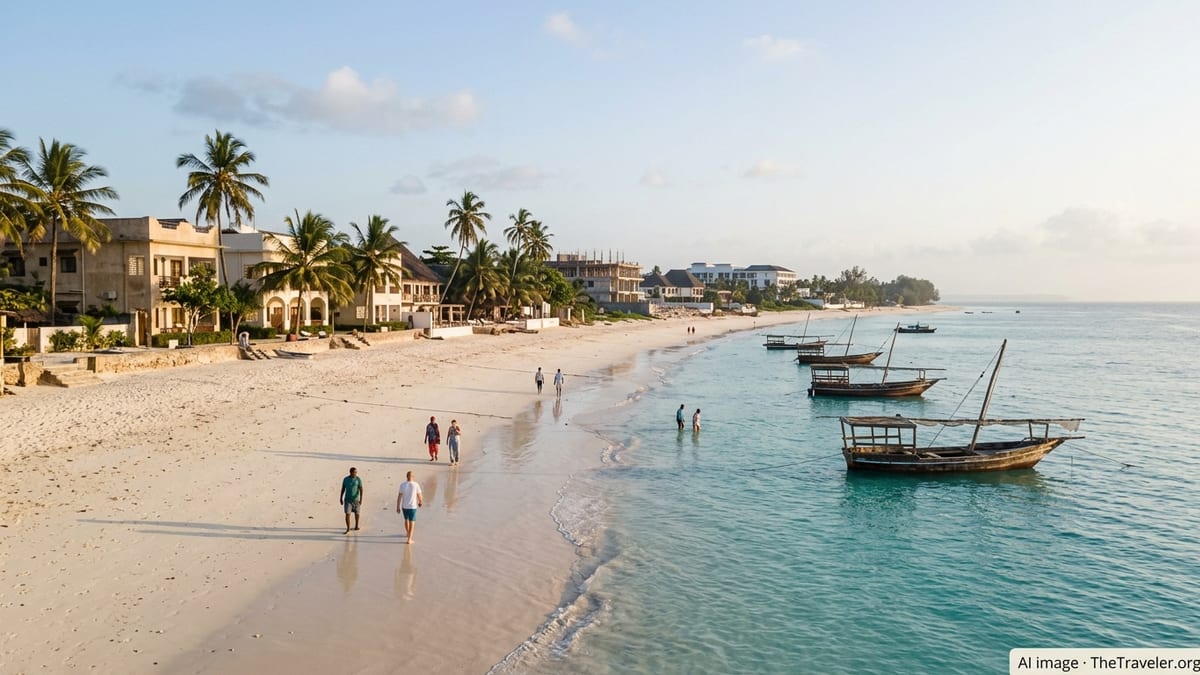
Zanzibar’s Visitor Numbers Surge Toward the One-Million Mark
Recent tourism statistics for Zanzibar point to a sharp and sustained rise in international arrivals, positioning the islands alongside continental leaders such as Morocco, Kenya, Rwanda, Namibia, Mozambique, Ethiopia and Zambia in driving Africa’s broader tourism boom. Publicly available data shows that Zanzibar welcomed more than 730,000 international visitors in 2024, a year-on-year increase of over 15 percent compared with 2023, before leaping again to around 910,000 arrivals in 2025, an annual growth rate of roughly 24 percent.
The trend has continued into 2026. Data cited in regional business coverage indicates that January 2026 alone saw just over 100,000 international arrivals, an increase of close to 20 percent on the previous year. Monthly figures from late 2025 highlight how high season periods are intensifying, with December 2025 surpassing 100,000 visitors and mid-year peaks in July and August exceeding 95,000 arrivals each month.
This trajectory places Zanzibar within reach of the symbolic one-million-visitors threshold on an annual basis, a milestone that a growing number of African destinations are now approaching or surpassing. Morocco, for example, has reported record annual arrivals measured in the tens of millions, while regional hubs such as Kenya and Rwanda continue to expand both leisure and business travel segments. Taken together, these developments underscore how East and North Africa are anchoring the continent’s accelerating recovery and growth in tourism.
Connectivity, Product Diversification and Investment Drive Growth
Several interlocking factors are supporting Zanzibar’s rapid rise. Aviation data reported in regional media points to expanding direct and connecting flight options from Europe, the Middle East and key African markets, including Kenya and South Africa. Gulf carriers, European leisure airlines and regional operators have increased frequencies or added new routes to Zanzibar’s main international airport, reinforcing the islands’ accessibility as both a standalone beach destination and an add-on to mainland safari itineraries.
At the same time, Zanzibar’s tourism offer is diversifying well beyond its established image as a classic Indian Ocean beach escape. Coverage from travel and investment outlets highlights growing interest in heritage and cultural tourism in Stone Town, marine and nature-based experiences around the archipelago, as well as emerging niches such as sports tourism, kite-surfing, diving and meetings and events. This shift aligns with broader African trends, where destinations from Namibia’s desert landscapes to Rwanda’s conservation-led gorilla tourism are marketing a wider spectrum of experiences to international buyers.
Investment is following the demand. Industry reports describe a competitive race among hotel brands, boutique lodge developers and real estate investors to secure sites along Zanzibar’s east and south coasts, driven in part by strong hotel occupancy figures during peak months and expectations of sustained visitor growth. Major infrastructure schemes, including a new passenger and roll-on/roll-off ferry terminal project designed to handle several million passengers annually, are intended to ease congestion, strengthen inter-island and regional connectivity and support the islands’ broader “blue economy” strategy.
Essence of Africa 2026: A Pan-Continental Platform Gains Momentum
Against this backdrop, the Essence of Africa tourism platform is emerging as a key catalyst for channeling global demand toward African destinations, including Zanzibar. Curated by private-sector event organizers and industry associations, Essence of Africa is framed as a trade marketplace that convenes vetted international buyers and a curated selection of African tourism suppliers for scheduled meetings and networking.
According to publicly accessible information from the platform and recent trade coverage, Essence of Africa focuses on high-quality, appointment-based interactions rather than mass exhibition stands, aiming to generate measurable business for participating destinations and companies. Buyers include tour operators, wholesalers and travel advisors with demonstrable interest in selling Africa, while exhibitors span national and regional tourism boards, camps and lodges, hotel groups, DMCs and experience providers.
The 2026 edition is being positioned as a pivotal moment for the platform, reflecting the continent’s tourism rebound and the appetite among global travel intermediaries for new product. Organizers are spotlighting a cross-section of established and emerging destinations, from Morocco’s cultural cities and Atlantic coastline to Namibia’s wilderness lodges, Kenya’s safari-and-beach circuits, Rwanda’s meetings and incentives infrastructure, Mozambique’s Indian Ocean islands and Zambia’s nature and adventure tourism offer. Zanzibar’s rising profile within this mix illustrates how smaller island destinations can leverage such platforms to secure new distribution channels.
What Global Travelers and Trade Partners Should Watch Now
For international travelers, several practical shifts are reshaping how, when and why to visit Zanzibar and its African peers. First, the rapid growth in arrivals means that peak-season travel in July, August and the December festive period is becoming busier, with higher occupancy and stronger pricing. Trade analysts suggest that early booking is becoming more important, while shoulder seasons outside the main holiday months can offer better value and slightly calmer conditions without sacrificing good weather.
Second, intra-African travel is playing a larger role in Zanzibar’s tourism mix, echoing patterns seen in Kenya, Rwanda, Namibia and other markets. Regional leisure travelers are combining short-break beach stays with business, conferences or medical visits, while diaspora communities are increasingly returning for holidays with friends and family. This diversification of source markets tends to support year-round demand and can make services such as regional air links and domestic tourism infrastructure more resilient.
Third, regulatory adjustments and policy tools are reshaping the cost structure of a trip. Coverage from regional outlets has highlighted measures such as the introduction of mandatory travel insurance schemes for foreign visitors in parts of Tanzania, alongside efforts to reduce certain hospitality levies to stimulate investment and keep accommodation rates competitive. Travelers are being advised by industry commentators to review entry requirements and ancillary costs carefully at the planning stage.
For tour operators and travel advisors, Essence of Africa 2026 presents an opportunity to deepen product knowledge and broaden itineraries that link Zanzibar to other African highlights. Beach-and-safari combinations with mainland Tanzania and Kenya remain core products, but the growing popularity of multi-country circuits, including combinations with Rwanda’s high-end wildlife experiences or Namibia’s desert landscapes, reflects a wider shift toward longer, more varied African journeys. The trade show format is designed to facilitate precisely this kind of cross-border itinerary building.
Sustainability, Capacity and Community Impact in the Spotlight
The speed of growth in Zanzibar and other African destinations is also sharpening focus on sustainability and community impact. Commentators in regional media and industry forums increasingly raise questions about how to balance rising visitor numbers with pressure on infrastructure, marine ecosystems, cultural heritage sites and local communities. Concerns span issues such as waste management, water use, informal development along sensitive coastlines and the risk of overcrowding in historic districts.
In response, various public and private stakeholders across Africa are emphasizing commitments to more sustainable models of tourism. Examples include encouraging investments in eco-lodges and lower-impact coastal developments, promoting community-based tourism initiatives that channel a share of revenues back into local livelihoods, and refining standards for environmental management in hotels and tour operations. In Rwanda and Kenya, for instance, conservation-led tourism has become a core part of national branding, while Namibia and Mozambique are foregrounding protected areas and marine reserves in their marketing.
Zanzibar is beginning to position itself within this sustainability narrative, with tourism sector strategies referencing the need to protect coral reefs, maintain the character of Stone Town and integrate tourism planning into broader island development. Trade-focused platforms such as Essence of Africa 2026 are likely to amplify these themes, as international buyers increasingly assess not only price and product, but also the environmental and social credentials of the destinations they sell.
As Africa’s tourism boom accelerates into 2026, Zanzibar’s ascendance illustrates both the opportunities and challenges of rapid growth. For travelers and industry professionals alike, understanding how platforms like Essence of Africa connect the archipelago with a wider continental ecosystem is becoming essential context for planning the next generation of African journeys.