

More news on this day
In the shadow of Brussels’ Palais de Justice, the Marolles district is increasingly drawing attention as a compact urban village where long-time residents, new arrivals and visitors share narrow streets lined with flea stalls, thrift shops and cafes that reflect a distinctly cosmopolitan mix.
Get the latest news straight to your inbox!
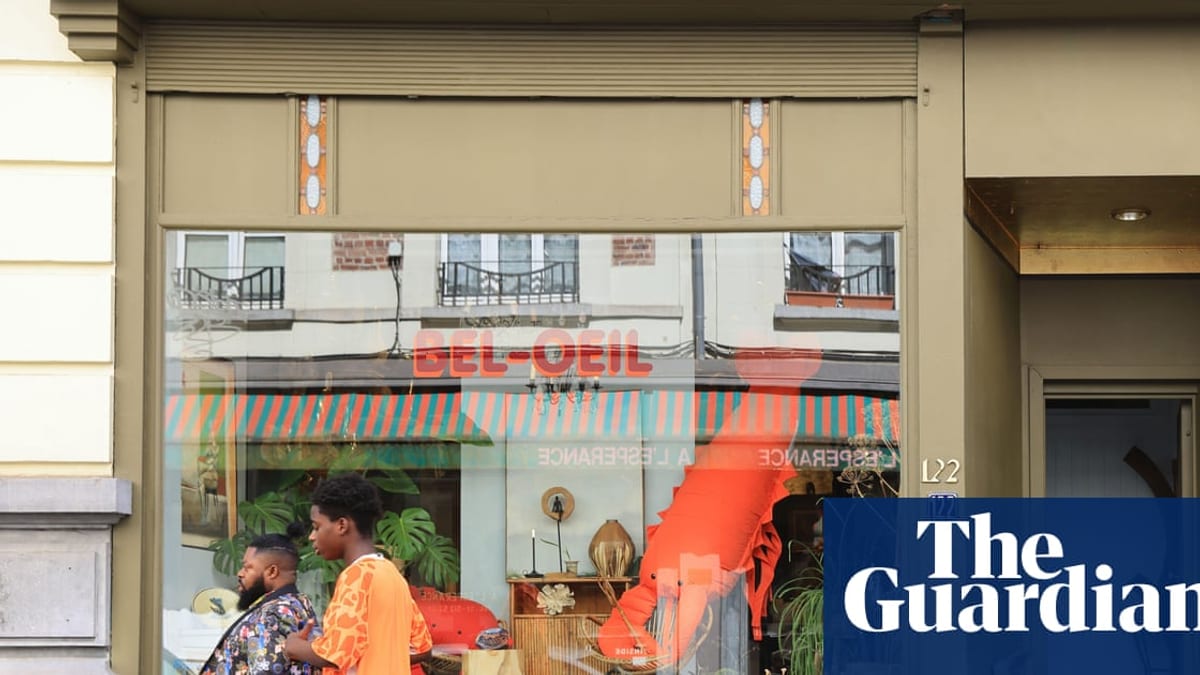
Image by Travel | The Guardian
A Historic Working Class Heartland Beneath the Palais de Justice
Marolles, or Marollen in Dutch, stretches from the monumental Palais de Justice down toward the Church of Our Lady of the Chapel, forming one of Brussels’ oldest and most densely layered neighbourhoods. Publicly available information describes it as a popular, historic quarter whose identity has long been shaped by workers, artisans and migrants who settled close to the city centre.
The neighbourhood’s urban fabric reflects that history. Steep streets, small brick houses and collective housing complexes sit below the elevated Poelaert Square, with a panoramic lift linking the upper and lower city. Reports indicate that this topography has helped preserve a sense of separation from the more formal districts above, reinforcing the area’s reputation as a place with its own rules and rhythms.
Over time, Marolles has become known as a stronghold of local culture, where traces of the traditional Brussels dialect coexist with multiple languages spoken by residents from across Europe, North Africa and beyond. Travel guides and city briefings frequently highlight this blend of tradition and change as central to the district’s appeal.
Urban renewal initiatives have focused on upgrading streets and public spaces without erasing the neighbourhood’s character. The City of Brussels and the Brussels Capital Region have jointly invested in a sustainable district contract for Marolles, allocating multi-year funding for renovations, community projects and social facilities intended to support residents while responding to growing visitor interest.
Jeu de Balle: Daily Market at the Neighbourhood’s Core
At the heart of Marolles lies Place du Jeu de Balle, a rectangular square that hosts a flea market every morning. Historical records show that the Old Market has operated here since the nineteenth century, evolving from a modest trading spot into a citywide reference point for second-hand goods, antiques and everyday household items.
Travel platforms describe the market as a place where professional dealers share space with casual sellers unloading boxes of books, records, textiles and furniture. The mix gives the square a reputation for both bargain hunting and serendipitous discoveries, drawing early-rising collectors as well as tourists in search of atmosphere rather than specific items.
The streets feeding into the square, particularly Rue Haute and Rue Blaes, extend this commercial spine with vintage shops, design studios and traditional cafes. Over recent years, publicly accessible neighborhood profiles note that many of the older second-hand outlets have gradually shifted toward higher-end antiques and design objects, signalling a wider economic transition.
Despite this change, Marolles still positions itself as more accessible than nearby upscale areas. Budget-focused travel guides often recommend the district for visitors seeking central yet comparatively affordable accommodation, citing its walkable connection to the Grand Place and the city’s main museums alongside its daily market life.
A Cosmopolitan Mix of Cultures, Cafes and Community Spaces
Beyond the well-known flea market, Marolles functions as an everyday neighbourhood for a diverse population. Public information from local associations and city guides points to a high share of social housing, migrant households and long-established Brussels families living side by side in the dense blocks around Place du Jeu de Balle.
This diversity is visible in the district’s food and nightlife. Recent guides from Brussels tourism bodies describe streets where traditional Brussels dishes share space with Portuguese taverns, North African snack bars and Latin-inspired venues. Small bars around the market square have gained a following among both locals and visitors, especially in the evenings when stalls are packed away and terraces fill with regulars.
Cultural and community centres, including long-running neighbourhood houses and arts venues, host workshops, performances and youth activities. Programmes highlighted in city communications range from theatre and dance to citizen-led history projects that explore the area’s working class and migrant heritage. These initiatives are often supported by district-level funding tied to the sustainable contract for Marolles, which encourages residents and associations to propose projects that strengthen local life.
International cultural agendas have also touched the neighbourhood. Brussels’ broader efforts to promote reading, comics and public art, documented in cultural policy reports, have translated into murals, book-related events and temporary installations in and around Marolles. Such initiatives aim to reinforce the perception of the quarter as open, creative and welcoming to different audiences.
Gentrification Pressures and the Fight to Stay Local
The same qualities that make Marolles attractive to visitors and new residents have contributed to mounting concerns about affordability and displacement. Coverage in Belgian media over the past year has described cases where groups of tenants organized to buy their buildings after real estate companies placed properties on the market, amid broader complaints about rising rents.
Market data and territorial reviews indicate that housing costs in Brussels have climbed steadily in recent years, with centrally located historic districts such as Marolles facing particular pressure. Observers note that the influx of design shops, galleries and short-term rentals risks accelerating a shift away from the area’s traditional working class base.
Community groups and housing collectives have responded by promoting cooperative ownership models and pushing for stronger protections for vulnerable tenants. Public documents relating to the sustainable district contract highlight parallel efforts to maintain a mix of social, mid-range and private housing, with renovation funds sometimes tied to social objectives.
These tensions play out in everyday debates about how the neighbourhood should evolve. Some commentators portray Marolles as a success story of urban regeneration, pointing to repaired facades, new cultural venues and growing international interest. Others warn that without careful policy choices, the district risks becoming another fashionable enclave that squeezes out the very communities that gave it its identity.
Positioning Marolles as a ‘Village’ in the Capital
In destination marketing, Marolles is increasingly framed as a village within the city, a branding that reflects both its compact scale and its emphasis on neighbourhood life. Official tourism platforms describe it as authentic and welcoming, while budget and design-focused travel sites characterize it as a lively yet relatively affordable alternative to more polished central districts.
City-level cultural reports underscore the importance of such neighbourhoods in Brussels’ international positioning. By highlighting lesser-known quarters alongside headline attractions, the capital aims to distribute visitor flows more evenly and support local economies that depend on small businesses and markets rather than large-scale attractions.
For travellers, this positioning translates into a set of expectations: a place where it is possible to browse early-morning stalls, pause in a corner cafe and walk to major landmarks within minutes, all while experiencing a slice of everyday Brussels life. For residents, the “village” label captures both pride and concern, signalling a close-knit atmosphere that they are keen to preserve as investment and tourism increase.
As Brussels continues to refine its cultural and urban development strategies, Marolles stands as a test case for how a historic, mixed-income neighbourhood can remain friendly and cosmopolitan while managing the twin forces of regeneration and rising demand. The outcome will shape not only the future of this distinct quarter, but also the wider story the city tells about itself as a place where everyone is welcome.