

Few destinations in North America feel as instantly iconic as Niagara Falls. Straddling the border between the United States and Canada, this roaring natural wonder has drawn honeymooners, families and sightseers for more than a century. Yet beyond the postcard views, the region offers a surprising mix of riverside trails, historic power stations, wine country, and neighborhood corners where locals linger over coffee instead of rushing to the next attraction. Whether you are visiting from the U.S. side, the Canadian side or crossing back and forth between the two, these 10 standout experiences will help you see Niagara Falls from every angle, from bucket list thrills to quieter spots that many visitors miss.
1. Gaze at the Falls From Classic Viewpoints on Both Sides
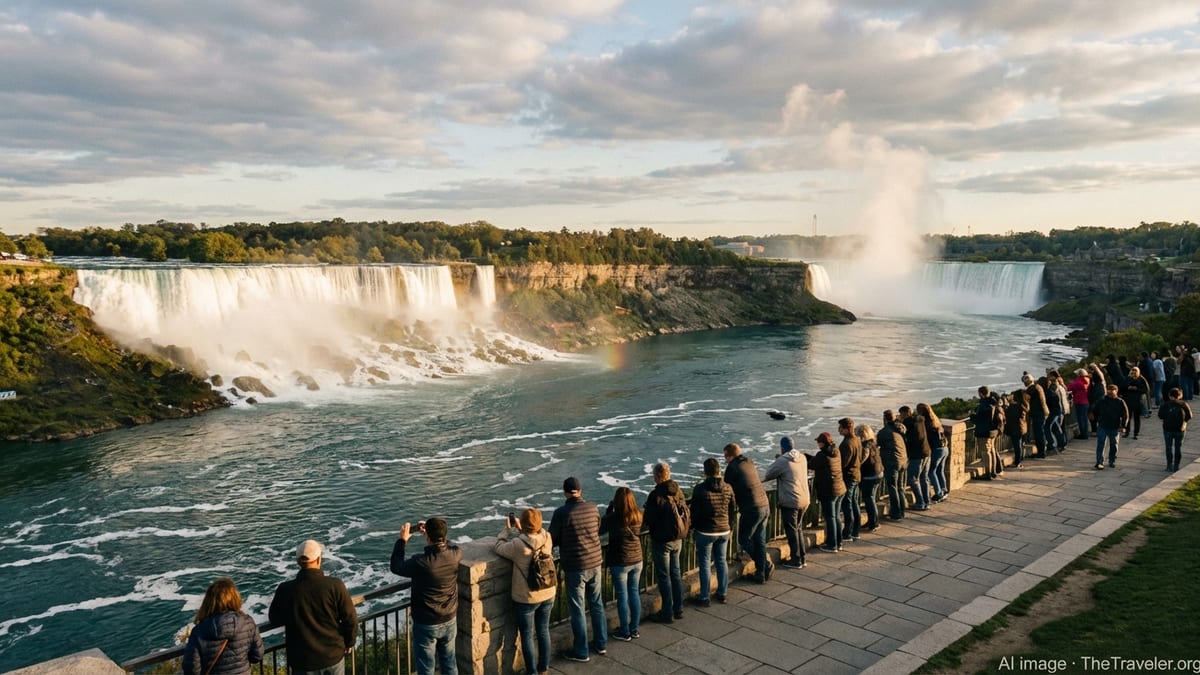
Most visitors begin where the drama is loudest: at the brink of the Horseshoe, American and Bridal Veil Falls. On the U.S. side, Niagara Falls State Park, designed by famed landscape architect Frederick Law Olmsted, offers a succession of lookouts that bring you close enough to feel the mist. Prospect Point, the Observation Tower, and viewing areas around Terrapin Point frame the American and Horseshoe Falls from slightly different angles, rewarding those who take time to wander rather than rush from one railing to the next.
Across the river in Ontario, the long, curving promenade along the Niagara Parkway provides one of the most famous panoramas in North American travel. From Table Rock, just a few steps from the edge of the Horseshoe Falls, you can watch millions of gallons of water pour over the lip each minute in a continuous white curtain. Farther along the parkway, raised viewpoints around Queen Victoria Park reveal the full sweep of the gorge, with the skyline of Niagara Falls, Ontario, behind it. For the best photos in peak season, aim for early morning on clear days when crowds are thinner and backlighting is softer.
To really appreciate the power of the river, step a few paces back from the railings and trace how the water gathers speed. The Niagara River flows from Lake Erie to Lake Ontario, and by the time it reaches the brink it has accelerated into a thundering torrent. You can see this build-up in person along the riverside paths on both shores, where the current churns and froths long before it explodes into mist.
While the views are spectacular year-round, what you see changes with the season. In spring, snowmelt and rain typically swell the river, while in winter, ice formations build up on tree branches and guardrails, turning familiar vistas into a monochrome sculpture garden. Autumn brings color to the surrounding forests and a softer light that makes the water appear a deeper shade of teal.
2. Ride Into the Mist on a Niagara Boat Tour
No experience captures the raw energy of Niagara quite like a boat ride into the heart of the mist. On the U.S. side, Maid of the Mist operates from Niagara Falls State Park, while on the Canadian side, similar voyages depart as Hornblower Niagara City Cruises. Both follow a similar route: gliding past the American and Bridal Veil Falls before nosing into the turbulent basin directly below the Horseshoe Falls.
These tours are typically seasonal, running from spring through late autumn, with exact opening and closing dates shifting slightly each year depending on ice conditions and maintenance schedules. Guests receive a poncho, but you should still expect to get damp. The most intense spray is near the Horseshoe Falls, where wind can change direction in seconds and visibility drops to a surreal white-out. For photographers, consider a waterproof case or simply embrace the fact that this is more about memory than perfect images.
Lines can grow long on weekends and during summer holidays, so arriving earlier in the day often pays off. Online reservations are common practice now, especially in peak season. Families will find the rides accessible and surprisingly gentle despite the roaring water around them; these are not thrill rides in the amusement park sense, but they leave a powerful impression of nature’s scale.
After disembarking, linger near the docks to watch subsequent boats make the same journey. Seeing the small vessels swallowed by mist underscores how vast the amphitheater of the gorge really is, and from shore you can pick out features that may have blurred past during your own ride.
3. Get Close to the Power at Cave of the Winds and Journey Behind the Falls
If the boat tours give you the sense of being inside the cauldron, the cliffside walkways at Cave of the Winds and Journey Behind the Falls show you the raw mechanics of how Niagara carves its way through rock. On the U.S. side, Cave of the Winds begins with an elevator ride down to the base of the gorge on Goat Island. From there, wooden walkways and platforms climb toward the Bridal Veil Falls, bringing you within a few steps of the crashing water. In high season, the Hurricane Deck lives up to its name, with sheets of mist and roaring wind that can soak you head to toe within seconds.
On the Canadian side, Journey Behind the Falls leads through tunnels carved into the bedrock behind the Horseshoe Falls. Listening to the constant pounding of water just a few meters away is as memorable as the views themselves. At the tunnel openings, you look out through portals directly into the falling curtain, while outdoor observation platforms give a side-on perspective of the dense, thundering cascade.
Both attractions are popular and ticketed, and they change character with the seasons. In summer, the focus is on spray-soaked decks and a sense of being enveloped by the falls. In winter, sections of the walkways may close or be rebuilt, but you gain a different bonus: elaborate ice formations formed by frozen mist. Check hours and any seasonal closures shortly before you visit, as conditions can prompt schedule adjustments.
For visitors who may be sensitive to noise or tight spaces, it helps to know that some sections of the tunnels and walkways can feel confined and extremely loud. Ear protection for young children is a sensible precaution, and those who prefer a bit more distance will still find rewarding views from higher, quieter overlooks.
4. Follow the River’s Wild Side Along the Niagara Gorge Trails
Just a short distance downstream from the main viewpoints, the Niagara River shifts from vertical drama to horizontal force. Here, in the gorge north of the falls, the river funnels through a narrowing channel, creating some of the most powerful whitewater in North America. Several trails on both sides of the border allow you to experience this side of Niagara away from the busiest promenades.
On the U.S. side, the Niagara Gorge Trail System links a series of paths that descend from the rim to the river’s edge. Popular options include the Great Gorge Railway Trail and the Whirlpool Rapids Trail, which follow old rail beds and forested slopes to reach sections of the Class 6 rapids. These trails can be uneven and include substantial staircases, so sturdy footwear is more important here than at the paved overlooks near the falls.
Across the river in Ontario, the White Water Walk offers a more accessible way to see the rapids. An elevator and boardwalk bring visitors down to the water level, where you can stroll along the edge of the river and feel the ground tremble beneath your feet as waves hammer the rock walls. Informational panels along the route explain how the gorge formed over thousands of years as the falls migrated upstream.
Because these areas are closer to wild water and rocky terrain, they reward a slower, more observant pace. Look for swirling eddies, rock strata etched with fossils, and birds using the air currents to their advantage. In cooler months, you may find you have long stretches of trail almost to yourself, a striking contrast with the crowds near the main overlooks.
5. Take to the Sky: Aero Cars, Observation Towers and Zip Lines
After experiencing Niagara from below and beside, it is worth seeing the river and gorge from above. Several attractions lift you off the ground for broader perspectives that knit the whole landscape together. On the Canadian side, the historic Whirlpool Aero Car, in operation for over a century and typically open seasonally from spring through autumn, glides over the swirling Niagara Whirlpool. Suspended from cables high above the river, the car crosses a dramatic bend in the gorge where the current makes a nearly right-angle turn, creating a huge, swirling basin of water.
Closer to the falls, the Skylon Tower in Niagara Falls, Ontario, rises high above Queen Victoria Park, with indoor and outdoor observation decks that showcase a full panorama of the Horseshoe, American and Bridal Veil Falls, as well as the wider Niagara region. On the U.S. side, the Prospect Point Observation Tower extends over the gorge from Niagara Falls State Park, offering a unique head-on view of the American Falls and a bird’s-eye vantage over the boat tours below.
For those seeking an added rush, commercial zip line operations on the Canadian side send riders gliding toward the falls, suspended over the lower gorge. These experiences emphasize views and mild adrenaline rather than extreme speed. They are typically open seasonally in good weather, with weight and age limits that are clearly posted.
Regardless of which elevated experience you choose, timing can dramatically change what you see. On clear afternoons, the mist often forms vivid rainbows below you, while in the evening the same viewpoints reveal the illumination of the falls and, during scheduled periods across much of the year, nightly fireworks displays at 10 p.m. or seasonal winter showtimes. Fireworks dates and illumination times can shift annually, so consult current schedules shortly before your trip and be prepared for last-minute changes when weather intervenes.
6. Discover Quieter Corners: Islands, Parks and Local Neighborhoods
It is easy to assume that Niagara Falls is all neon and noise, particularly if you arrive via busy Clifton Hill or downtown Niagara Falls, New York. Yet some of the most rewarding hours you can spend here are in quieter corners just beyond the main viewpoints. On the U.S. side, Goat Island, Green Island and Three Sisters Islands form a chain of parkland in the middle of the river, connected by footpaths and small bridges. Here, the river is fast and shallow, spreading out over rocky shelves before it plunges over the brink. Short walking loops offer views of rushing water framed by trees rather than souvenir stands.
On the Canadian side, Queen Victoria Park often feels calm early in the morning and at the shoulder hours just after sunrise and just before sunset. Well-tended gardens, mature trees and benches line the pathways, and in spring and summer you can wander through beds of tulips, roses and seasonal blooms set against the constant roar of the falls. Farther along the parkway, Dufferin Islands offers a chain of small, wooded islets connected by footbridges. This is a favorite spot for birdwatching and leisurely strolls, and in winter it forms part of the illumination route for the region’s major light festivals.
To get a feel for the area beyond the park boundaries, leave a few hours for local neighborhoods in either Niagara Falls, Ontario, or Niagara Falls, New York. Side streets away from the primary tourist corridors reveal small cafes, family-run restaurants and independent shops that serve residents as much as visitors. While offerings change frequently, asking hotel staff, park rangers or servers where they like to go on their own time is often the quickest way to stumble into a more authentic slice of Niagara life.
These quieter spaces are also where you can reset during a busy day, especially if you are traveling with children or older relatives. Grassy lawns, shaded benches and slower rhythms give everyone a chance to recharge before diving back into the crowds around the main viewpoints and attractions.
7. Explore Niagara’s Heritage: Power Stations, History and Wine Country
Behind the spectacle of crashing water lies a long history of engineering, innovation and cross-border cooperation. The energy of the Niagara River has attracted inventors and industrialists since the late 19th century, and several historic sites now invite visitors to see how that power has been harnessed. On the Canadian side, the restored Niagara Parks Power Station offers exhibits on early hydroelectric generation, with interactive displays, preserved machinery and, in the evenings, multimedia shows that animate the building’s past. A tunnel from the station leads to a riverside platform that frames the lower falls from a distinctive angle.
In Niagara Falls, New York, the Niagara Power Project and associated visitor centers interpret the story of large-scale hydroelectric development on the U.S. side. Exhibits typically highlight how the river’s energy is converted into electricity that helps power homes and industry across the region, and they place the falls within a broader narrative of renewable energy and environmental management. Together, these sites show that Niagara is not only a scenic wonder but also a working landscape that supports millions of people.
Beyond the immediate vicinity of the gorge, the broader Niagara region is also known for its vineyards and orchards, especially on the Canadian side around Niagara-on-the-Lake and along the Niagara Peninsula. While specific wineries and tasting rooms come and go, what remains constant is the gentle microclimate created by the Great Lakes and the escarpment, which favors grapes, stone fruits and berries. Many visitors pair a day at the falls with an afternoon touring wineries or farm stands, turning their trip into a more rounded regional escape.
Historical sites scattered through the area, including old forts and preserved 19th-century towns, add further context. While they may not have the instant visual impact of the falls, these quieter heritage stops help explain how this section of the border evolved from a strategic frontier into one of the continent’s most visited shared landmarks.
8. Experience Niagara After Dark: Illumination, Fireworks and Winter Lights
As daylight fades, Niagara Falls transforms into a different kind of spectacle. Every evening of the year, powerful LED systems on the Canadian side bathe the American, Bridal Veil and Horseshoe Falls in shifting colors. Seasonal illumination schedules, set by the Niagara Falls Illumination Board, determine when the lights turn on and off. For 2025 and 2026, published calendars indicate start times ranging from late afternoon in midwinter to later in the evening at the height of summer, with the displays typically continuing until around 1 or 2 a.m. depending on the month.
During much of the warmer season, usually from mid-May to mid-October, the skies above the falls erupt with nightly fireworks at set times, most recently advertised at 10 p.m. These short but intense shows are visible from many points along the Niagara Parkway, Queen Victoria Park and Niagara Falls State Park. In winter, especially during the annual Winter Festival of Lights, additional fireworks dates are scheduled, often concentrated on weekends and over the year-end holidays, with shows generally starting around 8 p.m. All displays are weather dependent and can be adjusted or canceled on short notice if winds are too strong.
In Ontario, the Winter Festival of Lights has grown into Canada’s largest outdoor light festival, typically running from mid-November into early January. Recent editions have featured more than three million lights along an eight-kilometer route that includes Dufferin Islands, the Niagara Parkway and surrounding districts. The falls themselves become part of the show, with themed illumination sequences and laser effects that turn the mist into a shifting canvas. For many locals, an evening drive or stroll through these displays has become an annual tradition.
To make the most of Niagara after dark, plan your vantage point in advance. Some visitors choose Fallsview hotel rooms or restaurant tables that look directly toward the gorge, while others prefer to be out in the open air at waterfront parks. Arrive at least 20 to 30 minutes before scheduled fireworks or special light shows to secure a comfortable spot, especially on weekends and holidays. Even on cooler nights, the combination of illuminated mist, rumbling water and sky-wide bursts of color makes lingering worthwhile.
9. Seek Out Hidden Spots and Lesser-Known Experiences
Even in a place as heavily visited as Niagara Falls, it is still possible to find pockets of calm and lesser-known vantage points. Some of these are simply a matter of timing: visiting major overlooks at sunrise, just after a rain shower or in the shoulder seasons of early spring and late autumn often results in thinner crowds and more space along the railings. Mist can be especially dramatic on cool mornings, when it rises in dense clouds that catch the first sunlight.
Other hidden gems require a short detour. Downstream parks and overlooks along both the Niagara Parkway in Ontario and the Robert Moses Parkway corridor in New York reveal sections of the river where you can watch the current surge without the constant roar of the main cataracts. Small municipal parks, riverside fishing spots and quiet picnic areas rarely appear on glossy brochures but can provide memorable, low-key moments with the river.
On the Canadian side, look for stairways and side paths that drop from the main promenade to lower viewing platforms tucked closer to the waterline. These spots often feel more intimate, with fewer people and a different acoustic character as the sound of the falls mixes with rustling trees and lapping waves. On the U.S. side, short spur trails off Goat Island and along the gorge lead to benches and clearings where you can sit and watch the water accelerate toward the brink.
For an even more behind-the-scenes perspective, keep an eye on seasonal programming such as guided walks with park naturalists, photography workshops or history-themed tours. These offerings change from year to year, but they tend to highlight aspects of Niagara that casual visitors miss, from local geology to bird migration patterns. Checking official park and tourism calendars before your trip can reveal opportunities that transform a simple sightseeing day into a richer, more personal experience.
10. Practical Tips for a Smooth Niagara Falls Visit
Niagara Falls is one of those rare destinations that accommodate almost any travel style, from quick roadside detours to multi-day vacations. A bit of planning, though, can make the difference between a rushed checklist and a relaxed, immersive visit. First, consider the seasons: summer brings long days, warm temperatures and the most complete set of attractions, but also the densest crowds and highest hotel rates. Spring and autumn often offer milder weather, beautiful foliage or blossoms, and slightly fewer visitors. Winter can be cold and icy, yet it delivers unique scenery, quieter paths and special light festivals.
Because Niagara straddles an international border, many visitors cross between the U.S. and Canadian sides during their stay. If you plan to do so, ensure you carry appropriate identification and check current border crossing guidelines, which can change periodically. Bridges can experience delays at peak times, especially on holiday weekends. Walking across the Rainbow Bridge is a popular option for those staying near the gorge, as it combines border formalities with one of the best elevated views of the falls and river.
Budgeting time is as important as budgeting money. Even if you only have a single day, it is worth prioritizing two or three core experiences rather than trying to do everything. A typical first-time itinerary might include one major viewpoint session, a boat tour, and either a behind-the-falls or power-station visit, followed by evening illumination. Additional days allow you to add hiking, wine country excursions, or more leisurely exploration of parks and neighborhoods.
Finally, prepare for the elements. The combination of mist, wind and changing temperatures near the falls can make it feel cooler than forecast, particularly in spring and autumn. Waterproof layers, comfortable walking shoes and a small bag to protect electronics are sensible basics. With these practicalities in place, you can focus less on logistics and more on the rare privilege of standing at the edge of one of the world’s great waterfalls.
The Takeaway
Niagara Falls is far more than a single viewpoint or a quick stop on a road trip. It is a layered landscape where raw natural power, human engineering and cross-border culture meet. The classic images of roaring water and mist-shrouded boats are only the beginning. Venture along the gorge trails, linger on quiet islands, look back at the falls from historic power stations, and stay after dark to see the river transformed by light and fireworks.
Whether you arrive for a first glimpse or a return visit, approaching Niagara with curiosity and a bit of unhurried time will reward you with experiences that go beyond the obvious. From iconic attractions to hidden spots that feel almost private, the region invites you to slow down, listen to the constant thunder, and let the river’s energy define the rhythm of your trip.
FAQ
Q1. Do I need to visit both the U.S. and Canadian sides to experience Niagara Falls?
Visiting both sides offers the fullest picture, since each provides different angles and attractions, but you can still have a satisfying trip staying entirely on one side.
Q2. When is the best time of year to see Niagara Falls?
Late spring through early autumn offers the widest range of open attractions and boat tours, while winter delivers dramatic ice formations and quieter viewpoints.
Q3. Are boat tours like Maid of the Mist and Hornblower suitable for young children?
Yes, these rides are generally gentle and family friendly, though they are loud and very wet near the falls, so ponchos and secure footing for kids are important.
Q4. How long should I plan to stay in Niagara Falls?
A full day covers key viewpoints and one or two marquee attractions, while two or three days allow time for trails, power stations, wine country and evening light shows.
Q5. Do I need advance tickets for major attractions?
Advance tickets or timed reservations are strongly recommended in peak season for popular experiences such as boat tours, Cave of the Winds, Journey Behind the Falls and certain towers.
Q6. Is Niagara Falls accessible for visitors with limited mobility?
Many main viewpoints, promenades and some attractions have paved paths, ramps and elevators, though certain gorge trails and older structures involve stairs or uneven terrain.
Q7. Can I walk across the border between the U.S. and Canada at Niagara?
Yes, pedestrians can cross at the Rainbow Bridge with appropriate identification, but you must complete normal border formalities and be prepared for possible wait times.
Q8. Are there good places to escape the crowds near the falls?
Quieter options include Goat Island and Three Sisters Islands on the U.S. side, Dufferin Islands and downstream parks on the Canadian side, and local neighborhoods away from main strips.
Q9. What should I wear when visiting Niagara Falls?
Comfortable walking shoes and layered clothing work best, along with a light waterproof jacket or poncho, since mist and wind can make it feel cooler and wetter than expected.
Q10. Is it worth staying overnight instead of making a day trip?
Staying overnight lets you experience both daytime views and nighttime illumination or fireworks, and it gives you more flexibility to enjoy trails, museums and quieter hours at the falls.