

Florida rewards visitors who prepare. Between sudden storms, heavy traffic, powerful sun and complex toll roads, the Sunshine State can surprise even seasoned travelers. Understanding a few common pitfalls before you go can mean the difference between a stressful vacation and a smooth, sun-soaked escape.
Arriving at the Wrong Time of Year
Many first-time visitors assume Florida is a year-round destination with identical weather every month. In reality, timing shapes almost everything about your experience: crowds, prices, humidity, storms and even water clarity. Winter and early spring often bring milder temperatures and lower humidity, especially in North Florida and the Panhandle. Late spring and summer, by contrast, can feel intensely hot and humid, with heat index values that regularly climb well above the actual temperature.
Another factor visitors underestimate is hurricane season, which officially runs from June 1 to November 30. While most trips pass without major disruption, an active storm in the Gulf or Atlantic can bring days of heavy rain, rip currents and flight delays far beyond the immediate impact zone. Planning a beach holiday in late summer or early fall without monitoring forecasts can lead to disappointment when beaches close due to unsafe surf or frequent lightning.
High season also varies across the state. South Florida and the Keys are busiest from roughly December through March, as visitors fleeing colder climates push up hotel rates and restaurant waits. In Orlando, major school holidays and summer vacation weeks tend to draw the biggest crowds. If your schedule is flexible, shoulder periods such as late April, early May, October and early December often combine more manageable prices with reasonably good weather, though you should remain aware of late-season storms.
To avoid this timing mistake, match your destination to your priorities. If you want cooler weather for theme parks, consider late winter or early spring weekdays. For quiet Panhandle beaches with clearer Gulf water and fewer families, mid to late winter can be appealing. If you must travel in peak summer, build in rest time during the hottest midafternoon hours and ensure your accommodation has reliable air conditioning and shade.
Underestimating Florida’s Heat, Sun and Storms
The term “Sunshine State” can sound inviting, but many visitors underestimate how intense Florida’s heat and sun exposure can be, especially from late spring through early fall. High humidity reduces the body’s ability to cool itself, so temperatures in the low 90s Fahrenheit can feel significantly hotter. Prolonged sightseeing or theme park days without frequent shade, water and rest breaks can quickly tip into heat exhaustion, particularly for children and older adults.
Ultraviolet radiation is strong even on hazy days, and short unprotected exposures add up fast. Visitors often apply sunscreen once at breakfast and then forget to reapply after swimming, sweating or several hours outdoors. The result is a severe sunburn on day one that makes the rest of the trip uncomfortable. Lightweight, long-sleeved clothing, wide-brimmed hats, sunglasses with UV protection and regular sunscreen reapplication are simple measures that make a large difference over a week-long stay.
Florida is also one of the most lightning-prone states in the country, and intense but brief afternoon thunderstorms are common, particularly in summer. Many visitors assume they can continue swimming or playing on open beaches or golf courses as clouds roll in, not realizing that lightning can strike miles from the storm core. Outdoor attractions will often pause or close certain activities when lightning is detected nearby, and heeding those warnings is essential for safety. Plan your day so that indoor activities naturally fall in the mid to late afternoon window when storms are most likely.
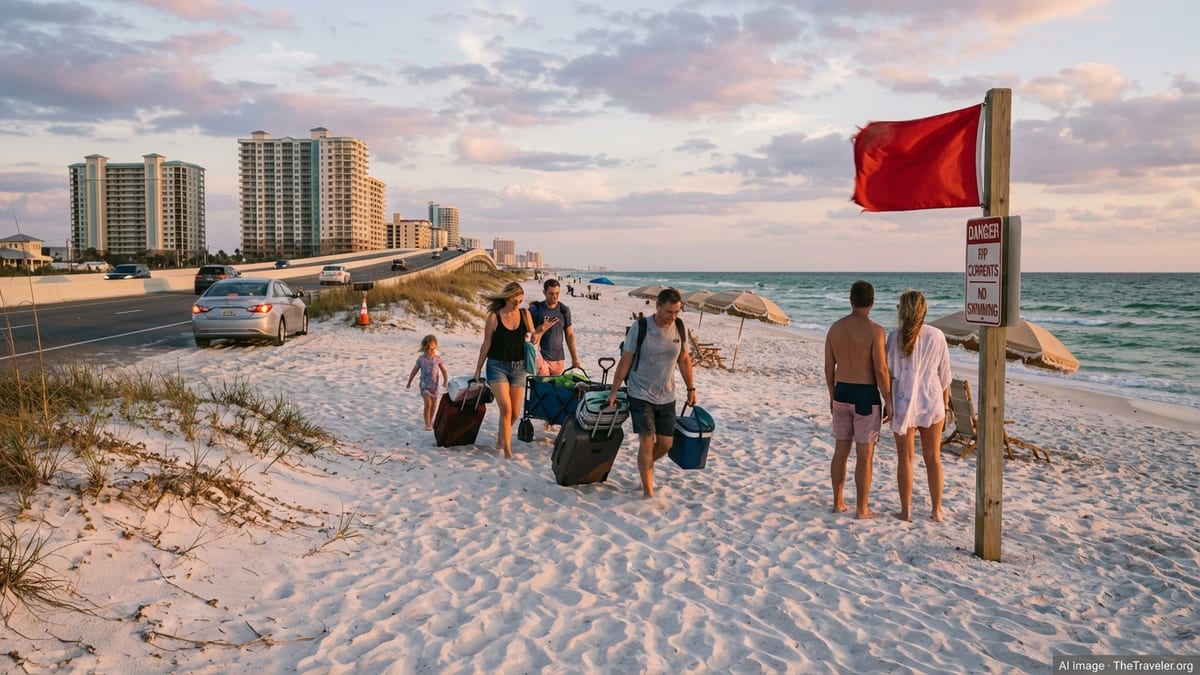
Finally, coastal conditions can change quickly even under clear skies. Strong rip currents sometimes accompany distant storms far offshore, prompting local lifeguards to post red or double-red flags and close water access. Ignoring those warnings or swimming at unguarded beaches when surf is rough can be dangerous. Before heading out, check local beach conditions, look for flag systems indicating risk levels and talk with lifeguards about where it is safest to swim that day.
Mismanaging Transportation, Tolls and Distances
On a map, Florida can look compact enough that visitors assume cities and attractions are close together. In reality, the state is long and distances are deceptive. Driving from the Panhandle to the Keys can take most of a day, and even trips between major hubs like Orlando, Tampa, Miami and Naples may involve multiple hours on busy interstates or toll roads. Underestimating those distances leads to tightly packed itineraries that leave little room for traffic, rest stops or sudden thunderstorms that slow travel.
Toll roads are another frequent surprise. Many major routes around Orlando, Tampa and South Florida incorporate electronic tolling, and some use systems without cash booths. Drivers in rental cars often encounter cameras that photograph license plates and bill the toll later through the rental agency, usually with added administrative fees. This catches many visitors off guard when they see unexpected charges weeks after returning home.
Several electronic toll programs operate in Florida, including systems that let drivers use a prepaid transponder or link a rental vehicle’s license plate to an account. Visitors who do not wish to rely on a rental car company’s toll package, which can be significantly more expensive than the tolls themselves, should research options before arrival. Bringing a compatible transponder from home or setting up a local prepaid account can reduce surprises, but it requires understanding how to add and remove rental license plates and how long transactions can take to appear.
Public transportation is limited outside a few urban centers, and ride-hailing costs can add up quickly if you are staying far from main attractions or beaches. Choosing a hotel purely on room rate without considering access to highways, parking costs, or walkability can lead to long daily drives and parking frustrations. When planning, map your key activities and estimate actual drive times at typical traffic hours. Building in buffer time between reservations and avoiding back-and-forth trips across large regions of the state will make travel days far less stressful.
Overpacking the Itinerary and Underestimating Recovery Time
Florida offers so many attractions that visitors often cram far too much into each day. A common mistake involves back-to-back full days at major theme parks, followed by long drives to coastal towns, early-morning excursions and late-night entertainment. In heat and humidity, this pace quickly becomes exhausting. Children may become overtired, and adults may not realize how drained they are until tempers shorten and small setbacks feel overwhelming.
Large attractions in Central Florida require substantial walking, queuing and time outdoors, even when you plan carefully. A single park day can easily add up to many miles on foot. Adding evening shows, fireworks, or long dinners afterward cuts into sleep, making early wakes for the next day harder. Without scheduled rest time, the trip can begin to feel like a marathon rather than a vacation.
The same applies to coastal and nature-focused itineraries. Boat tours, snorkeling trips, kayaking excursions and fishing charters often depart early in the morning to take advantage of calm conditions and cooler temperatures. If you arrive after a late drive the night before, you may not enjoy those experiences as much as you hoped. Beach days without breaks in shade or cool indoor spaces can also sap energy quickly, especially for travelers unaccustomed to strong sun.
To avoid this mistake, plan alternating high-activity and lower-activity days whenever possible. Follow a long theme park day with a slower morning around the pool or a relaxed brunch. Choose accommodations that feel comfortable enough to spend time in, with seating, ventilation and amenities that encourage midday breaks. Accept that you may not see everything in one visit and prioritize a handful of experiences you care about most instead of aiming to cover the entire state in a single trip.
Ignoring Local Safety Guidance on Water, Wildlife and Neighborhoods
Florida’s natural environment is a major part of its appeal, but misunderstanding local safety norms can cause avoidable problems. On the coast, flag systems at lifeguarded beaches communicate conditions ranging from calm to dangerous. Many visitors either do not notice these signs or misinterpret them, entering the water when currents are strong or surf is rough. In addition to rip currents, sudden drop-offs, changing sandbars and powerful waves around piers or inlets can challenge even strong swimmers.
Inland, freshwater canals, ponds and lakes are common in residential areas, parks and golf courses. Alligators can occupy many of these waters, even if you do not see them immediately. Feeding wildlife, approaching for photographs or allowing children or pets to play close to the edge of murky water is strongly discouraged. Similarly, manatees, dolphins and sea turtles may be visible in coastal waters. Interacting too closely can be harmful to the animals and is often against local regulations. Respecting distance, obeying posted rules and choosing reputable tour operators helps protect both visitors and wildlife.
Florida’s cities and towns, like those anywhere, include neighborhoods that are primarily residential and less suited to late-night strolling by visitors unfamiliar with the area. Booking a rental based solely on photos without considering surroundings or checking how you will move safely between lodging and nightlife can leave you feeling isolated once the sun sets. As in any destination, moderate situational awareness, securing your vehicle and belongings, and following local advice about safer areas after dark are important.
Another overlooked aspect of safety involves storms and flooding. Heavy rains can quickly overwhelm drainage in low-lying areas, creating standing water on roads. It can be tempting to drive through shallow-looking water to maintain your schedule, but depth and road conditions underneath are hard to judge. Waiting for water to recede or choosing an alternate route is often the safer option, even if it delays your plans.
The Takeaway
Florida remains one of the world’s most popular destinations for good reason: diverse beaches, vibrant cities, abundant wildlife and some of the most famous theme parks on the planet. Avoiding a handful of common mistakes can dramatically improve your experience. Choosing your travel dates with weather and crowds in mind, respecting the power of the state’s sun and storms, understanding how transportation and tolls work, pacing your days realistically and following local safety guidance will help you enjoy more of what you came for.
With a bit of planning and flexibility, you can trade avoidable hassles for memorable sunsets, relaxed mornings and the satisfaction of feeling prepared rather than surprised. Florida will still deliver its share of spontaneity in the form of dolphins offshore, an unexpected neighborhood cafe or a sudden rainbow after a passing storm. Arrive informed, stay observant and you are far more likely to leave with stories you want to retell.
FAQ
Q1. What is the best month to visit Florida to avoid both storms and big crowds?
There is no perfect guarantee, but many travelers find late April, early May and early December balance relatively mild weather with lighter crowds in much of the state.
Q2. Do I really need travel insurance for a Florida trip?
Insurance is optional, but it can be useful, especially if you are traveling during hurricane season or have nonrefundable flights, cruises or theme park packages.
Q3. How strong is the sun in Florida compared with northern states?
The sun angle is higher for more of the year and humidity keeps skin warmer, so unprotected exposure can lead to sunburn faster than many visitors expect, even on hazy days.
Q4. Are rental car toll packages worth buying?
They can be convenient for heavy toll users, but daily fees often exceed the tolls themselves. If you expect limited toll use, a personal transponder or paying as you go may cost less.
Q5. Is it safe to swim at any Florida beach if the water looks calm?
Not always. Invisible rip currents and changing sandbars can exist even on seemingly calm days. Always check beach flags and follow lifeguard instructions before entering the water.
Q6. How many theme park days in a row are realistic with children?
This varies by family, but many visitors find that two consecutive park days followed by a lighter day for rest or pool time keeps energy and morale much higher.
Q7. Can I rely on public transportation instead of renting a car?
In limited areas like parts of Miami, Orlando and Tampa you can combine ride-hailing and local transit, but across much of Florida a rental car remains the most practical option.
Q8. Are summer afternoon thunderstorms dangerous or just inconvenient?
They are both. Lightning, strong wind and sudden downpours pose real risks. Plan to move indoors when storms approach rather than trying to continue outdoor activities.
Q9. Is it safe to walk near ponds or canals in residential neighborhoods?
Use caution and keep children and pets back from the water’s edge. Alligators and other wildlife may be present even if you do not see them immediately.
Q10. How far in advance should I book accommodations for peak periods?
For popular holidays, winter in South Florida and major events, booking several months ahead is wise, especially if you want specific room types or waterfront locations.