

Italy remains one of the world’s most beloved destinations, but traveling there on autopilot can quickly turn a dream trip into a string of minor crises and unexpected fines. In recent years, Italian cities and resort towns have tightened rules, introduced new fees and pushed back against inconsiderate visitor behavior. Understanding how the country actually works today, rather than relying on outdated advice or social media snippets, is the key to moving through Italy smoothly and respectfully. These are seven of the most common mistakes tourists still make in Italy, along with practical ways to avoid them.
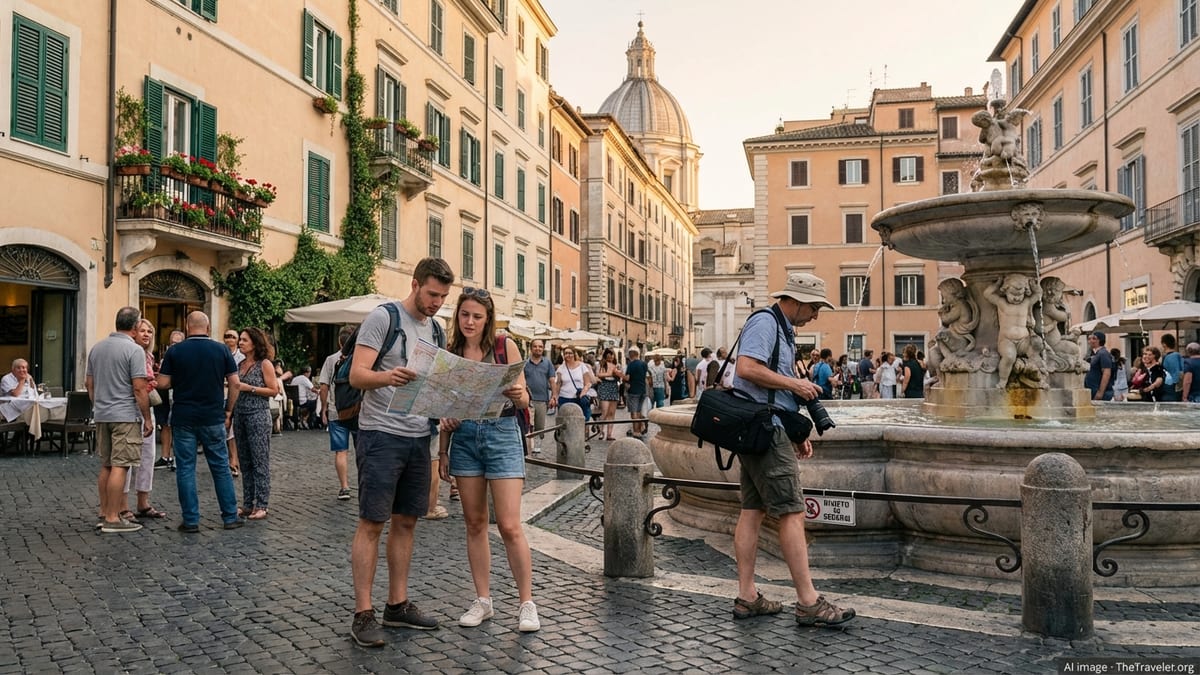
Ignoring New Tourist Rules, Fees and Fines
Across Italy, local authorities are responding to overtourism with an expanding patchwork of rules, entry fees and behavior bans. Visitors who arrive without doing basic homework often discover these changes only when they are stopped by police, turned away from a monument or presented with an on-the-spot fine. Venice, for example, now charges many day-trippers a variable entry fee on peak days and can fine those who have not pre-paid. This comes on top of long-standing bans on activities such as swimming in canals or using loudspeakers in the historic center. Similar measures are appearing in other hotspots, from selfie restrictions and no-waiting zones on the Ligurian coast to rules against walking around town in beachwear in some seaside resorts.
Rome and other major cities have also tightened crowd management around their most famous sites. Visitor caps at the Colosseum and Pompeii, pre-booking requirements at certain archaeological parks, and pilot schemes such as the new paid access around the Trevi Fountain at peak times are all designed to keep numbers under control. Tourists who simply “show up” at midday in high season, without tickets or awareness of these limits, are more likely to face long queues, refusals at the gate or surcharges that eat into their budget. A small amount of pre-trip research into local regulations and booking systems can save both time and money.
Another frequent oversight is assuming that what is legal or tolerated in one Italian town will be the same everywhere. In reality, rules are decided at regional and municipal level. A behavior that is acceptable on a relaxed lakefront promenade might be fined on an overburdened beach or in a historic city square. Drinking in public, using portable speakers, sitting on monument steps, or eating messy takeaway food in front of landmarks are all increasingly regulated. The safest approach is to look for posted signs, follow what locals are doing and err on the side of low-profile, considerate behavior in public spaces.
To avoid costly surprises, travelers should build a quick rule check into their planning for each destination on their itinerary. It is worth confirming whether you need to pay a day-tripper tax, book certain attractions in advance, respect daily visitor caps or follow specific dress codes away from religious sites. Doing this before you leave, and then once more shortly before you arrive in each place, helps you keep up with changes that have been introduced for the current season.
Misunderstanding Italian Dining Culture, Coperto and Tipping
Restaurant culture is one of the most common areas where visitors trip up, partly because habits in Italy differ sharply from those in North America and parts of northern Europe. Tourists are often puzzled by the appearance of “coperto” on their bill, or fall into the trap of tipping as if they were back home. In Italy, the coperto or pane e coperto is usually a small per-person cover charge that pays for the privilege of sitting at a table and for basics such as bread, tableware and linens. It is not a tip, and it is legal provided it is clearly listed on the menu. You cannot generally negotiate it away, and you should expect to see it at most sit-down restaurants, especially in tourist areas.
Tipping is another source of confusion. While trends are shifting in the most heavily touristed cities, tipping is still not an obligation in the way it is in the United States. Service charges, sometimes labeled servizio, are often either already built into menu prices or added to the bill for large groups or special venues. In those cases, staff are already being compensated through that percentage, and adding a second, large tip on top can be unnecessary or even awkward. A modest gesture, such as rounding up the bill or leaving a few euros for truly exceptional service, is usually sufficient.
Many tourists also misinterpret the slower pace of Italian table service as poor attention. In much of Italy, a restaurant table is considered yours for the evening, and staff will not automatically bring the check the moment you set down your fork. Instead, you are expected to ask for the bill when you are ready to leave. First-time visitors sometimes sit silently, becoming frustrated, or assume they have been forgotten. Recognizing that lingering over dessert and coffee is part of the culture makes the experience more enjoyable and prevents misunderstandings with staff who believe they are simply allowing you time to relax.
Finally, visitors frequently overlook the difference between standing at the bar and sitting at a table in cafes and pastry shops. Prices for a coffee or quick drink are typically lower if you consume them standing at the counter, and significantly higher with table service. Tourists who automatically sit down at a scenic terrace for every espresso may later feel shocked by the final bill, especially when coperto or table service charges are added. Choosing to stand at the bar when you are just grabbing a quick cappuccino or espresso not only saves money but also gives you a more local experience.
Rushing the Itinerary and Misjudging Distances
Italy looks compact on a map, but underestimating travel times is one of the most common and exhausting mistakes visitors make. Itineraries that attempt to cover Rome, Florence, Venice, Cinque Terre and the Amalfi Coast in a week often leave travelers more frazzled than fulfilled. High-speed trains connect major cities efficiently, yet every transfer still involves checking out of accommodation, navigating stations, waiting for trains and then transferring to local transport at the other end. A two-hour train ride can easily consume half a day once door-to-door logistics are taken into account.
Visitors also tend to overlook regional differences in infrastructure. While the main north-south high-speed routes are reliable and comfortable, travel in rural areas, smaller hill towns and islands is slower and often depends on infrequent buses or ferries. In summer, strikes, extreme heat or crowding can further disrupt schedules. A tight connection that seems feasible on paper may become stressful in practice if the train is delayed or the platform is crowded with other visitors who are also struggling to find their way.
An overloaded schedule has knock-on effects: you arrive at world-class sites tired, hungry and short of time, which raises the chance of poor decisions, from falling for ticket scams to accepting an overpriced taxi because you feel rushed. You may also miss out on the quieter, everyday pleasures that make Italy memorable, like strolling through a neighborhood market, lingering in a small church or simply sitting in a piazza watching life unfold. Leaving space in your itinerary is not laziness; it is a strategy for better, more resilient travel that gives you room to adapt to changing conditions.
A more realistic approach is to focus on fewer bases and explore each area in more depth. Staying three or four nights in a city or region allows you to experience it at different times of day, cope better with any disruptions and discover places beyond the most crowded landmarks. It also reduces your environmental footprint and the friction you add to already strained transport systems. Treat travel days as part of the experience rather than as invisible gaps between tourist highlights, and your trip will feel less like a race and more like a journey.
Dressing Inappropriately for Churches, Towns and the Climate
Clothing is another area where visitors can inadvertently cause offense or even incur fines. The most familiar rules involve religious sites, but they are still frequently ignored. Many churches and cathedrals require shoulders and knees to be covered, and staff may refuse entry or hand out disposable cover-ups to those who arrive in strappy tops and very short shorts. When temperatures soar, tourists understandably reach for minimal clothing, yet forgetting to carry a light scarf or wrap can mean being turned away from some of Italy’s most remarkable interiors.
Beyond churches, several Italian towns have started enforcing local dress codes in streets and historic centers, particularly near the sea. Walking through town in only swimwear, or bare-chested, may lead to on-the-spot fines in certain coastal resorts that have grown weary of beach behavior spilling into residential streets. Even in cities without explicit penalties, dressing as if you are permanently on the beach can attract unwanted attention or signal a lack of respect for local norms. Lightweight, breathable fabrics, longer shorts and sun-protective shirts can balance comfort with cultural sensitivity.
Tourists also routinely misjudge the impact of Italian weather. Summers in many regions are now hotter and more humid than visitors expect, with extended heat waves affecting both cities and countryside. Wearing heavy fabrics, dark colors or unsupportive footwear can make sightseeing physically draining. Cobblestone streets and uneven stone steps call for sturdy, closed-toe shoes or sandals with good grip rather than flimsy flip-flops. In some historic centers, officials have even discouraged or restricted certain types of footwear on steep or delicate paths for safety and preservation reasons.
Packing smart layers for shoulder seasons is equally important. Spring and autumn can swing from warm afternoons to cool evenings, especially in hill towns and northern regions. A light jacket, compact umbrella and comfortable walking shoes help you stay out all day without needing to return to your hotel. Planning outfits that respect both the climate and the culture means you are less likely to miss a timed museum entry because you had to go back and change, or to find yourself turned away from a highlight because your clothing does not meet the dress code.
Being Careless Around Monuments, Beaches and Natural Sites
Italy’s most famous monuments, squares and coastal landscapes are under intense pressure from visitor numbers, prompting authorities to crack down on behavior that can damage heritage or endanger people. One of the most frequent mistakes is treating historic fountains, steps and sculptures as informal playgrounds or picnic sites. Sitting on the rim of monumental fountains, dangling feet in the water, climbing onto statues for photos or eating dripping takeout on centuries-old steps are all increasingly policed. Fines can be steep, and officials often show little patience for “I did not know” once clear signs are posted.
On beaches and lakes, tourists sometimes underestimate both environmental rules and safety concerns. Collecting sand or pebbles as souvenirs, using unauthorized umbrellas and loungers on protected stretches of coastline, jumping from cliffs into off-limits water or ignoring lifeguard advice can result in penalties. Some of Italy’s most photographed bays now have daily visitor caps, timed entry windows or mandatory booking systems in high season, especially where fragile ecosystems are at risk. Failing to reserve ahead, or arriving at midday without checking rules, may mean you are turned away or forced to join long queues in intense heat.
Carelessness around archaeological and historic sites can also have lasting consequences. Touching frescoes, leaning on fragile walls for photos, straying from marked paths or pocketing small fragments of stone are all actions that compound over time and can irreparably harm fragile remains. Many sites now employ additional staff and surveillance to enforce rules and to intervene when visitors cross boundaries, so behavior that might once have slipped by unnoticed is more likely to be spotted and addressed.
The simplest way to avoid conflict is to view Italy’s heritage as a shared, finite resource. If a behavior might stain, chip, erode or crowd a structure or natural feature, it is safer to assume it is unwelcome. Choosing to admire famous places from a respectful distance, obeying barriers and following staff instructions not only protects sites for future generations but also signals to locals that you are a considerate guest rather than part of the problem.
Falling for Tourist Traps, Scams and Poor-Value Choices
Another widespread mistake is assuming that every business near a major attraction operates with the same standards and pricing as those in more residential neighborhoods. In reality, areas around iconic landmarks often concentrate some of the least inspiring food, the most inflated prices and a higher risk of scams. Menus without clear prices, aggressive touts inviting you to sit, and restaurants that push “tourist menus” with vague descriptions are all warning signs. Visitors who sit down without checking the menu, asking about extras or confirming whether service charges are included may only discover the true cost when the bill arrives.
Scams around tickets and transport are also common. Unofficial sellers near major sites may offer “skip the line” entry that turns out to be invalid or grossly overpriced. At train stations and ticket machines, self-appointed helpers sometimes insert themselves between you and the screen, hoping to earn a tip or even to photograph your card details. On public transport, traveling without a validated ticket, or failing to understand how local fare systems work, can result in fines from inspectors who are under no obligation to excuse ignorance.
Money-handling errors, whether accidental or deliberate, are another source of traveler frustration. Stories of incorrect change, bills with unannounced surcharges or higher-priced items being substituted for what was ordered are not uncommon in areas saturated with short-stay tourism. While most Italian businesses are honest, crowded environments can create conditions where mistakes are more likely. Failing to check receipts, to compare the bottle of wine brought to the table with what you chose from the menu or to review your change before leaving makes it easier for discrepancies to go unnoticed.
The most effective defense is to slow down and verify. Ask clearly about anything that is not listed in writing, such as cover charges on outdoor terraces, extra fees for live music or surcharges for paying by card. Buy tickets only from official channels, whether in person at staffed counters or through recognized digital platforms, and ignore unsolicited intermediaries. Validate paper tickets on buses and regional trains before boarding when required. For restaurants and shops, glance over the bill line by line and politely query any surprises. Alert, confident customers are less likely to be targeted, and a calm question is usually enough to correct genuine errors.
Expecting Italy to Operate on a 24/7 Tourist Schedule
Many visitors arrive in Italy assuming that shops, restaurants and services will broadly follow the nonstop rhythms of large global cities. In practice, traditional patterns still shape everyday life, even if they are slowly changing. One common mistake is expecting to eat a full restaurant meal at any hour. In much of Italy, lunch service is concentrated around midday to early afternoon, and dinner does not truly get going until the evening. Arriving at a neighborhood trattoria at five o’clock, or hoping to find a kitchen open after mid-afternoon, often leads to disappointment or to settling for an unremarkable tourist venue that keeps continuous hours just off a main square.
Shops and small businesses in many towns also maintain a midday closure, particularly away from the very center. After lunch, owners may shutter for several hours before reopening in the late afternoon. Tourists who assume they can always pop back later the same day to buy a particular item or to pick up train tickets sometimes return to find metal grates down and lights off. Public offices, pharmacies and post offices typically keep their own restricted timetables, which can be even more limited in smaller communities or during holiday periods.
Understanding these rhythms helps with everything from planning sightseeing to managing your energy levels. Museums and major sites often have one weekly closing day, as well as evening openings on particular days and extended hours in high season. Failing to check these details, or assuming that a museum will be open on the day you have reserved for it, can derail an otherwise well-thought-out plan. It is especially important to look out for Monday closures, which are common for certain cultural institutions, and for reduced winter hours at outdoor sites.
To align your trip with Italian time, structure your days around a later dinner, a slower afternoon and focused sightseeing in the early morning and late afternoon when light and temperatures are usually more pleasant. Use the quiet midday period to rest, linger over coffee, enjoy a long lunch or retreat to your accommodation. Building your schedule around local patterns, instead of forcing your home routine onto Italy, leads to fewer frustrations and a more authentic experience of daily life.
The Takeaway
Many of the mistakes tourists make in Italy share a common thread: treating the country as a theme park designed entirely around visitor expectations rather than as a living place with its own rules, rhythms and pressures. New regulations, entry fees and fines are often responses to very real strains on historic centers and fragile landscapes. When travelers arrive informed, flexible and respectful, they not only avoid those penalties but also lessen the invisible burden their presence places on local communities.
Preparing thoughtfully, from learning how coperto works to understanding local dress codes and transport realities, does not diminish spontaneity. Instead, it clears space for more meaningful encounters, whether that means an unplanned conversation in a cafe, a quiet church discovered just off a busy piazza or a sunset watched from a less crowded viewpoint. By sidestepping these seven common pitfalls, you are better positioned to enjoy what Italy does best: generous hospitality, deep history, extraordinary food and a way of life that rewards those who slow down and pay attention.
FAQ
Q1. Do I really have to pay new tourist or day-tripper fees in Italy?
Yes, in some destinations you do. Cities such as Venice and certain heritage sites have introduced or expanded entry fees for day visitors and specific attractions. These charges are usually mandatory when in force, and failure to pay can result in fines, so it is important to check current rules for each place on your itinerary.
Q2. Is tipping expected in Italian restaurants like it is in the United States?
No. In most of Italy, tipping is not an obligation, and basic service is already included in menu prices or through charges such as coperto or servizio. Leaving a small amount or rounding up is appreciated for good service, but large percentage tips are unnecessary in typical restaurants.
Q3. What does “coperto” on my restaurant bill actually mean?
Coperto is a fixed per-person cover charge for using the table and for items such as bread, tableware and linens. It is not a tip. If it appears on your bill, it should also be listed on the menu, and it is a normal part of dining in many Italian restaurants, especially sit-down venues.
Q4. How far in advance should I book major attractions like the Colosseum or Pompeii?
In high season or during holidays, it is wise to book popular sites as soon as you are sure of your travel dates, often several weeks ahead for the busiest time slots. At quieter times of year, a few days’ notice may be enough, but relying on same-day tickets can mean long queues or sold-out entries.
Q5. What should I wear to visit churches and religious sites in Italy?
Plan to cover shoulders and knees, and avoid very low-cut tops or beachwear. A light scarf or shawl is useful to carry with you, so you can quickly adapt your outfit before entering churches, cathedrals or sanctuaries that enforce modest dress codes.
Q6. How can I avoid tourist traps when choosing where to eat?
Move a few streets away from the main sights and look for places with clear, detailed menus and prices, written in Italian as well as in other languages. Avoid venues where staff pressure you to sit, where prices are not displayed or where “service not included” is used aggressively as a way to demand large tips from foreign visitors.
Q7. Are trains in Italy reliable enough for tight connections?
High-speed trains between major cities are generally efficient, but delays and disruptions do occur, especially in peak summer or during strikes. It is safer to build in extra time between connections, avoid scheduling same-day long-distance travel and crucial events back-to-back, and keep an eye on real-time updates at stations.
Q8. Can I walk around Italian towns in swimwear if I am coming from the beach?
In many seaside areas it is considered disrespectful to walk through town in only swimwear, and some municipalities can issue fines for doing so away from the beach or pool. It is better to throw on light clothing over your swimwear before leaving the waterfront.
Q9. What is the best way to handle the restaurant bill to avoid surprises?
Before ordering, glance at the menu for any mention of coperto or service charges and ask if something is unclear. When the bill arrives, review it calmly, making sure the items and prices match what you ordered, and query any unexpected additions. Paying attention at this stage greatly reduces the risk of misunderstandings or overcharging.
Q10. How many destinations should I realistically include in a one-week trip to Italy?
For a week, focusing on one major city plus one additional region or nearby city is usually more enjoyable than trying to see the whole country. For example, pairing Rome with a few days in Florence or in a nearby hill town allows time to adjust, explore at a comfortable pace and absorb more than just the headline sights.