

Planning a trip to the United Kingdom now involves a little more preparation than it once did, but with the right information you can still enjoy an easy, rewarding visit. From new digital border rules to simple ways of saving money on trains, these practical tips will help you navigate entry requirements, everyday logistics and cultural nuances so you can focus on the best part of travel: experiencing the country itself.
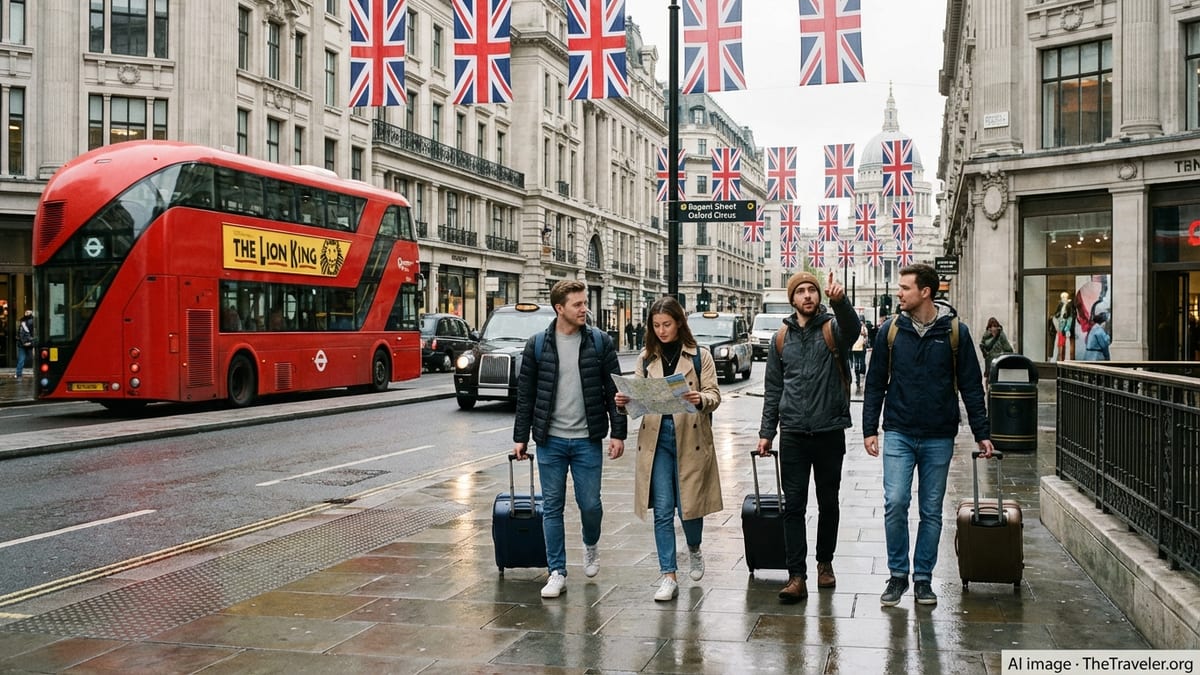
Understand the UK’s New Entry and ETA Rules
Border rules for visitors to the United Kingdom have changed significantly in recent years, and they continue to evolve. Most non visa nationals who previously entered the country with only a passport now need a form of digital permission before they travel. If you are from a country that did not need a traditional visa in the past, you should check carefully whether you now need an Electronic Travel Authorisation, often called an ETA, or a different type of permission. The safest approach is to treat the ETA as just as essential as your passport and to apply several weeks before your intended departure date.
The ETA is a short stay permission for eligible travelers who do not already need a visa. It is applied for online or via an official app, requires basic personal details and security questions, and is digitally linked to your passport. Once granted, it typically allows multiple visits over a period of around two years, with each stay usually limited to about six months for tourism, family visits or short business trips. Rules around fees and exact validity may change, so always confirm the latest information on the official government website before you apply.
Airlines, ferry companies and rail operators that bring passengers into the United Kingdom are now required to check that travelers who need an ETA or other digital permission have it in place before boarding. If you arrive at the airport or station without the proper approval, staff are likely to refuse boarding and you may lose both your ticket and the cost of your trip. Apply for your ETA several days in advance at minimum, keep your confirmation email handy and make sure the passport you travel with matches the one used in the application.
Some groups are exempt from the ETA, including British and Irish citizens and people who already hold certain types of long stay visas or residency permissions in the United Kingdom. However, dual nationals and regular visitors who have relied on visa free travel in the past have found the new rules confusing. If you hold more than one nationality, check carefully which passport you must use to travel and whether you need a digital permission even if you feel closely connected to the country. Taking time to confirm your status before you book flights will reduce the risk of stressful surprises at check in.
Plan Around Weather, Seasons and Regional Differences
The United Kingdom’s weather is famously changeable, and planning your trip with realistic expectations will make your visit more comfortable. Summers are generally mild rather than hot, but can bring short heatwaves, especially in cities like London or Birmingham where stone buildings and limited air conditioning can make temperatures feel more intense. Winters tend to be cool and damp rather than extremely cold, although northern England, Scotland, Wales and higher ground can see snow and icy conditions. Rain is possible at any time of year, often as passing showers rather than all day storms, so packing layers and a light, waterproof jacket is wise no matter the season.
Daylight varies dramatically between summer and winter, especially in Scotland and northern England. In June, evenings can stay light until late at night, creating long days ideal for exploring cities on foot or taking scenic drives through the countryside. In December and January, darkness can fall as early as mid afternoon in some regions. If you are visiting outside summer, schedule key sightseeing for the middle of the day and keep indoor options such as museums, historic houses or afternoon tea in mind for gloomy or wet periods.
Each nation within the United Kingdom has its own character, landscapes and weather patterns. England is home to London’s urban buzz as well as softer countryside in places like the Cotswolds and the Lake District. Scotland offers dramatic mountains and islands where conditions can change quickly, even in summer, so hikers and road trippers should watch local forecasts and carry warm layers. Wales is known for its rugged national parks and coastline, while Northern Ireland combines historic cities with striking coastal routes. Planning your wardrobe and your itinerary around the specific regions you will visit will help you stay comfortable and safe.
Peak travel times vary across the country. July and August bring school holidays, crowded attractions and higher prices in most popular areas, while late spring and early autumn often provide a more relaxed balance of milder weather and smaller crowds. Major events such as music festivals, football tournaments, royal occasions or political summits can also affect hotel availability and transport schedules. If you are flexible, consider visiting outside major holidays and paying attention to local calendars, especially in London and Edinburgh where big events can fill the city.
Move Around Efficiently: Trains, Contactless Payments and Driving
Moving between and within cities in the United Kingdom is usually easiest by train and local public transport. The rail network connects most major towns and cities, with frequent services on busy routes such as London to Edinburgh, Manchester, Birmingham or Brighton. Tickets can be expensive if bought at the last minute for peak times, but buying advance fares for specific trains, traveling outside rush hours and using railcards where eligible can reduce costs. You can normally collect tickets at station machines or load them directly to a mobile app.
Within cities, buses, underground systems and trams are the most practical options for visitors. In London, contactless bank cards and mobile wallets are widely accepted at ticket gates and bus readers, charging you automatically up to a daily or weekly cap rather than requiring a separate local card. Other cities increasingly support similar systems, although you may still need a local smartcard in some areas. Either way, tap in and, where required, tap out with the same card or device to avoid being charged incorrectly. Printed timetables are less common than in the past, so check journey planners or station displays for up to date information.
Hiring a car can be a good choice if you want to explore rural areas, smaller towns or national parks on your own schedule. Remember that traffic drives on the left, with steering wheels on the right side of vehicles, which can take some adjustment if you are used to right hand traffic. Automatic cars are available but are sometimes more expensive or in shorter supply than manual vehicles, so book early if you prefer not to use a manual gearbox. Many town and city centers now operate low emission or congestion zones that charge or restrict certain vehicles, so confirm the rules and possible fees before you drive into central areas.
If you are planning long distance driving, allow more time than you might expect based on the map alone. Some of the most scenic parts of the country, such as the Scottish Highlands, Welsh mountains and rural coastal areas, involve narrow, winding roads where progress is slower and weather can affect conditions quickly. Regular breaks are important, and sharing driving duties where possible can help prevent fatigue. In winter, check local advice around snow or flooding, and keep fuel levels healthy in rural regions where petrol stations may be further apart.
Manage Money, Payments and Everyday Costs
The official currency of the United Kingdom is the pound sterling. Physical cash is still accepted almost everywhere, but card and mobile payments have become the default method for many residents and businesses. Contactless card readers are extremely common in shops, restaurants, pubs, taxis and on public transport. Many visitors find they can manage almost all daily spending with a debit or credit card that has no foreign transaction fees. Still, it is wise to carry a modest amount of cash for small purchases in markets, rural areas or older venues that may not accept cards.
ATMs are widely available in cities and larger towns. Machines attached to major banks often offer better rates and fewer additional charges than independently operated ones in convenience stores, pubs or entertainment areas. When paying by card or using an ATM, you may be offered the option to pay in your home currency instead of pounds. In most cases, it is cheaper to decline this conversion and pay in pounds, allowing your own bank to handle the exchange rate. Checking with your bank before departure can help you understand potential fees and whether it is worth opening a separate travel focused account.
Prices for accommodation, dining and attractions vary considerably across the country. London is generally more expensive than most other cities, particularly in central neighborhoods. Booking hotels well in advance, especially during major events or school holidays, often secures better rates. In cities, consider staying slightly outside the very center near a well connected public transport line to balance cost and convenience. In rural regions, bed and breakfasts, guesthouses and self catering cottages can offer good value and a chance to meet local hosts.
To manage food and drink costs, mix sit down restaurant meals with more casual options. Supermarkets and bakeries sell fresh ready to eat items, including sandwiches, salads and hot snacks, which can make a budget friendly lunch. Many pubs offer substantial meals at moderate prices, and some run early evening specials. Tap water in the United Kingdom is generally safe to drink unless indicated otherwise, so you can refill a reusable bottle instead of buying bottled water every day.
Stay Connected and Handle Practicalities
Staying connected during your visit will help you navigate, check transport updates and keep in touch with accommodation hosts. Mobile roaming rules and charges can change, particularly for visitors coming from the European Union, so check your provider’s latest policies before you travel. In many cases, buying a local prepaid SIM or eSIM on arrival can provide generous data allowances at a predictable cost. Major airports and city centers usually offer multiple options from different networks, and many can be activated quickly with only a passport as identification.
Public Wi fi is increasingly common in hotels, cafes, restaurants, trains and some buses, although speeds and reliability vary. When using open networks, avoid accessing sensitive accounts such as online banking. Instead, use a virtual private network if you have one, or limit finance related tasks to mobile data connections. Download offline maps for the regions you will visit so you can still navigate if coverage is patchy, especially in rural parts of Scotland, Wales or northern England where signal can drop in valleys or remote stretches.
Electrical sockets in the United Kingdom use a specific three pin plug type and operate at a voltage that differs from many countries outside Europe. Most modern phones, laptops and cameras can handle the voltage automatically, but you will still need the correct plug adapter to connect them. Bringing at least one good quality adapter and a small power strip or multi port USB charger can make it easier to keep all your devices charged in hotel rooms that may have limited sockets. Buying an adapter at home before traveling usually costs less than relying on airports or hotel shops.
Basic health care for visitors is available through a mixture of public and private providers. Non residents are generally expected to have travel insurance that covers emergency treatment, repatriation and, ideally, delays or cancellations. Pharmacies are easy to find on British high streets and can advise on minor ailments, over the counter medicines and when to seek a doctor’s care. If you take prescription medication, pack enough for your entire stay, keep it in original labeled containers and carry a copy of your prescription or a doctor’s note in case customs officials have questions.
Respect Local Etiquette and Social Norms
The United Kingdom is diverse and attitudes vary by region and by individual, but some broad social norms will help you navigate everyday encounters more smoothly. Queuing in an orderly line is taken seriously at bus stops, shops, railway stations and attractions. Joining the back of the queue and waiting your turn, rather than trying to step ahead, is considered basic courtesy. On public transport, it is polite to let passengers off trains and buses before you step on, and to offer your seat to older people, pregnant passengers or those with visible mobility challenges.
In conversation, people in the United Kingdom may seem reserved at first, but small talk is common in shops, pubs and taxis. Topics such as the weather, travel plans and local sports are usually safe. Political discussions can be sensitive, especially around issues like regional independence or relations with neighboring countries, so it is wise to listen more than you speak unless you know someone well. Saying please, thank you and sorry is frequent and often expected, even in minor interactions such as brushing past someone in a busy street.
Tipping practices are more restrained than in some countries. In restaurants with table service, a tip of around 10 to 12 percent is customary if service is not already included in the bill. Always check the receipt, as some establishments add a service charge automatically. For casual counter service cafes and pubs, tipping is not required, though rounding up a taxi fare or leaving a small amount for excellent service is appreciated. Hotel porters and housekeeping staff may be tipped modestly, but large tips are unusual.
Dress codes are generally relaxed, especially for tourists, but certain venues such as upscale restaurants, historic hotels or some theaters may expect smarter clothing. In religious buildings, dress respectfully, cover shoulders where requested and keep voices low. Photography rules vary: some attractions allow photos everywhere, while others restrict pictures in certain rooms or during performances. Look for signs or ask staff if you are unsure. Respecting local customs and being observant of how people around you behave will help you blend in and enjoy more authentic interactions.
Stay Safe, Informed and Flexible
The United Kingdom is broadly considered a safe destination, but taking standard precautions will reduce your risk of problems. In busy tourist areas, especially in large cities, keep an eye on your belongings and avoid keeping wallets or phones in back pockets. Use hotel safes where available for passports and spare cards, carrying only what you need for the day. At night, stick to well lit streets, especially if you are unfamiliar with the area, and use licensed taxis or reputable ride hailing services if public transport is infrequent.
Local and national rail networks occasionally experience strikes, engineering works or severe weather disruptions, which can affect travel plans with little notice. Before long journeys, check the day’s service updates from official transport providers and allow extra time for connections. Booking flexible fares or travel insurance that covers disruption can provide peace of mind. If a strike or storm is forecast, consider adjusting your itinerary, such as spending an extra night in one place rather than trying to travel across the country on a day when services are limited.
Emergency services can be reached by dialing 999 from any phone, including mobiles and public telephones. There is also a non emergency number, 101 for police and 111 for health advice in many parts of the country, which can be useful for less urgent situations. Keep a copy of your accommodation address, embassy or consulate details and insurance contact information easily accessible, both on your phone and on paper. If you lose your passport or have it stolen, report the loss promptly to local police and your embassy so that replacement documents can be arranged.
Perhaps the most valuable safety tool is flexibility. Weather, transport issues and occasional protests or major events can all disrupt original plans. Building in spare time between important commitments, such as international flights and long train journeys, will reduce stress. Having a shortlist of alternative attractions, neighborhoods or activities in each city gives you options if your first choice is unexpectedly closed or crowded. Travelers who approach the United Kingdom with a flexible mindset usually find that unplanned detours lead to some of their most memorable experiences.
The Takeaway
Visiting the United Kingdom today requires a bit more advance planning, particularly around digital entry permissions and transport logistics, but the rewards remain substantial. Understanding how the ETA system works, preparing for the climate and regional differences, and making smart choices about money, connectivity and safety will leave you freer to enjoy everything from historic cities and rural landscapes to contemporary arts and food scenes. With realistic expectations, a flexible itinerary and respect for local customs, you can navigate the practicalities confidently and make the most of your time across England, Scotland, Wales and Northern Ireland.
Approach your trip as a balance between preparation and curiosity. Take care of the essentials well before you board your flight or train, but leave enough space to follow local recommendations once you arrive. The country’s compact size, good transport links and shared language with many visitors make it an accessible destination, while its layered history and regional cultures ensure that no two journeys are exactly alike. With these practical tips in mind, you are well placed to enjoy a smooth, engaging visit to the United Kingdom.
FAQ
Q1. Do I need an Electronic Travel Authorisation to visit the United Kingdom?
Most visitors from countries that previously entered visa free now need an Electronic Travel Authorisation or another form of digital permission before they travel. Some travelers, such as British and Irish citizens and people with certain long stay visas or residency status, are exempt. Always check the latest official guidance for your nationality and travel purpose.
Q2. How far in advance should I apply for an ETA or visa?
Apply as early as practical once you know your travel dates, ideally at least a couple of weeks before departure. Many applications are processed within a few days, but extra time allows for possible delays, additional questions or technical issues. Do not wait until the week of travel to start the process.
Q3. What is the best way to get around the United Kingdom without a car?
Intercity trains and local public transport are usually the most efficient options. Book advance fares for long distance trains where possible, travel outside rush hours to save money and use contactless payment or smartcards on city networks. For remote areas, consider local buses combined with occasional taxis.
Q4. Is it safe to drink tap water across the United Kingdom?
Tap water is generally considered safe to drink throughout most of the United Kingdom, including major cities and towns. If there is a specific reason to avoid it in a local area, this is usually clearly indicated. Carrying a reusable bottle and refilling from taps is a practical and inexpensive option.
Q5. How much cash should I bring, given the popularity of contactless payments?
The majority of everyday transactions can be handled with contactless cards or mobile payments, so large amounts of cash are rarely necessary. Bringing or withdrawing a modest sum in pounds for small purchases, markets or rural locations is usually sufficient. Keep most of your funds on secure cards rather than in cash.
Q6. What are typical tipping practices in restaurants and for services?
In restaurants with table service, a gratuity of about 10 to 12 percent is customary if service is not already included. Check your bill for an automatic service charge before adding anything extra. In pubs, casual cafes and for short taxi rides, tipping is appreciated but not obligatory, and rounding up is often enough.
Q7. Will my electrical devices from home work in the United Kingdom?
The United Kingdom uses a three pin plug type and a voltage that may differ from your home country. Many modern electronics can handle the voltage automatically, but you will need a suitable plug adapter. Bringing a compact adapter and a multi port charger or small power strip helps you keep all devices charged.
Q8. What should I do if there are rail strikes or severe weather during my trip?
Monitor official transport updates in the days leading up to any long journey and keep your itinerary flexible. If strikes or storms are forecast, consider adjusting travel days, booking earlier or later services, or staying an extra night in one place. Travel insurance that covers disruption can help with unexpected costs.
Q9. Is it necessary to rent a car to see the countryside?
Renting a car can be useful for exploring remote areas, small villages and national parks, but it is not strictly necessary for every trip. Many scenic regions are accessible by train and bus, sometimes combined with local tours or taxis. If you do rent a car, remember that driving is on the left and that narrow rural roads require extra care.
Q10. How can I be a respectful visitor in everyday interactions?
Simple habits go a long way: queue politely, say please and thank you, speak quietly on public transport and be considerate about taking photos of people. Dress respectfully in religious or formal settings and observe how locals behave. Showing interest in local customs while being open and patient usually leads to warm, positive encounters.