

The United Kingdom is one of the world’s most visited destinations, known for its walkable cities, historic landscapes and efficient public transport. For most visitors, trips pass without incident. Still, smart preparation and an understanding of local risks can make your travels not only more enjoyable but significantly safer. From navigating busy transport hubs to knowing what to expect from the National Health Service, these seven safety tips will help you travel the UK with confidence and common sense.
1. Understand the Current Safety Landscape
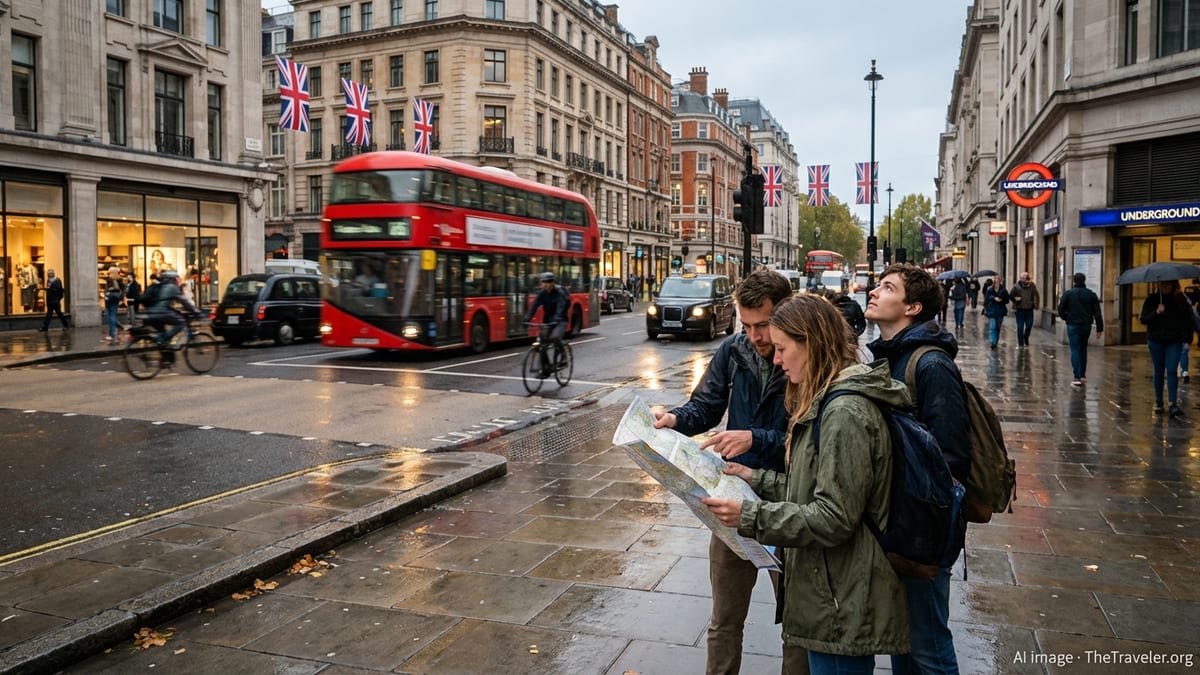
The overall crime rate affecting visitors in the United Kingdom remains relatively low compared with many major destinations, and violent crime against tourists is uncommon. That said, big cities like London, Birmingham, Manchester and Glasgow see the same mix of petty theft, occasional antisocial behaviour and late-night disorder found in other large urban centres. Treat them as you would any major city: stay aware of your surroundings, especially in crowded or nightlife areas, and avoid walking alone along poorly lit backstreets late at night.
It is worth paying attention to official travel advisories from your own government, especially regarding terrorism and public safety. As of 2025, the United States and several other countries advise travellers to exercise increased caution in the UK due to the ongoing risk of terrorism. This does not mean you should avoid travel, but it does mean you should remain situationally aware in and around busy transport hubs, major tourist sights, places of worship and large public events.
The UK’s security services and police regularly review and publish a national terrorism threat level. While this level may change over time, the practical advice for visitors stays largely consistent: be alert in crowded places, report anything that feels seriously suspicious to police and follow instructions quickly in an emergency. The vast majority of visits pass without any security incident at all, but understanding the context helps you react calmly and appropriately if something unusual happens.
Before you travel, it is sensible to share your itinerary and contact details with a trusted friend or relative at home. Once in the UK, consider registering for any traveller alert systems your government offers so you receive notifications if security conditions change. Combined with basic common sense on the ground, these steps help you stay informed without becoming anxious or fearful.
2. Stay Streetwise and Protect Your Belongings
Most safety issues faced by visitors in the UK are opportunistic crimes such as pickpocketing, bag theft and phone snatching. These typically occur in crowded places: the London Underground at rush hour, busy shopping streets, markets, major train stations and popular nightlife districts. Thieves look for easy targets, such as open bags, phones left on café tables, or visitors distracted while taking photos.
Simple precautions go a long way. Use a cross-body bag that zips fully closed and keep it in front of you, especially on public transport or in crowds. Avoid leaving your phone on a café or pub table where it can be grabbed in seconds. If you wear a backpack in busy areas, consider shifting it to your front when on the Underground, at big events or in packed queues. Keep only the cash and cards you need for the day with you, and leave passports and spare cards locked securely in your accommodation.
Common distraction scams do occur in UK cities, especially in tourist-heavy areas. Examples include someone asking you to sign a petition, pointing to cash on the ground, or bumping into you with exaggerated apologies while an accomplice targets your pockets or bag. If you are approached in a way that feels contrived or confusing, politely decline, move away and check your belongings. You do not need to feel rude for prioritising your own safety.
UK police and victim support organisations consistently emphasise that most thefts are preventable with a few habits: staying alert when using your phone in public, avoiding showing large amounts of cash and steering clear of confrontations if harassment or aggressive behaviour occurs. If you are unlucky enough to be targeted, do not resist physically. Your safety matters more than your belongings, and you should report the incident to police as soon as reasonably possible.
3. Use Transport Safely, From the Underground to Rural Roads
Public transport in the United Kingdom is generally safe, extensive and well regulated, which is one of the reasons many visitors choose to explore by train, bus and Underground instead of driving. However, the same features that make public transport convenient also create opportunities for petty crime and accidents, especially when services are crowded or operating late at night.
When using the London Underground or other city metros, keep your valuables out of sight and your bag fastened. Stand behind the yellow safety lines on platforms and resist the temptation to rush for a train as doors close. Late at night, wait in well-lit areas and sit in carriages where other passengers are present. On intercity trains, avoid leaving luggage unattended in vestibules without keeping an eye on it; if possible, store smaller bags overhead where you can see them, and keep passports and electronics on your person rather than in large suitcases.
If you take taxis or ride-hailing services, use only licensed providers. In London, licensed black cabs are easy to recognise and can be hailed on the street, while private hire cars must be pre-booked. In other cities, look for clearly marked, licensed taxis and avoid getting into unmarked vehicles offering cheap rides. It is normal to check that the registration number and driver details shown in your app match the vehicle that arrives.
Driving in the UK presents a different set of safety considerations. Traffic moves on the left side of the road, which can be disorienting for visitors used to right-hand driving. Rural roads can be narrow, winding and poorly lit, with high hedges and fast local traffic. If you plan to drive, familiarise yourself with key rules of the road in advance, including roundabout etiquette and speed limits in miles per hour. Do not attempt long drives immediately after an overnight flight, and avoid driving after drinking alcohol; limits are strict and enforcement is active.
4. Prepare Smartly for Health and Medical Issues
The United Kingdom’s National Health Service is often in the news for pressure on emergency departments and long waits for non-urgent care. For visitors, the essential point is that emergency treatment in life-threatening situations will be provided, but you should not assume that all care will be free or fast. Non-residents are usually required to pay for hospital treatment, and invoices can be substantial, particularly for complex procedures or overnight stays.
If you are visiting from abroad for less than six months, UK health authorities strongly recommend that you have comprehensive travel insurance which includes medical cover and, ideally, medical evacuation. Emergency treatment in Accident and Emergency departments is typically free at the point of need, but follow-on care, hospital admission, specialist consultations and some tests may be chargeable for overseas visitors. Recent reports highlight ongoing strain on emergency services, with some patients waiting extended periods to be seen or leaving departments before receiving treatment, which underscores the importance of good insurance and realistic expectations.
Before travelling, check any existing medical conditions with your insurer and carry a copy of prescriptions and essential medical information. In the UK, community pharmacies are easy to find in cities and towns and can provide over-the-counter remedies as well as some basic health advice. For non-emergency issues, many visitors choose to use walk-in clinics or urgent care centres where available, though waiting times can vary considerably.
It is also sensible to take basic health precautions during your trip. The UK climate can be damp and changeable, even in summer, so pack layers and waterproof clothing to reduce the risk of colds or minor respiratory issues. In winter, icy pavements and steps can cause slips, especially in hilly cities like Edinburgh or in rural areas, so wear shoes with good grip. Staying hydrated, eating regularly and pacing your sightseeing days will help you avoid exhaustion, particularly if you are crossing multiple time zones.
5. Navigate Crowds, Events and Public Demonstrations Safely
From summer music festivals and football matches to Christmas markets and royal ceremonies, the UK offers a full calendar of events that draw large crowds. These experiences can be a highlight of your trip, but they also carry added safety considerations. Crowded venues increase the risk of pickpocketing, minor crush injuries in tight spaces and, in rare circumstances, public disorder or security threats.
When attending a major event, travel light and carry only what you genuinely need. Many venues now enforce bag-size restrictions and conduct security checks, so plan extra time for entry. Identify exits and less-congested areas when you arrive, and agree in advance where to meet if you become separated from your companions. Staying on the edges of dense crowds rather than at the very front can make it easier to move away quickly if you start to feel uncomfortable.
Public protests and marches take place regularly in major UK cities. Most are peaceful and well managed by police, but they can cause disruption and a small number may see tensions escalate. If you stumble across a demonstration unintentionally, the simplest safety advice is to observe from a distance or choose an alternative route. If you decide to stay and watch, avoid getting between police lines and demonstrators, and leave immediately if you notice aggression, objects being thrown or heavy police deployment.
In the context of a continuing terrorism risk, UK authorities emphasise the importance of public vigilance, especially in crowded or iconic places. While the likelihood of being caught up in an attack is extremely low, it is sensible to know the basic guidance often summarised as “run, hide, tell.” If something serious happens nearby, move away from the source of danger if it is safe to do so, take shelter out of sight if you cannot escape and contact emergency services when you are able. Remaining calm and following instructions from police and venue staff is the best way to keep yourself and others safe.
6. Respect Local Laws, Customs and Emergency Services
For many travellers, the UK feels culturally familiar and easy to navigate. That can make it tempting to assume that informal rules back home apply equally here, but local laws and expectations do differ in important ways. Visitors are subject to UK law for the duration of their stay, regardless of their nationality, and claims of ignorance rarely carry weight if something goes wrong.
One area to be particularly aware of is restrictions on weapons and self-defence items. Items such as pepper spray, tasers and certain knives that may be legal in other countries are prohibited in the UK and can lead to arrest if found in your luggage or on your person. Before you travel, check your bags to ensure you are not inadvertently carrying anything that could be classified as an offensive weapon under UK law. Airport security screening is thorough, and enforcement is strict.
Alcohol is widely available, and pubs form a central part of social life, but public drunkenness and associated disorder are taken seriously by police, especially in city centres on weekend nights. To stay safe, pace your drinking, stay with friends and avoid confrontations with other intoxicated people. If a situation in a bar or on the street feels as though it might escalate, move away and, if needed, ask staff or security for assistance.
It is also worth familiarising yourself with the UK’s main emergency numbers. Dial 999 for police, ambulance or fire services in life-threatening situations. For non-urgent police matters, there is a nationwide 101 number, though visitors typically make first contact through 999 if in doubt. When you call, be prepared to state your location as clearly as possible, including landmarks or nearby street names. Emergency call handlers are used to dealing with visitors and will guide you through what to do next.
7. Plan Ahead for Weather, Technology and Travel Documents
Safety in the UK is not only about crime and emergencies. Weather, technology and paperwork can all affect how smoothly and securely your trip unfolds. The climate is famously changeable, and conditions can vary dramatically between regions on the same day. Heavy rain, strong winds or coastal storms sometimes lead to transport disruption, particularly for trains and ferries, and occasional flooding can affect roads. Checking the forecast each morning and allowing extra time for journeys during unsettled weather is a practical safety habit.
In rural and coastal areas, pay attention to local advice about tides, cliff paths and national park trails. Some coastal walks pass close to unstable edges, and signs warning of erosion or falling rocks should be taken seriously. When hiking, wear suitable footwear, carry basic supplies and let someone know your plans, especially in more remote parts of Scotland, Wales or Northern England where mobile phone coverage can be patchy.
Digital security deserves as much thought as physical safety. Public Wi-Fi networks in cafés, hotels and stations are convenient but can be insecure. Avoid accessing sensitive accounts, such as online banking, over open networks without a virtual private network, and log out of accounts when finished. Enable a screen lock and remote-wipe function on your phone in case it is lost or stolen, and keep a written copy of key phone numbers in a secure place separate from your device.
Finally, protect your travel documents. Carry a photocopy or digital scan of your passport’s photo page and keep it separate from the original. Some visitors secure passports in their hotel safe and carry another form of ID day to day, which reduces the risk of losing this critical document in a theft. Knowing the location and contact details of your embassy or consulate in the UK before you travel will save time if you need to replace documents or seek assistance in an emergency.
The Takeaway
Travel in the United Kingdom is, for the overwhelming majority of visitors, safe, rewarding and straightforward. The country’s robust institutions, reliable infrastructure and English-speaking environment make it an accessible choice even for relatively inexperienced travellers. Still, the same factors that attract millions of visitors each year also create opportunities for petty crime and magnify the impact of occasional security incidents, crowded events and pressure on public services.
By staying informed about the current security picture, protecting your belongings, using transport sensibly, preparing for health needs and respecting local laws and conditions, you dramatically reduce your exposure to risk. None of these measures requires you to be fearful or to avoid the experiences that brought you to the UK in the first place. Instead, they amount to travelling with your eyes open and your plans in order.
Ultimately, good judgement and simple precautions are your best safety tools. Combine them with a flexible itinerary and a willingness to follow local advice, and you can enjoy Britain’s cities, countryside and coastlines with peace of mind, knowing that you have taken reasonable steps to look after yourself and those travelling with you.
FAQ
Q1. Is the United Kingdom safe for solo travellers?
The UK is generally considered safe for solo travellers, including women, provided you take standard precautions such as staying in well-reviewed accommodation, avoiding poorly lit areas late at night and keeping friends or family informed of your plans.
Q2. What should I do if I lose my passport in the UK?
Report the loss to local police as soon as you can, then contact your embassy or consulate to arrange a replacement. Having a photocopy or digital scan of your passport will speed up the process and help prove your identity.
Q3. How do I contact emergency services in the UK?
Dial 999 for police, ambulance or fire services in any life-threatening or urgent situation. If you are unsure whether something is an emergency, it is better to call 999 and let the operator guide you.
Q4. Is public transport safe at night?
Public transport in the UK is generally safe at night, but you should sit in busier carriages, keep valuables out of sight, avoid sleeping deeply on trains and use licensed taxis or ride-hailing services for late journeys in unfamiliar areas.
Q5. Do I need travel insurance if I am visiting the UK?
Travel insurance is strongly recommended. While emergency treatment is usually provided, overseas visitors can be charged for hospital care and medical costs can be high. Insurance that covers medical expenses, theft and trip interruptions provides important financial protection.
Q6. How common are pickpockets in London and other big cities?
Pickpocketing is not constant but does occur in busy areas, especially around tourist attractions, markets and public transport hubs. Using a secure bag, keeping phones and wallets out of easy reach and staying alert in crowds significantly reduces your risk.
Q7. Is it safe to drink tap water in the UK?
Yes, tap water throughout the UK is generally safe to drink. In older buildings with very old plumbing, some people prefer bottled water, but in most hotels, restaurants and homes, tap water is treated and potable.
Q8. Are there areas of UK cities that tourists should avoid?
Like all large cities, UK urban areas have neighbourhoods with higher crime levels, often on the outskirts rather than in main tourist zones. Rather than focusing on specific districts, follow local advice, stay in central, well-reviewed areas and avoid dark, deserted streets late at night.
Q9. What health precautions should I take before travelling to the UK?
Most travellers do not require special vaccinations beyond routine immunisations, but you should confirm this with a healthcare professional before travelling. Arrange comprehensive travel insurance, bring any regular medications in original packaging and carry a basic supply of over-the-counter remedies for minor ailments.
Q10. How can I stay informed about security issues while in the UK?
Follow local news, pay attention to official announcements in transport hubs or at events and consider registering with your government’s traveller alert programme before departure. If you notice a heavy police presence or hear public address messages, listen carefully and follow any instructions given.