

More news on this day
With pump prices swinging from month to month and taxes and fees varying sharply by state, drivers across the United States are looking for practical ways to make every tank of gasoline go further.
Get the latest news straight to your inbox!
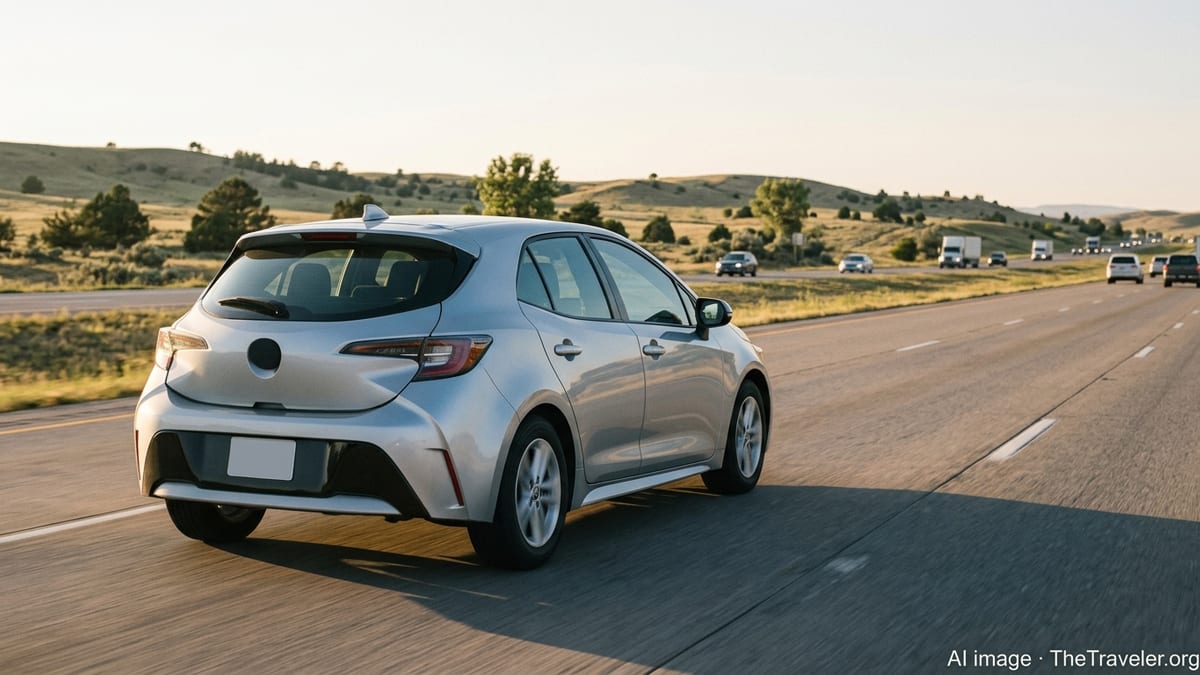
Driving habits matter more than many motorists realize
Fuel economy ratings on the window sticker are only a starting point. Publicly available guidance from agencies and auto clubs notes that the way a vehicle is driven day to day can shift real-world mileage by double-digit percentages. Smooth, steady inputs generally help engines and transmissions work closer to their most efficient range, while abrupt changes in speed waste energy as heat in brakes and drivetrains.
Reports on energy-efficient driving explain that hard acceleration and aggressive passing are among the quickest ways to burn extra fuel. Rapid throttle inputs demand more power from the engine, which in turn draws more gasoline into each combustion cycle. Instead, easing up to speed, anticipating traffic lights ahead and lifting off the pedal early when a stop is inevitable can reduce the number of times a driver needs to brake sharply and then accelerate again.
High speeds also take a toll. Aerodynamic drag climbs rapidly as velocity increases, so cruising at 65 miles per hour instead of 75 can deliver noticeable savings on a long highway trip. Analyses cited by major auto clubs indicate that trimming speed by 5 to 10 miles per hour can improve fuel economy in the range of 7 to 14 percent, enough to cut one or more fuel stops over the course of a long drive.
Cruise control can help on relatively flat highways by ironing out small fluctuations in speed, but experts caution against relying on it in hilly terrain where the system may hold a higher speed than necessary on climbs. In rolling country, many efficiency guides suggest allowing a small drop in speed on uphill stretches and regaining momentum gently on the way down.
Lighten the load and clean up the aerodynamics
Vehicle weight and wind resistance are two other key factors that shape how far a tank of fuel will go. Guidance from fuel economy agencies points out that every additional 100 pounds of cargo can trim mileage, especially in smaller vehicles with less powerful engines. Removing heavy, seldom-used items from the trunk or cargo area can therefore translate into modest but consistent savings over time.
Roof racks, cargo pods and bicycle carriers can have an even larger effect, particularly at highway speeds where air resistance dominates. Testing summarized by efficiency advocates shows that large rooftop boxes and open racks may reduce fuel economy by well over 10 percent on fast roads. When gear is not needed, drivers are encouraged to take attachments off the roof and store them between trips.
Even small details such as driving with windows fully open at high speed versus using the vehicle’s ventilation system can influence drag. While comfort and safety come first, many guidance documents suggest using the fan or air conditioning on moderate settings at highway speeds rather than relying on wide-open windows, which can disturb airflow around the vehicle and increase turbulence.
Inside the cabin, organizing essential items so they are easy to reach can also discourage last-minute packing of unnecessary cargo. For families preparing for long-distance travel, planning what truly needs to be carried and what can be bought or rented at the destination can keep weight and drag under better control.
Keep tires, oil and maintenance on schedule
Regular maintenance, often framed as a way to extend vehicle life, is also one of the more reliable paths to better fuel economy. Guidance from auto clubs and government fuel-efficiency programs highlights tire pressure as a critical variable. Underinflated tires increase rolling resistance and cause the engine to work harder for the same speed, while also wearing out faster and running hotter.
Many consumer resources recommend checking tire pressure at least once a month and before long trips, using the specifications on the driver’s door jamb or in the owner’s manual rather than the maximum number molded into the tire sidewall. Seasonal temperature changes can drop pressure by several pounds per square inch, so drivers who have not adjusted their tires since summer may find them significantly low on a cold morning.
Engine oil choice can have an impact as well. Modern engines are designed around specific low-viscosity oils that reduce internal friction. Using a heavier oil than recommended can diminish fuel economy. Following the manufacturer’s schedule for oil and filter changes and ensuring air filters are clean helps the engine breathe and operate as intended, which in turn supports factory-rated efficiency.
Attention to wheel alignment and worn components can pay off too. Misaligned wheels or dragging brakes create constant resistance, often signaled by uneven tire wear or a vehicle that pulls to one side. Repairing these issues not only improves safety and comfort but can also restore lost miles per gallon.
Plan smarter routes and cut unnecessary idling
Trip planning, once mainly a time-saving measure, is increasingly being highlighted as a fuel-saving tactic. With navigation apps and real-time traffic information now common, drivers can choose routes that avoid congestion and minimize stop-and-go conditions, both of which push fuel consumption higher than steady cruising at moderate speeds.
Combining errands into a single outing instead of several short, cold-start trips can also improve efficiency. Engines and emissions systems are generally less efficient until they warm to operating temperature, so grouping tasks into one longer drive allows more of the distance to be covered under optimal conditions. This can be particularly helpful for suburban and rural drivers who cover significant distances for shopping, school runs or recreational activities.
Reducing idling is another widely promoted step. Many consumer-facing guides note that modern engines do not need lengthy warm-up periods except in extreme cold, and that idling for more than about 30 seconds typically uses more fuel than shutting the engine off and restarting it. Avoiding long waits with the engine running at drive-through lines, railway crossings or curbside pickup points can therefore preserve fuel, provided it is safe and legal to switch off the engine.
Some newer vehicles come equipped with automatic stop-start systems that shut the engine off at traffic lights and restart it when the driver releases the brake. Where fitted, leaving these systems active generally helps trim fuel use in urban traffic without requiring any change in driving technique.
Use comfort features and technology with efficiency in mind
Climate control, infotainment systems and driver-assistance technologies contribute to comfort and convenience, but they can also change how much work a vehicle must do. Air conditioning, for example, draws power from the engine or electrical system and can reduce fuel economy, especially during city driving. Efficiency guidance often suggests using automatic climate control at a moderate temperature setting, recirculating air when appropriate and parking in the shade when possible so the system does not have to work as hard.
Seat heaters, defrosters and other electrical accessories add to the load. While each may only draw modest power, running several at once for extended periods can have a cumulative effect. Turning them off when they are no longer needed is one of the simpler ways to keep fuel consumption closer to published ratings.
On the technology side, many late-model vehicles now offer real-time fuel economy readouts, eco-driving modes and route-planning tools that factor in efficiency. According to published coverage on fuel-saving trends, drivers who monitor these displays and adjust their habits tend to achieve better mileage than those who ignore them. Using an eco mode, where available, can soften throttle response and adjust transmission behavior in a way that favors lower fuel use over maximum acceleration.
For households with a mix of vehicles, assigning trips thoughtfully can also help. Short urban errands may be best handled by the most efficient car in the driveway, while larger or less efficient models are reserved for tasks that truly require their space or towing capacity. Over months of regular driving, these everyday choices can add up to fewer stops at the pump and more miles from each tank.