

Italy is a year round destination, but the country feels especially alive when its biggest festivals take over piazzas, canals and medieval streets. Planning your trip around a major annual event can reshape how you experience the country, from seeing Venice cloaked in masks to feeling Siena tremble under the hooves of racing horses. Crowds and higher prices are real considerations, yet the payoff is a deeper connection with Italian culture, ritual and daily life. These eight standout events, spread across the calendar and the country, are worth organizing an itinerary around if you want your visit to coincide with Italy at full volume.
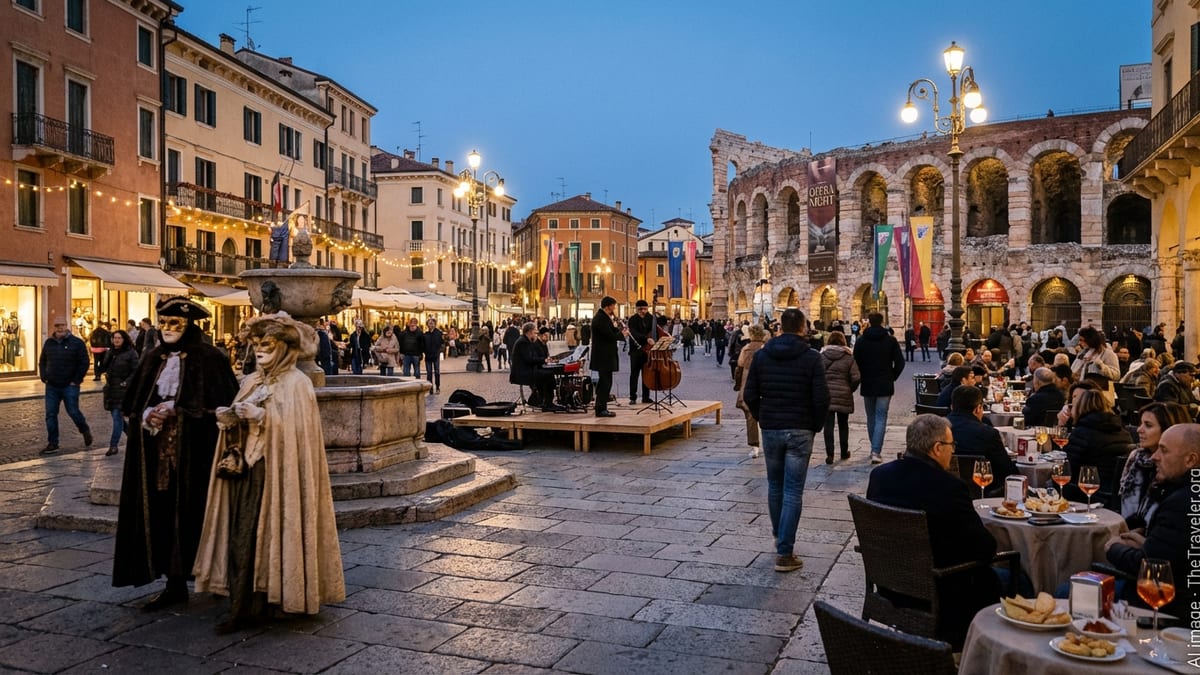
Carnevale di Venezia: Masks, Mystery and Winter Magic
Venice in winter can be quietly atmospheric, with mist over the canals and fewer visitors. During Carnevale, usually in February in the weeks before Lent, that quiet is replaced by a dreamlike intensity. The entire historic center becomes a stage for masked figures in baroque cloaks and powdered wigs, wandering between campi, along the Riva degli Schiavoni and across the bridges of the Grand Canal. While elaborate private balls in historic palaces attract international attention, the spirit of Carnevale is most evident outdoors, where costumed Venetians and visitors mingle in the streets and on the vaporetto docks.
Official programming shifts slightly every year, but visitors can expect open air performances, costume competitions in Piazza San Marco, themed events on the islands and smaller shows in neighborhood squares. Many spectacles are free to watch, though paid events and masquerade balls can be costly and sell out far in advance. Accommodation prices rise sharply around peak weekends and rooms often book out months ahead, so forward planning is essential if you hope to stay near the historic center during the heart of the festivities.
Despite the crowds, there are ways to experience Carnevale without feeling overwhelmed. Early mornings offer a softer side of the festival, when masked figures pose on quiet bridges in the first light, and the city’s usual rhythms are still visible beneath the costumes. Venturing to Cannaregio or Castello rather than remaining solely around San Marco can mean fewer people and a more local feel. Packing warm layers and comfortable shoes is important, since winter humidity and long hours on foot are part of the experience.
For travelers, Carnevale is not just about spectacle but about glimpsing how an old tradition continues to evolve. The masks and costumes nod to Venice’s past as a powerful maritime republic, yet the event remains rooted in contemporary life, with school groups, families and artisans all taking part. Planning a visit around this festival means accepting higher prices and dense crowds in exchange for a uniquely atmospheric version of the city that simply does not exist at any other time of year.
La Befana and Epiphany: Italy’s Quietly Joyful January Finale
January 6, the Feast of the Epiphany, marks the formal end of the Christmas season across Italy. While it is quieter than Carnevale or the summer festivals, it is a meaningful moment that reveals family traditions and small town rituals often missed by visitors. Central to the day is La Befana, the kindly old woman of Italian folklore who rides a broomstick and delivers sweets to well behaved children and coal to the naughty. In practice, that “coal” is usually sugar candy, and shop windows fill with Befana themed treats in the days leading up to the holiday.
Major cities such as Rome and Florence host public celebrations with costumed Befanas distributing small gifts in main squares, along with markets and children’s activities. In Rome, Epiphany also has a strong religious dimension, as Vatican and city churches hold special Masses and processions. Smaller towns may light bonfires, organize charity events or stage living nativities that conclude on this day. Because Epiphany is a public holiday, many Italians use it as one last opportunity for family gatherings before routines resume.
Travelers who plan a trip around Epiphany see a side of Italy distinct from summer tourism. Winter light, quieter streets and post holiday sales in shops create a different rhythm, and accommodation rates are often lower than during peak months, with the exception of some ski areas. It is important to note that some smaller businesses may close for a few days around this period, particularly in less touristed towns, so confirming opening hours is prudent.
For families traveling with children, Epiphany can be particularly rewarding. Many museums and cultural institutions organize special events, and city squares come alive with puppet shows, street performers and food stalls. Rather than a single, concentrated spectacle, La Befana and Epiphany offer a mosaic of smaller moments that together give a nuanced sense of how Italians close their festive season. It is an ideal time for travelers who value cultural immersion over headline grabbing crowds.
Sanremo Music Festival: Italy’s Pop Culture Obsession
Every year in late winter, usually in February, the seaside city of Sanremo on the Ligurian coast becomes the focus of Italy’s entertainment world. The Sanremo Music Festival is a televised song competition that has run for decades and holds a special place in national culture. It has helped launch careers, influenced popular music and, more recently, fed Italy’s entries for the Eurovision Song Contest. For a week, performances, press conferences and late night commentary dominate Italian media, and ticket demand for the theater shows is intense.
The festival itself takes place in the Ariston Theatre, a relatively small venue given the event’s significance. Seats are limited, expensive and typically sell out quickly, often going first to insiders and long time fans who follow the ticketing announcements closely. However, the atmosphere in Sanremo extends far beyond the theater doors. Outdoor screens, side events on the seafront and impromptu performances in bars and clubs turn the town into a live music hub, with fans flocking from across Italy.
For travelers, visiting during Sanremo week provides a window into contemporary Italian pop culture rather than historical pageantry. Expect higher accommodation prices and tight availability in and around the city, as well as heavier traffic on the coastal roads and trains. Some visitors choose to stay in nearby towns along the Riviera and travel in for specific evenings or daytime events, balancing atmosphere with a bit more space and quieter nights.
Even if you never step inside the Ariston, spending time in Sanremo during the festival can be memorable. Cafes buzz with conversations about performances, shop windows feature festival themed displays and the promenade fills with television crews and curious onlookers. It is a particularly rewarding time for Italian speakers or learners, since much of the humor and commentary plays out in rapid fire talk shows and backstage interviews. Planning around Sanremo is less about grand visuals and more about being swept up in a national conversation happening in real time.
Palio di Siena: Bareback Horses and Medieval Rivalries
The Palio di Siena, held twice a year on July 2 and August 16, is one of Italy’s most intense and emotionally charged events. On the surface it is a bareback horse race around the shell shaped Piazza del Campo, lasting little more than a minute. In reality it is the culmination of year round rivalries between Siena’s contrade, the historic neighborhood districts that each support a horse and jockey. Flags, banners and scarves display their colors throughout the city, and local loyalties run deep.
The days leading up to the race are rich with tradition. There are trial runs on the dirt packed track laid over the piazza’s paving stones, formal blessings of the horses in each contrada’s church and a grand historical parade that winds through the streets with medieval costumes, banners and drums. Visitors can watch much of this in the open air, although viewing spots become scarce and crowded as race day approaches. On the day itself, thousands of people pack into the center of the piazza, standing under the summer sun to watch the thundering laps.
Anyone planning a visit to Siena around the Palio needs to prepare well in advance. Hotel rates climb, and central accommodation can book up months ahead. Grandstand seats and balcony spots along the track are sold through intermediaries and local contacts and can be costly. Standing in the infield is free but requires patience and tolerance for close quarters and limited shade. Comfortable clothing, sun protection and water are essential, particularly in the July race when heat can be intense.
Despite the logistical challenges, the Palio offers an unparalleled glimpse into how living tradition shapes a modern Italian city. This is not primarily a tourist show: the event exists first for Sienese residents and only secondarily for visitors. Respectful behavior, including sensitivity around photography in contrada spaces and following local guidance, is important. For many travelers, timing a Tuscan itinerary to include even a few days in Siena during Palio season turns a classic hill town visit into a vivid and unforgettable cultural immersion.
Umbria Jazz: World Class Music in a Hilltop City
Each July, the medieval city of Perugia in Umbria fills with music as Umbria Jazz, one of Europe’s most respected jazz festivals, takes over its piazzas and concert halls. The event typically runs for about ten days in early to mid July, drawing a blend of international headliners, Italian artists and emerging talent. Historic squares such as Piazza IV Novembre become informal stages, while paid concerts are hosted in indoor venues and purpose built spaces.
The atmosphere in Perugia during the festival is both relaxed and energetic. Street performances and free outdoor shows give casual visitors a chance to enjoy music without tickets, while dedicated fans plan their days around the headline acts. Late night jam sessions continue in bars and clubs, and the city’s steep lanes echo with saxophones and drum kits being carried up and down between sets. Food stalls and pop up bars extend opening hours, contributing to a lively but welcoming feel.
From a practical standpoint, Umbria Jazz has a noticeable impact on Perugia’s infrastructure and prices. Accommodation availability tightens well before the festival, particularly within the historic center and near major venues. Prices for hotels and apartments rise accordingly, though nearby towns connected by regional trains or buses may offer more moderate rates. Day trippers from Rome, Florence and elsewhere in central Italy add to the crowd, especially on weekends and for major acts.
For travelers interested in combining cultural exploration with evening entertainment, planning a trip around Umbria Jazz can be especially rewarding. Sightseeing is still possible during the day, though it is wise to start early before the midday heat and crowds build. The festival’s blend of formal concerts and spontaneous street performances means that even those who cannot secure tickets to every show can still experience high quality music in remarkable settings. It is a compelling example of how Italy’s smaller regions host events with international reach.
Eurochocolate in Perugia: A Sweet Autumn Pilgrimage
Perugia’s second major event, Eurochocolate, transforms the city each autumn into an open air celebration of cocoa. The festival usually takes place in October, though exact dates vary by year, and it attracts chocolate producers from across Italy and beyond. Stalls and temporary stands line the historic center, offering everything from classic pralines and artisanal bars to playful themed creations. The air itself seems scented with cocoa, especially around the main pedestrian streets.
Unlike music or sporting events, Eurochocolate centers on browsing and tasting. Visitors purchase sample packs or individual pieces as they wander, and many stalls offer small bites for a modest cost. There are often cooking demonstrations, themed exhibitions and activities for children, along with branded installations from major chocolate companies. Weekends tend to be especially busy, with groups arriving by coach and families making day trips from neighboring regions.
For travelers, Eurochocolate offers an atmospheric way to experience Italy in shoulder season. Autumn in Umbria often brings cool but pleasant weather, changing foliage and fewer international tourists than summer. However, during the festival itself, Perugia becomes much more crowded, and hotel prices rise in response. Parking around the historic center is extremely limited, so many visitors rely on public transport or park and ride systems set up for the event.
Planning a visit around Eurochocolate suits travelers who enjoy food centric experiences and do not mind crowds. It can be paired with visits to nearby hill towns, wine tastings and hikes through the Umbrian countryside, creating a varied itinerary anchored by a few chocolate intense days in the city. Because the festival’s dates shift annually, checking the official program well ahead of time is essential if you want to synchronize flights, rail tickets and accommodation with its opening and closing weekends.
Alba White Truffle Fair: Autumn Luxury in Piedmont
In the northern region of Piedmont, the town of Alba is synonymous with white truffles, the rare and aromatic tubers that appear in local forests each autumn. The International Alba White Truffle Fair, usually running across several weekends in October and November, celebrates this prized ingredient with a mix of markets, tastings, auctions and cultural events. Central to the fair is the covered truffle marketplace, where certified vendors display their finds and buyers from around the world come to inspect and purchase at premium prices.
Even for visitors who are not planning to buy whole truffles, the fair offers abundant opportunities to taste them in more accessible ways. Local restaurants develop special menus featuring shaved white truffle over fresh pasta, eggs or risotto, while wine producers in the surrounding Langhe hills host tastings that highlight pairings with the region’s celebrated reds. Cooking demonstrations, sensory workshops and occasional historical parades add layers beyond pure gastronomy.
Alba and its surroundings are already popular in autumn with travelers drawn by vineyard landscapes and harvest season, and the truffle fair intensifies demand. Accommodation in town and in nearby villages can be expensive and limited on fair weekends, and restaurant reservations become essential, particularly for dinners featuring truffle menus. Road traffic through the hills also increases, especially on Saturdays and Sundays when many Italians arrive from Turin, Milan and other cities.
Timing a trip to coincide with the Alba White Truffle Fair rewards travelers with a concentrated experience of northern Italian food culture at its seasonal peak. The combination of foggy mornings over vineyards, bustling indoor markets and richly scented plates in intimate dining rooms is hard to replicate at other times of year. Those who prefer quieter conditions might consider arriving just before or after the main fair weekends, when some truffle focused menus and activities often continue but crowds are less dense and prices more moderate.
Verona Arena Opera Festival: Summer Nights Under Roman Stone
From late June through August, Verona’s ancient Roman amphitheater becomes one of the world’s most atmospheric open air opera venues. The Arena di Verona Opera Festival presents large scale productions in the oval of the two thousand year old structure, lit by stage lights and, traditionally, the flicker of candles and phone screens held by audience members. Even for those new to opera, attending a performance here can feel like a once in a lifetime travel moment, with music rising into the warm night and marble tiers packed with spectators.
The festival’s program changes each season, typically featuring well known works by composers such as Verdi, Puccini and Bizet, along with occasional special galas. Tickets range from numbered seats close to the stage to unassigned spots on the higher steps, where visitors often bring cushions and light jackets. Performances begin after sunset to avoid the worst of the heat, yet evenings remain warm, and brief summer storms are possible, so planning for variable weather is wise.
Verona during the opera season is notably busier than at other times. Tour groups, opera enthusiasts and general summer visitors converge on the compact historic center, and hotel prices increase accordingly. Popular restaurants near the arena see heavy demand on performance nights, especially before curtain time, so advance reservations are recommended. Trains serving Verona from Milan, Venice and other cities can also be more crowded on key dates, particularly weekends.
For travelers, organizing an itinerary around the Verona Opera Festival offers a structured focal point for northern Italy. Days can be spent exploring Lake Garda, Valpolicella wine country or nearby cities, with evenings reserved for performances under the stars. Because the festival schedule is published well ahead of summer, it is possible to align flights, rail passes and accommodation with specific productions. Even a single night at the arena, planned as an anchor for a larger trip, can become the highlight of a visit.
The Takeaway
Planning a trip to Italy around a major annual event adds complexity to logistics but can transform a straightforward holiday into a deeper cultural encounter. Carnevale di Venezia and the Palio di Siena reveal how historical rituals still shape local identity. Epiphany and La Befana, Eurochocolate and the Alba truffle fair highlight quieter yet rich seasonal rhythms of food and family life. Sanremo’s music week, Umbria Jazz and the Verona Opera Festival situate visitors inside Italy’s contemporary and classical performing arts scenes, rather than observing from a distance.
These events come with trade offs. Crowds grow thicker, prices rise and reservations must be handled far in advance. Some destinations feel almost overwhelmed at peak moments, and those who prefer empty lanes and uncrowded museums may find the intensity unwelcome. Yet for travelers willing to navigate the practicalities, the reward is to see how Italians themselves celebrate, compete, listen, eat and gather, using familiar streets and monuments in ways that feel entirely different from an ordinary sightseeing day.
The key to making the most of an event focused itinerary is flexibility and preparation. Book early, build generous time buffers for travel days, and accept that not every plan will unfold exactly as expected in the midst of a festival crowd. Allow space for serendipity: a free concert discovered on a side street, a neighborhood feast table opened to visitors, a small procession emerging from a church. When approached with curiosity and respect, Italy’s great annual events can shift a journey from simply seeing the country to briefly, genuinely inhabiting its rhythms.
FAQ
Q1. Which Italian event is best for a first time visitor?
For many first timers, Carnevale di Venezia offers the most instantly recognizable experience, combining iconic scenery with accessible outdoor events and photo friendly moments.
Q2. How far in advance should I book for the Palio di Siena?
For central accommodation and good race viewing options, planning six to twelve months ahead is prudent, especially for the July race when demand is particularly strong.
Q3. Is it worth visiting Venice during Carnevale if I am on a tight budget?
Yes, if you accept higher prices and focus on free outdoor events, early morning walks and neighborhood exploration instead of costly balls or luxury costumes.
Q4. Do I need to speak Italian to enjoy Sanremo Music Festival week?
No, but some knowledge of Italian enhances the experience, since jokes, commentary and song lyrics are largely in Italian and central to the event’s appeal.
Q5. Are Eurochocolate and the Alba White Truffle Fair suitable for children?
Generally yes, as both have outdoor spaces and food centered activities, though crowded weekend periods and higher costs may require extra planning for families.
Q6. What should I wear to the Verona Arena Opera Festival?
Smart casual clothing is widely accepted, with comfortable shoes and a light layer for cooler late evenings; only certain premium areas may have stricter dress expectations.
Q7. How do crowds affect sightseeing during Umbria Jazz in Perugia?
Major sights remain visitable, but streets are busier, especially afternoons and evenings, so starting sightseeing early and reserving key museum time slots is advisable.
Q8. Are local businesses closed during Epiphany and La Befana?
Because Epiphany is a public holiday, many offices and some shops close, but restaurants, cafes and venues in tourist areas usually remain open with holiday hours.
Q9. Can I experience Italian festivals without staying in the main host city?
Yes, many visitors base themselves in nearby towns connected by train or regional buses, commuting in for key events to balance atmosphere with quieter evenings.
Q10. How can I find the exact dates for these events each year?
The safest approach is to check official festival or municipal tourism websites, as annual calendars and movable feasts like Easter can shift dates from year to year.